


























Views
Downloads
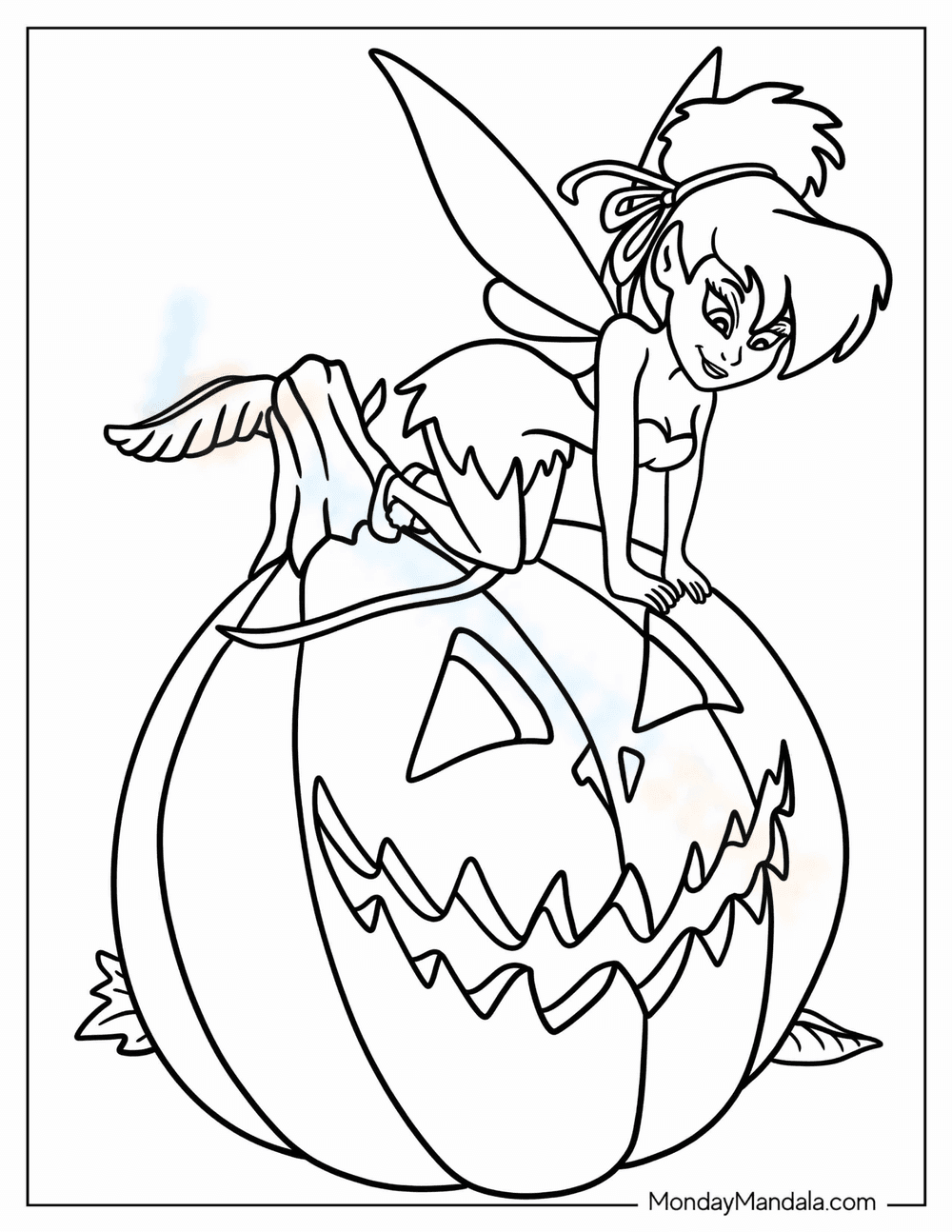

Grade 2 Tinker Bell Halloween — Printable Coloring Page
Paste this activity's link or code into your existing LMS (Google Classroom, Canvas, Teams, Schoology, Moodle, etc.).
Students can open and work on the activity right away, with no student login required.
You'll still be able to track student progress and results from your teacher account.
This printable Halloween coloring page featuring Tinker Bell on a jack-o'-lantern builds fine motor control and inspires creative storytelling. Students practice precision coloring while developing narrative ideas. It serves as an engaging visual prompt to spark descriptive language and collaborative discussions, helping young learners express seasonal themes through art and speech.
At a Glance
- Grade: Grade 2 · Subject: English Language Arts
- Standard:
CCSS.ELA-LITERACY.SL.2.1— Participate in collaborative conversations about grade-level topics- Skill Focus: Fine motor skills and oral storytelling
- Format: 1 page · 1 task · No answer key · PDF
- Best For: Morning work or seasonal centers
- Time: 15–20 minutes
This single-page PDF features a high-quality, clean line art illustration of Disney's Tinker Bell perched atop a carved Halloween pumpkin. The design offers clear boundaries to support fine motor development and spatial awareness. The open layout leaves ample space for students to add their own background details, encouraging creative expression and personal ownership of the artistic task.
Zero-Prep Workflow
This activity requires less than 2 minutes of total teacher preparation. First, print the single-page PDF document directly from your computer. Second, distribute the sheets along with crayons, colored pencils, or markers to your students. Third, review the finished artwork or use the completed pages as visual prompts for a quick partner sharing session. This simple setup makes the worksheet an excellent option for emergency sub plans, transition periods, or early finisher activities.
Standards Alignment
This activity aligns with the primary standard CCSS.ELA-LITERACY.SL.2.1, which requires students to participate in collaborative conversations about grade-level topics and texts with peers and adults in small and larger groups. By using the colored image as a visual talking point, students practice describing details and expressing ideas clearly. Both standard codes can be copied directly into lesson plans, IEP goals, or district curriculum mapping tools.
How to Use It
Use this worksheet during the transition period after recess or as a warm-up before a creative writing lesson. For a formative assessment, observe how students discuss their color choices and spatial arrangements with peers, noting their use of descriptive adjectives. The activity typically takes 15 to 20 minutes to complete, depending on the coloring detail.
Who It's For
This resource is designed for second and third-grade students, including English language learners who benefit from visual aids to build vocabulary. Teachers can differentiate by asking advanced students to write a short paragraph about Tinker Bell's Halloween adventure on the back of the page. Pair this worksheet with a read-aloud story about autumn or Halloween characters to deepen engagement.
According to research by Fisher & Frey (2014) on the gradual release of responsibility, integrating visual arts and creative prompts into early elementary classrooms supports language acquisition and oral communication. This worksheet aligns with standard CCSS.ELA-LITERACY.SL.2.1 by providing a shared visual anchor that prompts students to engage in collaborative conversations. As students color the illustration of Tinker Bell on a pumpkin, they develop the fine motor control necessary for writing while building the vocabulary needed to describe spatial relationships and seasonal themes. Using structured visual tasks helps bridge the gap between creative expression and formal language development, making it a valuable tool for diverse learners. Educators can confidently integrate this resource into their speaking and listening curriculum, knowing that visual aids reinforce comprehension and peer interaction in early childhood education settings.


