


























Views
Downloads

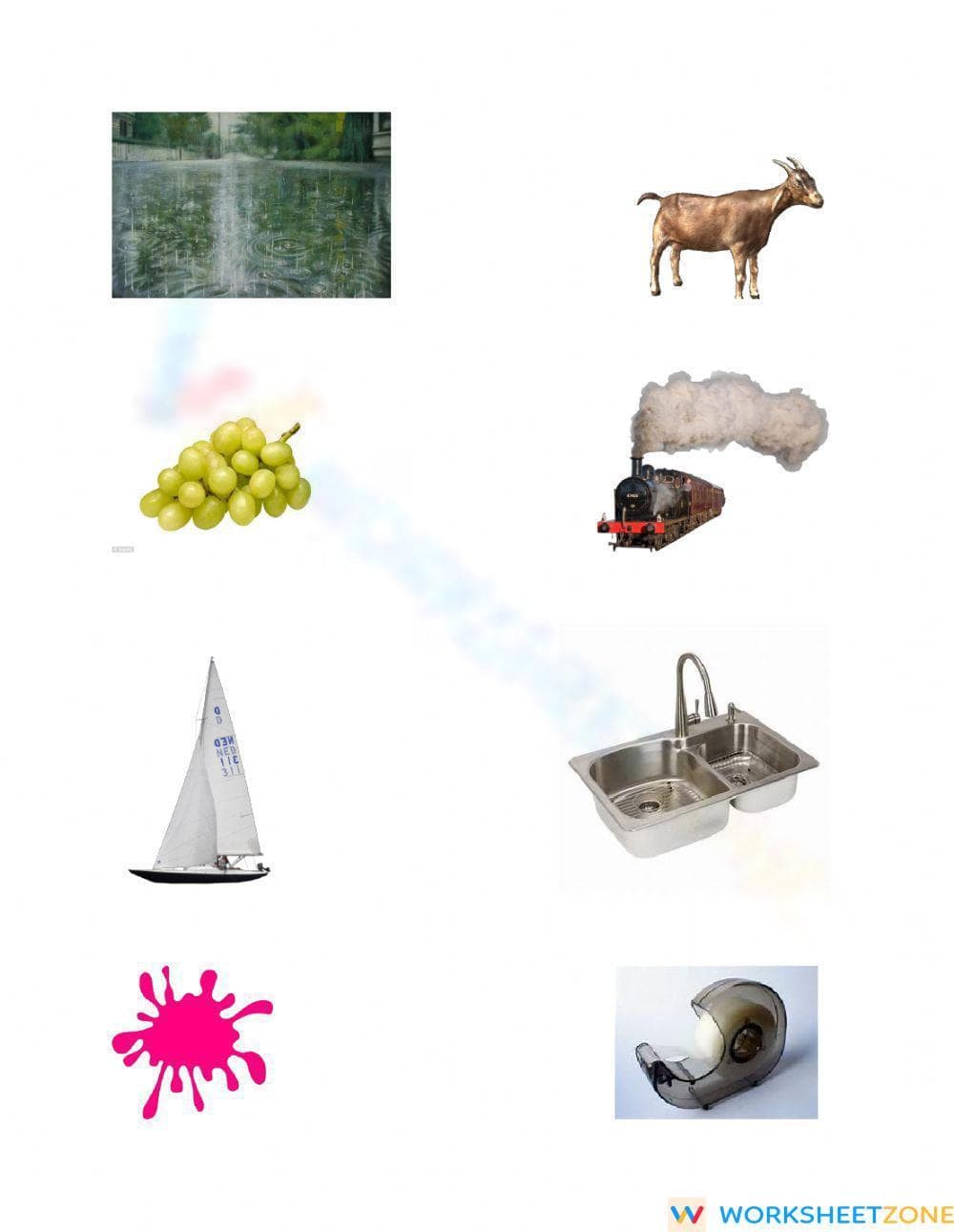


Essential Rhyming Words Worksheet | Grades 1-4 Printable
Paste this activity's link or code into your existing LMS (Google Classroom, Canvas, Teams, Schoology, Moodle, etc.).
Students can open and work on the activity right away, with no student login required.
You'll still be able to track student progress and results from your teacher account.
This Essential Rhyming Words (Pictures) worksheet offers a highly engaging, visual approach to mastering phonological awareness for early elementary students. By matching high-frequency objects based on their ending sounds, students strengthen foundational auditory discrimination skills crucial for reading fluency and spelling success. This resource effectively helps students identify and produce rhymes in a structured, independent format.
At a Glance
- Grade: 1–4 · Subject: ELA
- Standard:
CCSS.ELA-LITERACY.RF.1.2— Demonstrate understanding of spoken words, syllables, and sounds (phonemes)- Skill Focus: Phonological Awareness & Rhyming
- Format: 3 pages · 12 problems · Answer key included · PDF
- Best For: Literacy centers and morning work
- Time: 10–15 minutes
What's Inside
This comprehensive 3-page PDF includes 12 unique rhyming pairs spread across three distinct practice sheets. Each page features clear, recognizable photographs and illustrations, such as a dragon matching a wagon and a cook matching a book. The layout employs a traditional match-by-line format that develops fine motor skills alongside linguistic ability. A full answer key is provided for quick grading or student self-correction.
Zero-Prep Workflow
This resource is designed for immediate classroom implementation with a total teacher prep time under 2 minutes. Simply print the three pages (60 seconds), distribute to students during your literacy block or as a transition activity (30 seconds), then review answers as a whole group for immediate feedback on auditory patterns (30 seconds). It's also ideal for emergency sub plans or quiet independent practice.
Standards Alignment
The primary alignment is `CCSS.ELA-LITERACY.RF.1.2`, requiring students to understand spoken words, syllables, and sounds. This worksheet specifically targets the ability to isolate and match rimes in single-syllable words. It also supports `CCSS.ELA-LITERACY.RF.K.2.A` for kindergarten intervention or early first-grade review. Both standard codes can be directly copied into lesson plans, IEP goals, or curriculum mapping tools.
How to Use It
Integrate this worksheet during the "independent practice" phase of a phonemic awareness lesson. For formative assessment, observe students who vocalize words while drawing lines; this indicates they are using auditory-visual connections to verify choices. Expect completion in 12 minutes for the full set, making it an ideal bridge between direct instruction and small-group rotations.
Who It's For
Tailored for first and second-grade students, this resource also benefits third or fourth-grade learners needing targeted phonological awareness intervention. It pairs well with rhyming picture books or anchor charts of common word families. Its visual nature makes it highly accessible for English Language Learners (ELLs) building basic English vocabulary alongside reading foundations.
Identifying rhyming patterns is a critical milestone and a primary predictor of later reading achievement. This worksheet uses the evidence-based practice of picture-sorting and matching to reduce decoding cognitive load, focusing exclusively on phonemic discrimination. Consistent with research on gradual release of responsibility (Fisher & Frey, 2014), structured visual scaffolds like these help students internalize phonetic patterns before complex text. Aligned to CCSS.ELA-LITERACY.RF.1.2, this resource provides 12 specific instances for practicing recognition of spoken rhymes. By isolating the auditory component through recognizable imagery, it facilitates the transition from oral language to written literacy. This approach aligns with NAEP findings that early mastery of sound-symbol relationships significantly impacts long-term comprehension. It's an essential component for any primary literacy toolkit focused on foundational mastery.


