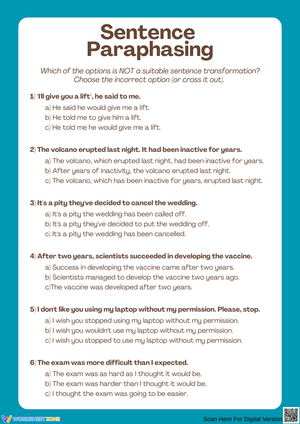
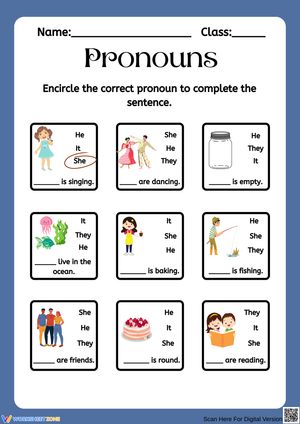
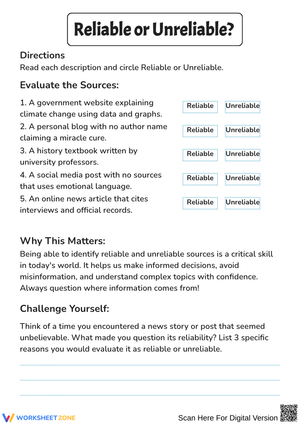
These multiple choice pdf worksheets give teachers a format that holds across every phase of a lesson cycle — opening review, formative check, end-of-unit assessment — without the layout failures that come when a Word document opens on the classroom computer and every answer column has shifted. PDF locks structure in place across devices and printers, so the copy printed in room 7 and the copy shared for remote work are identical. That consistency is not cosmetic; it is what makes the data from these worksheets worth acting on.
What's Inside the Set
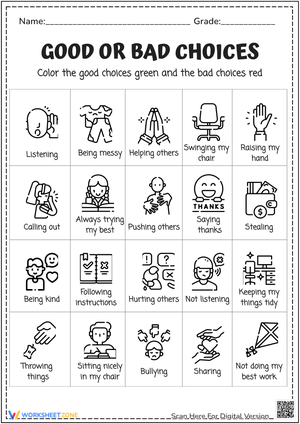
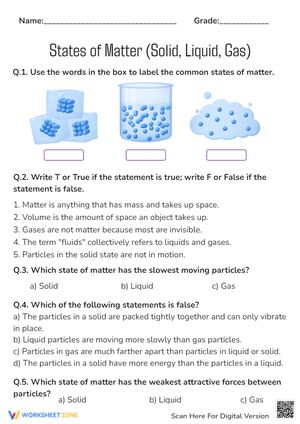
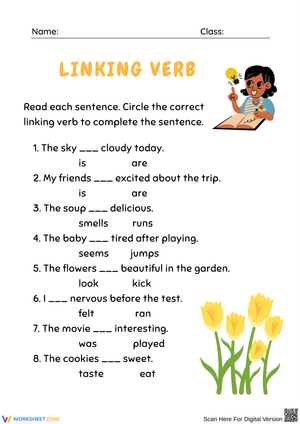
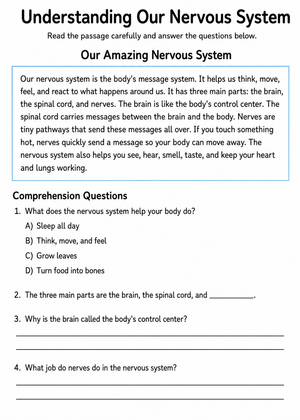
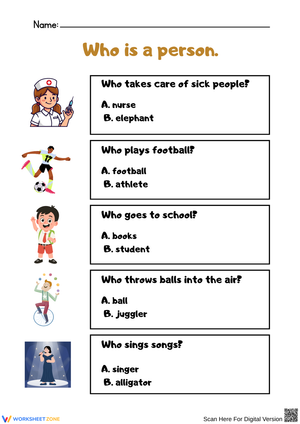
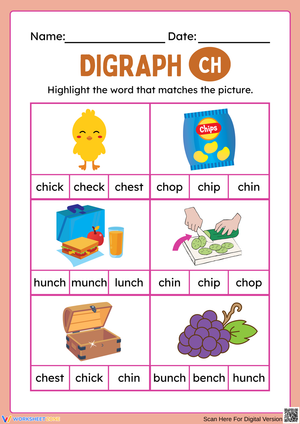
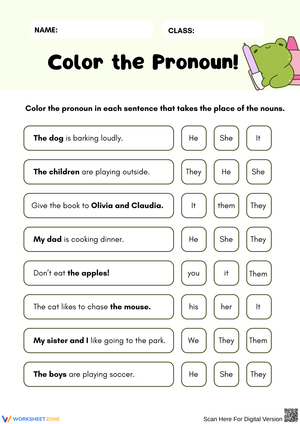
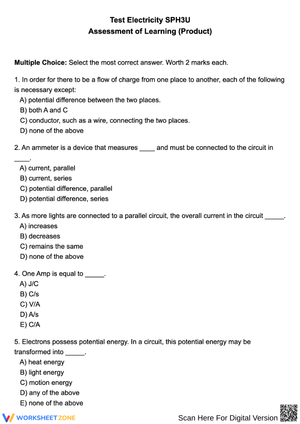
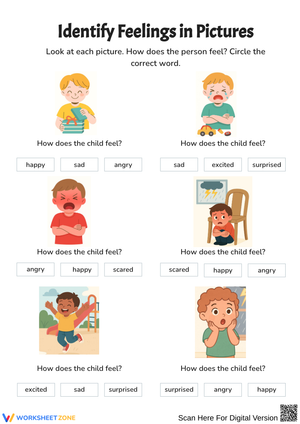
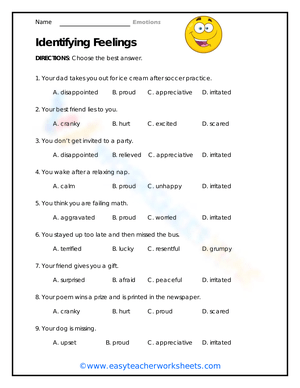
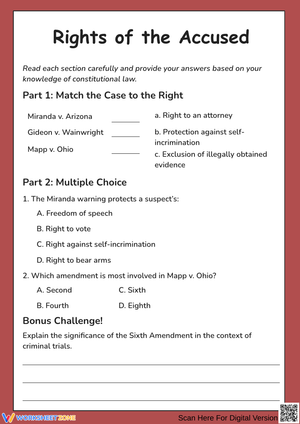
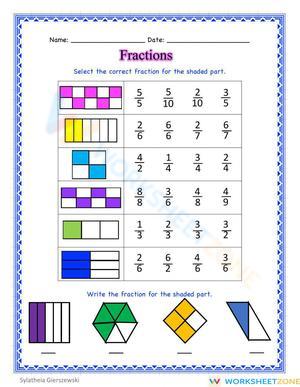
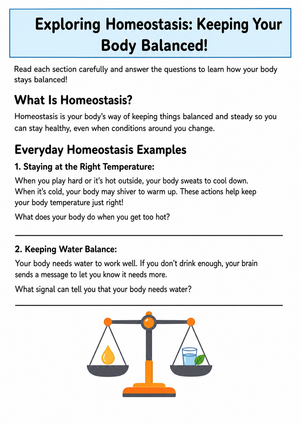
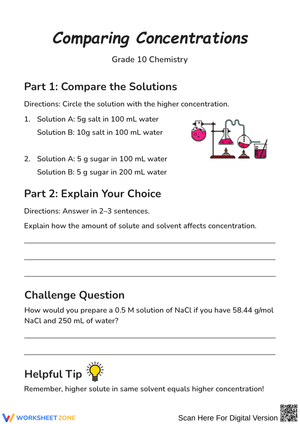
The worksheets span core K–12 content areas: vocabulary and reading comprehension, grammar and mechanics, foundational through applied math, and key concepts in earth, life, and physical science alongside U.S. history and civics. Each worksheet is organized around a single unit objective rather than a broad subject sweep, so a teacher pulling a resource on the rock cycle gets questions focused on that concept — not a grab-bag of loosely related earth science topics that muddies the data. Questions move across cognitive levels within most worksheets: some items test identification and recall, others require students to apply a rule to a new scenario, interpret a short data set, or distinguish between two concepts that are commonly conflated. Most worksheets present four answer choices per item; a subset built for grades K–2 uses three options to reduce the guessing noise that appears before students have developed reliable elimination strategies.
How Distractor Design Creates Diagnostic Value
The wrong answers in a well-built multiple choice item carry as much instructional information as the right one. Every distractor in this set represents a documentable misconception rather than a placeholder no student would seriously consider. A student who marks "condensation" on an evaporation question isn't guessing at random — that error signals a specific gap in how they understand phase change and points toward different reteaching than a student who marks "precipitation." When you tally wrong-answer patterns across a class, you see immediately whether twenty students share the same error or whether confusion is scattered, which is the difference between a whole-class reteach and a small-group pull.
These multiple choice pdf worksheets make that pattern visible because the distractors correspond to real, recurring student errors rather than arbitrary incorrect options. Run the same item as a pre-assessment and a post-assessment and you can track whether students are migrating away from the predictable wrong answer or simply choosing differently without understanding more.
The Errors That Show Up Most Often — and What They Signal
The most common mistake across grades isn't a content error — it's a stem-reading error. Students who rush or who are anxious about timed assessments fix on a key word in the question and answer the question they imagine rather than the one printed. A stem that reads "Which of the following is not an example of a renewable resource?" gets answered as though the word "not" were absent by a measurable percentage of students at every grade level, including high school. The fix isn't rewriting the item; it's teaching students to circle qualifier words — "not," "except," "most likely," "best describes" — before reading the options. Worksheets that use these stems are serving their purpose; students who fall into the trap reveal a reading habit that will cost them on standardized tests later.
A second recurring pattern: students who are uncertain often select the longest answer option, working from an informal theory that test-writers pack extra qualifications into the correct choice. Students who rely on format cues rather than content knowledge produce scores that don't accurately reflect what they know. A brief post-worksheet discussion that names this strategy — and explains why it fails on well-constructed items — is a high-return use of five minutes.
Building These Worksheets Into Your Week
When multiple choice pdf worksheets anchor the first eight minutes of class — handed to students at the door before the bell — they solve the transition problem and generate usable data before any new content has been introduced. Five questions reviewing the previous day's lesson tell you whether the group is ready to move forward or whether you need to loop back. The entry-ticket structure also signals that class begins the moment students sit down, not when the teacher calls for quiet.
Exit tickets in the final ten minutes run the same logic in reverse: teach, then check whether the teaching landed. Collect the worksheets at the door and spend four minutes sorting them into three piles — clear, partial, not yet. That sort shapes tomorrow's opening. For teachers who pair worksheets with a bubble sheet and a free OMR scanning app, a class set of 28 papers takes under three minutes to process. When grading a quick check takes three minutes instead of forty, it becomes something you run every other day rather than once before the unit exam.
Adjusting Format and Difficulty for the Range of Learners in Your Room
The most direct modification for students still building reading fluency is dropping from four answer choices to three. Research on item design consistently shows that a fourth distractor adds relatively little diagnostic value for younger students while substantially raising the demand of processing options — which means a four-choice worksheet starts measuring reading endurance as much as content knowledge. For students who need additional challenge, the same worksheet becomes a more rigorous task when you require them to write one sentence explaining why each incorrect option is wrong, not just which one is right. That adjustment requires no reprinting and turns a ten-minute exercise into a twenty-minute analytical task.
One addition that pays off across ability levels is a confidence rating beside each item — a simple 1–2–3 scale asking students to mark how certain they are. Reviewing confidence ratings alongside answers surfaces something a score alone cannot: the student who marked "3 — very sure" and chose the wrong answer has committed to a misconception rather than stumbled into a gap. Identifying those students first is a more efficient use of limited feedback time than working through papers in order.
Frequently Asked Questions
What is the fastest way to grade a full class set?
Pair the worksheet with a separate bubble sheet and process it with a free OMR app on a smartphone or tablet — most handle a full class set in under three minutes. For manual grading, cut a slot in a blank sheet at each correct answer position and use it as an overlay. Running the overlay down the page takes roughly 20 seconds per paper, which is considerably faster than referencing a written key line by line.
How many answer choices work best at different grade levels?
Four options is the standard for grade 3 and up: enough variety to reduce the reliability of random guessing without overwhelming students with the task of sorting. For grades K–2, three options keeps attention on content rather than the mechanics of elimination. When students encounter a four-choice format for the first time, name the shift explicitly — students who aren't told sometimes interpret the additional option as a sign the question itself is harder rather than just different in structure.
Can multiple choice items test higher-order thinking, or only recall?
Higher-order items are entirely achievable in this format when the question is built for it. A well-constructed item might present a short paragraph and ask which revision strengthens the argument, show a graph and ask what the data cannot support, or describe a scenario and ask which scientific principle best explains the outcome. The ceiling is in the question design, not the format itself.
Are these worksheets appropriate for both formative and summative purposes?
Yes. Short five-question versions work well as daily formatives — low stakes, fast feedback, easy to act on before the next class period. Longer versions function as unit assessments. These multiple choice pdf worksheets are drawn from item pools that support pre-assessment and post-assessment on the same content, giving you a direct measure of growth rather than a comparison complicated by unfamiliar question formats.












 Interactive Worksheet Maker
 Quiz Maker
 Word Search Maker
 Crossword Puzzle Maker
 Word Scramble Generator
 Sentence Scramble Generator
 Handwriting Worksheet Generator
 Name Tracing Generator
 Fill In The Blank Generator