


























Views
Downloads

Grade 1-3 ELA Homework Pack | Essential Printable Skills
Paste this activity's link or code into your existing LMS (Google Classroom, Canvas, Teams, Schoology, Moodle, etc.).
Students can open and work on the activity right away, with no student login required.
You'll still be able to track student progress and results from your teacher account.
Strengthen foundational literacy skills with this comprehensive four-page English Language Arts homework packet designed for students in elementary grades. This resource targets essential reading comprehension, phonics, and creative writing skills through structured practice that transitions from literal understanding to independent application. By engaging with these diverse tasks, learners build the stamina and accuracy needed for academic success.
At a Glance
- Grade: 1-3 · Subject: ELA
- Standard:
CCSS.ELA-LITERACY.RI.2.9— Compare and contrast the most important points presented by two related topics.- Skill Focus: Multi-skill literacy review
- Format: 4 pages · 23 problems · Answer key included · PDF
- Best For: Daily homework or weekend review packets
- Time: 15–20 minutes per page
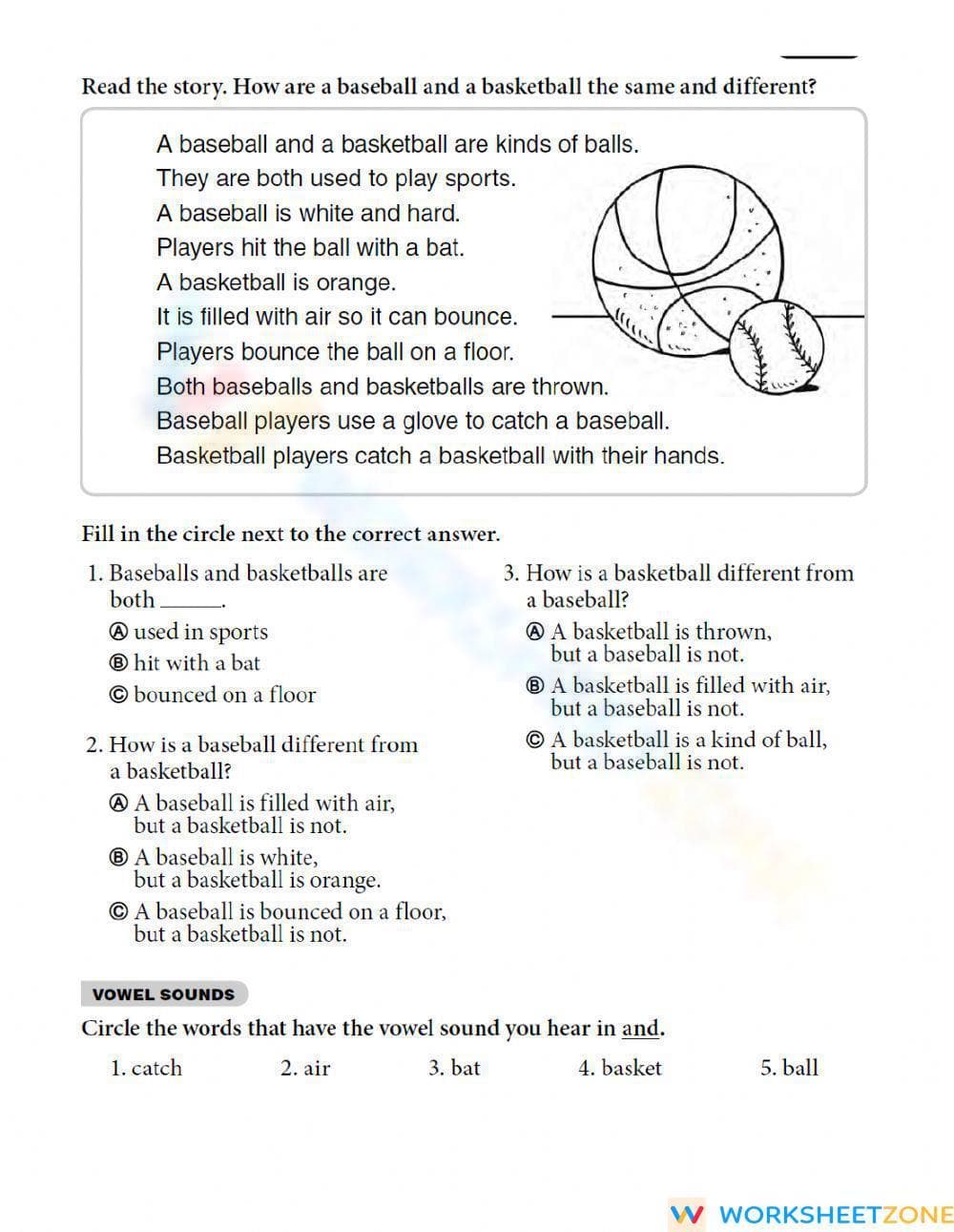
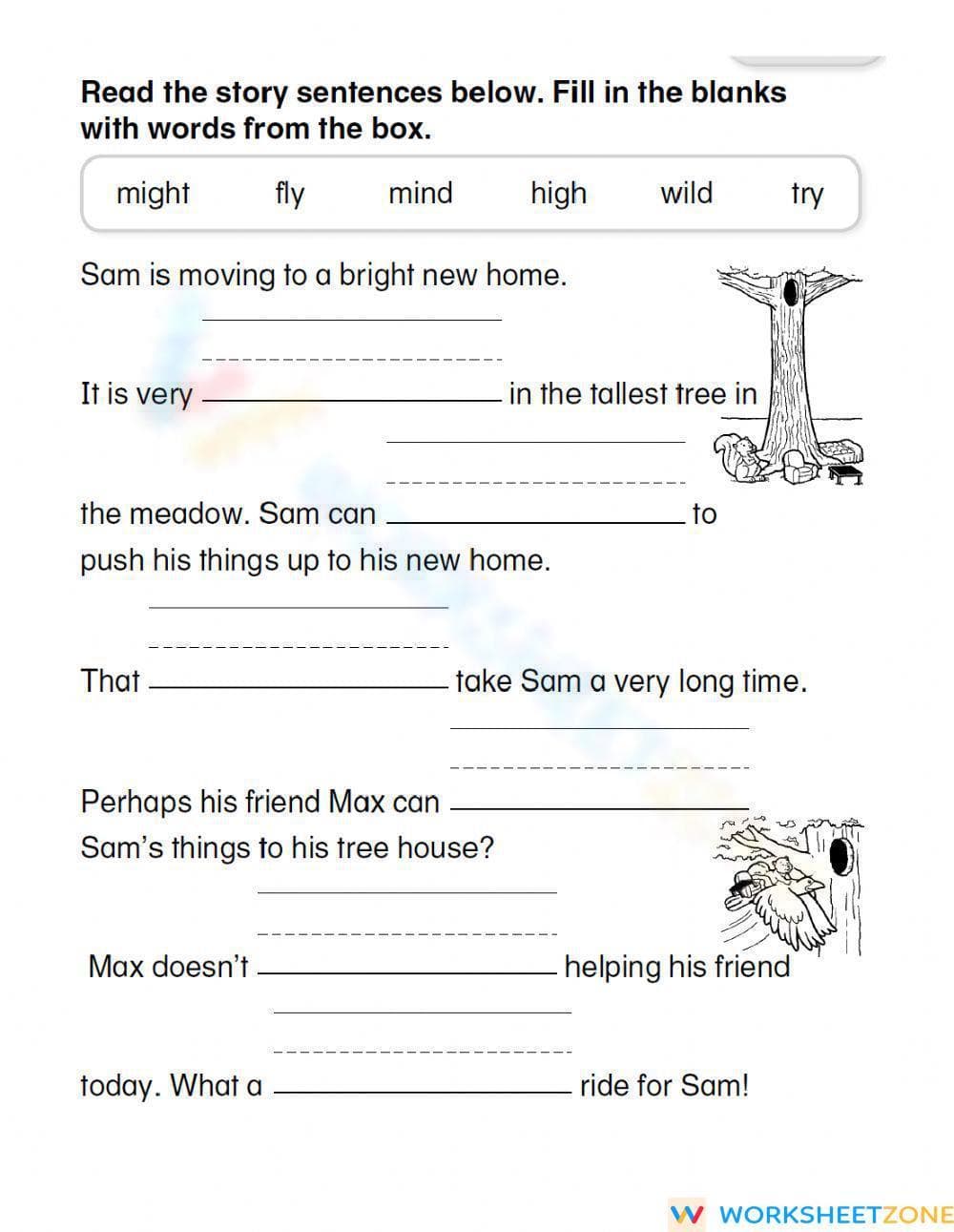
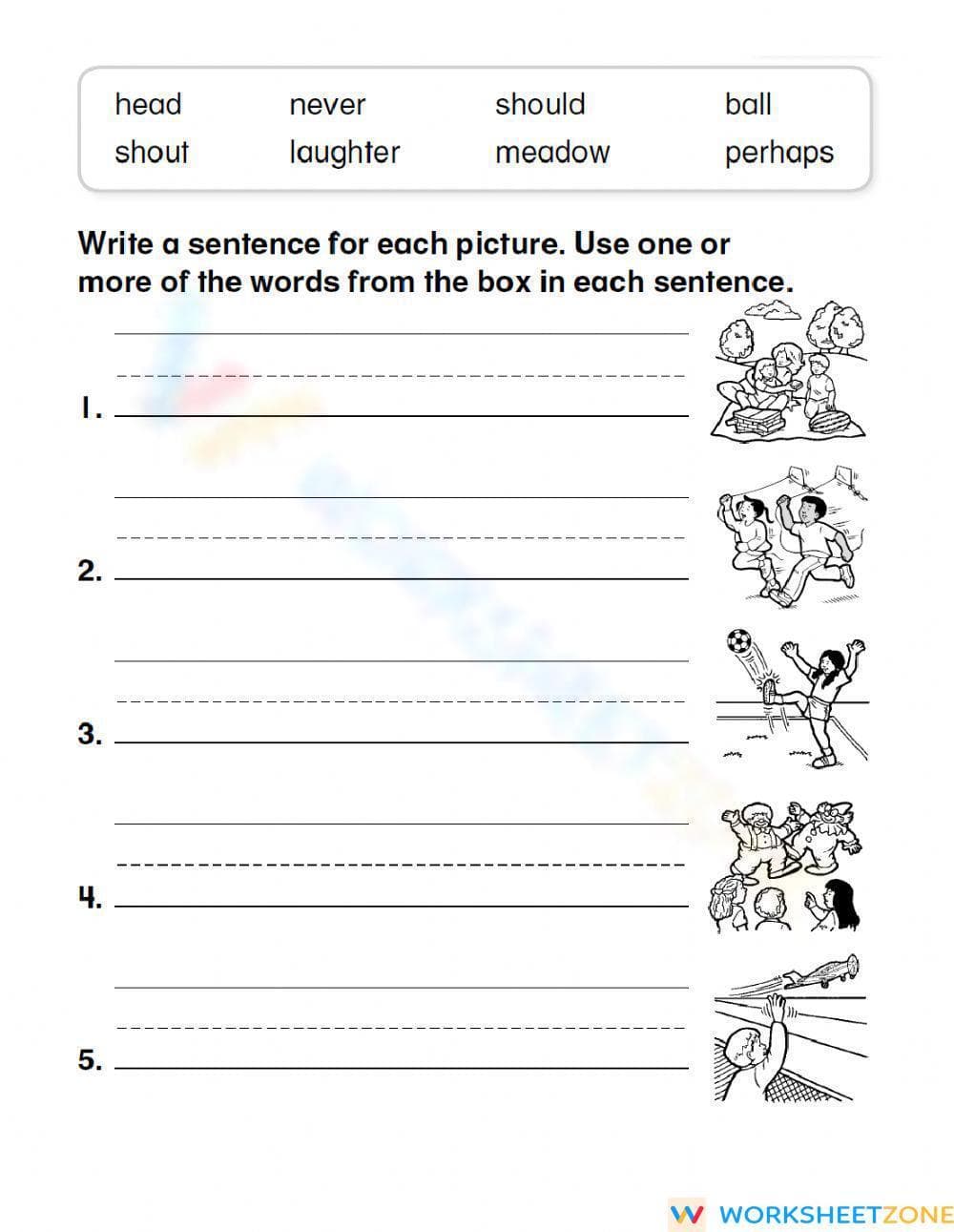
This multi-page packet contains a rich variety of instructional materials, including informational reading passages, cloze-style story completions, and visual writing prompts. Across four distinct pages, students will encounter multiple-choice comprehension questions, phonics-based vowel sound identification, and sentence construction tasks. The clear layout and integrated word banks provide the necessary support for students to work through the material with minimal teacher intervention.
Skill Progression
- Guided Practice: The packet begins with 8 literal comprehension and phonics tasks, utilizing short comparative texts and clear word circles to build initial confidence in identifying key details.
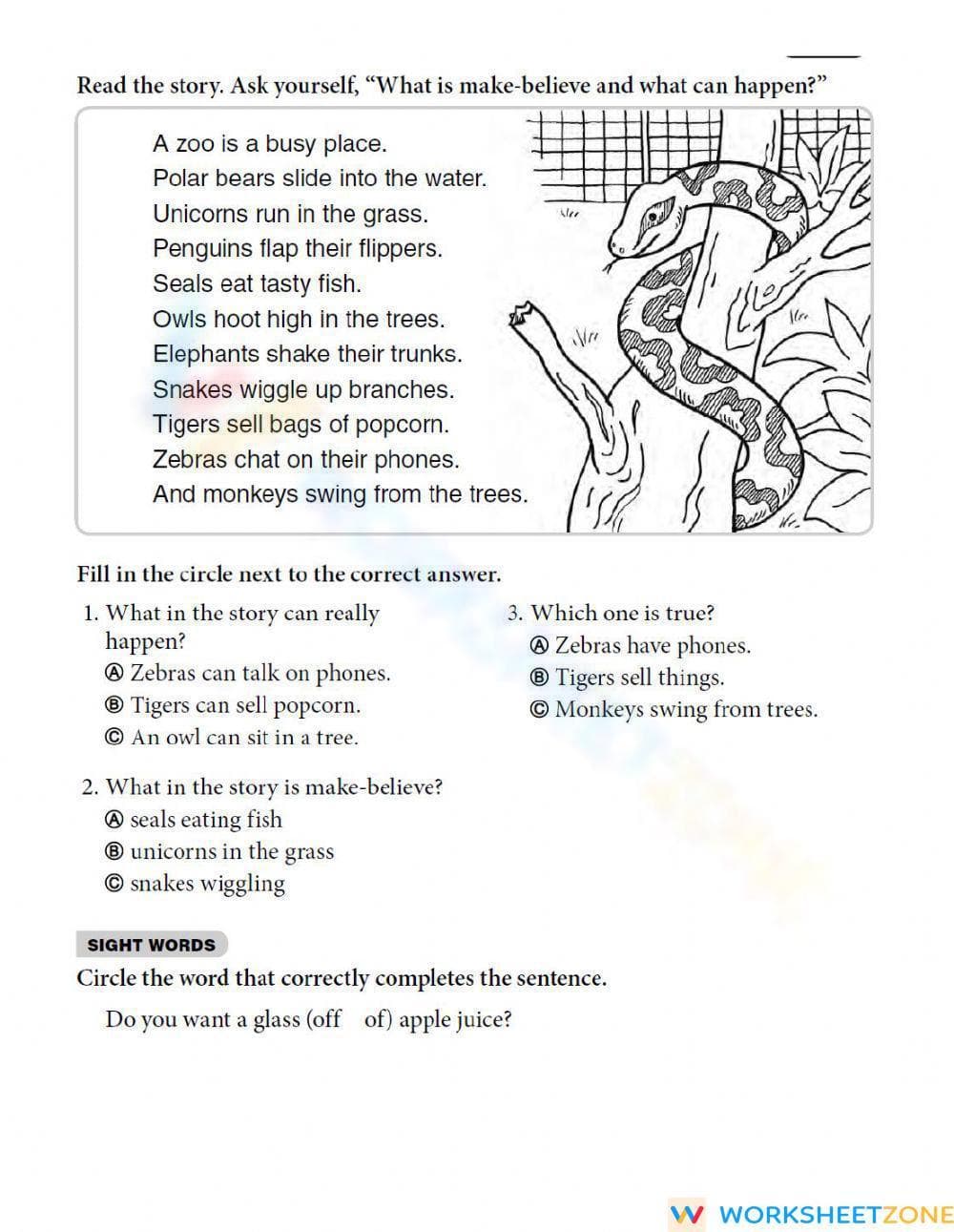
- Supported Practice: Students transition to a 6-blank cloze story and make-believe vs. reality analysis, using provided word banks and scaffolded prompts to apply vocabulary in context.
- Independent Practice: The final 5-task sequence requires students to synthesize their learning by writing original sentences based on visual cues, moving beyond simple identification to full creative expression.
This sequence follows a gradual-release model, ensuring that students are prepared for the higher-order thinking demands of the concluding writing assessments.
Standards Alignment
This resource is primarily aligned with CCSS.ELA-LITERACY.RI.2.9, which focuses on comparing and contrasting key details in informational texts. It also supports foundational writing and phonics standards by requiring students to produce complete sentences and recognize vowel patterns. Both standard codes can be copied directly into lesson plans, IEP goals, or district curriculum mapping tools.
How to Use It
For optimal results, assign this packet as a cumulative weekly homework assignment after direct instruction in reading strategies and phonics has occurred. Teachers can also use individual pages as formative assessments; for example, observing how students distinguish between make-believe and reality on page three can provide immediate insights into their logical reasoning skills. Most students will complete one page in approximately 15 to 20 minutes.
Who It's For
This packet is ideal for general education students in first through third grade, as well as English Language Learners who benefit from visual aids and word banks. It pairs naturally with short reading passages or anchor charts focusing on compare and contrast signal words like "both" and "different."
Mastery of informational text comparison, defined by CCSS.ELA-LITERACY.RI.2.9, is crucial for developing analytical reasoning skills needed for upper-elementary success. This packet facilitates that transition with 23 tasks focusing on comparative logic, phonological awareness, and syntactic construction. Research emphasizes that varied task types, like the cloze passages and visual prompts included here, reduce cognitive load and enhance understanding of semantic relationships. By integrating these strategies, this resource helps Grade 1-3 learners build resilient literacy habits for complex academic content.


