




























Views
Downloads
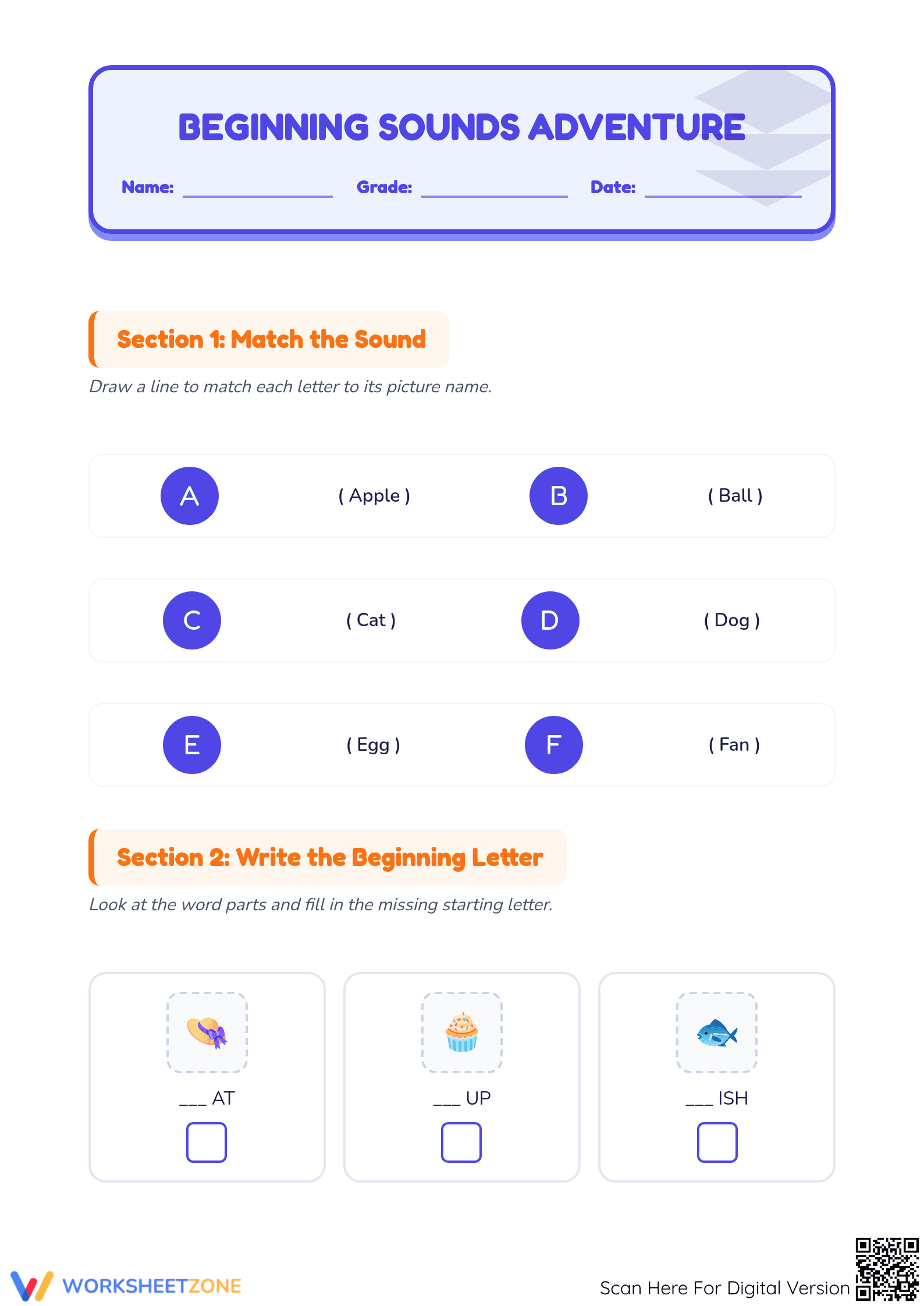
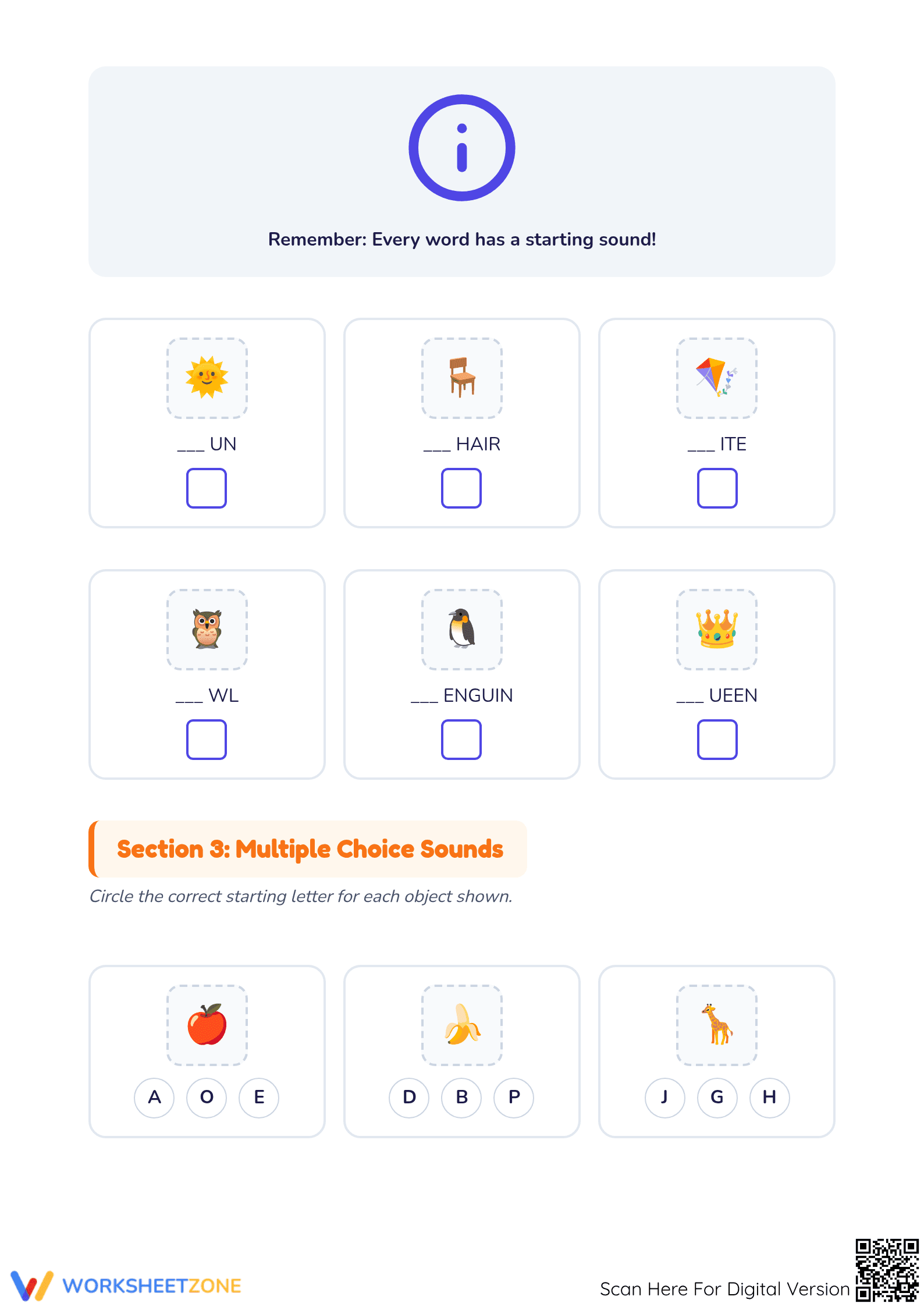
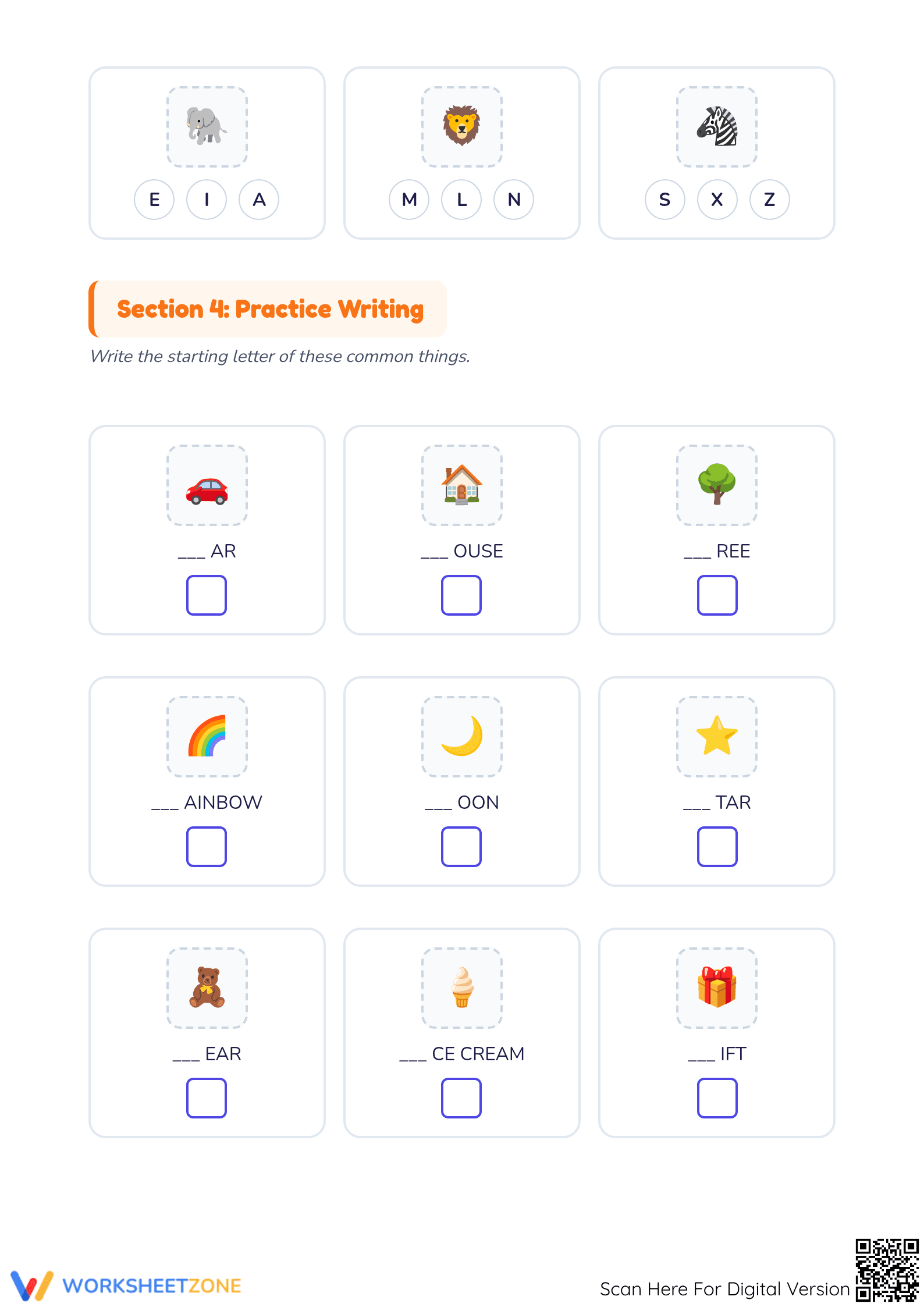

Printable Descending Order Worksheet | Grade 1 Math

Paste this activity's link or code into your existing LMS (Google Classroom, Canvas, Teams, Schoology, Moodle, etc.).
Students can open and work on the activity right away, with no student login required.
You'll still be able to track student progress and results from your teacher account.
Mastering the ability to order numbers from greatest to least is a vital step in developing early mathematical fluency and a strong sense of relative value. This printable math worksheet provides students with consistent practice in identifying and arranging numbers in descending order. By completing these tasks, learners strengthen their place value comprehension and foundational sequencing skills.
At a Glance
- Grade: 1 · Subject: Math
- Standard:
1.NBT.B.3— Compare two-digit numbers to arrange them from greatest to least in a sequence.- Skill Focus: Descending order / number sequencing
- Format: 3 pages · 36 problems · Answer key included · PDF
- Best For: Independent math centers or morning work
- Time: 15–20 minutes
What's Inside
This resource features three pages of focused practice for Grade 1 students. Each page contains 12 unique sets of numbers, totaling 36 distinct challenges that require students to compare values and write descending sequences. The layout uses large, legible fonts to accommodate developing handwriting. A complete answer key is included for rapid grading and immediate student feedback.
Zero-Prep Workflow
This resource is designed for maximum efficiency in busy classrooms. Teachers can print copies in seconds, distribute them to students in under a minute, and review work using the provided answer key in less than 60 seconds. This streamlined process ensures that instructional time is protected. It is an ideal solution for emergency sub plans or quick bell-ringer activities during a busy school day.
Standards Alignment
Aligned to 1.NBT.B.3, this worksheet requires students to compare numbers to establish a descending sequence. These activities build the comparative logic essential for mastering place value and numerical relationships. This standard code can be copied directly into lesson plans, IEP goals, or district curriculum mapping tools to ensure instructional consistency and compliance with state frameworks.
How to Use It
Assign these pages for independent practice following a direct instruction lesson on number comparisons. For a quick formative assessment, observe if students consistently identify the greatest number first or if they struggle with numbers within the same decade. This identifies specific gaps in place-value understanding. The worksheet can also serve as a quiet transition activity or homework. Expected completion time ranges from 15 to 20 minutes.
Who It's For
Tailored for Kindergarten and Grade 1 students building initial number sense. It is highly effective for intervention groups or special education settings requiring repetitive, structured practice with sequencing concepts. This resource pairs naturally with a number line anchor chart or a "Greatest to Least" lesson. The clear formatting supports diverse learners as they master the logic of numerical sequencing.
According to the ScienceDirect TpT Analysis (2024), structured number sequencing practice is a foundational component of early numerical literacy, directly impacting a student's ability to perform mental arithmetic. This worksheet focuses on the 1.NBT.B.3 standard, which requires students to compare the relative values of numbers to establish a descending sequence. Mastery of "greatest to least" logic serves as a critical bridge between simple counting and complex multi-digit operations. By providing 36 sets of varying complexity, this resource ensures that students move beyond rote memorization into conceptual number sense. Research indicates that frequent, low-stakes practice with number ordering helps solidify the mental number line, a key predictor of later math success. Educators can use these printable pages to identify gaps in place-value understanding or as a quick check for mastery during a numbers and operations unit. This resource is an essential tool for Grade 1 math instruction.


