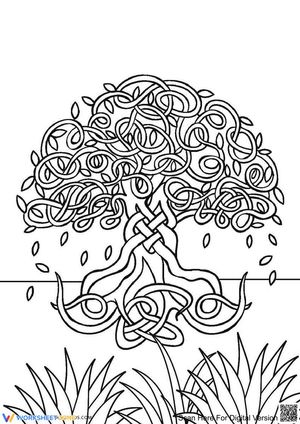
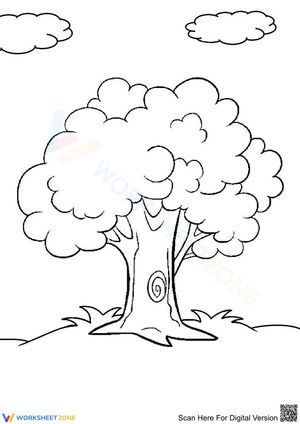
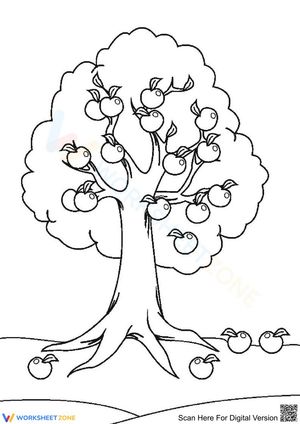
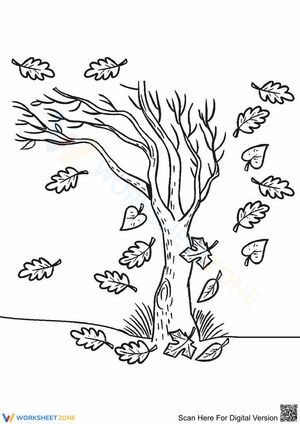
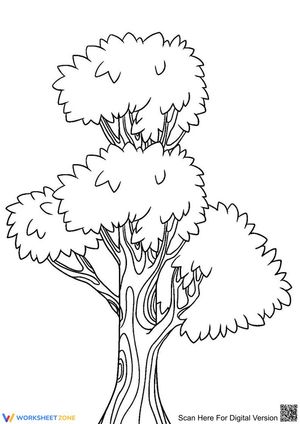
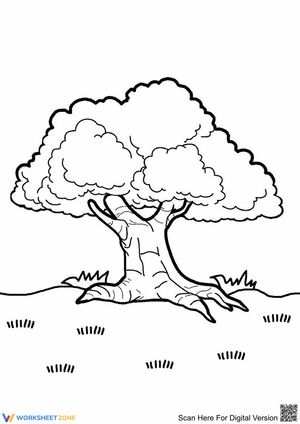
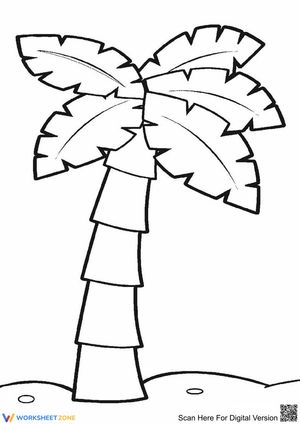
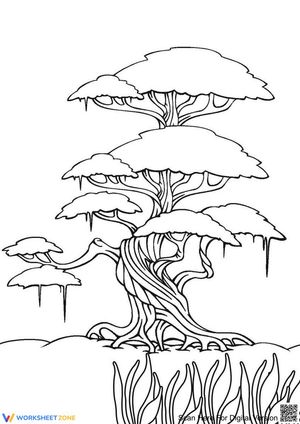
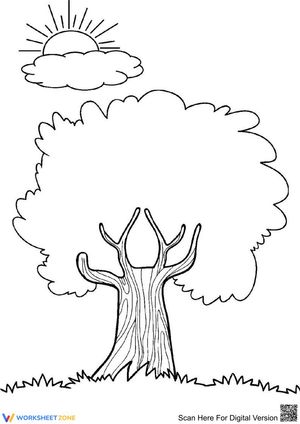
I remember the afternoon I first handed out tree coloring pages to a group of second graders who had been restless all morning. I expected the usual shuffling and sighs, but instead the room went quiet almost instantly. One student looked up at the oak illustration and whispered, "I have one of those in my backyard." That single moment of connection between the page and the real world is exactly why tree coloring pages belong in every classroom and home learning space. They meet children where they are, sparking natural curiosity without the pressure of a formal lesson.
What makes these printable resources so valuable is the quiet, focused work they invite. When a child sits down with a worksheet and begins choosing which shade of brown to use for a bark texture or which green feels right for a canopy of leaves, that child is making real decisions. Those decisions build fine motor control, color awareness, and a sense of ownership over their learning. For students who struggle to stay engaged through standard instruction, art-based activities like these offer an entry point that feels approachable. Teachers who want to deepen the connection between art and emotional growth may also find it helpful to explore art therapy activities for kids, which offer additional strategies for using creative work as a genuine learning tool.
From a curriculum standpoint, tree coloring pages are a natural fit for science and environmental education. A teacher can introduce a simple printable of a deciduous tree in autumn and use it to launch a conversation about seasons, photosynthesis, or the role of forests in producing clean air. The visual act of coloring reinforces the vocabulary students hear in class, making abstract science concepts stick in a way that note-taking alone rarely achieves. At Worksheetzone, the collection includes a range of designs from bare winter silhouettes to full summer canopies, giving educators the flexibility to match the right image to the right lesson at any point in the school year.
Parents using these materials at home find them equally adaptable. A weekend afternoon coloring a redwood or a cherry blossom tree can become an informal geography lesson, a conversation about why certain trees grow in certain climates, or simply a peaceful break from screens. The PDF format means parents can print as many copies as needed, which is especially useful when younger siblings want to join in. To keep the nature theme going across multiple sessions, pairing tree printables with mushroom coloring pages creates a broader exploration of the natural world that children find genuinely engaging and easy to return to again and again.
The best part of incorporating tree coloring pages into a regular routine is how naturally they scale with a child's development. A kindergartener might use a simple outline of a single tree trunk and add bold, generous strokes of color. A fifth grader might approach the same type of worksheet with careful shading and attention to botanical detail. Both students benefit, both students succeed, and both leave the activity with a slightly stronger appreciation for the living world around them. That is the kind of quiet, consistent growth that Worksheetzone aims to support through every printable, worksheet, and classroom resource we offer to teachers, parents, and students alike.
Frequently Asked Questions
Question 1: What age groups benefit most from tree coloring pages?
Tree coloring pages work well for children from preschool through early middle school. Younger students develop fine motor skills and color recognition, while older students can use more detailed designs to explore botanical concepts, seasons, and ecology as part of a science or art lesson plan.
Question 2: How can teachers use tree coloring pages in a classroom setting?
Teachers can use tree coloring pages as a warm-up activity, a transition between lessons, or a supplement to a nature science unit. Pairing the printable with a short discussion about tree types, seasons, or ecosystems turns a simple coloring exercise into a cross-curricular learning opportunity that keeps students focused and engaged.
Question 3: Are tree coloring pages suitable for homeschool lesson plans?
Yes, tree coloring pages are an excellent fit for homeschool environments. Parents can integrate them into science, art, or geography lessons. The PDF format allows families to print multiple copies, adjust difficulty by choosing simpler or more detailed designs, and revisit the activity across different seasons or units of study.
Question 4: What skills do students build when working with tree coloring pages?
Students working with tree coloring pages build fine motor control, hand-eye coordination, color awareness, and concentration. Beyond physical skills, these printables encourage observation, creativity, and early science thinking as children notice details in tree shapes, bark patterns, and leaf structures while completing their worksheet.












 Interactive Worksheet Maker
 Quiz Maker
 Word Search Maker
 Crossword Puzzle Maker
 Word Scramble Generator
 Sentence Scramble Generator
 Handwriting Worksheet Generator
 Name Tracing Generator
 Fill In The Blank Generator