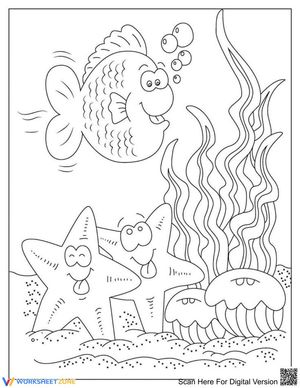
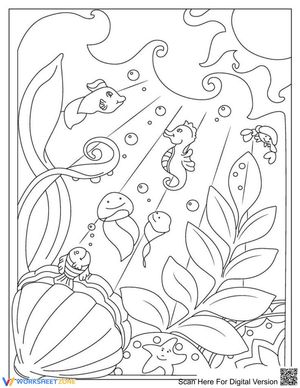
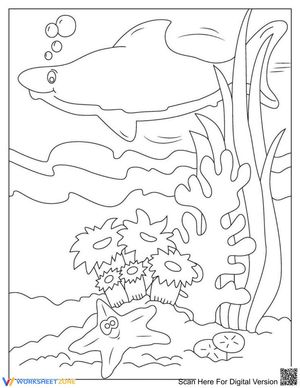
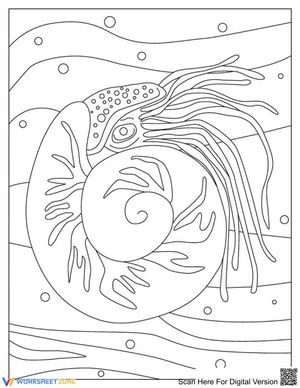
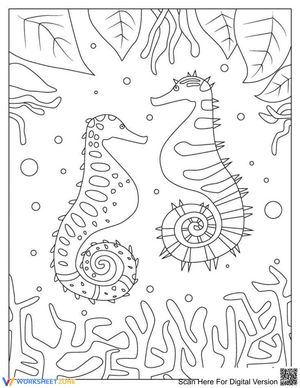
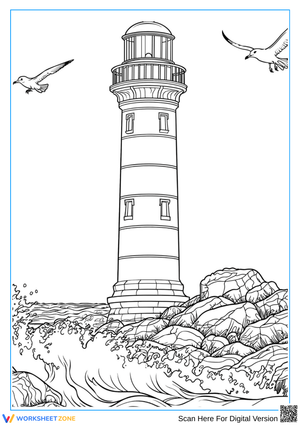
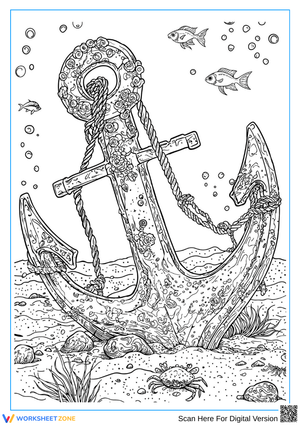
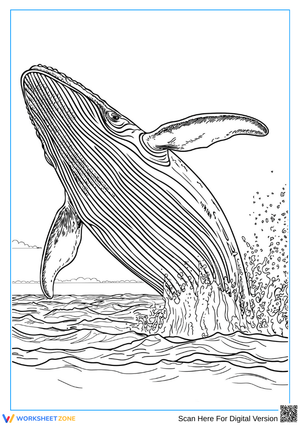
Teachers and parents already know how limited planning time can be, and ocean coloring pages from Worksheetzone deliver a print-ready solution that requires zero setup. Each worksheet is formatted to print cleanly on standard paper, letting you add a structured marine biology activity to any lesson without extra materials or lengthy instructions. The straightforward format works whether you are covering a full ocean science unit or simply need a focused activity for a single class period.
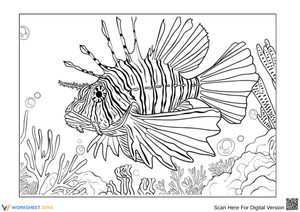
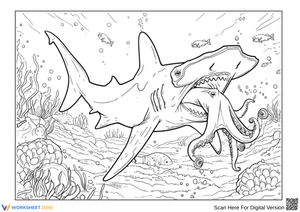
Students can work through these ocean coloring pages independently, following the clear layouts to identify and color species like dolphins, sharks, sea turtles, and coral reef fish. The intuitive design removes barriers so learners stay focused on the content rather than the task format, making these worksheets equally effective in group settings and individual study sessions at home. For parents supporting home learning, the printable PDF format means you can distribute a fresh copy whenever it is needed without searching for new resources.
Every page in this printable collection is optimized for ink-efficient black-and-white printing, which means your supply goes further without sacrificing quality. Whether you use these worksheets as part of a structured lesson plan or as a quiet independent activity, teachers can trust that every student receives the same crisp and readable diagram. The consistent quality across all pages makes it easy to build a complete marine science unit from a single reliable source.
For early childhood classrooms, pairing these worksheets with hands-on projects helps students make lasting connections between what they color and what they observe. Teachers looking for complementary ideas can explore ocean activities for preschool to extend learning beyond the coloring page. When you want to broaden the habitat focus, beach coloring pages offer a natural next step that covers tide pools and shoreline environments for a more complete coastal science unit.
Worksheetzone keeps your marine science unit practical and ready to go at any time. Whether you teach kindergarten or upper elementary, ocean coloring pages give students, teachers, and parents a dependable PDF resource that builds observation skills, supports lesson plans, and encourages curiosity about the natural world every time class begins.
Frequently Asked Questions
Question 1: What age group are these ocean coloring pages designed for?
These ocean coloring pages work well for students in preschool through upper elementary, roughly ages 3 to 12. The clean layouts and recognizable marine life illustrations make them accessible for young learners while still providing enough scientific detail to support older students in a classroom or home learning environment.
Question 2: Can teachers use these worksheets as part of a science lesson plan?
Yes, these printable worksheets are designed to complement marine biology and earth science lesson plans. Teachers can pair ocean coloring pages with reading passages, vocabulary lists, or hands-on observation activities to reinforce key concepts about marine ecosystems, species identification, and ocean habitats in a structured and engaging way.
Question 3: Are the files easy to print and distribute in a classroom?
Every worksheet in the Worksheetzone ocean coloring pages collection is formatted for standard letter-size paper and optimized for black-and-white printing. This keeps ink costs low and ensures that every student receives a clean, readable copy. Teachers can print a class set in minutes with no additional formatting or preparation required.
Question 4: How do ocean coloring pages support student learning beyond basic coloring?
Coloring scientifically accurate illustrations helps students develop observation skills, attention to detail, and an understanding of marine species. As students color and label ocean coloring pages, they build visual memory for different sea creatures and habitats, which supports comprehension in science lessons and strengthens the connection between classroom content and the natural world.












 Interactive Worksheet Maker
 Quiz Maker
 Word Search Maker
 Crossword Puzzle Maker
 Word Scramble Generator
 Sentence Scramble Generator
 Handwriting Worksheet Generator
 Name Tracing Generator
 Fill In The Blank Generator