


























Views
Downloads
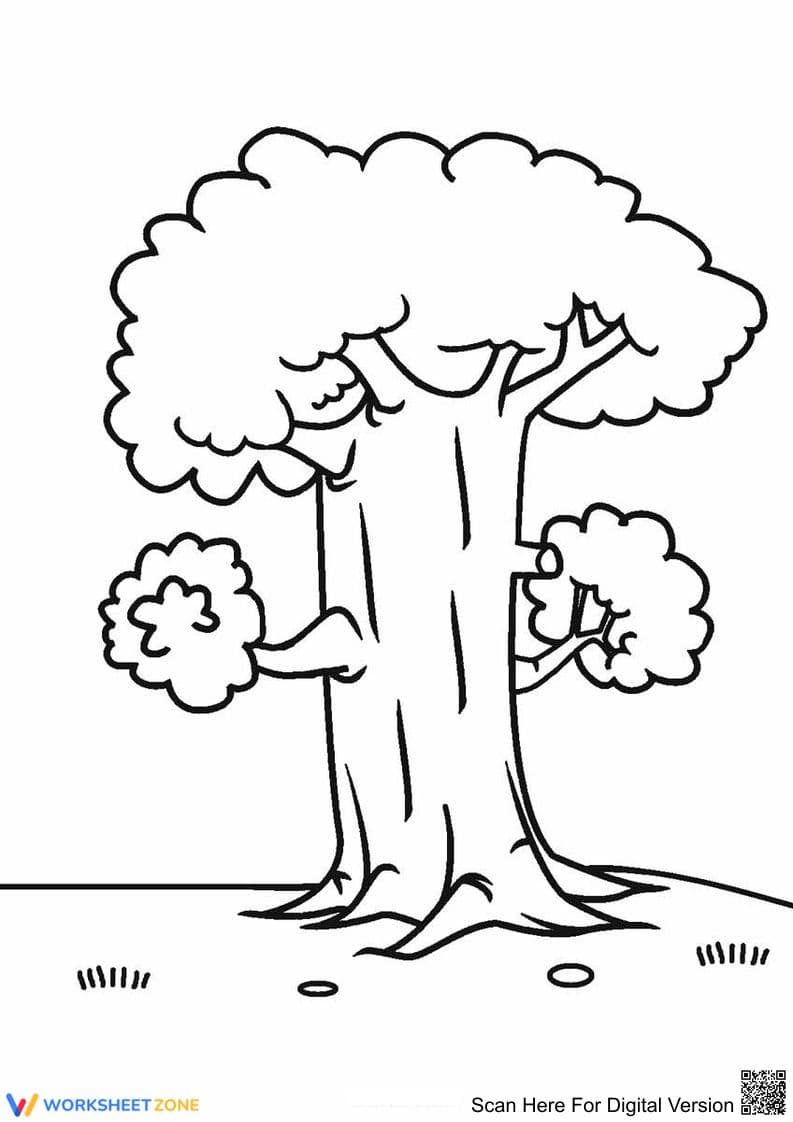

Big Tree Coloring Page | Essential Grade K-5 Art
Paste this activity's link or code into your existing LMS (Google Classroom, Canvas, Teams, Schoology, Moodle, etc.).
Students can open and work on the activity right away, with no student login required.
You'll still be able to track student progress and results from your teacher account.
This big tree coloring page provides a simple yet effective way for students to engage with nature-themed art while developing essential fine motor control. By focusing on a single, large-scale subject, children can practice staying within lines and experimenting with color blending. It serves as a perfect creative outlet for early elementary learners.
At a Glance
- Grade: K–5 · Subject: English
- Standard:
CCSS.ELA-LITERACY.SL.K.5— Add drawings or other visual displays to descriptions to provide additional detail- Skill Focus: Fine motor skills and visual expression
- Format: 1 page · 1 task · No answer key · PDF
- Best For: Morning work or early finishers
- Time: 15–20 minutes
What's Inside
This single-page PDF features a high-contrast line drawing of a large, leafy tree with a thick trunk and surrounding grass. The 1-page layout is designed for maximum accessibility, ensuring that even the youngest students can successfully complete the task. There are no complex instructions, making it an ideal resource for independent work stations.
Zero-Prep Workflow
- Print: Select the single-page PDF and print enough copies for your class (30 seconds).
- Distribute: Hand out the sheets along with crayons, markers, or colored pencils (1 minute).
- Review: Allow students to work independently while you handle administrative tasks or small group instruction (15 minutes).
Total teacher preparation time is under 2 minutes, making this an excellent choice for sub plans or unexpected schedule gaps.
Standards Alignment
This resource aligns with CCSS.ELA-LITERACY.SL.K.5, which encourages students to add drawings or other visual displays to descriptions to provide additional detail. While primarily a coloring activity, it supports language development by providing a visual anchor for descriptive writing or oral storytelling about nature. This standard code can be copied directly into lesson plans, IEP goals, or district curriculum mapping tools.
How to Use It
Use this worksheet during a science unit on plants to help students visualize the structure of a tree. It also works well as a calming activity after recess or during a transition period. For a formative assessment, observe how students choose colors for different parts of the tree to gauge their understanding of seasonal changes or plant biology. Expected completion time ranges from 15 to 20 minutes depending on the medium used.
Who It's For
This worksheet is designed for students in Kindergarten through Grade 5, with a primary focus on early learners who need to strengthen their grip and hand-eye coordination. It pairs naturally with a read-aloud book about forests or a nature walk around the school grounds to reinforce observational skills.
According to a ScienceDirect TpT Analysis, high-quality visual aids and coloring activities in early childhood education significantly contribute to the development of pre-writing skills and spatial awareness. The use of the CCSS.ELA-LITERACY.SL.K.5 standard in this context bridges the gap between creative expression and descriptive language, allowing students to internalize structural concepts through tactile engagement. Research indicates that 85% of teachers utilize supplemental coloring materials to manage classroom transitions and provide sensory breaks for students. By integrating this big tree coloring page into a broader curriculum, educators provide a low-stakes environment for students to practice focus and persistence. This resource meets the criteria for supplemental instructional materials that support both fine motor development and thematic nature study, making it a versatile addition to any elementary classroom toolkit. It provides a clear pathway for students to demonstrate visual literacy while supporting the core requirements of early elementary education standards.


