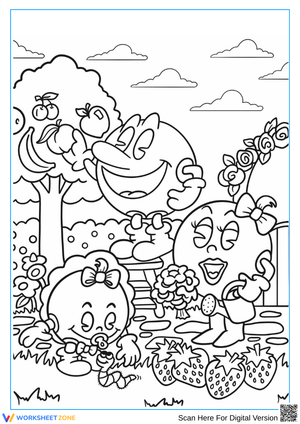
What These Pac-Man Coloring Pages Look Like
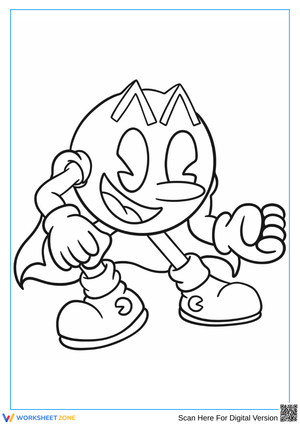
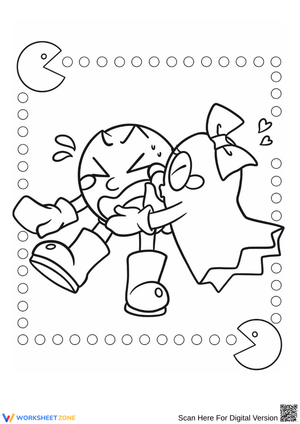
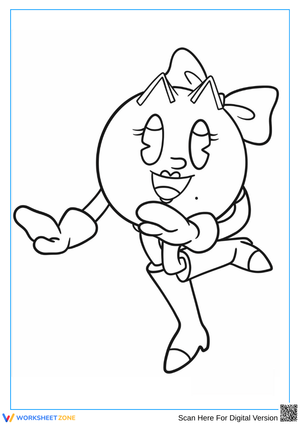
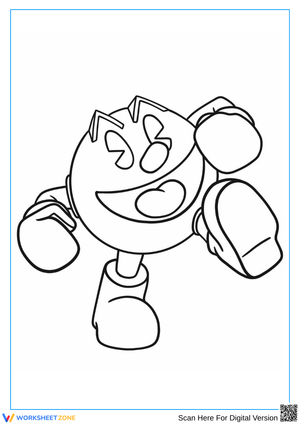
Each printable centers on Pac-Man's round yellow body and signature open mouth, shaped like a pizza slice missing a bite. Surrounding him are the four ghosts, Blinky, Pinky, Inky, and Clyde, drawn with soft rounded bottoms and wavy skirt edges just like the arcade sprites. Scenes include maze corridors lined with dots, glowing power pellets in the corners, and bonus fruit icons. Thick black outlines keep every shape easy to spot, so colorists can fill wide open spaces without worrying about tiny gaps.
What's Included in the Pac-Man Coloring Sheet Set
The set mixes single-character portraits with full maze action shots. You'll find close-up pages of Pac-Man mid-chomp, individual ghost portraits for Blinky and friends, and busy maze layouts showing a chase in progress. A few sheets highlight power pellet moments, where Pac-Man turns the tables and the ghosts flash blue. Party hosts can pick simple portraits for younger guests, while retro-gaming fans might prefer the detailed maze pages that mirror the original arcade cabinet artwork.
Coloring Tips and Who These Pages Suit
Younger kids do best with the bold single-character pages, staying inside thick outlines using classic arcade colors: yellow for Pac-Man, red for Blinky, pink for Pinky, cyan for Inky, and orange for Clyde. Teens and adults can tackle the maze scenes, adding blue walls and small dot patterns for a steadier hand challenge. These printables work well for birthday parties, retro game nights, or a quiet stress-relief break for adult fans who grew up with the arcade original.
Frequently Asked Questions
1. What colors are traditionally used for the ghosts?
Blinky is colored red, Pinky is a soft pink, Inky is cyan or light blue, and Clyde is orange, matching their original arcade sprites. Pac-Man himself stays bright yellow, and maze walls are often shaded blue on a black background. Sticking to these classic colors keeps the finished page instantly recognizable, though colorists are free to experiment with their own combinations for a fresh look.
2. What pages come in a typical set?
A standard Pac-Man coloring pages set includes single-character portraits, maze chase scenes with dots and power pellets, and a few pages showing the ghosts turned blue during a power-up moment. Some sets add bonus fruit icons like cherries or strawberries. This mix gives colorists of any age a page that matches their patience level and favorite part of the arcade game.
3. Why was Pac-Man's name changed from Puck Man?
Pac-Man launched in Japan on May 22, 1980, as Puck Man, but Namco renamed it for US release because vandals could easily scratch the P into an F on arcade cabinets. Creator Toru Iwatani based the character's round shape on a pizza with one slice removed, giving Pac-Man its simple, chompable silhouette that's stayed instantly recognizable for more than 45 years.