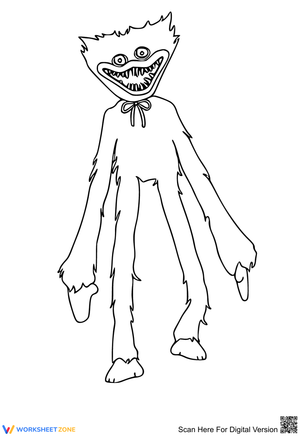
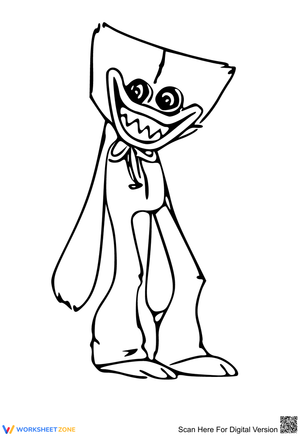
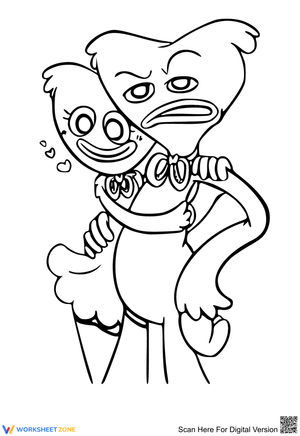
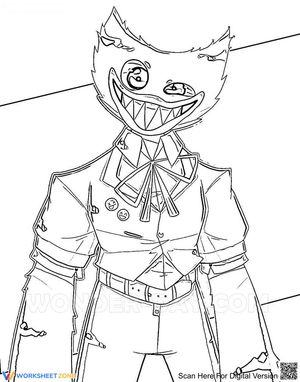
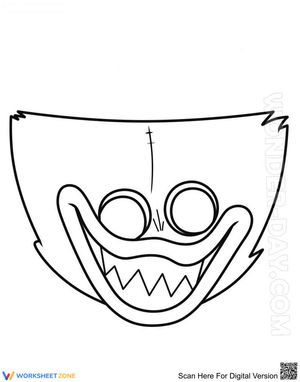
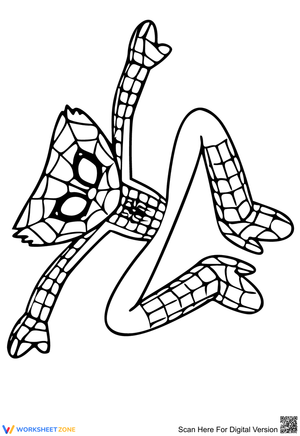
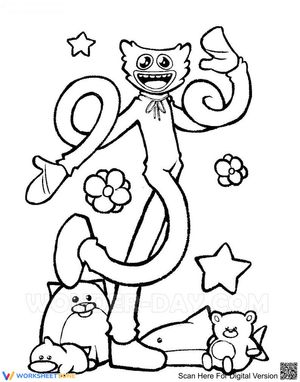
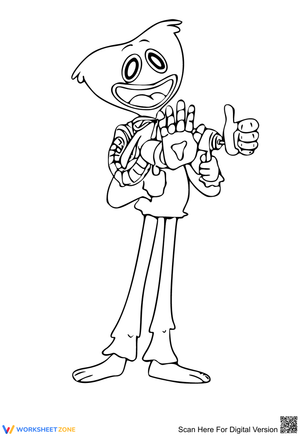
There is a quiet kind of magic when a child opens a fresh page and meets the wide grin of a familiar character staring back. Huggy Wuggy coloring pages turn that first moment into an invitation, asking young artists to choose their colors, plan their shading, and bring a blank world to life. The bold outlines and oversized features give kids confidence, while the playful character sparks the kind of storytelling that often continues long after the crayons are put away.
Beyond the fun, these pages quietly support fine motor development in ways that feel like play rather than practice. Each careful stroke inside a tooth, each gentle pass across a furry arm, asks small hand muscles to stretch and steady themselves. Parents and teachers know how valuable this kind of focused movement is for early writers, and the appeal of a beloved character makes children eager to keep coloring just a little bit longer than they might with plain shapes.
The artwork itself rewards close attention. Look carefully and you will notice the texture of fur, the curl of long fingers, the bright row of teeth, and the small details around the eyes that ask for thoughtful color choices. Kids who love patterns can experiment with stripes, dots, or rainbow gradients, while children who prefer tidy work can stay inside every line. For families exploring related game-inspired activities, our collection of Among Us pages offers another approachable starting point with similar bold shapes.
Older students often discover something different in these pages: a sense of calm. Coloring slows the breath, redirects busy thoughts, and gives tweens a quiet creative outlet that does not feel babyish. Teachers can use a short coloring break before a writing assignment, or hand out pages during silent reading to settle the room. The character is recognizable enough to feel current, which keeps engagement high without demanding a long explanation from any adult guiding the activity.
For parents who want to deepen the experience at home, pair coloring time with conversation about color theory, character feelings, or invented backstories. You can also build a small art routine that supports broader skill growth, similar to the ideas shared in our guide to fine motor activities for young learners. Every set of Huggy Wuggy coloring pages becomes a small canvas where curiosity, patience, and creativity meet, ready for the next young artist to make them shine.
Frequently Asked Questions
Question 1: What ages enjoy Huggy Wuggy coloring pages the most?
These pages work well for children roughly between four and ten years old. Younger kids enjoy the large shapes and thick outlines, which match their developing grip and steadier hand control. Older students often appreciate the chance to experiment with shading, color blending, and detailed pattern work inside the character. Worksheetzone designs each page so that early learners and confident colorists can both find a comfortable level of challenge.
Question 2: How can teachers use these coloring pages in a classroom routine?
Teachers can offer Huggy Wuggy coloring pages during morning arrival, transition breaks, or quiet reading time to help students settle and focus. The pages also work well as rewards after finishing a writing task or as a calm closing activity at the end of the day. Pairing them with simple prompts about color choices or character traits invites short discussions that strengthen vocabulary and creative thinking.
Question 3: Do Huggy Wuggy coloring pages support learning beyond art?
Yes, they quietly support several learning areas at once. Coloring inside the lines builds fine motor control needed for handwriting, while planning a color scheme strengthens decision making and visual planning. Students also practice concentration, patience, and self-regulation as they work through detailed sections. Many parents notice that regular coloring sessions help children focus better during reading and homework time.
Question 4: How should parents introduce Huggy Wuggy coloring pages at home?
Parents can set up a small art space with crayons, colored pencils, or washable markers and let children pick the page that excites them. Sitting nearby and coloring your own page often encourages younger children to stay engaged longer. You can also display finished work on the fridge or in a personal art folder, which gives kids a real sense of pride and motivates them to keep exploring new pages.