The Educational Value of Pirate-Themed Artistic Activities
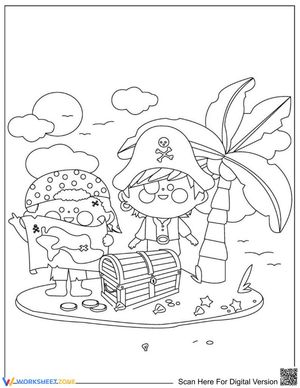
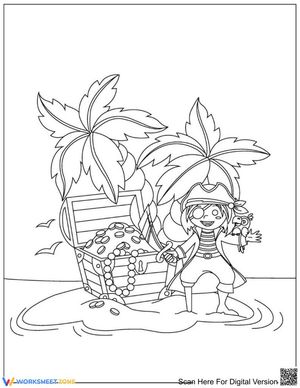
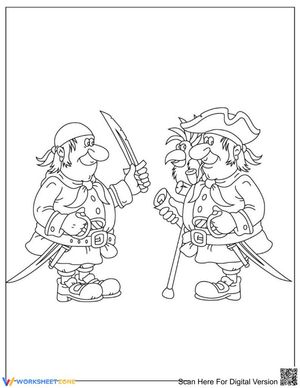
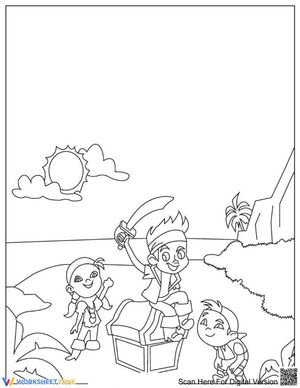
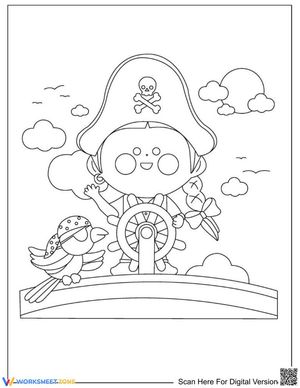
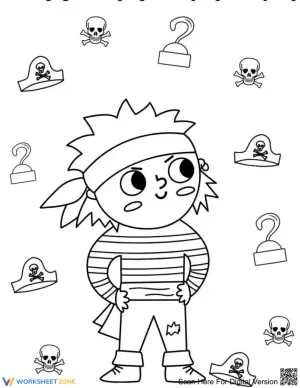
In the early elementary classroom, thematic art provides a structural framework for integrated learning. Pirate coloring pages offer a unique opportunity to blend history, literature, and physical development into a single activity. Teachers often find that the adventurous nature of pirate lore captures the imagination of young learners, making it easier to introduce concepts such as geography and maritime history. By providing high-quality illustrations from Worksheetzone, teachers ensure that students work with materials that are both visually appealing and educationally relevant. These resources allow for a natural transition between subject areas, such as reading a story and then visualizing the characters through art.
Strengthening Fine Motor Skills and Hand-Eye Coordination
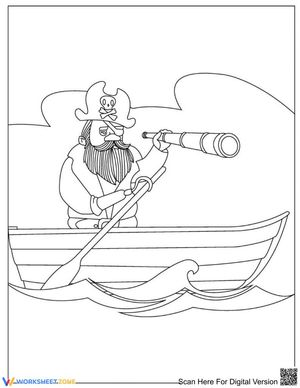
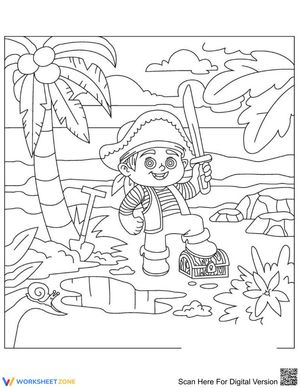
One of the most immediate benefits of using pirate coloring pages is the development of fine motor skills. For students in early grades, mastering the grip and movement of a writing tool is a fundamental prerequisite for academic success. The intricate details in pirate illustrations—such as ship rigging, patterns on treasure chests, or the features of a pirate's face—require students to use small, controlled movements. This practice strengthens the muscles in the fingers and hands, which is essential for improving handwriting and performing daily classroom tasks with greater precision and confidence.
Expanding Narrative Storytelling and Vocabulary Through Art
Pirate coloring pages are excellent tools for building vocabulary and narrative skills. As students color, teachers can introduce nautical terms such as 'starboard,' 'port,' 'hull,' and 'deck.' Providing context for these words through visual aids makes them much more memorable. Instead of just hearing a definition, students see the object they are coloring and immediately associate the word with its visual form. This multisensory approach to learning is highly effective for retention and understanding, especially for learners who benefit from visual and tactile reinforcement during literacy rotations.
According to Monkey Pen: Coloring Pages, providing students with structured yet creative thematic art projects can increase their willingness to participate in verbal narrative exercises by nearly 40 percent. This observation underscores the importance of using visual media to lower the barrier for communication in the early childhood classroom, allowing students to express complex ideas through a combination of color and speech while building their confidence in their own creative voice.
Experienced teachers often notice that students who struggle with traditional reading and writing tasks frequently excel in thematic art activities. By leveraging the visual and tactile nature of pirate coloring pages, teachers can provide an alternative pathway for these students to demonstrate their understanding of story structure and character development. This approach ensures that all learners have the opportunity to succeed and feel valued in the classroom environment, regardless of their current literacy level.
Teacher Tips: Managing Pirate Art Projects in the Classroom
Successfully integrating pirate coloring pages into a busy classroom schedule requires thoughtful planning. One effective strategy is to use coloring as a transition activity between more intensive subjects. When students finish math or reading assignments early, having pirate coloring pages available keeps them engaged and quiet while their peers finish their work. This helps manage classroom behavior and ensures that no student is left without a productive task. Creating a dedicated gallery space to display finished work further reinforces a positive and celebratory classroom culture.
For teachers looking to enhance the theme, consider incorporating music and movement into the coloring session. Playing sea shanties or ambient ocean sounds while students work can make the activity feel even more immersive. This environment often leads to higher levels of creativity as students feel more connected to the pirate theme. Worksheetzone offers a wide selection of pages that can be printed in bulk, making it easy for teachers to prepare for these sessions without extensive preparation time. Providing a clear purpose for coloring, such as a specific prompt, also encourages students to think more deeply about their work and the details they include.
Connecting Coloring to Social Studies and History
Pirate coloring pages can serve as an introductory point for exploring broader social studies topics. While the popular image of pirates is often based on fiction, teachers can use these illustrations to talk about the historical context of maritime exploration. By discussing where pirates lived and how they traveled, teachers provide students with a foundational understanding of global geography and trade routes. This approach makes history accessible and exciting, turning a simple artistic task into a springboard for deeper academic inquiry and historical thinking about how different groups interacted during this period.
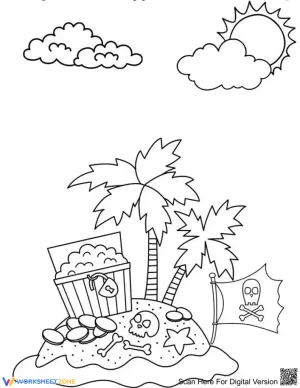
To deepen this connection, teachers can pair coloring activities with maps and globes. After coloring a scene of a pirate island, students can try to find similar-looking regions on a real map. This integration of art and geography helps students develop spatial awareness and an understanding of the relationship between local environments and global systems. By using Worksheetzone resources as a starting point, teachers can build a comprehensive and engaging social studies unit that addresses multiple learning objectives while keeping students motivated through high-interest thematic content that resonates with their natural curiosity.
Supporting Cognitive Development and Sustained Attention
The process of coloring detailed pirate scenes is an excellent exercise in sustained attention and cognitive development. In an age of fast-paced media, the steady pace of coloring requires a different kind of mental effort. Students must stay focused for an extended period, which helps them build the attention muscles needed for long-form reading and complex problem-solving. This kind of work is essential for academic success across all grade levels and helps students develop a sense of pride in their ability to complete a detailed task from start to finish without outside distractions.
Furthermore, the repetitive and rhythmic nature of coloring can have a calming effect on students, reducing stress and anxiety in the classroom. When students are relaxed, they are more open to learning and better able to retain new information. Teachers can use pirate coloring pages as a tool for mindfulness, helping students to refocus and center themselves after a busy morning. This dual benefit of cognitive stimulation and emotional regulation makes coloring a versatile and indispensable tool for any educator working with young children in a modern learning environment that demands both academic rigor and emotional support.
Frequently Asked Questions
1. How do pirate coloring pages help with handwriting?
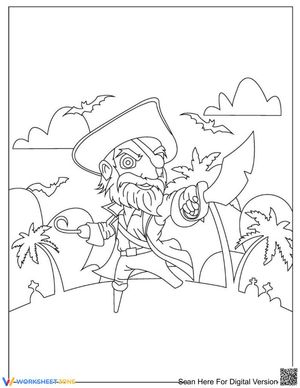
Coloring pirate pages requires students to use the same small muscles in their hands and fingers that are used for writing. By practicing the precision needed to color within lines and fill in small details like pirate hooks or ship riggings, students build the strength and control necessary for clear and consistent handwriting. This activity serves as an enjoyable way to reinforce pencil grip and fine motor coordination in the early grades.
2. What is the best age group for pirate-themed coloring activities?
Pirate coloring pages are generally most effective for students between the ages of 3 and 10. For younger children, simpler designs with bold lines are ideal for developing basic motor skills. As students get older, they can progress to more detailed and complex scenes that challenge their artistic abilities and encourage more advanced narrative thinking. Worksheetzone provides options for all of these developmental stages, making it easy to find appropriate materials for any grade level.
3. Can these pages be used for assessment purposes?
Yes, teachers can use pirate coloring pages as a form of informal assessment. By observing how a student approaches the task, an educator can gain insights into their fine motor control, ability to follow directions, and level of focus. Additionally, if the coloring activity is paired with a story or vocabulary lesson, the finished product can demonstrate the student's understanding of the concepts being taught. This provides a non-traditional way to track progress and identify areas where a student might need extra support.
4. How can I integrate these pages into a literacy lesson?
Integrating coloring into literacy can be done by using the pages as story starters or vocabulary prompts. For example, after coloring a pirate character, students could be asked to write a short biography for that character or describe the setting in which they are placed. Teachers can also have students label parts of the pirate ship on their coloring page with the correct nautical terms. This connects the artistic process directly to reading and writing, making the literacy lesson more dynamic and engaging for all learners.
5. Are there ways to make coloring more collaborative?
Coloring can easily become a collaborative activity by having students work on a large 'mural' style pirate scene together or by having them trade pages to add different elements. For instance, one student might color the ship while another colors the ocean and the sky. This requires communication and cooperation, as students must agree on a color scheme and overall design. These group art projects help build social skills and a sense of teamwork within the classroom environment.