Why PAW Patrol Coloring Pages Work in Early Grades
PAW Patrol coloring pages fit a very specific classroom need: they give teachers a recognizable character activity that can settle a room quickly without a long explanation. For preschool and early elementary classes, that matters during arrival, indoor recess, reward choice, or the last ten minutes before dismissal. Children already know the pups, so they can begin right away instead of asking what the picture is or what they are supposed to do.
On a page built around paw patrol coloring pages, the strongest use case is not a full art block. It is a low-prep routine you can drop into a busy day. A stack of printables near crayons or colored pencils can support soft starts, quiet corners, take-home folders, party stations, or an early finisher bin. Teachers can also pair the pages with oral language prompts such as naming the character, describing tools and vehicles, or retelling a rescue scene in one or two sentences after coloring.
Because the theme is so familiar, these pages also reduce friction for mixed-readiness groups. Younger students can stay with bold outlines and single-character sheets, while older students often enjoy team scenes with more background details. That range makes the set practical for classrooms that need one theme but more than one difficulty level.
Which Characters Usually Get the Best Response
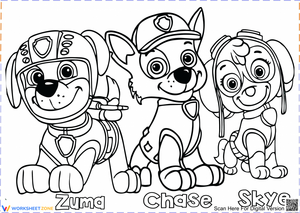
When teachers organize character printables, it helps to start with the pups children request most often. The research for this page points to Chase, Skye, Marshall, and Rubble as high-interest choices, with full team scenes also matching search intent. In practice, that means a classroom set works best when it includes both favorites and variety. If every sheet features one pup only, students may spend more time trading pages than coloring them.
- Chase pages usually work well for students who like police or rescue themes and clear uniform details.
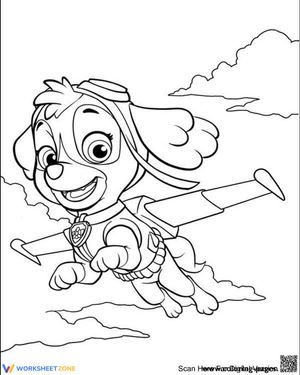
- Skye sheets often appeal to children who prefer softer shapes, wings, and flying scenes.
- Marshall pages tend to attract students who like energetic expressions and fire-rescue action.
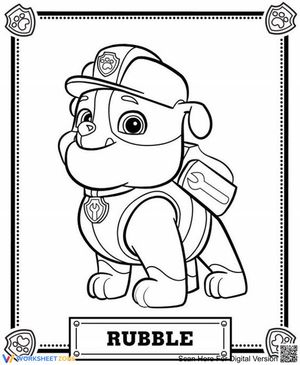
- Rubble pages are useful for kids who enjoy construction tools, helmets, and chunky vehicle shapes.
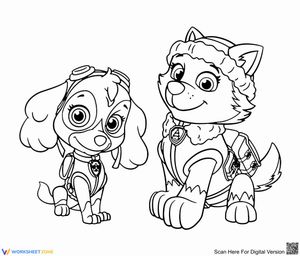
- Team scenes help when you want fewer page swaps and more shared classroom conversation.
The official PAW Patrol character guide for Rubble is a helpful trust signal because it reinforces that children connect strongly with distinct roles and gear. For teachers, that means character choice is not a minor detail. It affects student buy-in, page selection speed, and how independently a center can run.
How to Build a Printable Rotation Instead of a Random Stack
The most useful paw patrol coloring pages collection is organized, not just large. A rotation system keeps the activity fresh and helps teachers avoid overprinting. One simple approach is to sort pages into three folders: single-character easy pages, mixed-detail pages, and team scenes. That gives you a quick way to match the printable to the time block and the group in front of you.
For example, single-character pages are usually best for arrival tables, substitute plans, or younger learners who need quick success. Mixed-detail sheets work well during centers because they hold attention longer. Team scenes can be saved for buddy coloring, indoor recess, or community-building days when students want to talk about the same picture.
It also helps to decide in advance whether the pages are consumable or reusable. If printing is tight, place a few designs in plastic sleeves for tracing with dry-erase markers during choice time, then print clean copies only for take-home packs or finished work displays. That small decision can stretch a high-interest theme across several weeks instead of one afternoon.
Classroom Implementation
Teachers usually get the best results when PAW Patrol coloring pages are attached to a clear routine. The activity should feel intentional, not like filler handed out at the last second. A predictable structure helps students settle faster and cuts down on material management.
- Use one basket for crayons and one basket for sharpened colored pencils so students are not crowding one supply spot.
- Offer two page choices at a time rather than the full stack if your group struggles with decision-making.
- Model how to outline first and color large spaces second for students who rush and leave work unfinished.
- Set a short goal such as color one character carefully, then add two details from the background.
- Invite a brief share-out where students name the pup and explain one part of the picture they noticed.
This kind of structure works especially well in calm-down periods, rainy day rotations, and celebration days when you still need manageable noise levels. In small-group settings, the pages can also support language development. A teacher or aide can ask students to compare characters, identify equipment, or describe what might happen next in the scene.
If you send pages home, keep the classroom version and the take-home version slightly different. That prevents students from feeling they already completed the same sheet and gives families a fresh activity without extra prep for the teacher.
Choose Page Complexity With Intention
A strong classroom mix is usually a 2:1 ratio of simpler pages to busier scenes. In most preschool to early elementary groups, more students benefit from bold outlines, larger spaces, and fewer background objects than from highly detailed sheets. Keeping that ratio reduces frustration, speeds successful completion, and still leaves enough challenge pages for students who want longer independent work.
That ratio matters because coloring tasks fail when the visual load is too high for the time available. A child who has eight minutes before a transition does not need a dense action scene with tiny spaces. They need a page they can finish or make visible progress on. When teachers match page density to the schedule, the activity feels calming and productive instead of rushed.
It is also worth rotating between portrait-style character pages and scene-based pages. Portrait pages are easier for quick wins and display boards. Scene pages create better partner talk because students can point to vehicles, tools, or movement in the picture. Using both formats gives the same keyword theme more instructional flexibility than many teachers expect.
How to Use These Pages Beyond Free Time
Although students may first see paw patrol coloring pages as a fun choice, teachers can turn them into purposeful extensions with almost no extra planning. After coloring, students can dictate or write a short caption, circle their favorite part, or sort finished pages by character. Those small follow-up tasks keep the activity in a classroom frame without making it feel heavy.
For literacy centers, you might ask students to use describing words for the pup, the vehicle, or the action in the scene. For speaking and listening, students can present their page to a partner using one complete sentence starter. For fine-motor support, the value is simple: repeated coloring within clear boundaries gives children more controlled practice with pressure, grip, and directional movement.
The pages also fit celebration contexts well. Birthday themes, character days, movie rewards, and rainy day indoor stations all benefit from a recognizable printable that does not need cutting, glue, or complicated cleanup. That makes the format especially useful for teachers who need high-interest options but have very little setup time left in the day.
Frequently Asked Questions
1. Where can teachers find free printable PAW Patrol coloring pages?
Teachers usually do best with trusted branded activity collections and curated classroom-ready sets like on Worksheetzone.
2. Which PAW Patrol characters are most popular for coloring sheets?
Chase, Skye, Marshall, and Rubble are reliable first picks, and team scenes are useful when you want broad appeal across the class. Starting with those options reduces page swapping and helps students choose quickly.
3. Are PAW Patrol coloring pages appropriate for preschool classrooms?
Yes, especially when teachers choose bold-outline pages with larger coloring spaces. The theme is familiar, the prep is light, and the pages can support quiet routines, centers, or short transitions without much explanation.
4. Can teachers print these pages for classroom use?
For classroom planning, teachers should rely on the use terms provided by the page or source they print from. In practice, these pages are most useful when selected from sources that clearly present them as printable activity materials.