Close reading activities are structured instructional strategies that help students move beyond surface-level understanding to examine the language, structure, and underlying meaning of a text. These activities refer to annotation, text-dependent questioning, and evidence hunting designed for students in grades PreK–12. Worksheetzone provides these resources to ensure young learners develop the critical analytical skills needed for academic proficiency and independent reading success.
10 close reading activities
Close reading activities foster children’s analytical curiosity and focus through disciplined textual exploration. In a classroom setting, these strategies work best when students are encouraged to read a passage multiple times with a different purpose each time. According to the International Literacy Association (ILA), close reading is essential for building the stamina and precision required for complex modern texts.
Worksheetzone offers a wide variety of Reading Worksheets to help teachers implement these strategies. Most of these activities take 15–20 minutes and satisfy Common Core standards for informational and literary analysis.
1. Annotation with a purpose
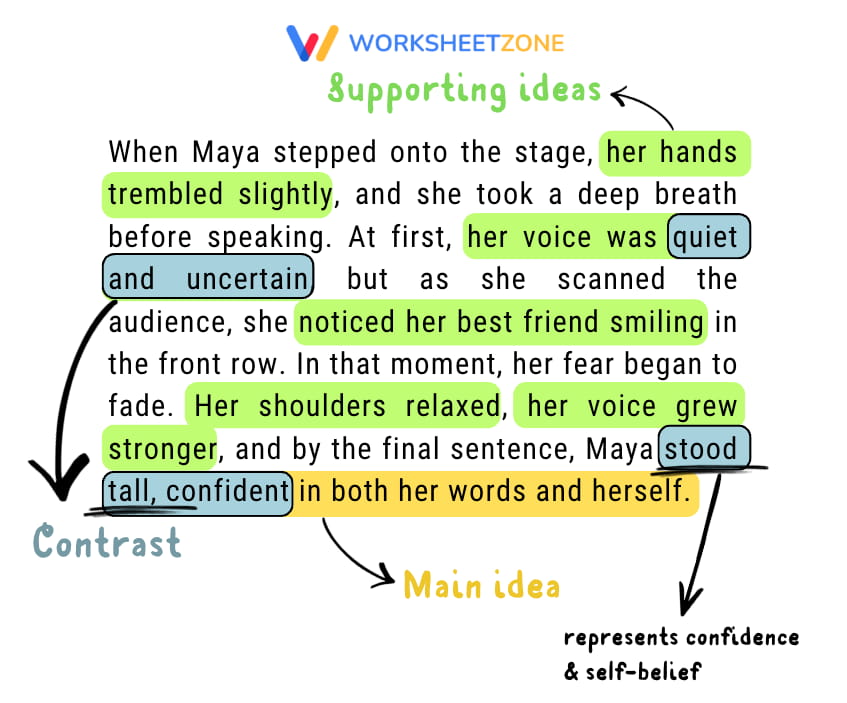
In this activity, students annotate the text with a clear goal in mind, such as identifying key ideas, unfamiliar words, or supporting evidence. Each reread focuses on a different purpose, helping students slow down and interact meaningfully with the text. Purposeful annotation teaches students how to track their thinking and extract important information without becoming overwhelmed.
2. Text-dependent questioning
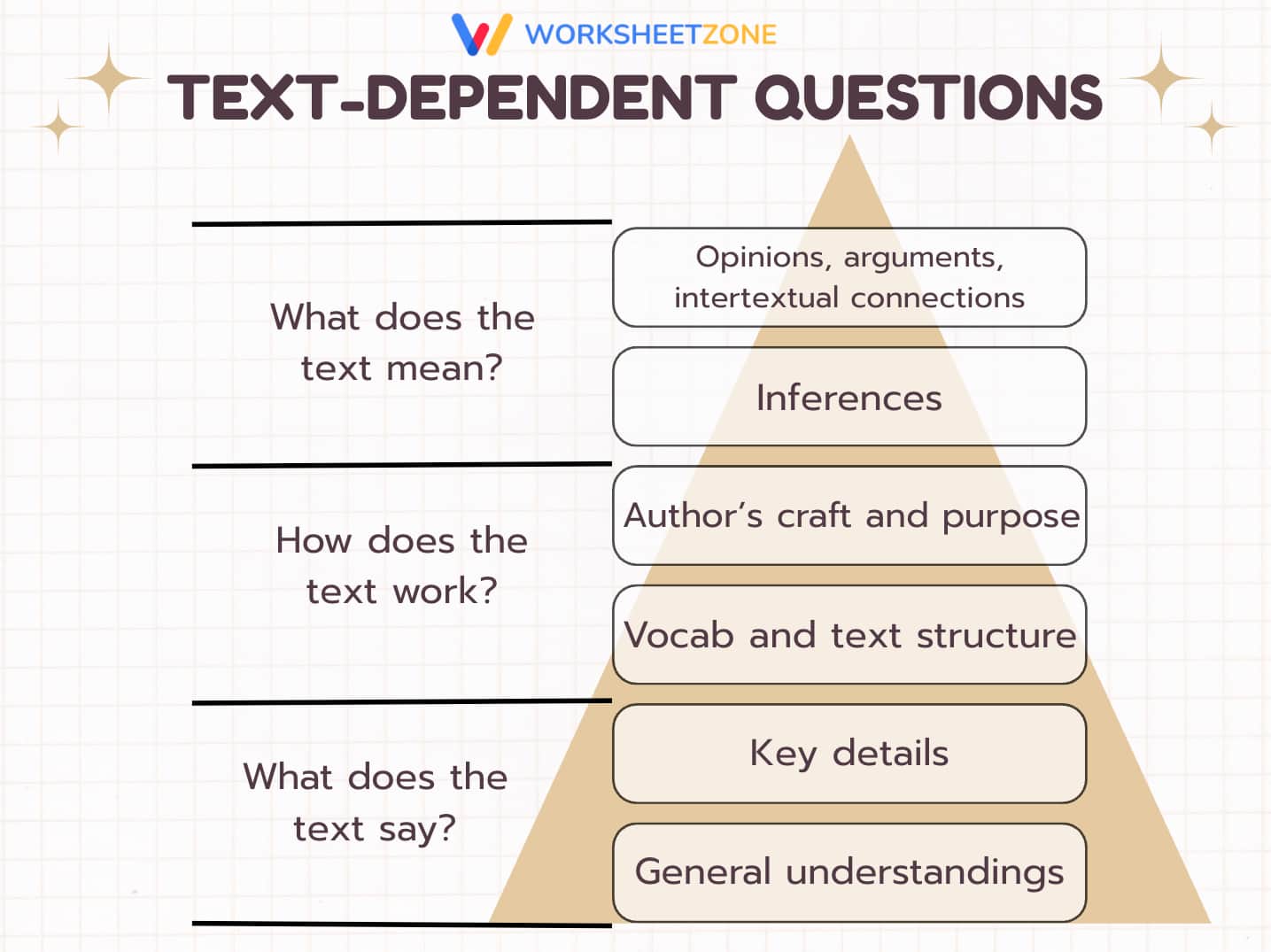
Text-dependent questioning requires students to find specific evidence within the text to answer a prompt. Research shared by Reading Rockets suggests that this method ensures students are actually analyzing the author’s words rather than relying on personal opinions or prior knowledge.
3. Color-coding the text

Color-coding helps students visually organize information while reading. Different colors are assigned to elements such as main ideas, details, vocabulary, or the author’s claims. This strategy is especially effective for visual learners and makes complex texts more approachable by clearly separating key components.
4. Chunk and paraphrase

Students break the text into manageable sections and paraphrase each chunk in their own words. This activity strengthens comprehension by ensuring students understand each part before moving on. Chunking also reduces cognitive load and helps struggling readers stay engaged with longer or more complex passages.
5. Vocabulary in context

Instead of immediately looking up definitions, students infer the meaning of unfamiliar words using context clues from the surrounding text. They then verify their understanding with a dictionary. This approach builds vocabulary skills while reinforcing close attention to sentence structure and word relationships.
6. Evidence hunt

In an evident hunt, students search the text for information that supports a specific claim, question, or inference. This activity reinforces the habit of grounding answers in the text and helps students distinguish between strong and weak evidence. It is particularly useful for opinion writing and constructed responses.
7. Author’s craft detective

Students examine how the author uses word choice, tone, imagery, or sentence structure to convey meaning. Acting as “detectives,” they identify techniques and explain how these choices affect the reader. This activity deepens literary analysis and helps students appreciate how texts are intentionally crafted.
8. Margin questions
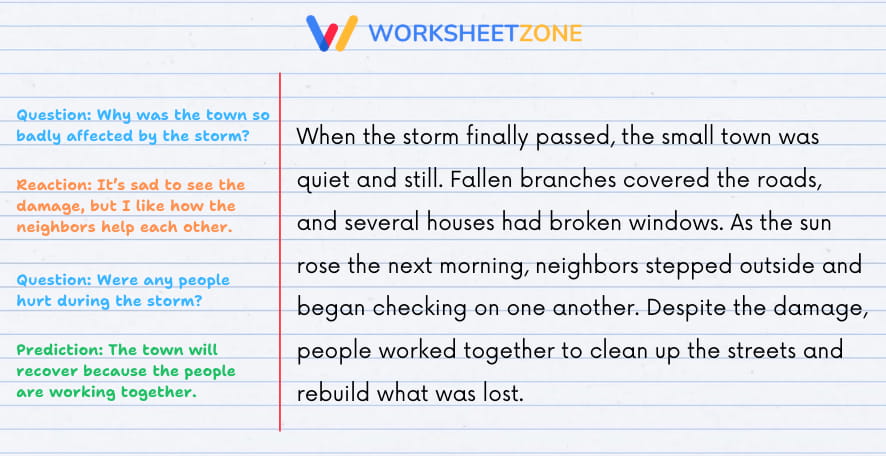
While reading, students write questions, reactions, or predictions in the margins. This practice encourages active reading and metacognition by making students aware of their thinking process. Margin questions also serve as excellent discussion starters during small-group or whole-class conversations.
9. Compare two passages
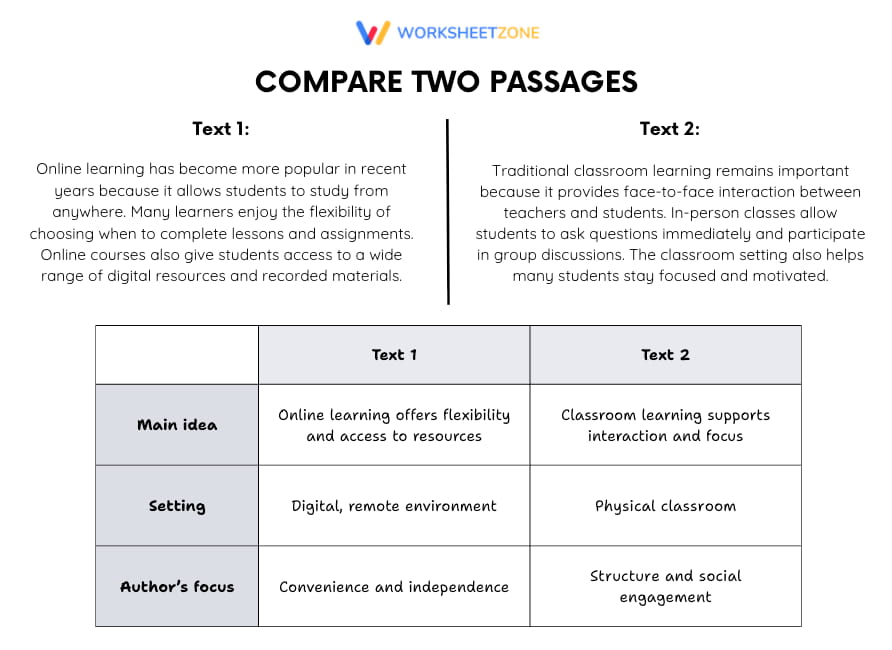
Students read two short texts on the same topic and compare ideas, structure, or perspective. This activity strengthens analytical skills and helps students recognize similarities and differences across texts. It also supports synthesis, which is a higher-level reading skill essential for academic success.
10. One-sentence summary challenge
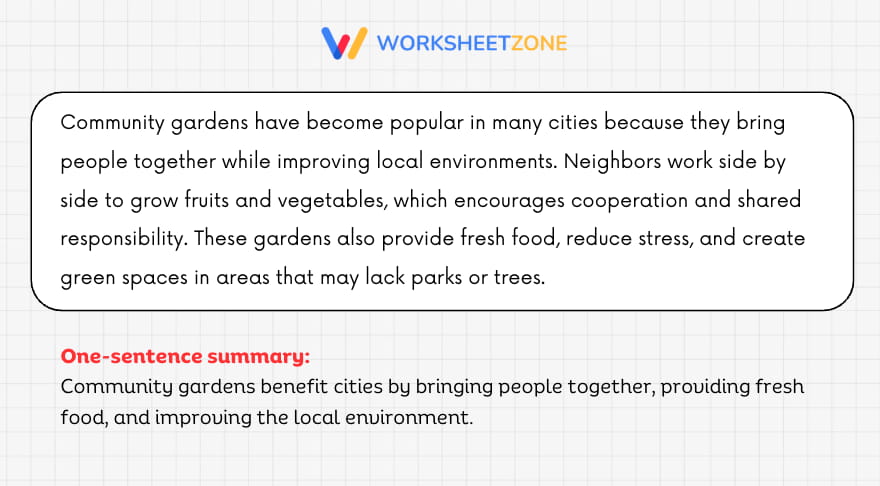
After close reading, students summarize the entire text in one precise sentence. This challenge pushed students to identify the most important idea and express it clearly. Writing a concise summary demonstrates true comprehension and helps students avoid unnecessary details.
FAQs
1. What makes close reading different from regular reading?
Close reading requires students to re-read a text multiple times with a focus on specific details, word choice, and structure. Unlike regular reading, which often focuses on the “what” (plot or facts), close reading dives deep into the “how” and “why” of the author’s intent.
2. How often should I use close reading activities in my class?
We recommend using dedicated close reading activities at least once a week for complex passages. It is better to dive deep into one short, meaningful text than to skim through multiple long ones. Consistency in using these strategies helps students build the “mental muscles” needed for independent analysis.
3. Are these activities suitable for struggling readers?
Yes, close reading is particularly effective for struggling readers because it breaks down the reading process into manageable, purposeful steps. Strategies like “chunking” and “color-coding” provide the scaffolds needed to help students find success with texts that might otherwise feel overwhelming.
4. Can I find printable resources for these activities on Worksheetzone?
Absolutely. Worksheetzone offers hundreds of Reading Worksheets specifically designed for close reading practice. Our resources cover a wide range of grade levels and topics, ensuring that every educator has the tools needed to build a strong literacy program.
Final thoughts
Close reading activities play an essential role in shaping well-rounded, confident analytical thinkers. From simple annotation to complex passage comparison, each task supports a different area of literacy growth. The most effective close reading practice balances detailed analysis with a love for discovery. When chosen thoughtfully, these activities inspire curiosity and prepare young learners for long-term success.