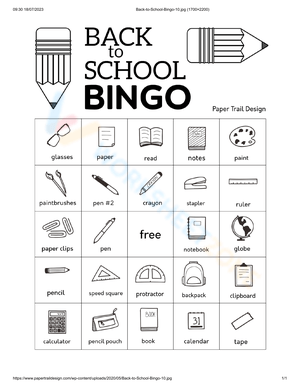
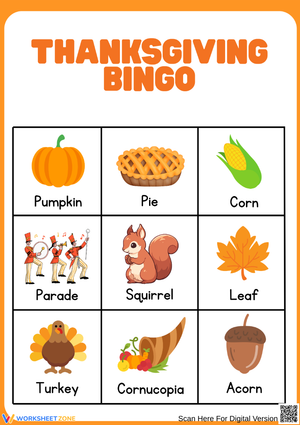
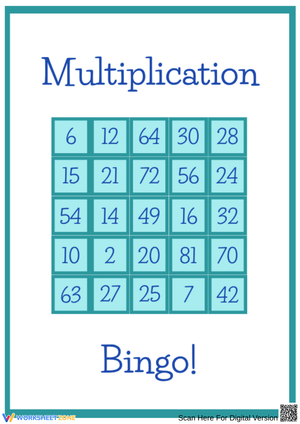
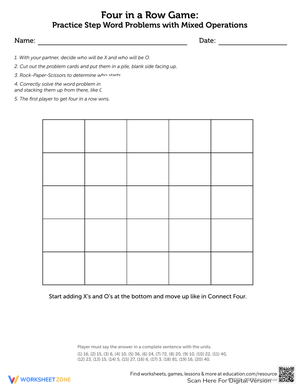
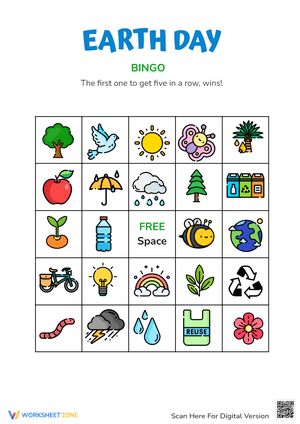
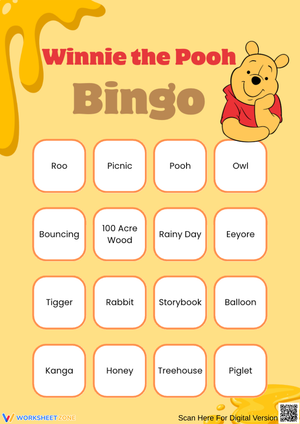
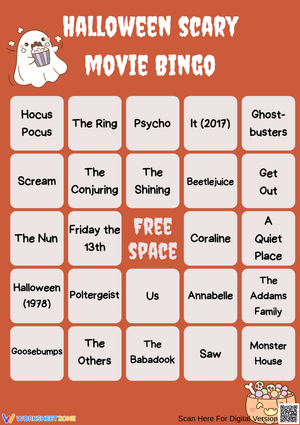
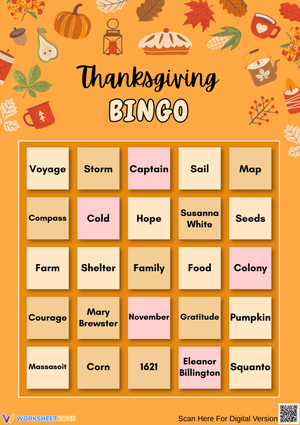
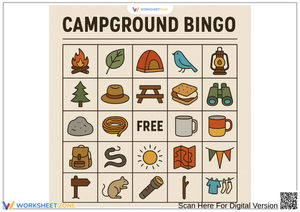
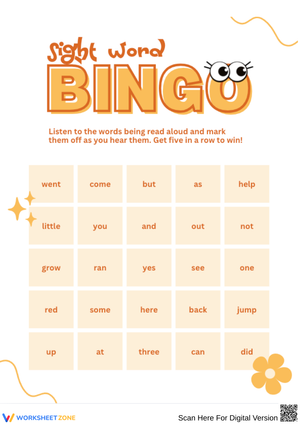
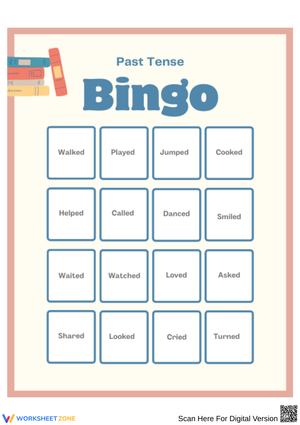
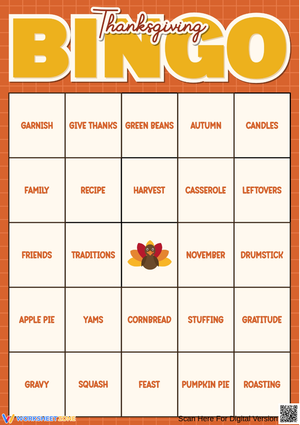
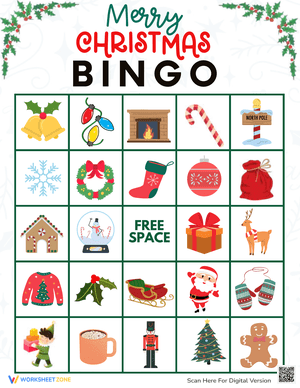
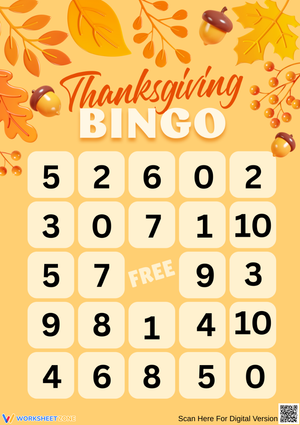
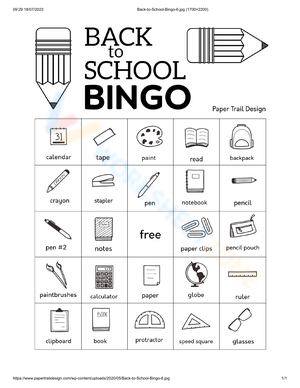
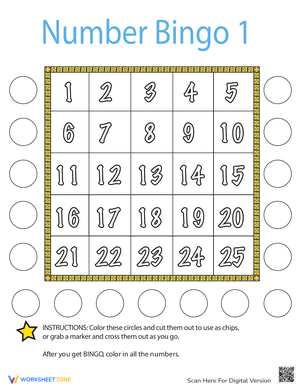
These bingo printable worksheets give teachers a ready-made review format that travels across subjects, grade levels, and the full school calendar — from early fall math facts drills to the sprint before spring state assessments. Each worksheet in a class set carries a uniquely randomized arrangement of the same term pool, so thirty cards print from a single file without duplicates. The PDF format holds the grid layout consistent across every printer model, which matters when the supply cabinet inkjet and the copy room laser printer both need to produce clean, legible cards in the same morning.
What's Inside the Set
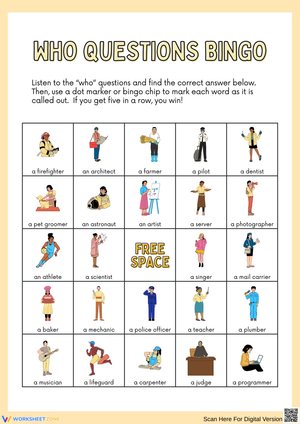
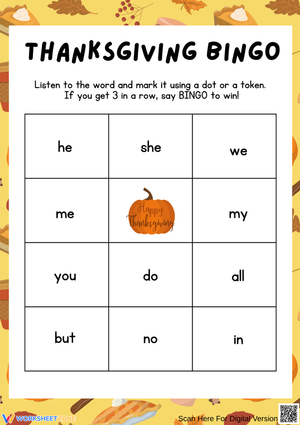
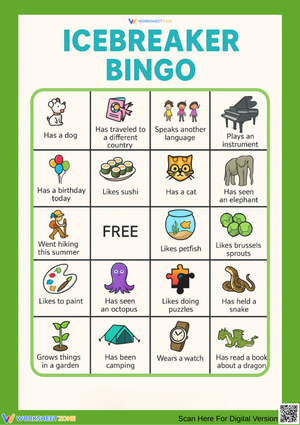
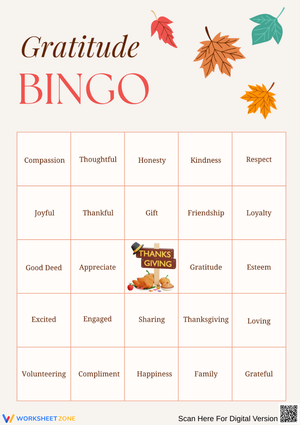
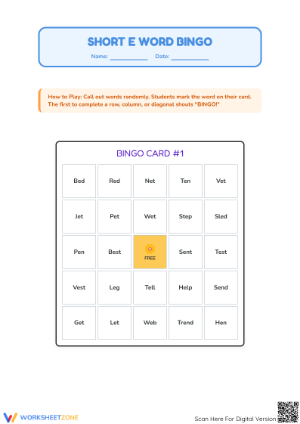
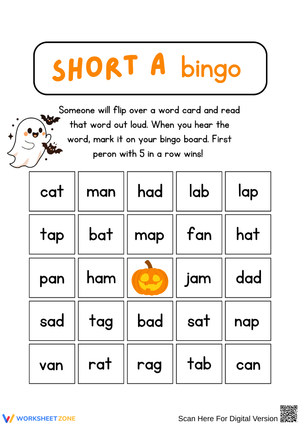
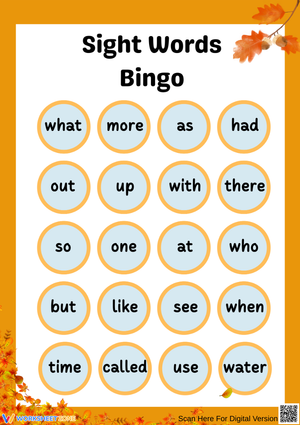
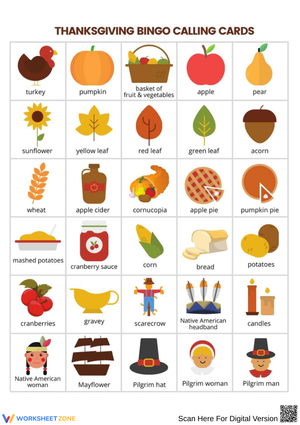
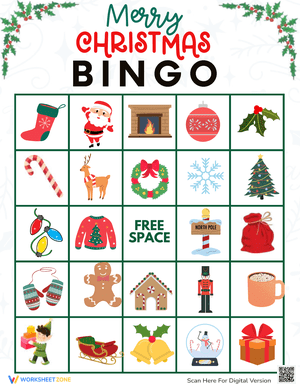
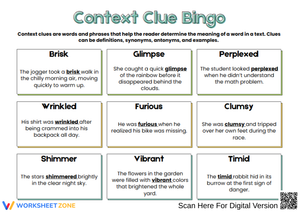
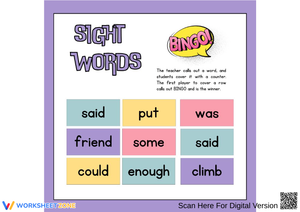
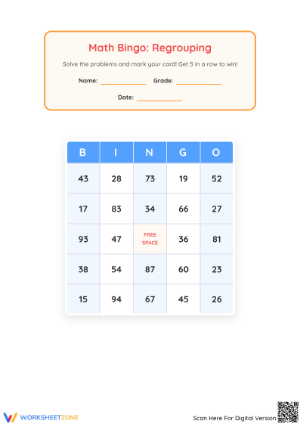
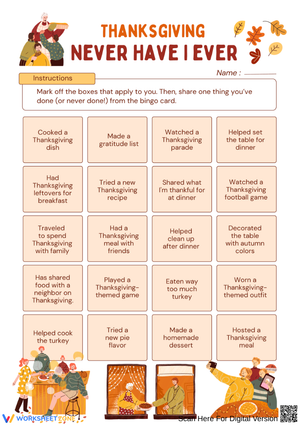
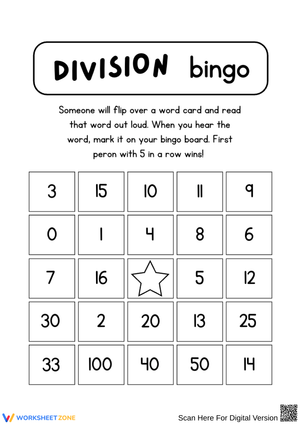
The five-by-five grid is the standard structure, but the content filling those twenty-five squares varies widely across subject areas. Math sets populate squares with products, equivalent fractions, decimal values, or solved one-step equations — the teacher reads the expression aloud, students calculate, then search for the answer. ELA sets swap in vocabulary terms, parts of speech, prefixes and suffixes, or literary devices. Science and social studies sets use organelle names, historical figures, geographic features, and key dates. Seasonal sets layer holiday-themed vocabulary over the same grid structure, giving teachers a low-prep way to acknowledge a calendar event without abandoning academic content.
Blank template worksheets typically round out most sets. These open grids let you drop in your current spelling list, this week's Tier 2 vocabulary, or the specific math facts your class is still shaky on. By midyear, the blank version is often the most-used worksheet in the set, once teachers have locked in a customization routine that takes five minutes in a generator tool.
Why the Format Holds Up as a Review Tool
The recognition task bingo demands is cognitively distinct from the recall task a fill-in-the-blank quiz requires. During a round, students hear a prompt and scan their card for a match — a process that reinforces the pairing between a term and its meaning through repeated, low-stakes exposure. Spaced retrieval research consistently shows that brief, frequent encounters with material outperform single long study sessions for long-term retention. A Friday bingo round that revisits Monday's vocabulary sits squarely in that principle, and it requires no additional prep once the cards are printed.
There is also a formative value that teachers learn to use quickly. When you call out a cell organelle function and scan the room, the students who freeze — eyes darting, pencil hovering — show you who hasn't connected function to name. You don't need a quiz to identify that; three rounds of bingo will tell you exactly which terms need another pass on Monday. That real-time read on the class is harder to get from a worksheet students complete quietly at their desks.
Frequent Student Errors Worth Watching For
The most consistent error in vocabulary bingo is matching by visual recognition rather than by actual meaning. A student who writes "mitochondria" correctly on a diagram will still hesitate — or mark the wrong square — when you call "the site of ATP production," because they recognize the word by sight but haven't internalized what it does. That error surfaces during bingo in a way a standard matching worksheet often won't reveal, because bingo moves faster and students can't backtrack and cross-reference.
In math bingo, students who rely on finger counting rather than fact fluency fall behind the game's pace almost immediately. By the third or fourth call, slower counters start guessing — marking squares at random to stay in the game. Watch for students whose cards fill in at an unusually even, distributed rate; that pattern frequently signals guessing rather than calculating. It is a useful diagnostic signal that fluency work, not just continued exposure to the facts, is the next instructional move for those students.
Fitting These Worksheets Into Your Weekly Lesson Plans
The most natural placement for a bingo round is the last ten to twelve minutes of a review lesson — after direct instruction is complete but before students pack up. The time constraint keeps the game from sprawling, and the competitive energy raises attention during the window when it typically dips. Monday morning works equally well: a quick vocabulary round after morning meeting reactivates content from the prior week before new material begins.
For substitute days, a folder of bingo printable worksheets pre-printed and labeled with a one-page call list runs itself. The sub reads the list, students mark cards, and the class stays on task without requiring subject-matter knowledge from the substitute. Sliding the printed cards into plastic page protectors and pairing them with dry-erase markers turns a one-time print job into a reusable class set. Students wipe boards clean between rounds in under thirty seconds, and the set lasts the full year without reprinting.
Adjusting the Worksheets for Mixed-Ability Classrooms
Grid size is the first adjustment to make. Kindergarten and first-grade students benefit from three-by-three or four-by-four grids, and the reasoning is developmental as much as practical: young children's working memory capacity genuinely limits how many items they can monitor simultaneously. A five-by-five grid with twenty-four active squares exceeds what a five-year-old can track in real time; a nine-square grid preserves the game mechanic while keeping the cognitive load within range.
For students who need more challenge, shift the call type before changing the grid. Calling a synonym instead of the term, or reading a sentence with the target word omitted, requires retrieval a layer deeper than recognition. For students still building vocabulary, pairing the bingo printable worksheets with a student reference card — the same word list used during the week's reading block — lets them participate meaningfully rather than guess. Pull the reference card after two rounds once repeated exposure has built enough familiarity for students to go without it.
Frequently Asked Questions
How do I make sure no two students have the same card?
Pre-made sets labeled as class sets or bundles are built with randomization in the file — each card carries a different arrangement of the same term pool. If you build your own using an online generator, the tool scrambles placement automatically. Either way, fan through the printed stack before distributing to confirm a distinctive word or number appears in different grid positions across consecutive cards.
What is the most efficient way to manage markers during gameplay?
Dry-erase markers on laminated cards or page-protected sheets are faster to distribute, faster to reset between rounds, and quieter during gameplay than dried beans or plastic chips. Storing markers and small felt erasers in cups organized by seating cluster — rather than distributing them individually — cuts setup time by two to three minutes and keeps transitions from derailing momentum.
Can bingo count toward an assessment grade?
It is not well-suited to summative assessment. The format measures recognition, not production or application, and the game structure introduces enough noise that individual performance is difficult to isolate cleanly. Use bingo as formative data instead: note which students consistently lag in marking, and follow up with a brief exit ticket or a targeted one-on-one check. The bingo printable worksheets work best as a diagnostic temperature check, not a grade-bearing task.
How many unique cards does a class set need to include?
Thirty unique cards covers most elementary and middle school classrooms with a few extras for students who lose or damage theirs. For larger classes, download sets that include forty cards, or generate two batches with the same word list — the independent randomization produces enough variation across both batches to avoid simultaneous wins at any meaningful frequency.












 Interactive Worksheet Maker
 Quiz Maker
 Word Search Maker
 Crossword Puzzle Maker
 Word Scramble Generator
 Sentence Scramble Generator
 Handwriting Worksheet Generator
 Name Tracing Generator
 Fill In The Blank Generator