ELA activities are interactive English Language Arts exercises that help students master reading, writing, and analytical skills through movement and creativity. These activities refer to mentor sentence imitation, theme detectives, and found poetry designed for students in grades 6–12. Worksheetzone provides these resources to ensure educators can transform standard classrooms into hubs of literary discovery and academic excellence.
15 ELA activities
ELA activities foster children’s analytical curiosity and communicative confidence through hands-on exploration. In a classroom setting, these tasks work best when they move beyond rote memorization to foster true mastery. According to research shared by Edutopia, active learning strategies in literacy significantly improve student engagement and long-term retention.
Worksheetzone offers a variety of frameworks to support these activities. Most of these exercises take 15–20 minutes and satisfy Common Core ELA Standards for middle and high school proficiency.
1. Vocabulary role-play

Transform abstract definitions into memorable performances by having students act out their weekly vocabulary words. Instead of simply writing sentences, small groups create 30-second skits that demonstrate a word’s meaning through context and body language. This kinesthetic approach helps students internalize nuances and connotations, making it much harder to forget a word once they’ve physically embodied it for their peers.
2. Mentor sentence imitation

Mentor sentence imitation helps students understand the structure of professional writing. Use a Mentor Sentence Worksheet to have students analyze a high-quality sentence and then write their own using the same grammatical pattern.
3. Theme detectives
Turn literary analysis into a high-stakes investigation by assigning students the role of “Theme Detectives.” Provide a list of potential themes and challenge students to scour the text for specific evidence – quotes, symbols, or character actions – that support each one. By “building a case” for a specific theme, students learn to move beyond surface-level plot summaries and engage in the rigorous work of textual evidence gathering.
4. Character social profile

Modernize character analysis by having students design a fictional social media profile for a protagonist or antagonist. They must select a profile picture that reflects the character’s personality, write a “bio” in the character’s voice, and curate a feed of posts that represent key plot points. This forces students to think deeply about a character’s motivations, relationships, and “brand” within the context of the story.
5. Silent discussion (chalk talk)
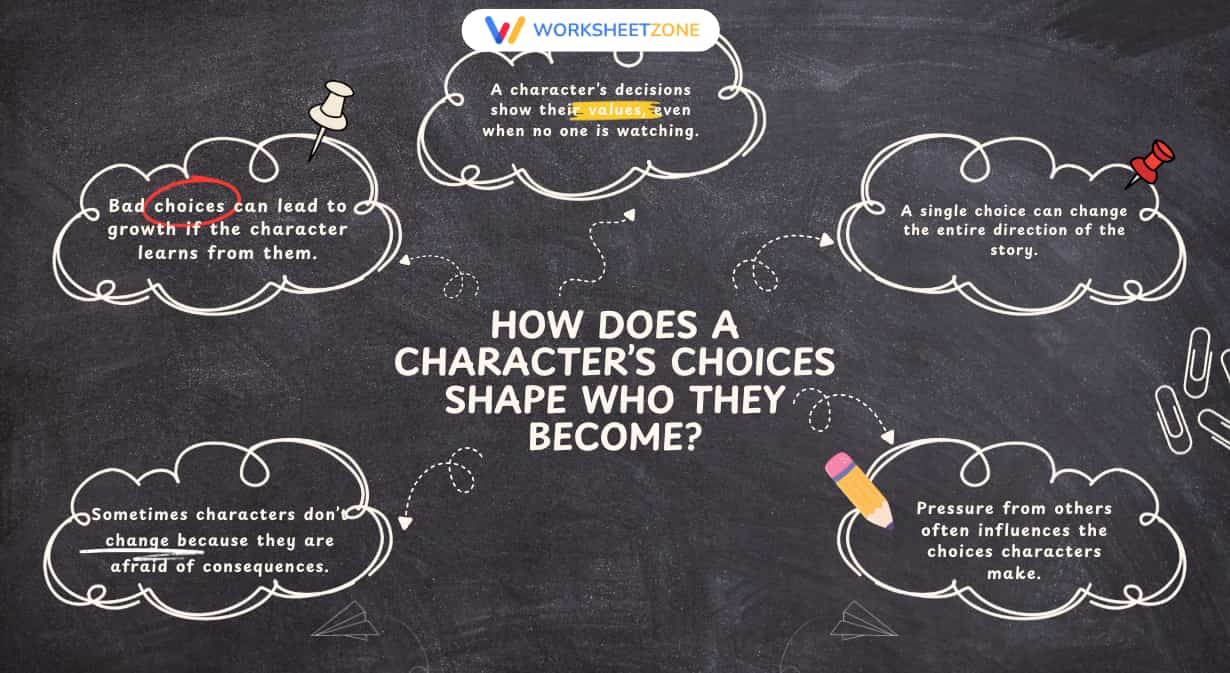
A “Chalk Talk” is a silent, written conversation that allows even the quietest students to share their insights. Teachers place large sheets of butcher paper around the room with central questions or quotes written in the middle. Students circulate silently, writing their responses and connecting their ideas to their classmates’ comments with lines and arrows. It’s a powerful visual representation of a collaborative brainstorm that honors every voice.
6. Found poetry
Found poetry encourages students to become linguistic “sculptors” by taking an existing text and refashioning it into a poem. Using a page from a novel or a newspaper article, students select specific words and phrases that stand out to them, blacking out the rest of the text or arranging their chosen words into a new sequence. It’s an excellent exercise in tone, mood, and the economy of language.
7. Point-of-view rewrite
To help students understand the impact of perspective, ask them to rewrite a pivotal scene from the point of view of a secondary or “villainous” character. How would the tone change if the antagonist narrated the story? This activity challenges students to consider bias, unreliable narrators, and the ways in which individual experiences shape how a story is told.
8. Argument speed debate
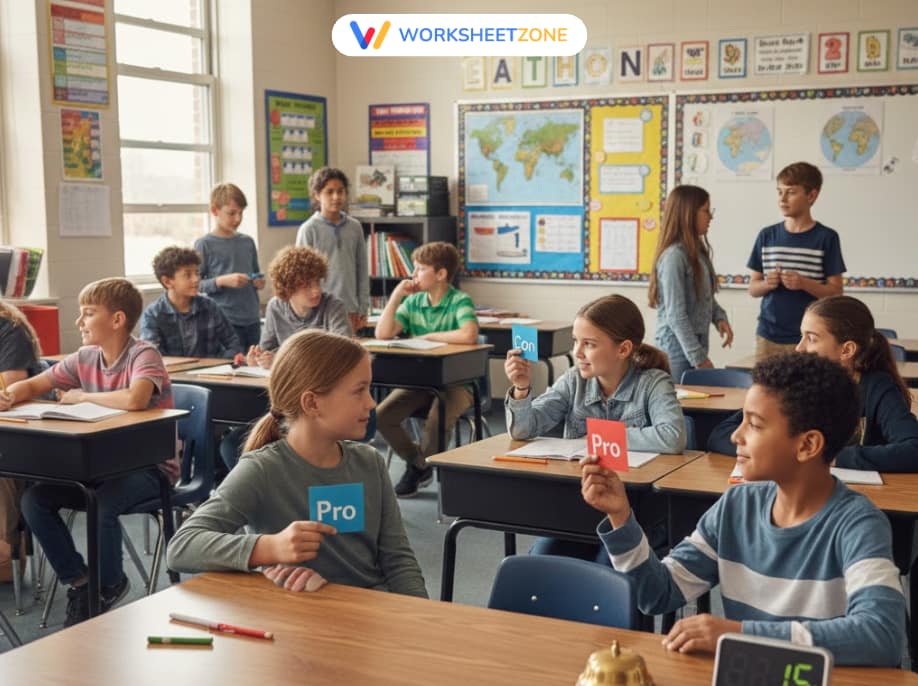
Build persuasive speaking skills with a fast-paced “speed debating” session. Students are paired up and given a low-stakes or high-stakes topic, then assigned a side (Pro or Con). They have 2 minutes to argue their point before a bell rings, and they rotate to a new partner with a new topic. This forces students to think on their feet, organize claims quickly, and practice active listening.
9. Plot structure relay
Turn the “Plot Diagram” into a competitive team event. Divide the class into teams and give each a stack of shuffled cards containing major plot points from a story they’ve just finished. On “Go,” one student at a time races to a board to tape their card in the correct position (Exposition, Rising Action, Climax, etc.). It’s a high-energy way to review sequencing and structural elements.
10. Real-world writing task
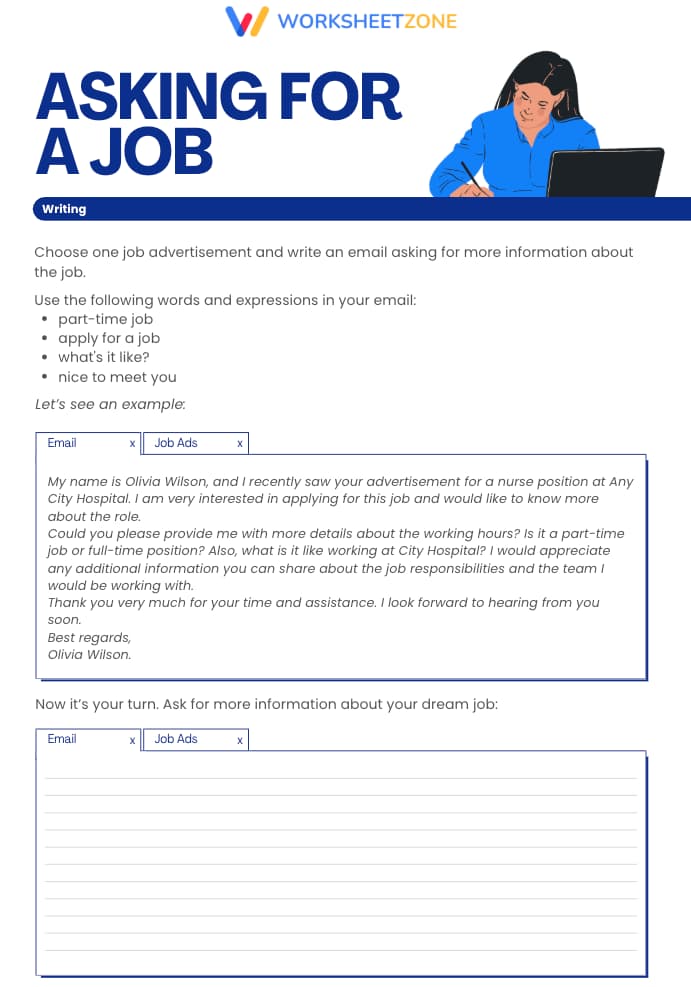
Bridge the gap between the classroom and the “real world” by assigning writing tasks with a practical purpose. Instead of a standard essay, have students write a formal letter to a local official, a professional email requesting an interview, or a persuasive “pitch” for a new product. This shows students that the writing skills they learn in ELA are essential tools for navigating life outside of school.
11. Reading choice board
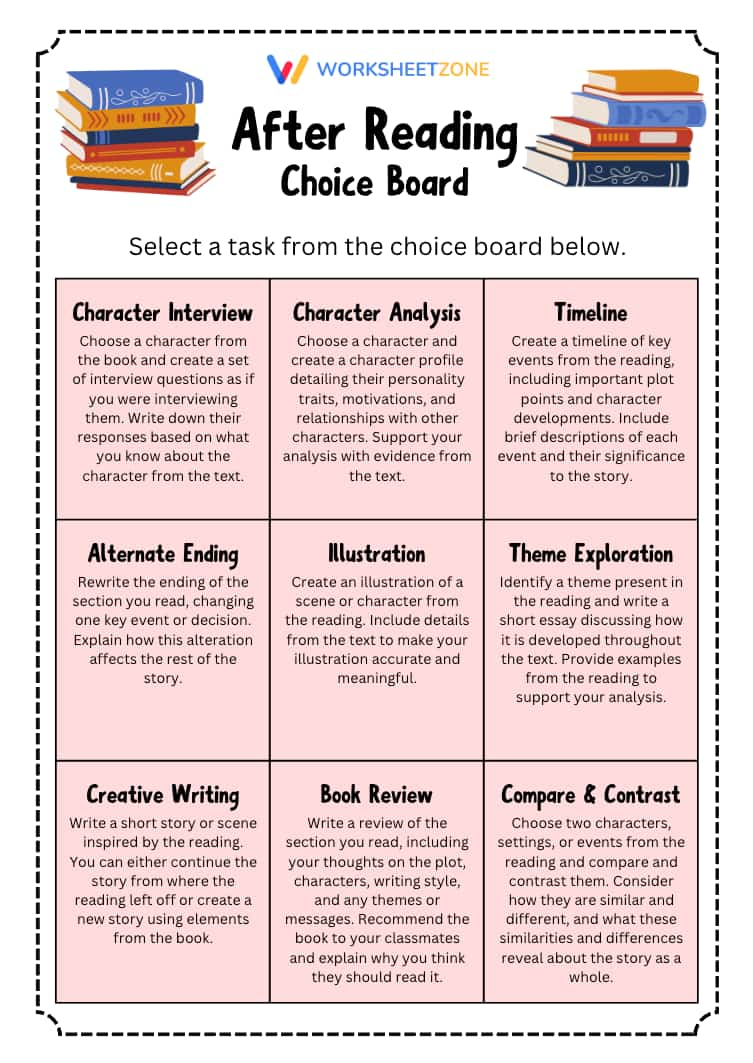
Empower students by offering a Choice Board for their independent reading assignments. A grid of 9 activities – ranging from “designing a book soundtrack” to “writing a letter to the author” – allows students to choose the task that best aligns with their interests and strengths. Providing autonomy in how they demonstrate their understanding significantly increases student buy-in in the quality of work.
12. Quote analysis stations
Set up various “stations” around the room, each featuring a provocative quote from the current text. Small groups rotate through the stations, spending 5 minutes at each to analyze the quote’s significance, identify literary devices, and predict its impact on the plot. This movement keeps energy high while ensuring students engage with multiple layers of the text in a single period.
13. Vocabulary word search + context writing

Combine the fun of a puzzle with the rigor of creative writing. After students find their weekly vocabulary words in a word search, they must immediately use those words to write a cohesive, short paragraph. This ensures that the “search” isn’t just a passive activity, but a lead-in to applying the words in an original, meaningful context.
14. Grammar in context
Rather than using disconnected worksheets, have students find “grammar in the wild.” Ask them to bring in examples of specific grammatical errors (or excellently used punctuation) from social media, advertisements, or news articles. They then explain why the error occurred and how to fix it. This teaches students that grammar isn’t just a school subject – it’s the logic behind how we communicate everywhere.
15. Creative exit ticket
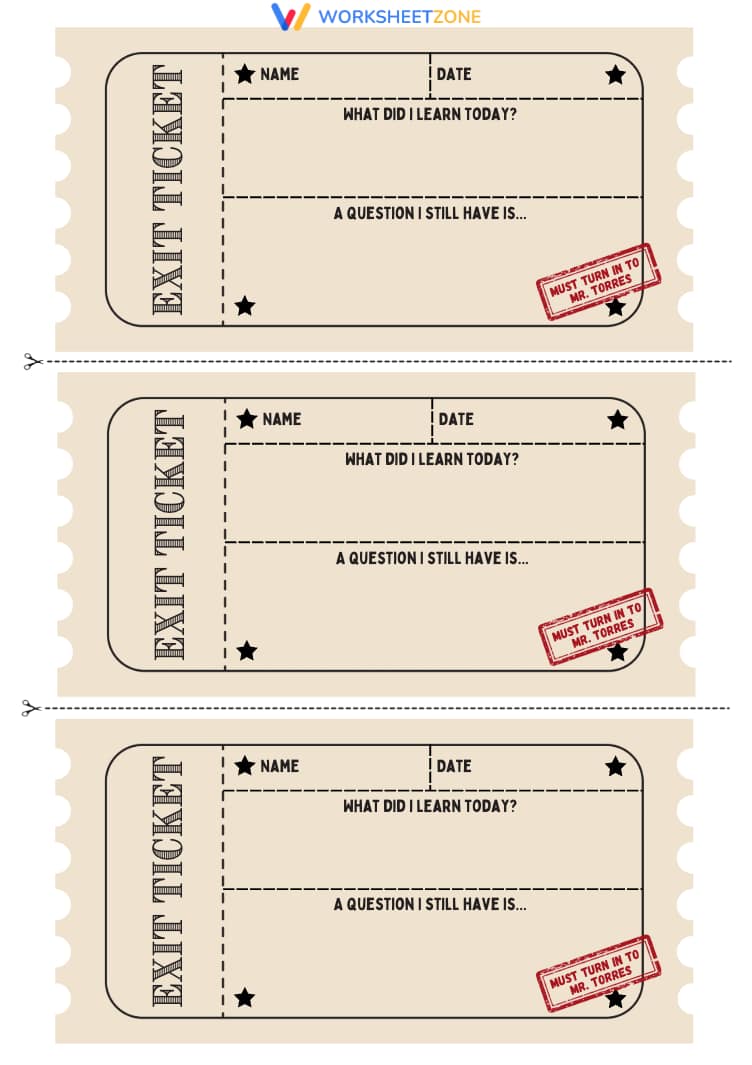
End your lesson with a “Creative Exit Ticket” that asks for more than just a summary. Ask students to “Tweet” the main idea in 280 characters, draw a quick sketch of the most important symbol from the lesson, or write a “one-word summary” with a one-sentence justification. These quick, imaginative checks for understanding provide you with instant data while letting students end the day on a creative note.
Frequently Asked Questions (FAQs)
1. How do I align these activities with my curriculum?
Most of these tasks are designed to be “plug-and-play,” meaning they can be adapted to any text or topic you are currently teaching. For example, “Theme Detectives” can be used with a short story, a novel, or even an informational article. Worksheetzone provides flexible frameworks that fit seamlessly into diverse lesson plans.
2. Are these activities suitable for high school students?
Absolutely. Activities like “Argument Speed Debate,” “Rhetorical Analysis Stations,” and “Mentor Sentence Imitation” are specifically designed to meet the rigor of high school standards. They help students develop the sophisticated communication skills required for college and career readiness.
3. Can I find more literacy resources on Worksheetzone?
Yes. If you enjoyed these ELA activities, you might also be interested in our related guides on Grammar Activities, Close Reading Activities, and Literacy Games for Kids.
Final thoughts
ELA activities play an essential role in shaping well-rounded, confident analytical thinkers. From kinesthetic plot relays to digital character profiles, each task supports a different area of literacy growth. The most effective ELA practice balances academic rigor with creative exploration. When chosen thoughtfully, these activities inspire curiosity and prepare students for long-term success.