


























Views
Downloads

Alphabetical Order Practice | Essential Grade 2 ELA
Paste this activity's link or code into your existing LMS (Google Classroom, Canvas, Teams, Schoology, Moodle, etc.).
Students can open and work on the activity right away, with no student login required.
You'll still be able to track student progress and results from your teacher account.
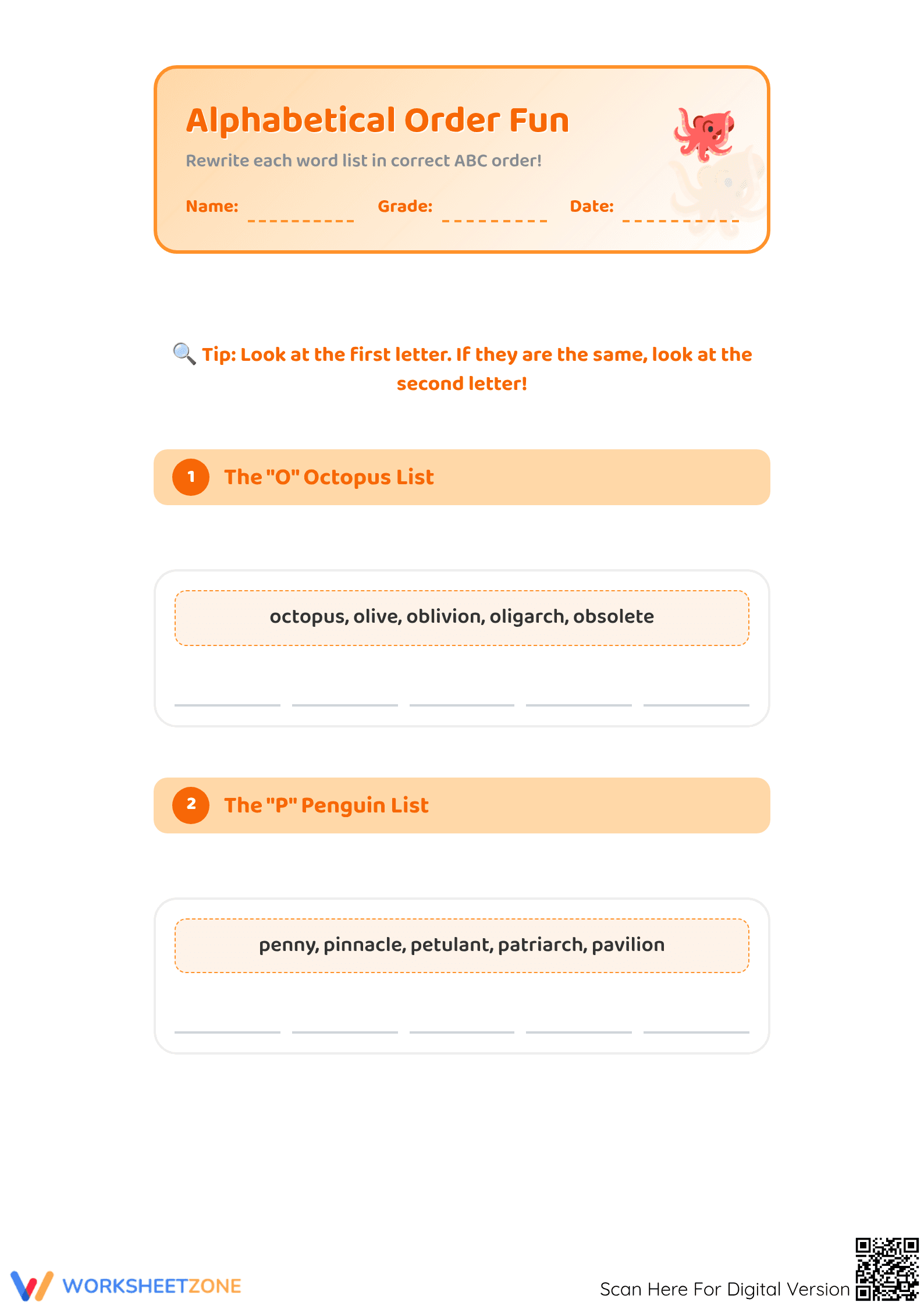
This Grade 2 alphabetical order worksheet provides comprehensive practice for students mastering the mechanics of word organization. By focusing on sorting words with identical starting letters, students develop the critical scanning skills necessary for dictionary use and information retrieval. This resource ensures learners move beyond simple letter recognition into advanced phonemic and orthographic awareness.
At a Glance
- Grade: 2 · Subject: ELA
- Standard:
CCSS.ELA-LITERACY.L.2.2— Use reference materials and alphabetizing skills to organize and check vocabulary- Skill Focus: Alphabetical order to the second letter
- Format: 4 pages · 10 tasks · Answer key included · PDF
- Best For: Independent literacy centers and morning work
- Time: 15–20 minutes
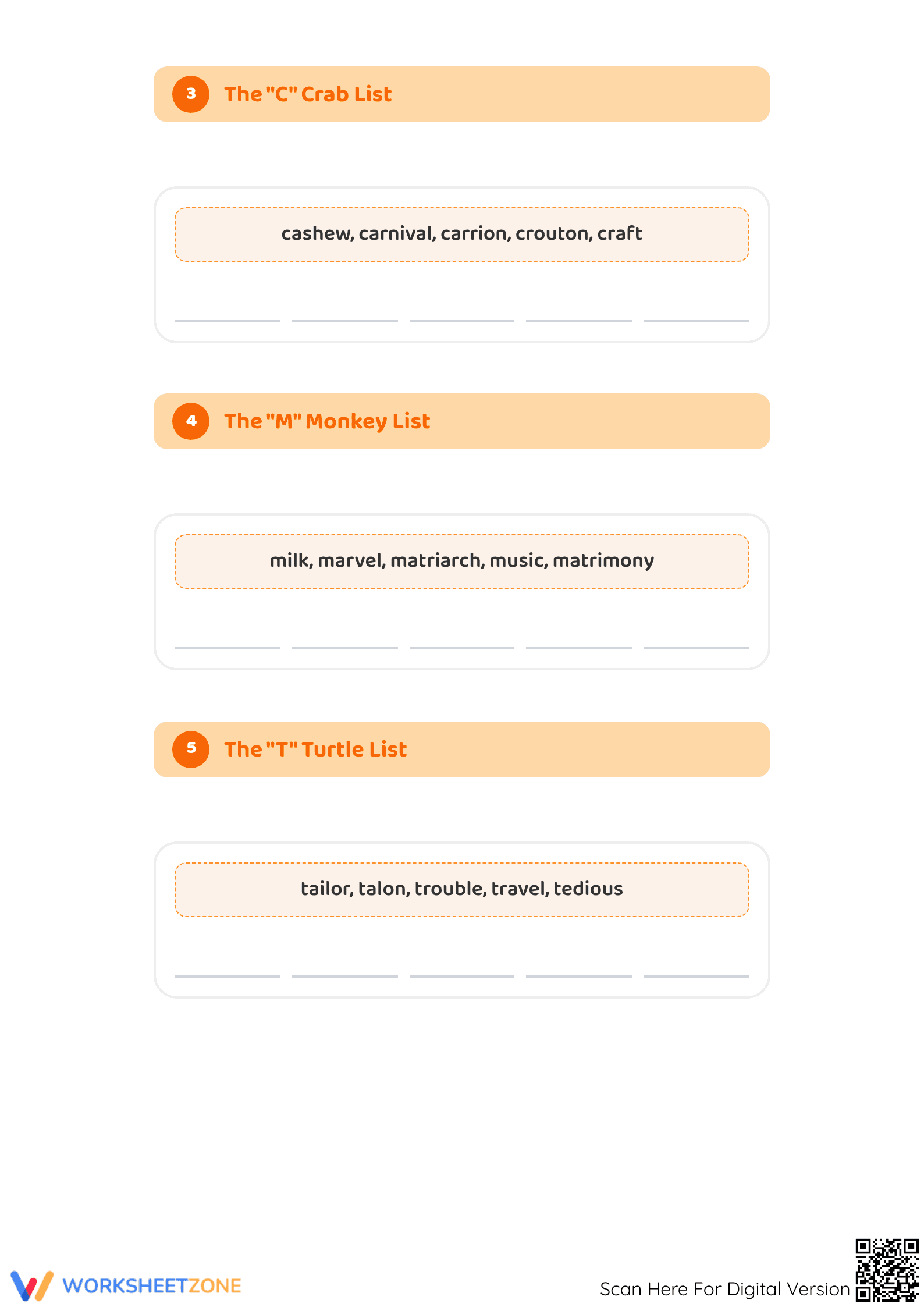
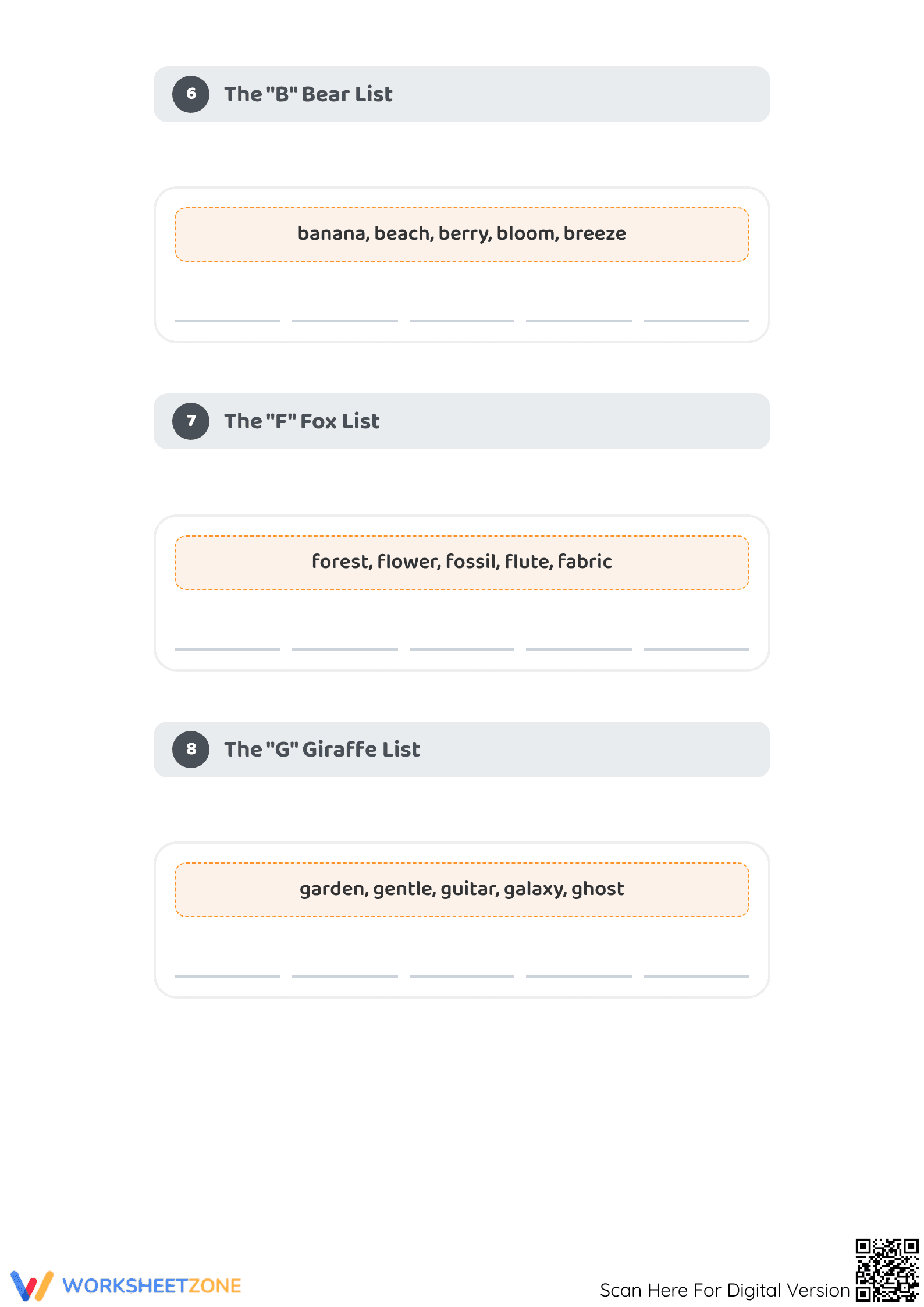
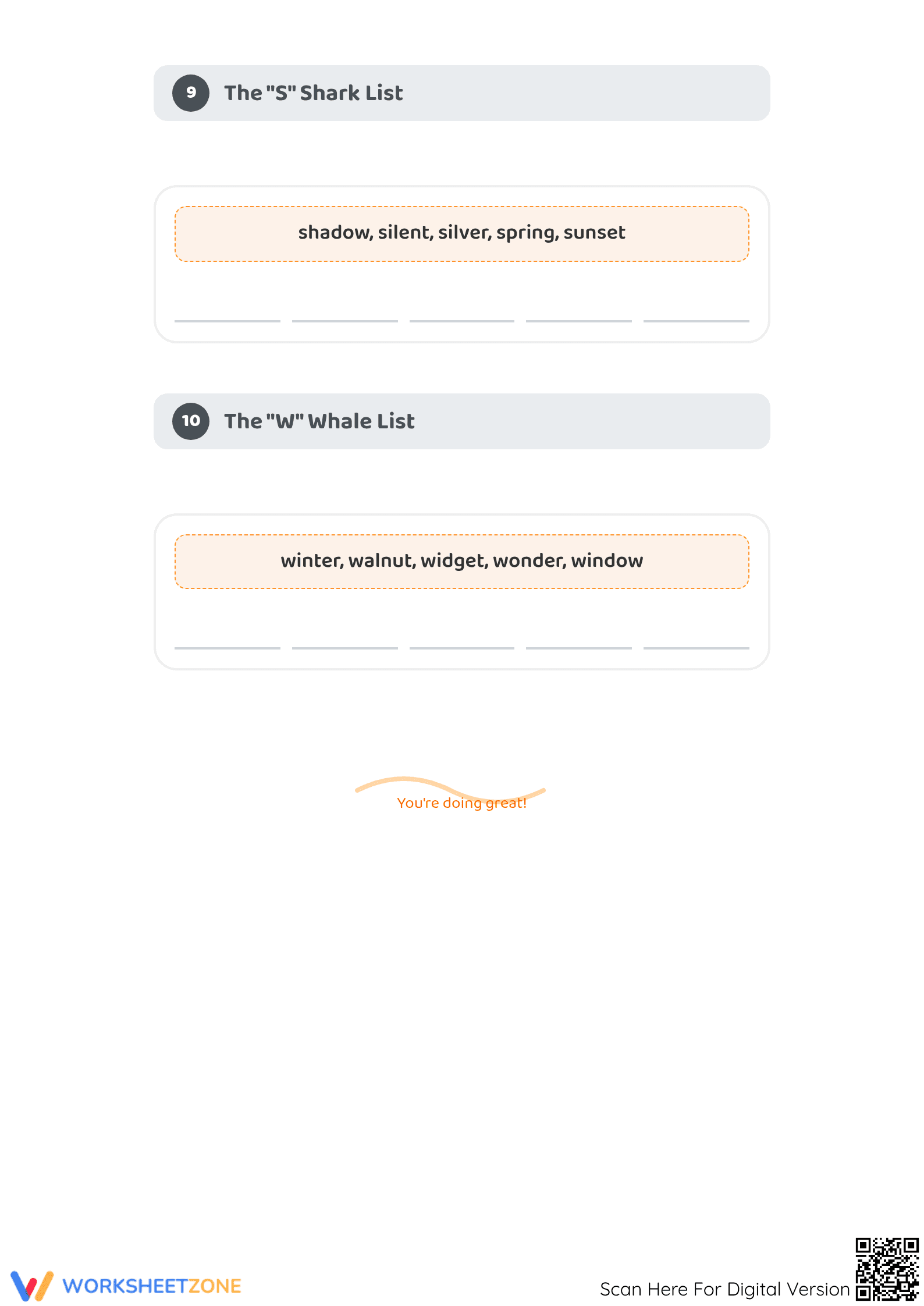
What's Inside: The packet contains four high-quality pages featuring ten distinct animal-themed word lists, such as the Octopus, Penguin, and Shark lists. Each task presents five vocabulary words that require students to look at the first and second letters to determine the correct sequence. A clear tip box on the first page provides immediate scaffolding, while the included answer key allows for rapid grading or student self-correction.
Zero-Prep Workflow: This resource is designed for immediate classroom implementation with a total teacher prep time of under two minutes. Simply print the four-page PDF and distribute it to your students. Because the instructions are self-explanatory and include a helpful tip for sorting by the second letter, students can begin working immediately without a lengthy introduction from the teacher.
Standards Alignment: The primary focus is `CCSS.ELA-LITERACY.L.2.2`, which requires students to demonstrate command of the conventions of standard English capitalization, punctuation, and spelling. Specifically, it builds the foundational alphabetizing skills needed to consult reference materials. These standard codes can be copied directly into lesson plans, IEP goals, or district curriculum mapping tools to ensure instructional compliance.
How to Use It: Assign this worksheet during your daily literacy block as a formative assessment to check for mastery of alphabetical sequencing. It works exceptionally well as a independent activity in a rotation-based classroom. Teachers should observe students as they tackle the Shark or Whale lists to see if they are correctly identifying the second letter when the first letters match. Expect completion within 20 minutes.
Who It's For: This resource is tailored for second-grade students, though it serves as an excellent challenge for first graders or a necessary review for third graders. It is particularly helpful for English Language Learners who are building their English vocabulary. Pair this worksheet with a physical classroom dictionary or a word wall to provide a concrete reference for students as they work through the lists.
According to research by Fisher & Frey (2014) on the gradual release of responsibility, structured practice with word organization like alphabetical order is vital for developing cognitive flexibility in young readers. This worksheet aligns with CCSS.ELA-LITERACY.L.2.2 by providing 10 targeted opportunities for students to apply alphabetizing rules to the second letter. Systematic practice in sorting vocabulary helps bridge the gap between basic letter recognition and the complex information-seeking behaviors required in later grades. Students reinforce English orthography by engaging with 50 unique words across four pages. This type of focused, repetitive practice is a hallmark of effective literacy instruction, ensuring that the mechanical skill of alphabetizing becomes an automated process, allowing students to focus more energy on higher-order comprehension tasks during research and reading.


