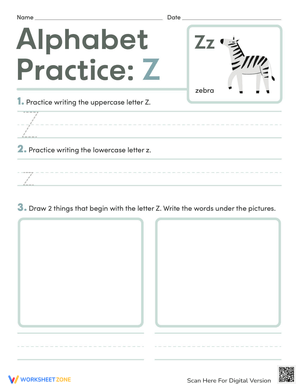
Sitting down to help your child learn a tricky letter like Z can feel like a small mountain on a busy weekday evening. You want to be patient, encouraging, and helpful, but you may not always know where to start. The good news is that thoughtful letter Z tracing worksheets give you a gentle, ready-made path forward. They take the guesswork out of teaching, so the moments at the table can become about closeness rather than confusion or pressure.
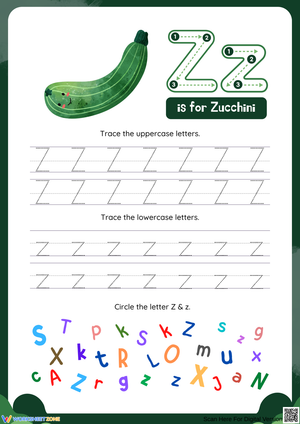
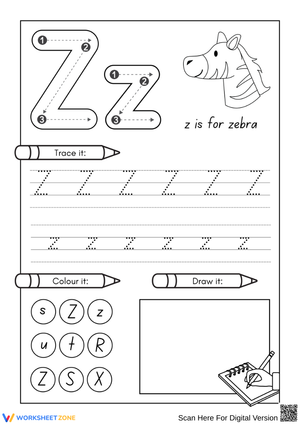
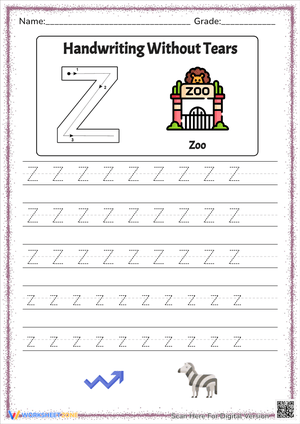
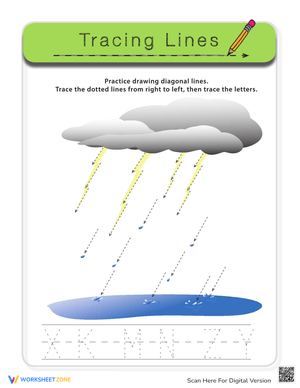
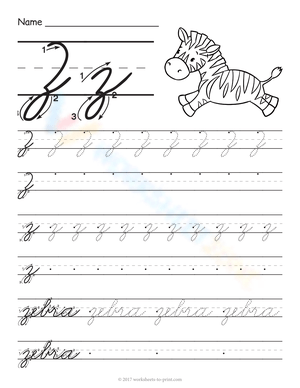
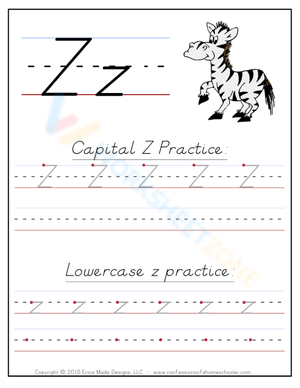
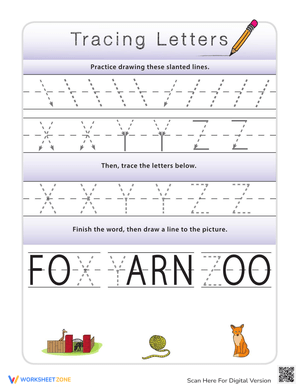
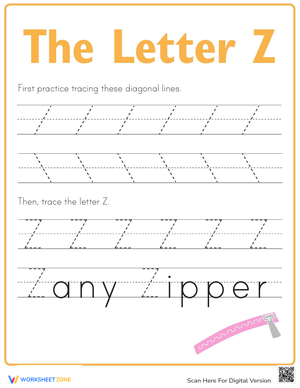
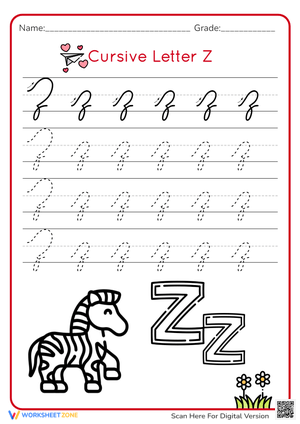
What makes structured tracing pages so helpful is that they grow with your child. Early sheets begin with large dotted Zs and bold guide arrows that show exactly where each pencil stroke should travel. As your young learner gains control, the letters shrink and the prompts fade, allowing independence to emerge naturally. This careful progression builds true muscle memory and quiet confidence, turning each completed page into a small, visible win that your child can feel proud of.
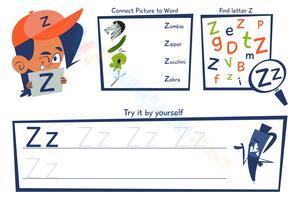
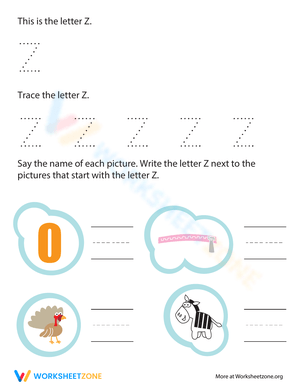
Practice does not need to feel like a chore, and the best pages prove it. Many sets pair the letter with zebras, zippers, or zigzag mazes that turn handwriting into a tiny adventure. You can extend the fun with hands-on ideas from our alphabet activities for preschoolers, weaving songs, crafts, and movement into your routine so the lesson lingers long after the pencil is set down. Play and learning belong together, especially at this age.
These printable pages also open a quiet window into what your child is exploring at school. When you sit beside them and watch the careful loops and lines take shape, you start to notice which strokes feel easy and which need more time. Pairing tracing with a related sound activity, such as our letter Z beginning sound page, helps connect handwriting with phonics in a way teachers and parents both appreciate.
Worksheetzone is here to walk this early literacy journey beside your family. Print a few pages tonight, brew a cup of tea, and let the steady rhythm of pencil meeting paper become a shared ritual. With consistent encouragement and the right letter Z tracing worksheets, your child will move from cautious first attempts to writing the alphabet with pride, one warm and unhurried session at a time.
Frequently Asked Questions
Question 1: At what age can my child start using letter Z tracing worksheets?
Most children are ready for letter Z tracing worksheets between ages three and five, once they can hold a pencil with reasonable control. Begin with large, dotted letters and short sessions of about five to ten minutes. If your child shows frustration, set the pages aside and return later. Readiness varies widely, and tracing should always feel inviting rather than rushed, so trust your child's pace and celebrate small steps forward.
Question 2: How often should we practice tracing the letter Z at home?
Short and consistent sessions tend to work better than long, occasional ones. Aim for two or three short practice times each week, lasting around ten minutes apiece. This rhythm allows new motor patterns to settle in without overwhelming young hands. Pair tracing with reading aloud or a quick zigzag drawing game to keep the experience fresh. Consistency matters far more than perfection, so a steady, gentle routine will support real progress.
Question 3: Why does my child reverse the letter Z when writing?
Reversals are a normal part of early handwriting development and rarely signal a deeper issue at the preschool or kindergarten stage. The Z has angled lines that can feel tricky, especially before children fully understand left and right. Use worksheets with clear directional arrows and verbal cues like across, down, across to anchor the motion. With patient repetition, the correct form becomes natural, usually well before the early elementary years.
Question 4: How can I make letter Z practice more engaging for my child?
Mix tracing pages with playful activities tied to the letter. Hunt for items at home that begin with Z, such as a zipper, a zebra toy, or a jar of zucchini. Try forming a giant Z with masking tape on the floor and walking the strokes. Singing alphabet songs or drawing zigzags with crayons keeps energy high. When practice feels like play, your child remains curious and motivated to keep learning.