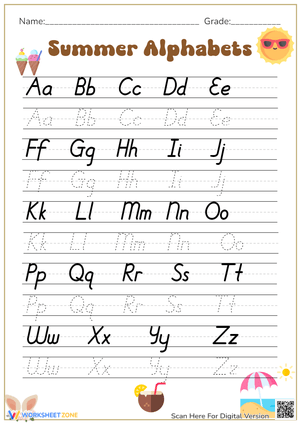
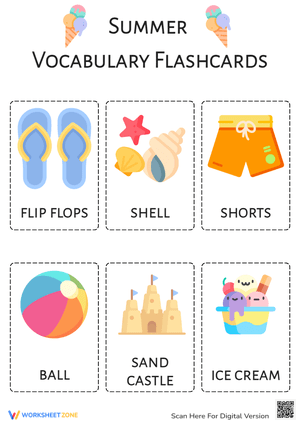
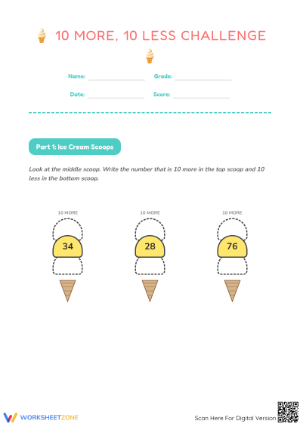
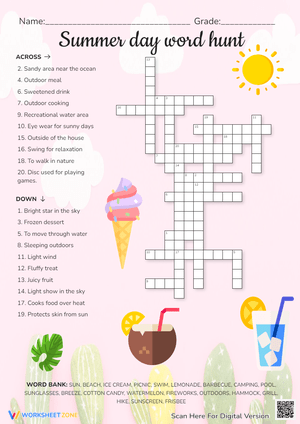
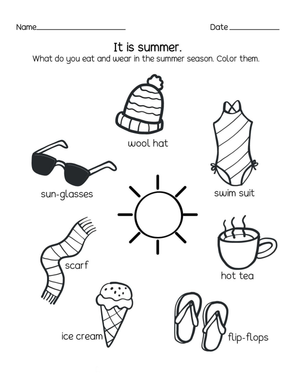
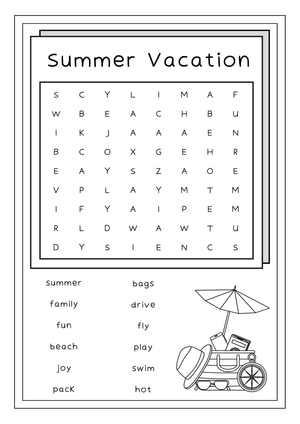
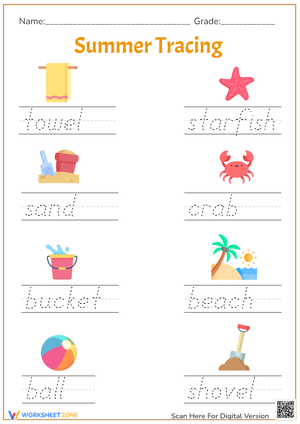
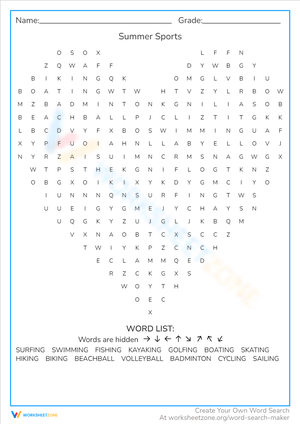
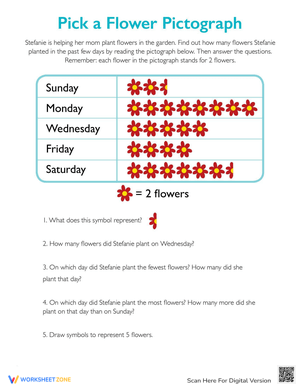
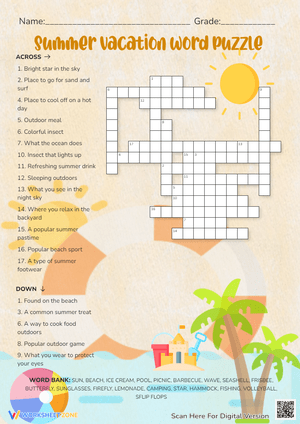
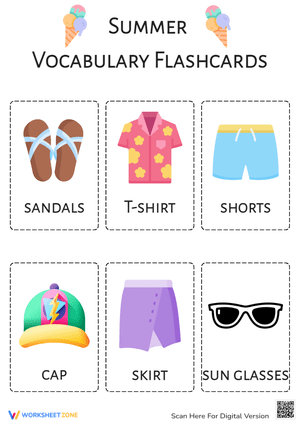
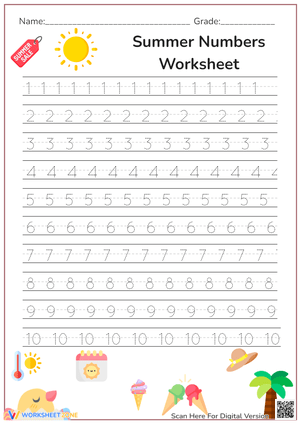
These summer worksheets sets give teachers a print-ready response to the reading and math regression that shows up in nearly every classroom by the third week of September — specifically, the loss of fact fluency and reading stamina that students spent the spring semester rebuilding after winter break. The collection spans literacy, foundational math, and science observation logs, organized so that families can rotate through subjects without a teacher present to sequence the work.
The Specific Skills Targeted
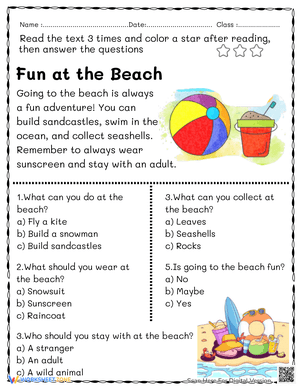
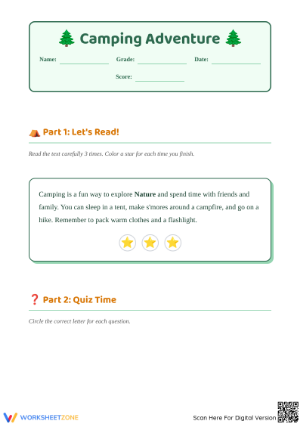
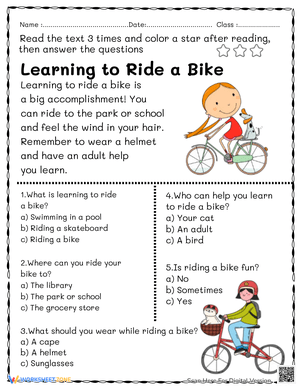
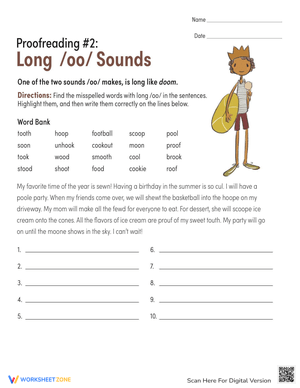
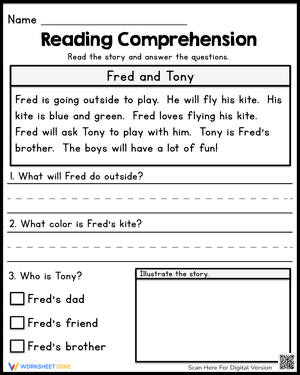
Reading worksheets focus on comprehension strategies students already know — identifying main idea, making inferences, summarizing — applied to short, high-interest passages rather than textbook excerpts. Students annotate the text, underline textual evidence, and write short constructed responses. Passages run one to two paragraphs: long enough to require genuine reading, short enough that a reluctant reader finishes rather than abandons the task.
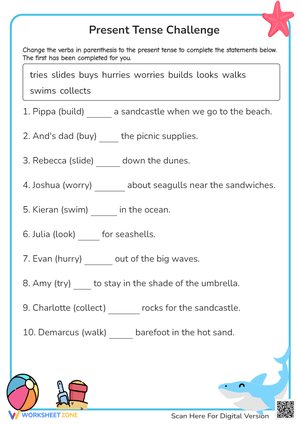
Math worksheets work through grade-level operations with a mix of computation and word problems. The word problems use summer contexts — travel distances, recipe scaling, budgeting for a day trip — which makes the arithmetic feel purposeful rather than arbitrary. Each math worksheet ends with one open-ended logic problem that requires students to show their reasoning, not just record a final answer.
Science observation worksheets are built around a simple data log: students record what they observe, measure, or notice outside, then respond to three guided questions that push them from description toward explanation. A student tracking cloud cover across a week is practicing the same inferential reasoning as a student completing a formal lab report — the worksheet removes unfamiliar vocabulary without removing the thinking.
How to Build These Worksheets Into Your End-of-Year Lesson Plans
The most effective use comes from sending these home in an explained context rather than dropping them into a folder on the last day. Use the final instructional week to walk students through one worksheet per subject area — not to complete it together, but to remove the uncertainty of what is being asked. A student who understands the task on June 15th is far more likely to pick it up again in July than one who opens an unfamiliar packet alone in August.
A practical structure: organize each student's set by week rather than by subject. Week one gets three worksheets — one literacy, one math, one science. Week two gets three more. That rotation keeps the work manageable and prevents the pattern we see most often: students burning through everything in the first week and having nothing left when it matters most. A simple tracking sheet where students check off completed worksheets gives families a visible progress record without requiring any grading from you. Printing the summer worksheets on light-colored stock — pale yellow or light blue — also helps families distinguish the packet from regular school papers when sorting through backpacks in July.
Student Patterns Worth Watching For Before You Send These Home
The most predictable failure mode for summer packets is not laziness — it's ambiguity. Students who coast through the school year on verbal instruction hit a wall when they encounter written directions they have to interpret alone. The preview week reveals this quickly: if a student asks what a direction means when it seems self-evident to you, mark that worksheet and add a spoken explanation before it leaves school.
A second pattern appears on word problems. Many students who compute accurately during the year rely on a teacher restating the problem before they begin writing. Without that prompt, they abandon the word problem entirely or answer only the arithmetic portion without recording any reasoning. A sticky note inside the packet — "circle the question, underline the numbers given, then start" — is a small addition that meaningfully increases the number of complete attempts returned in the fall.
Adjusting the Set for a Range of Learners
For students at or above grade level, the reading passages support extension work without any redesign. Instead of answering only the printed questions, these students can write a second paragraph comparing the passage to something they have read or experienced. That instruction takes ten seconds to add with a handwritten note and turns a review activity into genuine analytical writing practice.
For students who struggled significantly during the year, the math worksheets can be modified by focusing only on the computation problems and skipping word problems until a family member can sit with them. Science observation logs are often the most accessible entry point for these students — the format is open enough that any observation counts, which removes the fear of a wrong answer. A summer worksheets collection works across ability levels in part because it is being used at home, where the social dynamics of classroom performance are absent. Students who shut down in group settings often complete independent work far more willingly when no peers are watching.
Frequently Asked Questions
How many worksheets per week is realistic for most students?
Two to three worksheets per week — distributed across subjects — is sufficient for most elementary and middle school students to maintain core skills. Short sessions of 15 to 20 minutes on three non-consecutive days outperform longer single sessions because spaced practice consolidates memory more effectively than massed review. Consistency matters far more than quantity.
Can families use these files digitally instead of printing them?
Most summer worksheets files load cleanly into Google Classroom or can be annotated directly on a tablet using apps like Notability or Adobe Acrobat. For the science observation logs, students can photograph their outdoor observations and paste them into the digital version. That said, the math and reading worksheets benefit from handwriting — the physical act of writing a constructed response engages retrieval differently than typing it.
How do I communicate the purpose of summer packets to skeptical families?
Frame it around the September re-teaching cost rather than the summer learning benefit. Most families respond to a concrete explanation: students who practice reading twice a week over the summer typically spend the first two weeks of fall building on last year's skills rather than re-learning them. Keep expectations minimal and specific — one worksheet per subject per week, 15 minutes maximum — and families are significantly more likely to follow through.
What is the best way to handle students who return in the fall without completing any of the work?
Completion should not be a graded requirement. A brief informal check-in at the start of the year — a five-question warm-up that mirrors the summer content — tells you more about retention than whether a packet was turned in. Some students completed every worksheet and retain little; others did nothing but had experiences over the summer that built genuine background knowledge. Use the results to plan your first unit's review tasks, not as an accountability measure.












 Interactive Worksheet Maker
 Quiz Maker
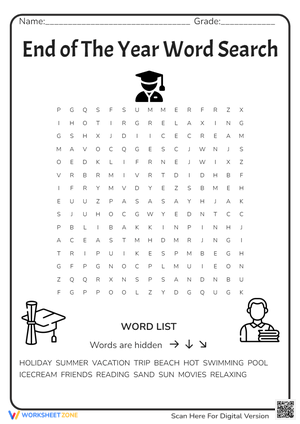
 Word Search Maker
 Crossword Puzzle Maker
 Word Scramble Generator
 Sentence Scramble Generator
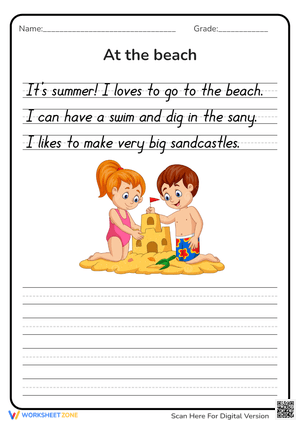
 Handwriting Worksheet Generator
 Name Tracing Generator
 Fill In The Blank Generator