Why Back to School Coloring Sheets Earn a Spot in Your First-Week Plans
The first days of a new school year are packed with paperwork, name tags, supply checks, and a room full of students who do not yet know your routines. Back to school coloring sheets give you a reliable, screen-free activity that fills those gaps without demanding your full attention. While you are taking attendance, verifying emergency contact forms, or greeting a nervous student at the door, the rest of the class can settle into a quiet, purposeful task at their desks.
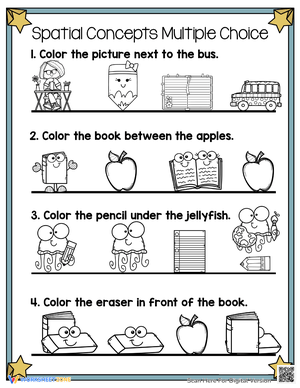
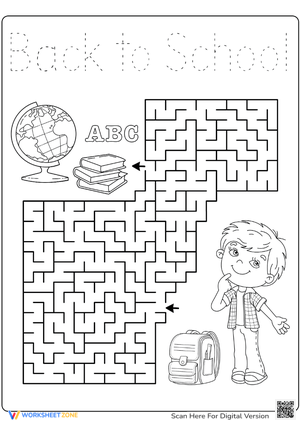
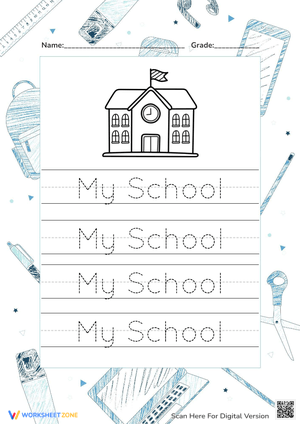
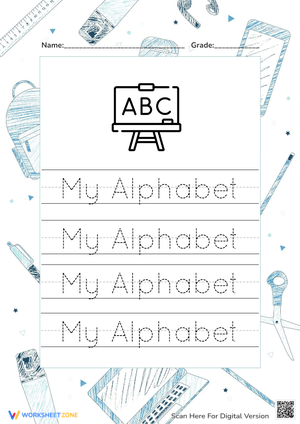
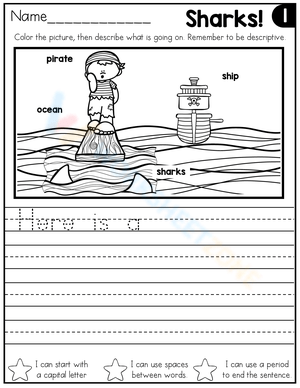
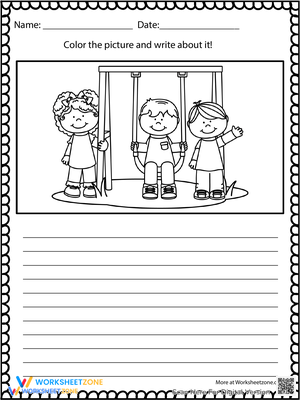
This is not about busywork. A well-chosen coloring sheet themed around school supplies, classroom scenes, or the alphabet does double duty: it occupies hands and calms nerves while reinforcing vocabulary students will use all year, like backpack, pencil, calendar, and classroom helper.
Using Coloring Sheets as a First-Day Icebreaker
On day one, kids are sizing up their new teacher, their new classmates, and an unfamiliar room. A back to school coloring sheet placed on each desk before students arrive gives them something familiar and low-stakes to do the moment they sit down. There is no wrong answer, no waiting for instructions, and no pressure to perform.
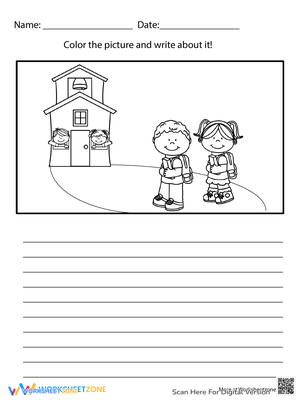
You can extend this into a light icebreaker by asking students to color a picture of themselves at school, then share one detail with a table partner. Because the activity requires no reading fluency and minimal verbal instruction, it works well even in classrooms where students are still learning routines or are new English learners.
Building Fine Motor and Pencil-Grip Readiness
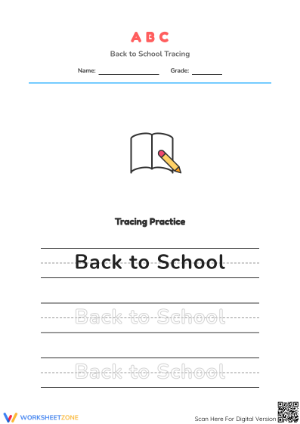
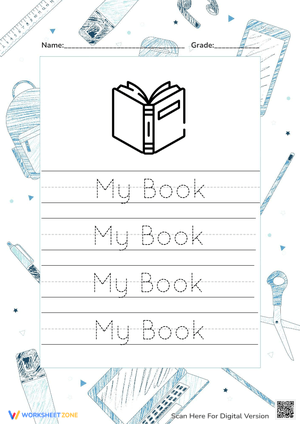
Coloring is more than a filler activity for kindergarten and first grade classrooms. Repeated coloring practice strengthens the small muscles in the hand, builds grip endurance, and develops the bilateral coordination students need to hold and control a pencil for handwriting tasks later in the year.
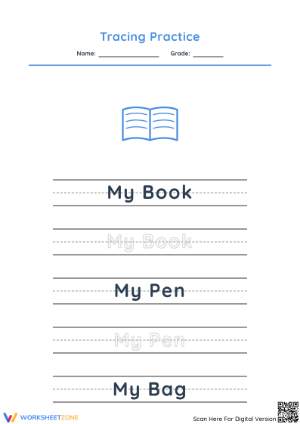
Occupational therapy resources consistently recommend coloring, tracing, and similar fine-motor play as a foundation for a functional pencil grasp in young children, which means the five minutes a kindergartner spends coloring a school-bus scene is doing real developmental work, not just keeping hands busy.
For students who already show strong pencil control, choose sheets with finer detail and smaller spaces. For students who are still building grip strength, offer simpler outlines with larger open areas so the task stays achievable rather than frustrating.
Easing First-Week Anxiety with Calm, Low-Stakes Tasks
Even confident students can feel unsettled during the first week of a new grade. New teacher, new classmates, new expectations: it adds up. Mindful, low-stakes coloring activities are commonly used to help students self-regulate during transitions, which makes them a natural fit for calm corners or quiet-time stations during the opening days of school.
Classroom application: A 2023 review of school-based mindfulness and self-regulation practices found that brief, repeatable calming tasks, including drawing and coloring, are associated with reduced observable anxiety behaviors during school transitions, supporting their use as a low-cost first-week regulation tool in elementary classrooms.
Keep a small stack of back to school coloring sheets in your calm corner or quiet basket from day one. Students who feel overwhelmed by the noise and newness of the classroom have an immediate, teacher-approved option that does not require them to ask for anything complicated.
Creating a Low-Prep Morning Work or Early-Finisher Station
Morning work sets the tone for the day, and the first week is not the time to introduce a complicated new system. A basket or folder of back to school coloring sheets works as an instant morning work station: students arrive, find their sheet, and get started without needing detailed directions.
The same sheets double as an early-finisher option once your regular routines begin. Students who complete a task ahead of classmates can pull a coloring sheet instead of sitting idle or interrupting a small group lesson. Because the activity is self-directed, it protects your instructional time with the students who need it most during those first, chaotic days.
Connecting Coloring Pages to Vocabulary and Routine-Building
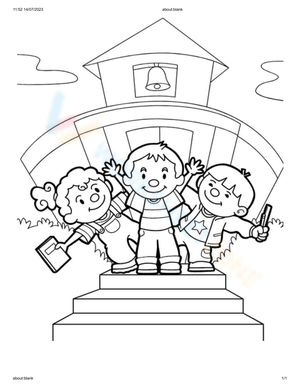
Choose coloring sheets that reflect the specific routines and vocabulary you plan to teach. A classroom-scene sheet showing a calendar, a supply bin, and a reading corner gives you a natural opening to preview where things live in your room. A school-supplies sheet featuring scissors, glue, and crayons lets you review care and cleanup expectations while students color the items in front of them.
This pairing turns a quiet activity into a light, visual vocabulary lesson. Students are more likely to remember where the pencil sharpener is or what the line-up signal looks like when they have colored a picture of it themselves.
Differentiating for Mixed-Ability Classrooms
Any classroom includes a range of fine motor skill and attention span. Keep two or three versions of your coloring sheets on hand: a simple, large-shape version for students who tire quickly or are still building grip strength, and a more detailed version for students who want a longer, more engaging challenge.
This small amount of prep prevents the two most common problems with coloring stations: students finishing in ninety seconds with nothing left to do, or students getting stuck and frustrated on a design that is too intricate for their current skill level.
Classroom Implementation
Here is a simple way to roll out back to school coloring sheets during your first week.
- Print a small stack of two or three difficulty levels before the first day.
- Place a sheet on each desk for arrival, and keep a backup stack in your calm corner.
- Use school-supply and classroom-scene themes to preview routines and vocabulary.
- Offer coloring as an early-finisher option once regular lessons begin.
- Rotate in new themes each day of the first week to keep the novelty fresh without adding prep time.
None of these steps require special materials beyond crayons or colored pencils you likely already have on hand, which makes this one of the lowest-prep tools available for the opening days of school.
Frequently Asked Questions
1. What grade levels benefit most from back to school coloring sheets?
Early elementary grades, particularly kindergarten through grade 2, get the most direct benefit because coloring supports fine motor and pencil-grip readiness at an age when those skills are still developing. Older elementary students can still use coloring sheets effectively for calm-down time, transitions, and morning work, just with more detailed designs.
2. How can teachers use coloring sheets without losing instructional time?
Treat coloring sheets as a background activity rather than a lesson. Use them during arrival, attendance, transitions, or as an early-finisher option so they run alongside your other first-week tasks instead of taking dedicated teaching time.
3. Do coloring activities actually help with handwriting or pencil grip?
Coloring builds the hand strength, grip endurance, and bilateral coordination that support a functional pencil grasp, which is why occupational therapy resources often recommend it as a foundation activity for young children working toward handwriting readiness.
4. How can coloring sheets support students who feel anxious on the first days of school?
Placing coloring sheets in a calm corner or quiet basket gives anxious students a self-directed, low-stakes way to regulate during transitions, without needing to ask a teacher for a specific accommodation on a busy first day.
5. What is the best way to fit coloring sheets into a tight first-week schedule?
Keep a ready stack of pre-printed sheets at two or three difficulty levels so you can hand them out instantly for arrival, transitions, or early finishers, avoiding any extra prep during an already packed week.












 Interactive Worksheet Maker
 Quiz Maker
 Word Search Maker
 Crossword Puzzle Maker
 Word Scramble Generator
 Sentence Scramble Generator
 Handwriting Worksheet Generator
 Name Tracing Generator
 Fill In The Blank Generator




 BACK TOSCHOOL