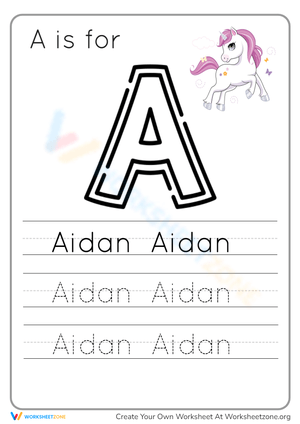
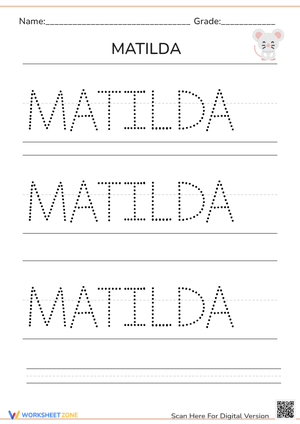
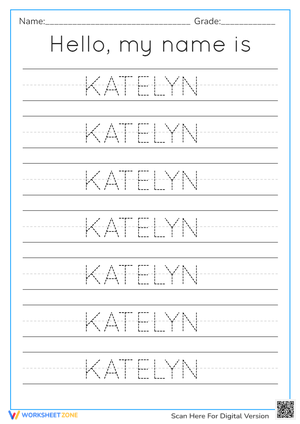
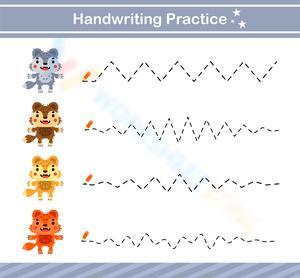
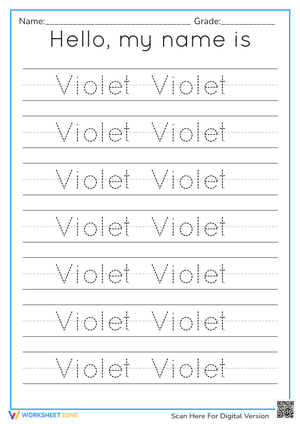
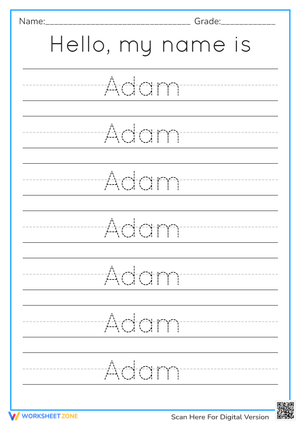
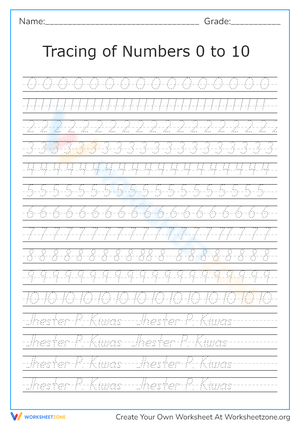
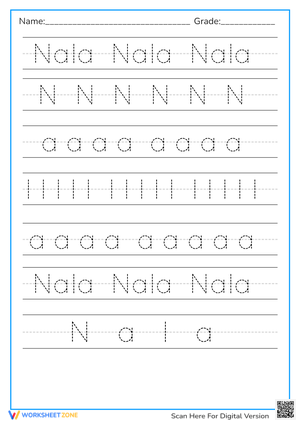
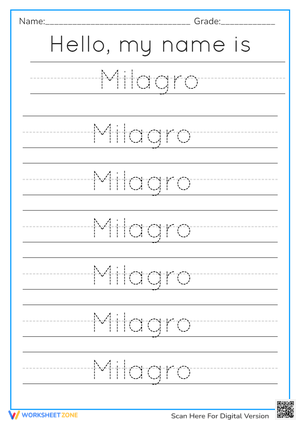
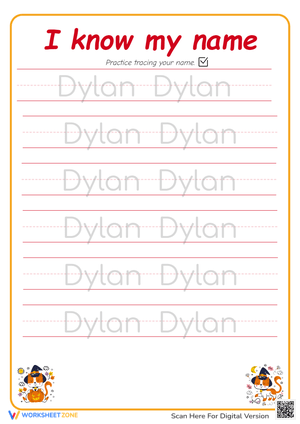
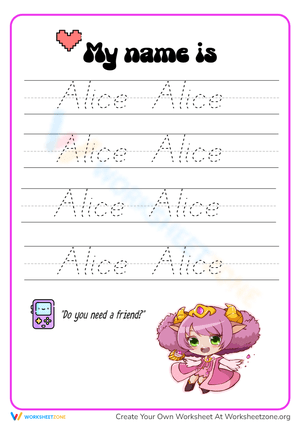
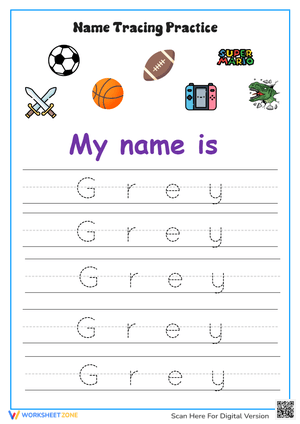
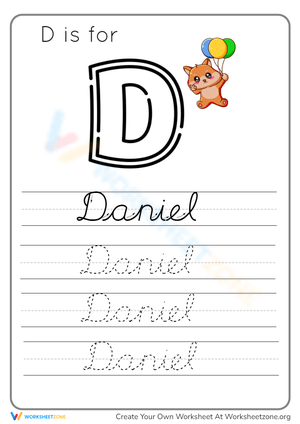
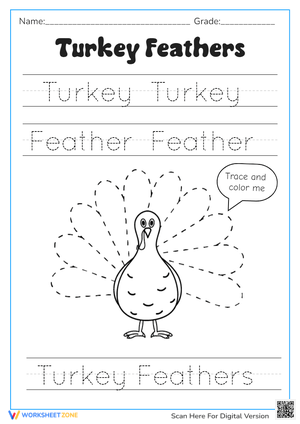
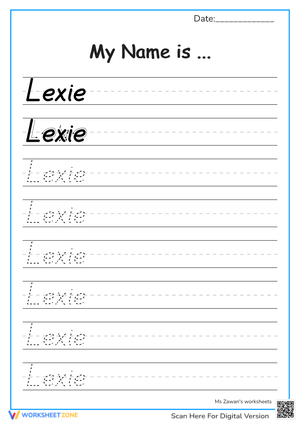
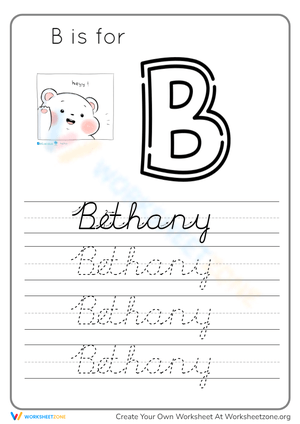
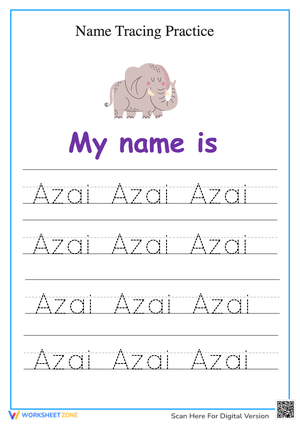
I still remember the morning a quiet four-year-old in my class first traced the letters of her own name without any help. That single moment, watching her face light up with recognition and pride, showed me exactly why preschool name tracing worksheets are one of the most powerful tools a teacher can keep in their classroom toolkit. A child's name is the first word that truly belongs to them, and using it as a starting point for writing practice creates an instant emotional connection to the learning process. When young learners see their own name on the page, engagement follows naturally.
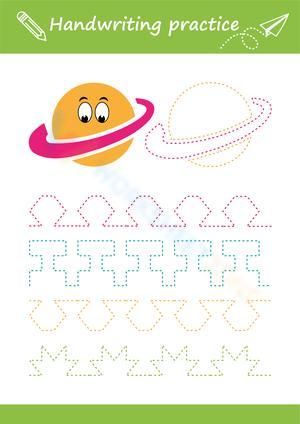
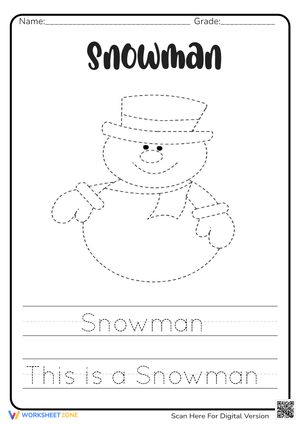
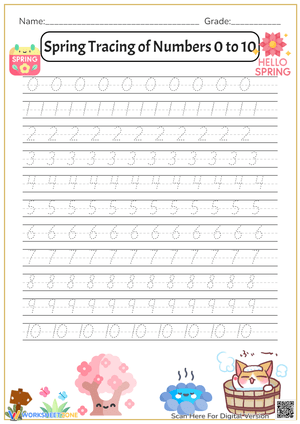
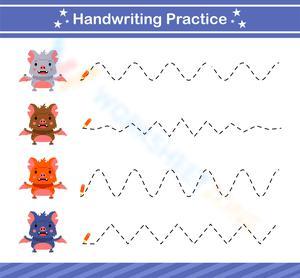
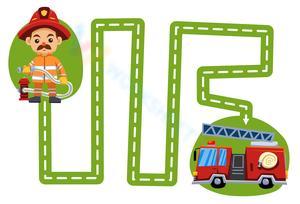
The developmental benefits of consistent name tracing practice go well beyond simply learning to write a few letters. Each time a child grips a pencil and follows a dotted line, they are strengthening the fine motor muscles needed for all future writing tasks. Hand-eye coordination improves with every session, and the repetitive motion builds the kind of muscle memory that makes letter formation feel automatic over time. For teachers managing a classroom of diverse learners, these printable materials offer a reliable and low-prep way to deliver meaningful, differentiated practice every single day. Students who struggle with pencil grip often show noticeable improvement within just a few weeks of structured tracing work.
One of the best ways to deepen a child's progress is to pair personalized name practice with broader handwriting resources. Worksheetzone offers a wide range of name tracing worksheets that let teachers and parents customize practice materials to each child's specific needs. This kind of targeted approach ensures that learners are not just memorizing the shape of their name but developing transferable letter-formation skills that carry over into reading and writing across all subjects. Thoughtful integration of these tools into daily routines creates a consistent bridge between isolated skill-building and authentic literacy development.
Parents play a critical role in reinforcing the skills children begin developing in the classroom. Setting aside ten minutes in the evening for a short name tracing session can make a meaningful difference in how quickly a child gains confidence with a pencil. I always encourage families to celebrate small wins, whether that is a straighter line, a better grip, or simply a child who sits down to practice without being asked. If you are looking for ideas on how to set up these sessions at home, the guide on how to create a name tracing worksheet on Worksheetzone is a practical starting point for building a personalized routine. The partnership between home and school is one of the greatest accelerators of early childhood literacy growth.
Teachers and parents who commit to regular practice with preschool name tracing worksheets give young learners a foundation that extends far beyond the letters of their own name. The confidence, coordination, and focus that children develop through this simple daily habit prepare them for every writing challenge they will encounter in kindergarten and beyond. Worksheetzone is proud to support educators and families with high-quality, classroom-tested printable resources that make early literacy practice both effective and enjoyable for every student.
Frequently Asked Questions
Question 1: At what age should children start using name tracing worksheets?
Most children are ready to begin preschool name tracing worksheets between the ages of three and four. At this stage, their fine motor skills and hand-eye coordination are developed enough to hold a pencil and follow dotted lines. Starting early with low-pressure tracing activities builds confidence and prepares them for more structured writing in kindergarten.
Question 2: How often should preschoolers practice name tracing?
A short daily session of five to ten minutes is enough to see steady progress with name tracing for preschoolers. Consistency matters more than duration at this age. Teachers can use these printable worksheets as a morning sign-in activity, while parents can incorporate them into an after-school or bedtime routine to reinforce classroom learning.
Question 3: What skills do name tracing worksheets help develop?
Preschool name tracing worksheets support fine motor development, pencil grip, hand-eye coordination, and early letter recognition. Because children are tracing familiar letters from their own name, the activity also builds a personal connection to literacy. Over time, this targeted practice transfers to improved handwriting across all letters and words in the curriculum.
Question 4: Can name tracing worksheets be used for students with different skill levels?
Yes, name tracing worksheets can be adapted for a wide range of ability levels in the preschool classroom. Beginners benefit from thicker dotted lines and larger letter guides, while more advanced students can progress to lighter guidelines or independent writing practice. Worksheetzone makes it easy for teachers and parents to find and customize materials that match each learner's current stage of development.