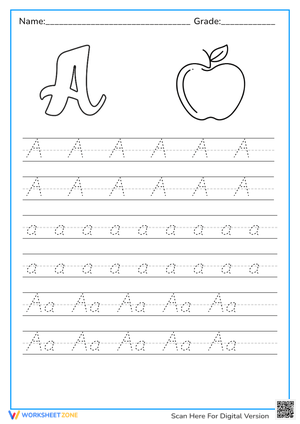
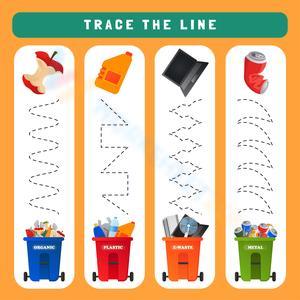
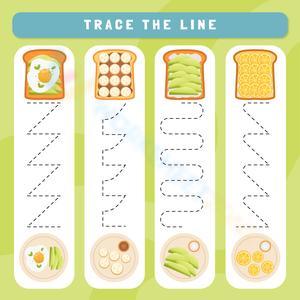
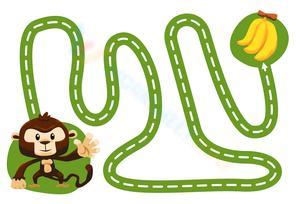
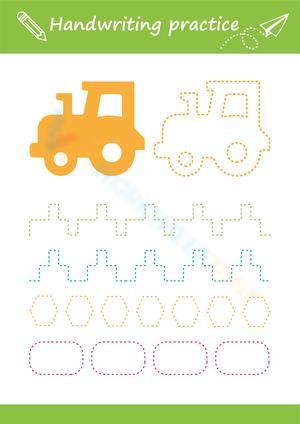
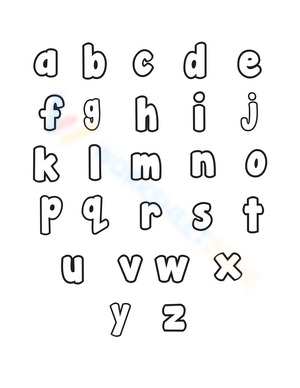
Preschool cursive writing worksheets meet young children at a pivotal cognitive milestone, when small hands begin translating mental shapes into intentional marks on paper. At this age, learners are refining the bilateral coordination, pencil grip, and spatial awareness that anchor every future literacy task. By introducing flowing letter shapes within a structured page, our printable activities give preschool students gentle, age-appropriate exposure to the connected strokes of cursive long before formal instruction begins in primary classrooms.
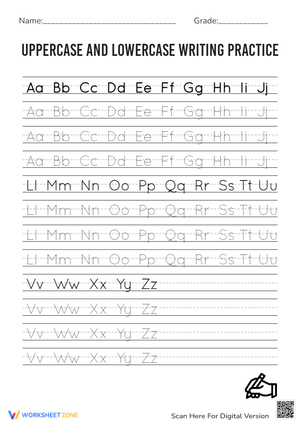
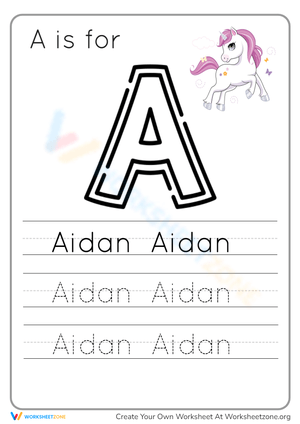
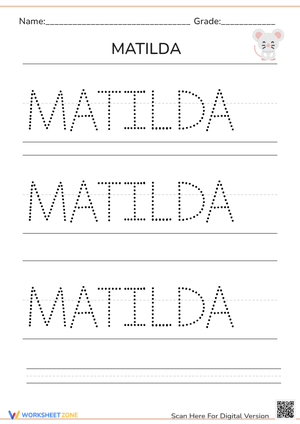
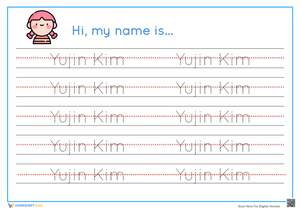
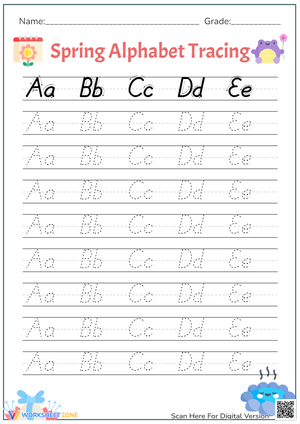
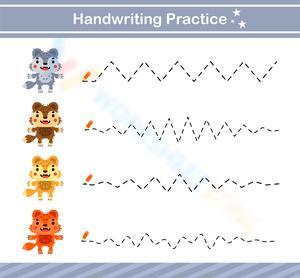
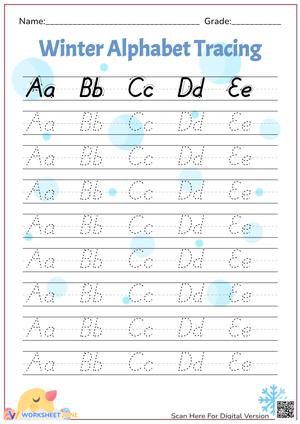
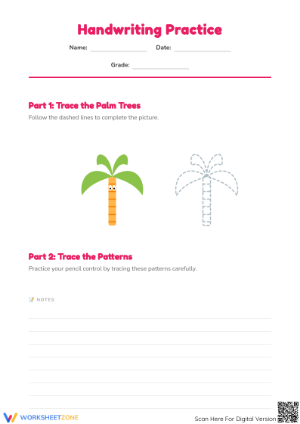
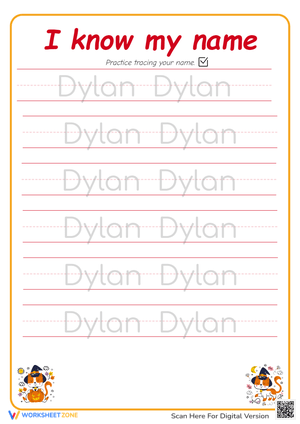
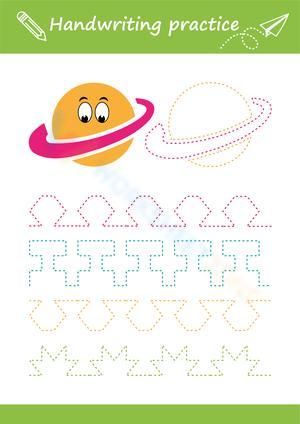
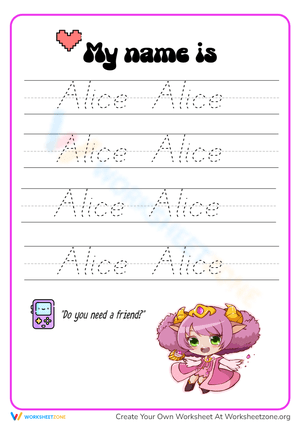
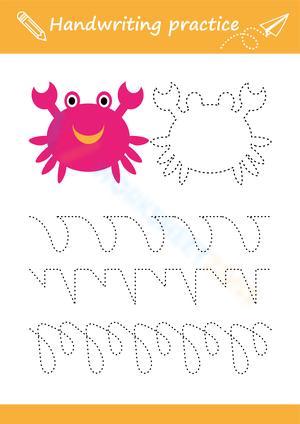
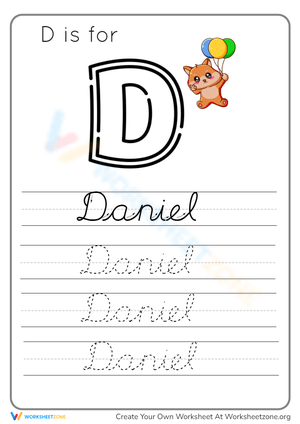
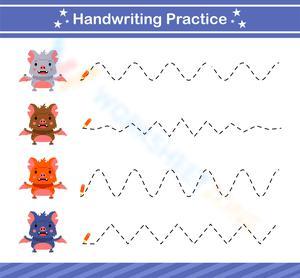
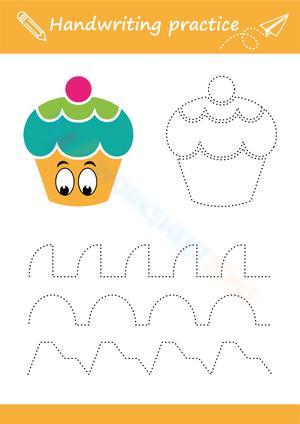
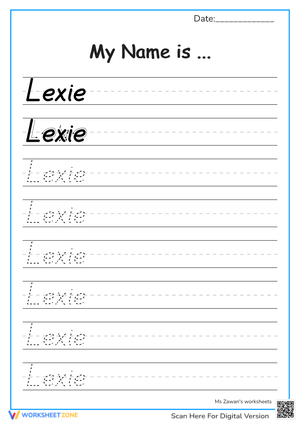
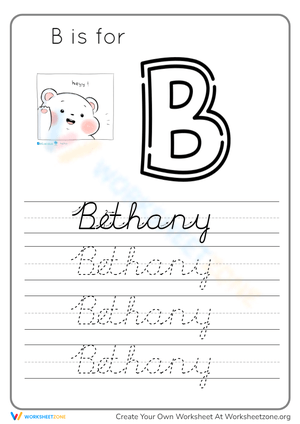
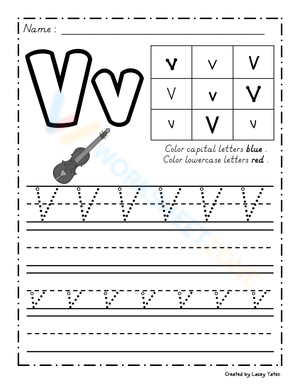
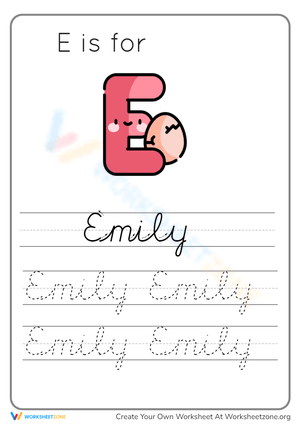
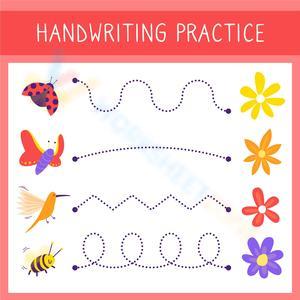
The pages follow a careful scaffolding pattern that moves from guided to independent practice. Children start by tracing dotted curves and simple loops, then progress to repeating individual letters, and finally attempt short letter chains on their own. This gradual release approach respects how preschoolers learn best, building muscle memory through repetition while keeping the workload visually manageable. Teachers and parents can pace each lesson plan according to a child's stamina, returning to earlier sheets whenever review feels helpful.
Fine motor practice on these worksheets directly supports broader academic readiness. Forming smooth cursive curves trains the same hand muscles that students will rely on for printing, drawing, and eventually independent journaling. Educators who explore our guide to teaching cursive handwriting often pair early curve practice with rhyming songs and oral letter cues, creating a multisensory routine that strengthens both coordination and phonemic awareness in the classroom.
Visual organization is another quiet strength of these printable worksheets. Each worksheet uses generous spacing, clear baselines, and consistent letter sizing so children can focus on stroke direction without becoming overwhelmed. Predictable layouts help students build mental stamina, allowing them to complete a full page with steady attention. For families who want extra reinforcement, our broader handwriting practice collection offers complementary activities that reinforce posture, paper position, and consistent letter height.
Used regularly, preschool cursive writing worksheets cultivate confidence, patience, and a quiet sense of accomplishment in young students. Worksheetzone offers a thoughtfully sequenced library that teachers, parents, and caregivers can download, print, and revisit as often as needed, giving each child a dependable path toward fluent, comfortable preschool cursive writing worksheets practice.
Frequently Asked Questions
Question 1: At what age should children begin using preschool cursive writing worksheets?
Most preschoolers are ready to explore cursive-style curves and loops between ages four and five, once they show steady pencil control and interest in letters. Begin with short tracing sessions of five to ten minutes, focused on smooth motion rather than perfect shapes. Children who are still developing grip strength can practice with crayons or thicker pencils first, then graduate to standard pencils as their hands become more coordinated and confident.
Question 2: How are these worksheets different from print handwriting practice?
Print handwriting teaches isolated letter shapes built from straight lines and circles, while cursive practice introduces flowing, connected strokes from the very first lesson. Our preschool pages feature dotted curves and gentle loops that mirror the natural rhythm of cursive writing. This early exposure helps students develop a continuous hand motion, which many young learners find easier than lifting the pencil between every letter as required in formal print instruction.
Question 3: Can parents use these worksheets at home without teaching experience?
Yes, the worksheets are designed for caregivers without any classroom background. Each page includes clear directional arrows, ample tracing space, and one focused skill per sheet, so parents only need to model the first stroke and offer encouragement. Short daily sessions work better than long weekly ones, and parents can sit alongside children, naming the letters aloud and celebrating progress to reinforce both fine motor control and early phonics awareness.
Question 4: How can teachers integrate these worksheets into a preschool lesson plan?
Teachers often place cursive practice during morning fine motor stations or as a calming transition activity after recess. The printable PDF format makes it easy to prepare class sets in advance, and pages can be laminated for reusable centers. Pair each worksheet with a related letter song, sensory tray, or storybook to create a layered lesson plan that strengthens letter recognition, hand coordination, and emergent writing skills across the classroom.