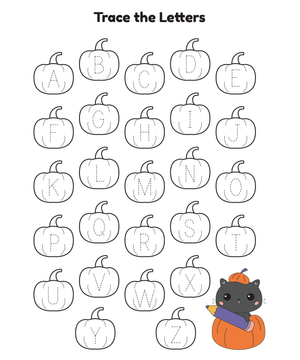
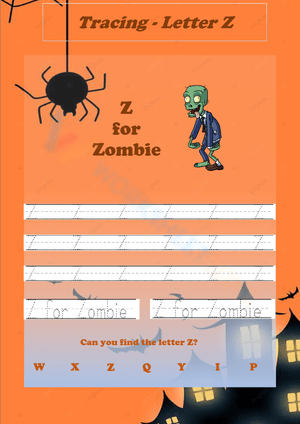
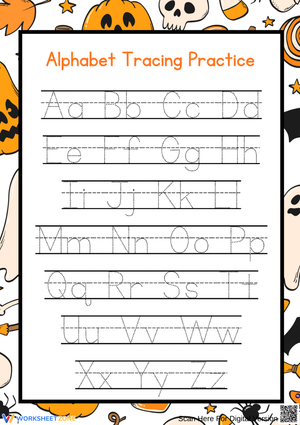
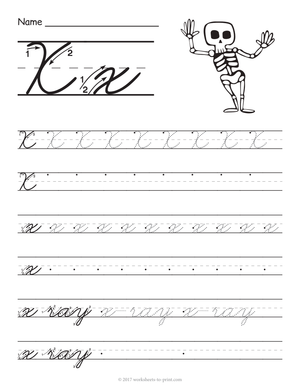
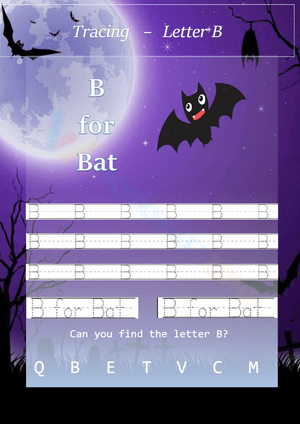
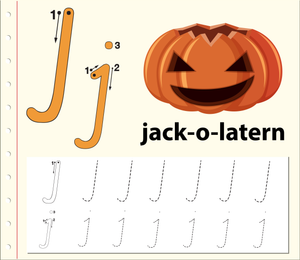
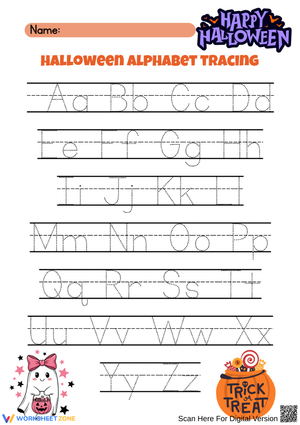
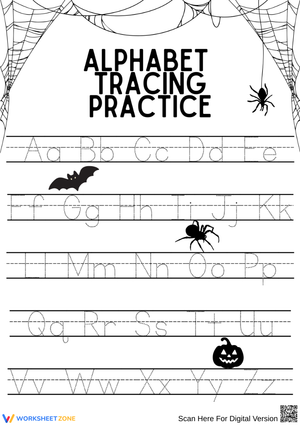
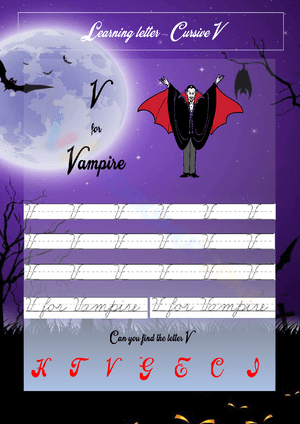
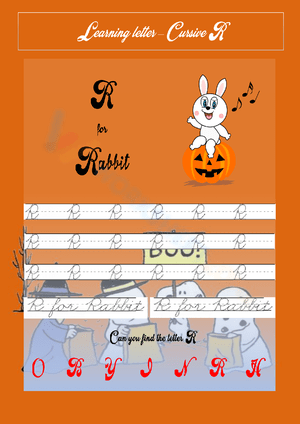
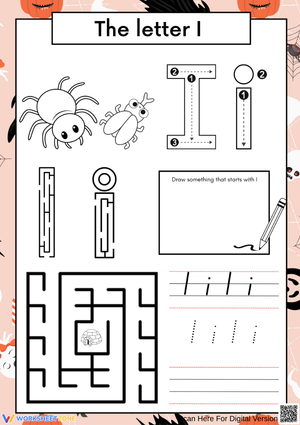
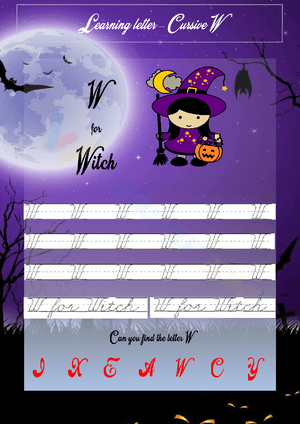
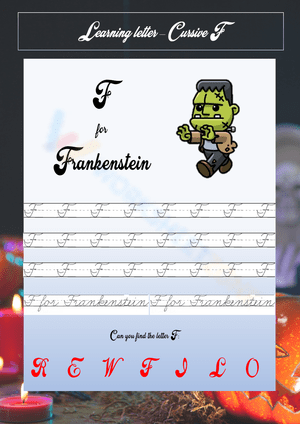
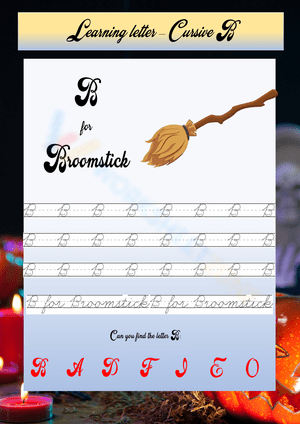
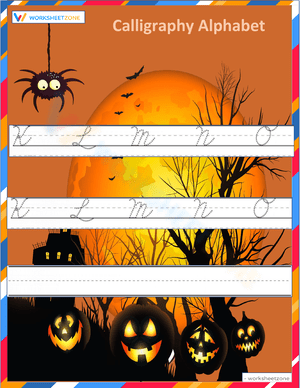
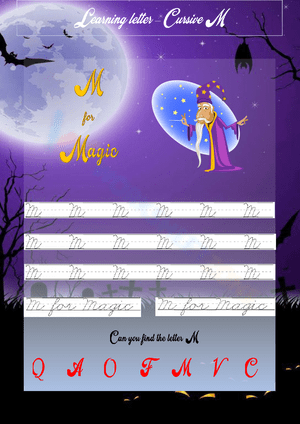
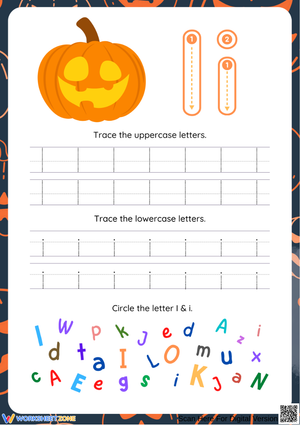
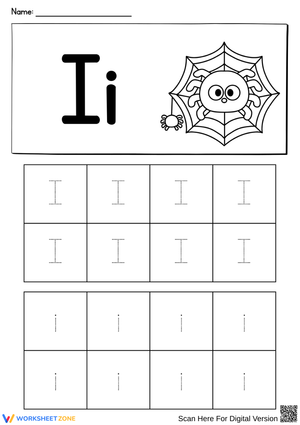
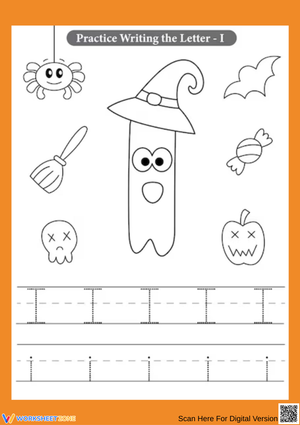
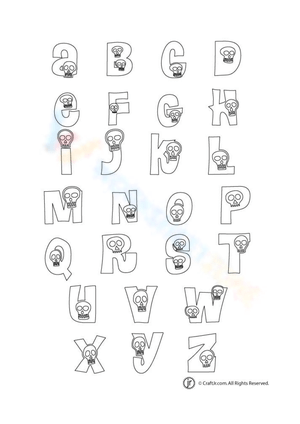
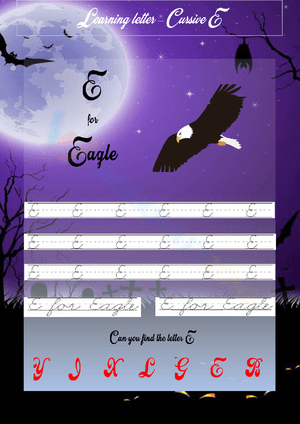
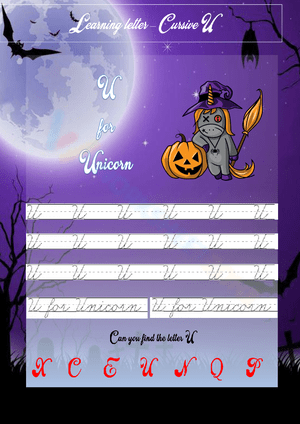
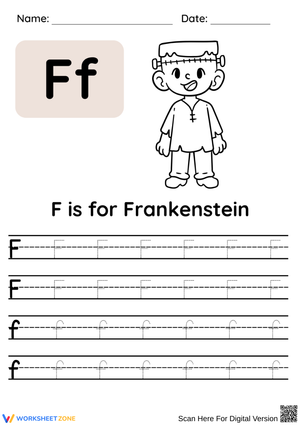
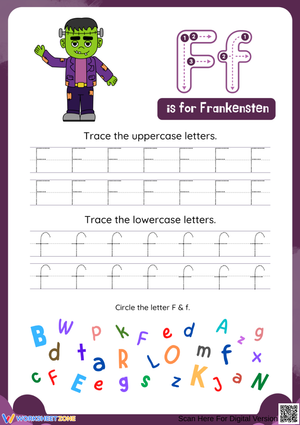
When the classroom fills up with pumpkins, bats, and ghost decorations, that seasonal energy can either scatter attention or power a week of targeted handwriting practice. Halloween alphabet worksheets give K-1 teachers a way to point that excitement straight at letter recognition and formation. Instead of a generic tracing page, students see a familiar spooky character next to each letter, which lowers the barrier to sitting down and picking up a pencil during a busy October week.
These worksheets usually cover all 26 letters with both uppercase and lowercase tracing, paired with seasonal vocabulary like pumpkin, ghost, bat, witch, and candy. That pairing does double duty: students practice the physical stroke of forming a letter while connecting it to a word they can picture. You can slot the same page into a literacy center on Monday and a small-group intervention on Thursday, which keeps prep low while the practice stays targeted across preschool, pre-K, kindergarten, and grade 1.
What a Complete Halloween Alphabet Set Includes
A well-built Halloween alphabet set follows the same structure teachers already trust from year-round handwriting pages, just dressed for the season. Look for these features when you print:
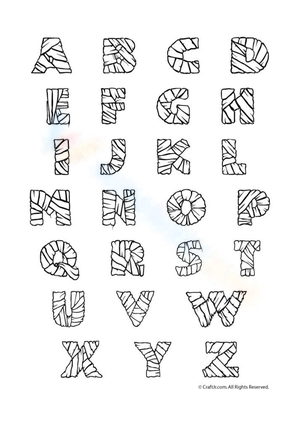
- Full A-Z coverage so you can pull any letter you are teaching that week rather than jumping around a partial set.
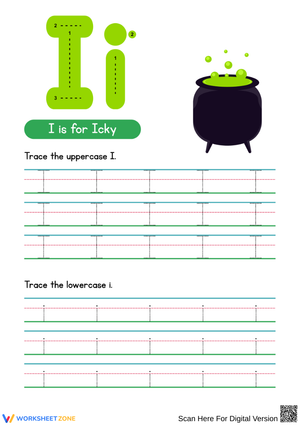
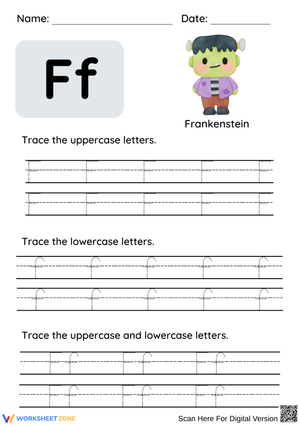
- Uppercase and lowercase pairs on the same page, which helps students see the relationship between the capital and its matching small letter.
- Directional arrows or starting dots that cue correct stroke order instead of letting students invent their own path.
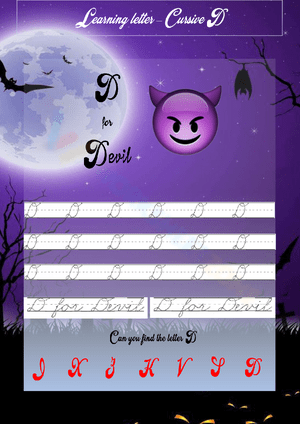
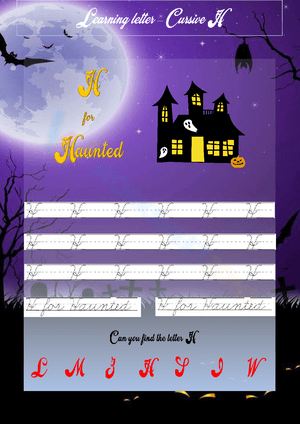
- Seasonal picture cues — a bat for B, candy for C — that anchor each letter to a concrete, memorable image.
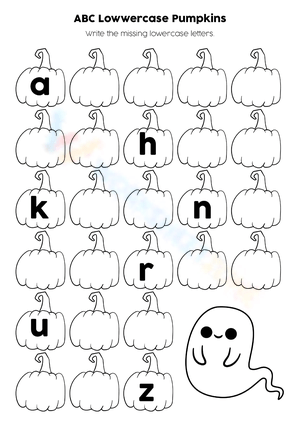
- Space for independent writing after the traced models, so students move from copying to producing the letter on their own.
Because the format stays consistent from letter to letter, students spend their energy on forming the letter rather than decoding a new worksheet layout every time. That predictability matters most for your youngest writers, who tire quickly when every page asks them to relearn where their pencil is supposed to go.
Classroom Implementation
The simplest way to use Halloween alphabet worksheets is as one station in an October literacy center rotation. Set out the current focus letters, a tray of pencils or dry-erase markers in a page sleeve, and picture cards that match the seasonal words. Students trace, write independently, and then match the letter to its picture before rotating on.
For morning work, place a single letter page at each seat so students start the day with a calm, low-pressure routine that also settles fine motor focus. Rotating the same few letters across several days, rather than racing through the whole alphabet, gives students the repetition that builds automatic recall. During small-group intervention, sit beside students who need extra modeling and narrate the stroke order out loud as they trace.
Here is the detail that changes results: dedicating explicit, protected time to letter formation drives better handwriting outcomes than incidental practice folded into other tasks. In practice, a scheduled 8-10 minute daily tracing block during your October unit will move more students toward automatic, legible letters than the same number of minutes scattered across unrelated activities, because students get repeated, focused reps on the same stroke pattern.
Frequently Asked Questions
1. What grade levels are Halloween alphabet worksheets best for?
They fit preschool, pre-K, kindergarten, and grade 1 most naturally. Younger students focus on tracing and letter-sound cues, while grade 1 students can use them as review before writing full seasonal words.
2. How do I use these in a literacy center rotation?
Set them as one station with the week's focus letters, writing tools, and matching picture cards. Students trace, write independently, and match each letter to its Halloween image before rotating to the next center.
3. Do these worksheets help with both letter recognition and handwriting?
Yes. The picture cues and seasonal words support letter recognition and letter-sound links, while the traced models and independent writing space build the motor patterns behind legible handwriting.
4. How much time should I set aside for letter tracing?
A short, protected block of about 8-10 minutes a day works better than one long weekly session. Explicit, focused practice on stroke order produces stronger formation than tracing squeezed in around other tasks.
5. Can I use them to support students who need extra letter formation help?
Absolutely. Pull a small group, model the stroke order out loud, and use the seasonal pages for repeated review. The high-interest theme keeps reluctant writers engaged during targeted reteaching.