Where Halloween handwriting worksheets fit in October instruction
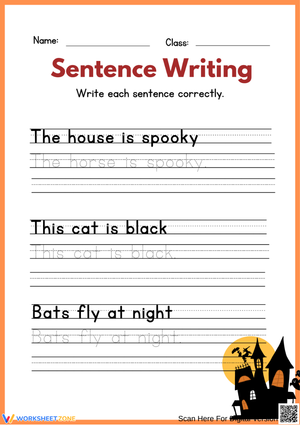
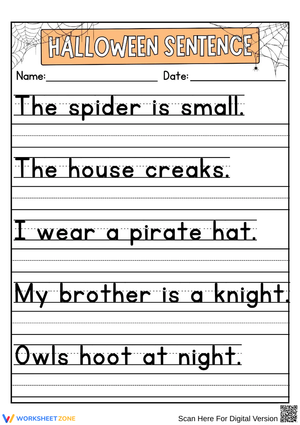
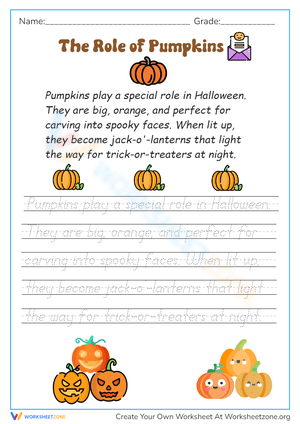
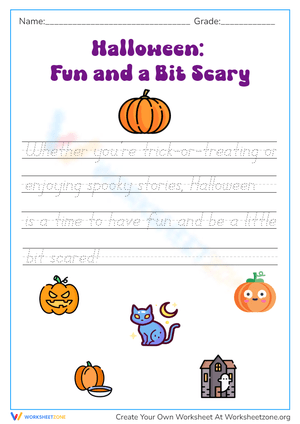
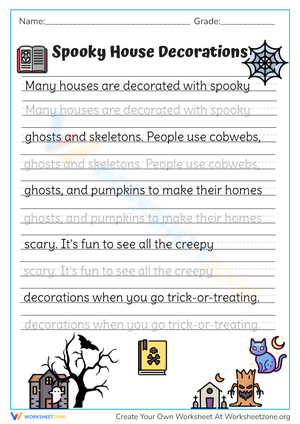
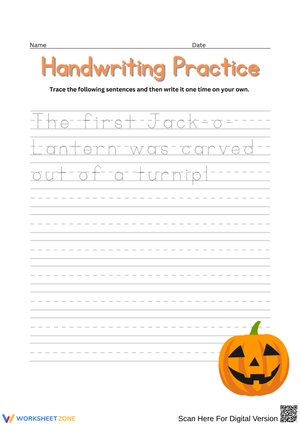
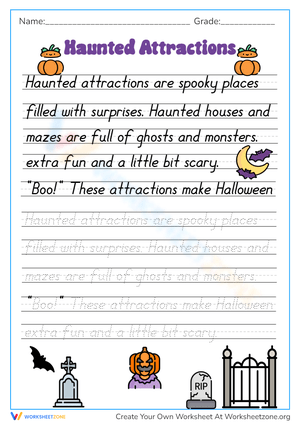
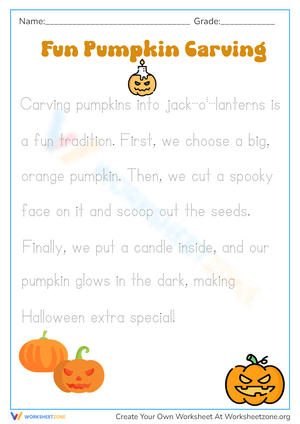
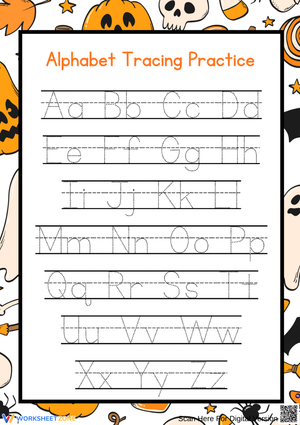
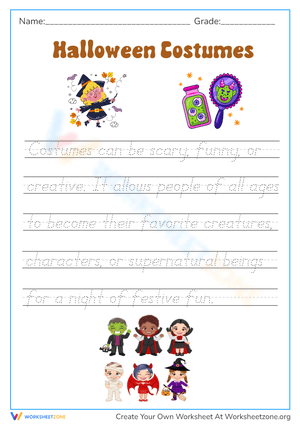
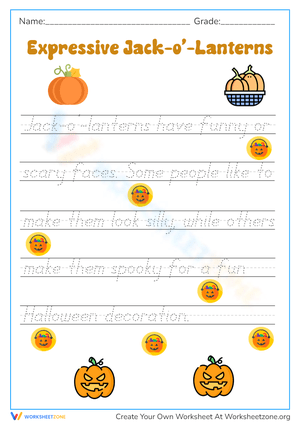
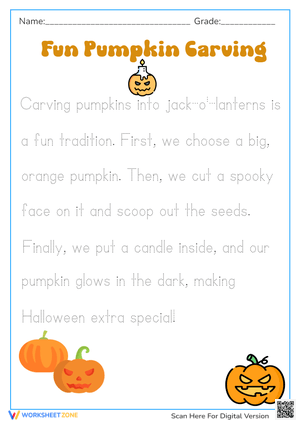
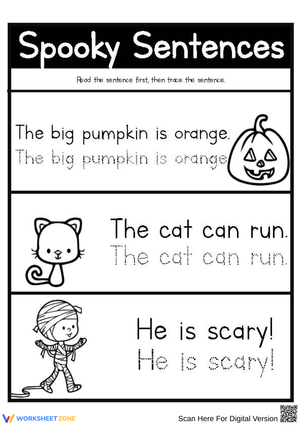
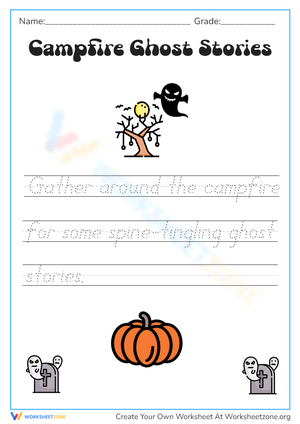
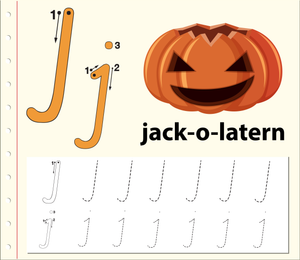
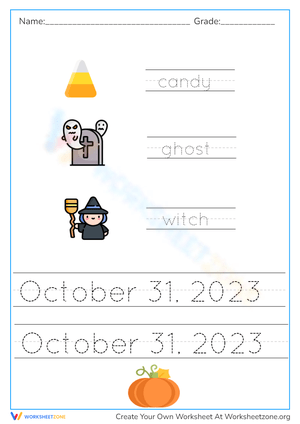
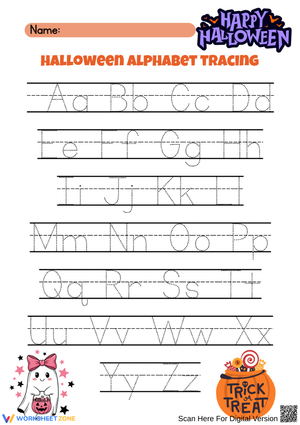
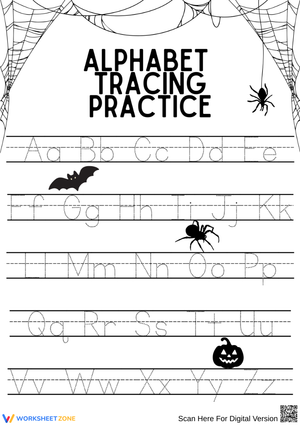
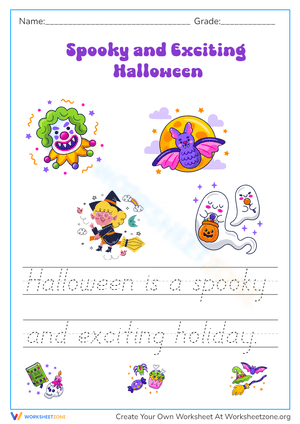
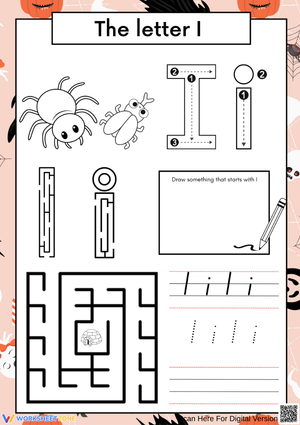
October is one of the easiest months to keep handwriting practice going, and Halloween handwriting worksheets give you a low-prep way to do it. Instead of pausing skill work for seasonal fun, you can fold letter formation and writing fluency into the theme your students are already excited about. A sheet that asks kids to trace and copy words like pumpkin, witch, ghost, spider, and costume keeps the mechanics explicit while the content feels like a treat.
The sheets work best when you treat them as real practice, not filler. A five-minute tracing task during morning work, a quick station rotation, or a small-group warm-up all give students repeated, purposeful reps on the same letters and words. The Halloween theme is the hook; the letter formation is the point.
Because they are print-and-go, these sheets fit tight prep schedules. You do not need to build anything new: pull a themed set, decide whether students will trace, copy, or write, and slot it into a routine you already run. That low lift is part of the appeal in October.
Choosing Halloween vocabulary that reinforces target letters
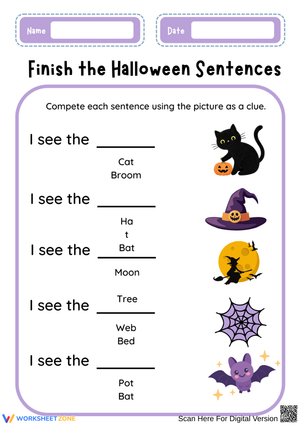
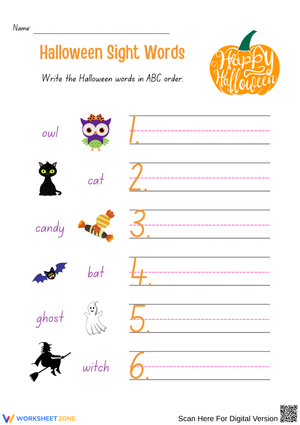
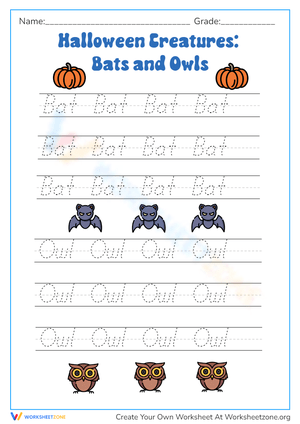
The best themed sheets are not random—they pair the season's vocabulary with the letters your class is working on. If your phonics scope has you on short vowels, lean on words like bat, web, and fog. When you are practicing tricky formations, Halloween gives you natural repetition: pumpkin and spider rehearse ascenders and descenders, while ghost and witch mix tall and short letters in one word. Choosing vocabulary on purpose means every tracing rep reinforces a formation goal, not just a spooky word.
Keep a short, consistent word bank across the month so students see the same letters repeatedly. Repetition is what turns effortful formation into automatic, fluent writing, and a stable set of six to eight Halloween words gives you that without overwhelming beginners.
Frequently asked questions
1. What grade levels are Halloween handwriting worksheets best for?
They fit PreK through grade 3 most naturally. PreK-2 students use them for letter and word formation, while grades 2 and 3 use them for fluency, spacing, and review. Choose the version—tracing, copying, or write-on-lines—that matches your students' current skill.
2. How do I use them for small-group intervention versus whole-class practice?
For whole-class practice, model a word and have everyone trace and copy together. For intervention, pull a small group and give real-time feedback on grip, starting points, and letter size while they work, so struggling writers get targeted correction.
3. How much time should students spend on themed handwriting practice each day?
Short and frequent beats long and occasional. A focused five-minute session most days is plenty; the research favors brief, explicit, high-frequency practice over long, unguided copying time.
4. Do these worksheets help fine motor skills, not just letter formation?
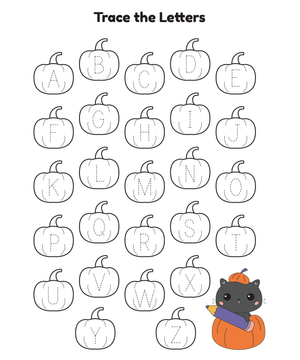
Yes. Tracing dotted letters and words rehearses the visuomotor integration and hand control that support legible writing, which makes them useful for kindergarten readiness and OT-adjacent support as well as formation.
5. Can the sheets be used for both print and cursive practice?
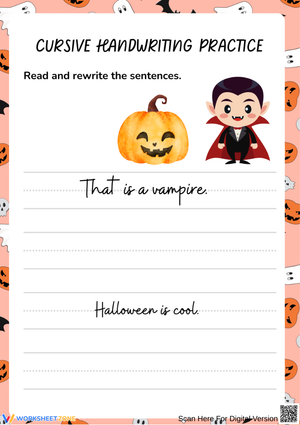
Many Halloween handwriting sets come in print and cursive versions. Use print for PreK-2 formation and early fluency, and bring in cursive versions where your grade level or curriculum introduces it, keeping the same short, guided practice routine.












 Interactive Worksheet Maker
 Quiz Maker
 Word Search Maker
 Crossword Puzzle Maker
 Word Scramble Generator
 Sentence Scramble Generator
 Handwriting Worksheet Generator
 Name Tracing Generator
 Fill In The Blank Generator