Earth Day Worksheets for Every Grade Band
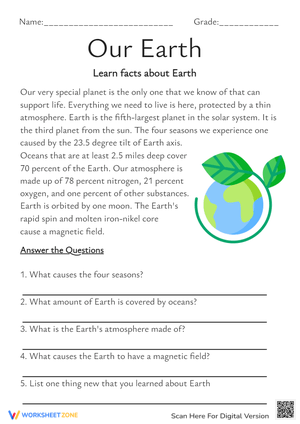
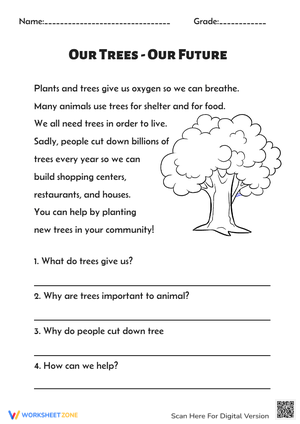
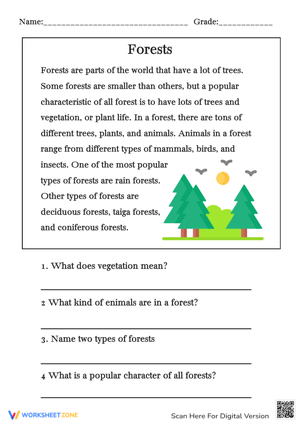
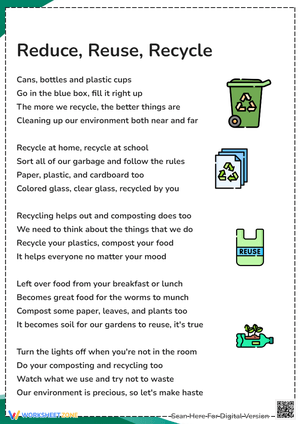
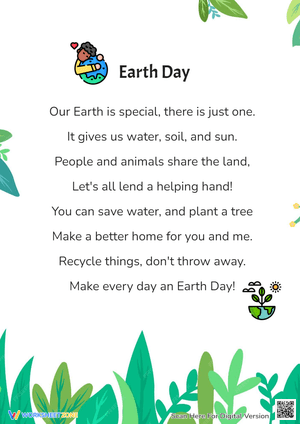
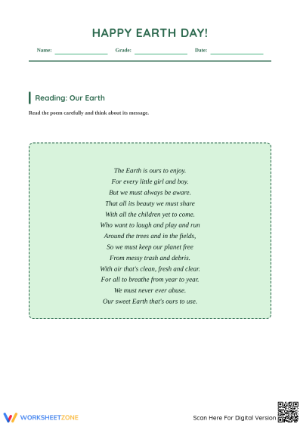
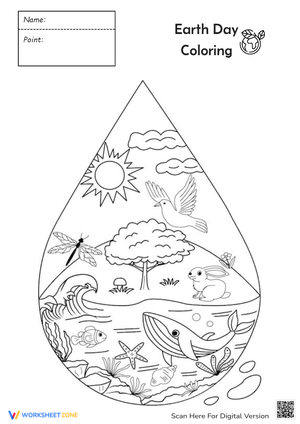
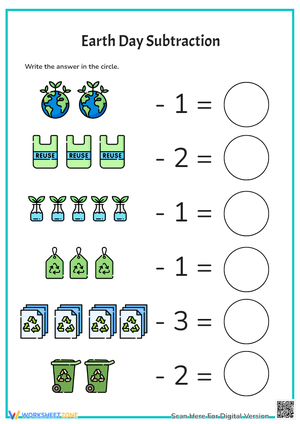
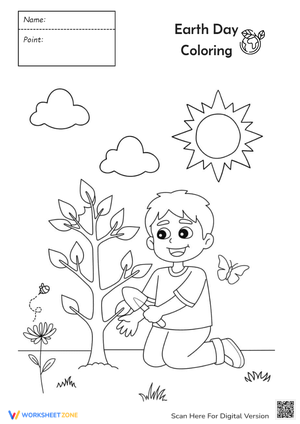
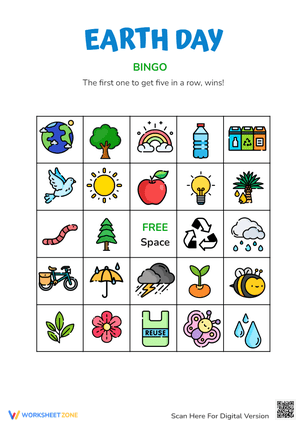
Earth Day lands on April 22 which puts it squarely in the middle of a busy spring stretch of state testing prep and end-of-year pacing guides. Teachers do not need a brand-new unit to mark the day well. A stack of grade-appropriate Earth Day worksheets can carry a single lesson, a morning meeting warm-up, or a full week of science and literacy centers, depending on how much time you have to give it. Kindergarten and first grade classrooms tend to get the most mileage out of simple sorting sheets, picture-based vocabulary pages, and short cause-and-effect worksheets about litter, recycling, and animal habitats. Upper elementary classrooms, grades three through five, can handle worksheets that ask students to read a short passage, interpret a simple data chart, or write a short paragraph explaining a conservation concept in their own words.
Aligning Earth Day Worksheets to NGSS Standards
Earth Day worksheets are easiest to justify to an administrator, or to yourself when you are building a pacing guide, when you can point to a specific standard. For kindergarten, NGSS K-ESS3-3 asks students to communicate solutions that reduce the impact of humans on land, water, air, and living things, which maps directly onto worksheets about reducing waste or protecting animal habitats. In fifth grade, NGSS 5-ESS3-1 asks students to obtain and combine information about how communities use science to protect Earth's resources, a strong fit for worksheets built around recycling programs, water conservation, or renewable energy basics.
Because NGSS standards scaffold environmental science concepts across grade bands rather than repeating the same objective, a school can build a coherent K-5 Earth Day scope by choosing one worksheet set per grade that targets that grade's specific standard, instead of assigning the same generic worksheet to every classroom in the building.
Cross-Curricular Earth Day Worksheets: Science, Reading, and Writing
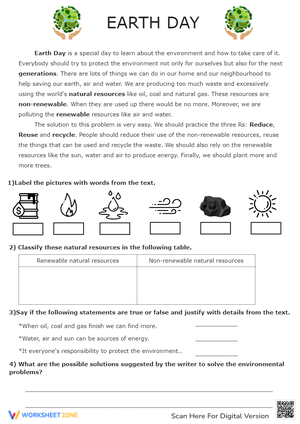
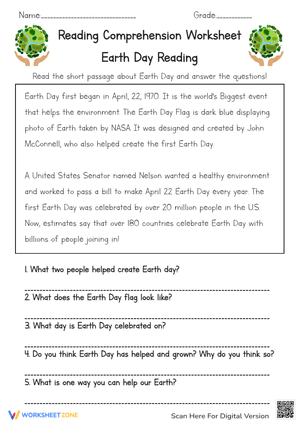
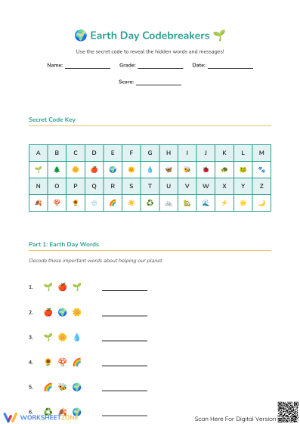
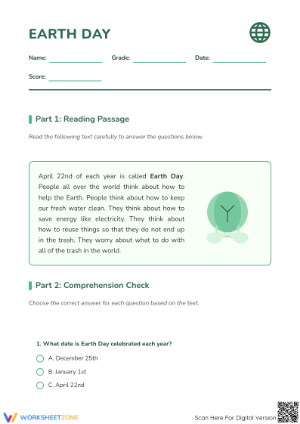
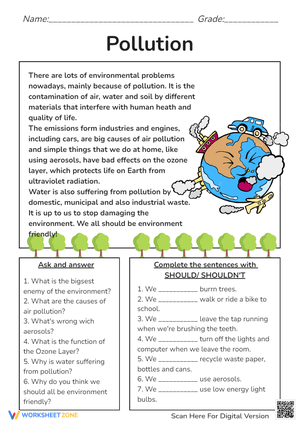
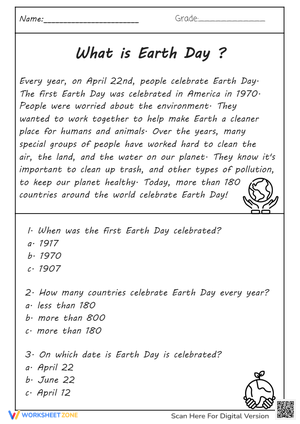
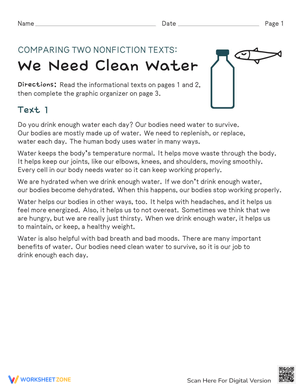
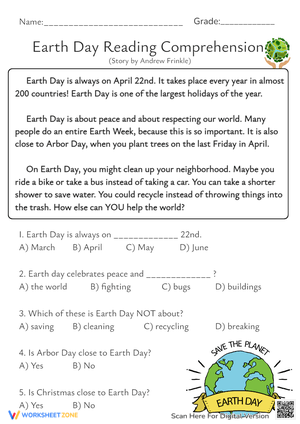
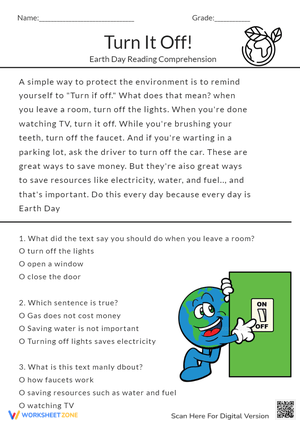
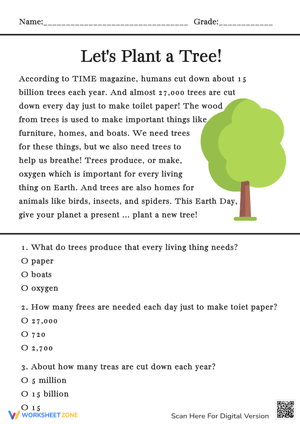
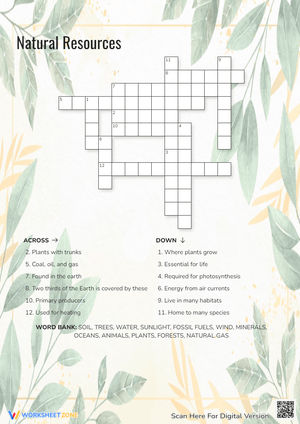
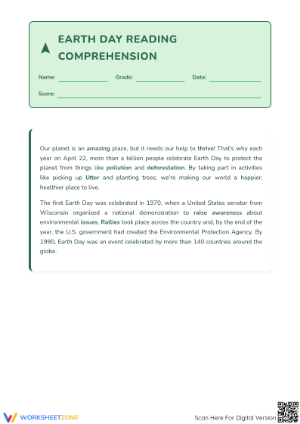
Earth Day worksheets do not have to stay inside the science block. A short nonfiction passage about recycling or renewable energy can double as a reading comprehension worksheet, complete with main idea and detail questions. Persuasive writing prompts asking students to argue for a specific conservation action, such as reducing single-use plastics in the cafeteria, give upper elementary students a real audience and purpose. Vocabulary worksheets built around terms like habitat, pollution, renewable, and conservation reinforce both science content and academic language that shows up on state reading assessments later in the year. Using the same Earth Day theme across two or three subject areas in the same week also reduces prep time, since one theme covers multiple lesson plans.
Classroom Implementation
Start by choosing one worksheet per subject block you plan to touch, rather than assembling a full packet, since a smaller, focused set is easier to grade and easier for students to complete well.
- Preview vocabulary the day before Earth Day so worksheet time is not lost defining terms.
- Pair a worksheet with one hands-on activity, such as a classroom recycling sort or a short school-grounds litter walk, to give abstract vocabulary a concrete anchor.
- Use a completed worksheet as a quick formative check before and after the lesson to see which environmental science vocabulary actually stuck.
- Save a few worksheets for a rainy-day substitute folder later in the spring, since Earth Day content works fine outside of April for ongoing environmental science units.
Frequently Asked Questions
1. What grade levels are Earth Day worksheets appropriate for?
Earth Day worksheets can be adapted for kindergarten through fifth grade and beyond. Early elementary versions rely on pictures and sorting tasks, while upper elementary versions add short readings, simple data interpretation, and written response questions.
2. How can teachers align Earth Day worksheets to NGSS standards?
Match the worksheet task to your grade's specific standard, such as K-ESS3-3 for kindergarten or 5-ESS3-1 for fifth grade, both of which focus on understanding and communicating how people affect and protect Earth's resources.
3. How much class time should teachers dedicate to Earth Day activities?
A single 30 to 45 minute block is enough for one strong worksheet plus a short activity or discussion. Classrooms with more flexibility can extend this into a full Earth Week unit using a sequence of worksheets across several days.
4. Can Earth Day worksheets be used outside of April for ongoing environmental science units?
Yes. Vocabulary, cause-and-effect, and data interpretation worksheets built around recycling, habitats, and conservation apply just as well to a fall or winter environmental science unit as they do to April.
5. What subjects besides science can Earth Day worksheets support?
Earth Day worksheets also work well for reading comprehension using nonfiction passages, persuasive writing prompts about conservation choices, and vocabulary practice that reinforces academic language used on state reading assessments.












 Interactive Worksheet Maker
 Quiz Maker
 Word Search Maker
 Crossword Puzzle Maker
 Word Scramble Generator
 Sentence Scramble Generator
 Handwriting Worksheet Generator
 Name Tracing Generator
 Fill In The Blank Generator