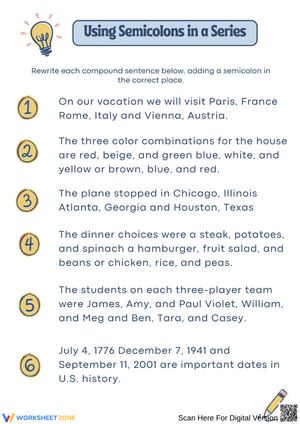
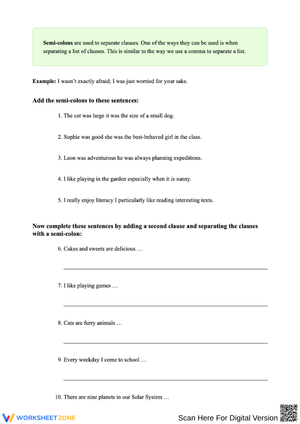
These punctuation printable worksheets for 9th grade cover the marks that appear most reliably in freshman writing errors — commas, semicolons, colons, apostrophes, quotation marks, and dashes — at a maturity level that takes students seriously without assuming they have already mastered the content. Each worksheet comes with an answer key, which makes them practical for independent practice, peer review, and substitute folders without building a separate grading load.
The Specific Skills Each Worksheet Targets
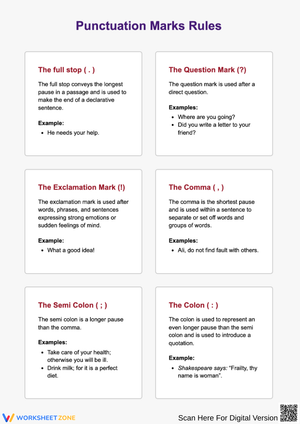
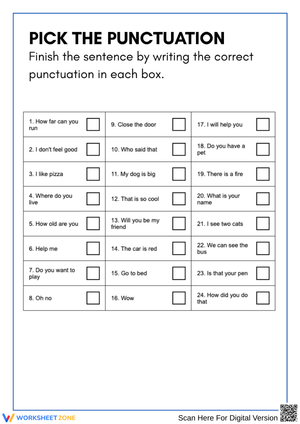
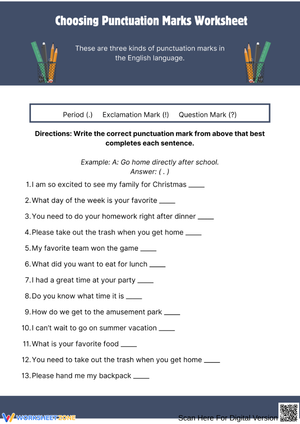
The set is organized by skill so teachers can match a worksheet to what they are currently teaching rather than pulling random exercises from a general grammar collection. Core areas include:
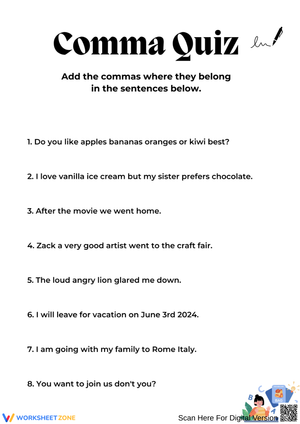
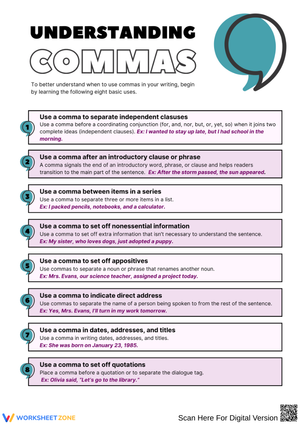
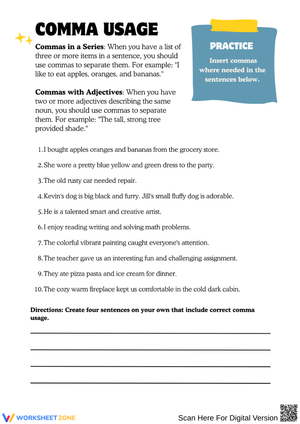
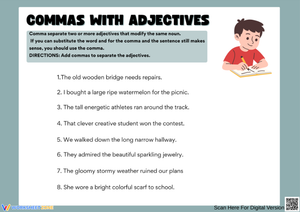
- Comma placement: introductory elements, compound sentences, serial commas, and comma splices — with particular attention to the difference between recognizing a comma error and knowing how to fix it
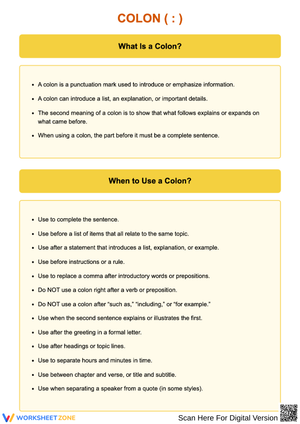
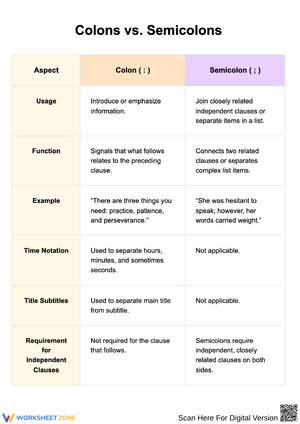
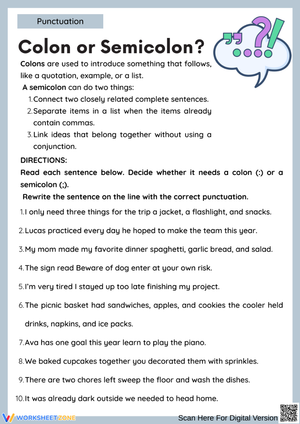
- Semicolons and colons: identifying when each mark is appropriate, including side-by-side comparison exercises that force students to choose between the two
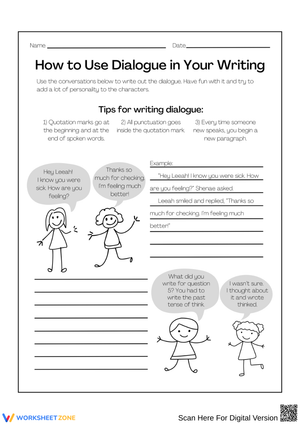
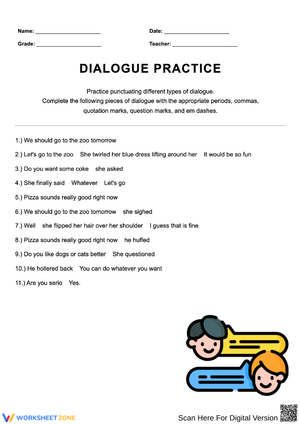
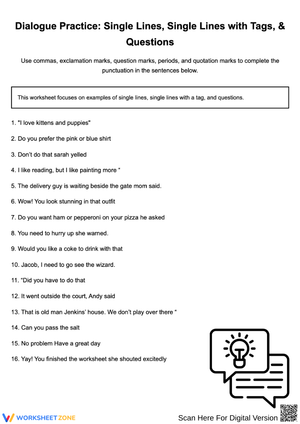
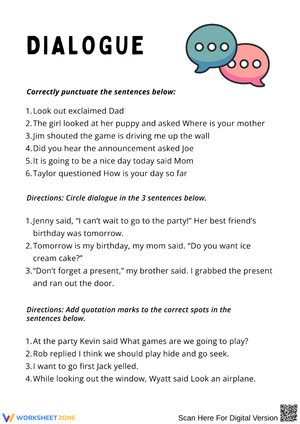
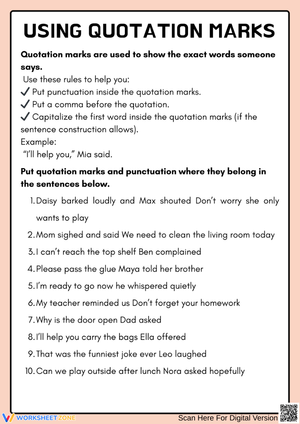
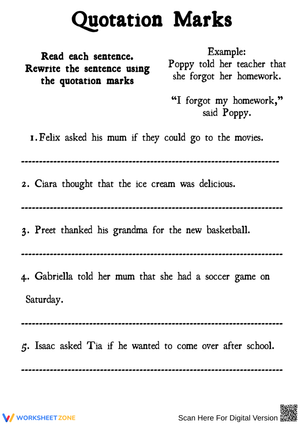
- Quotation mark conventions: punctuation inside and outside closing marks, integrating quoted material into analytical sentences, and dialogue formatting
- Apostrophes: distinguishing possessive nouns from plural nouns, and untangling its versus it's in academic writing contexts
- Dashes and parentheses: using interruption and emphasis intentionally, rather than treating these marks as interchangeable
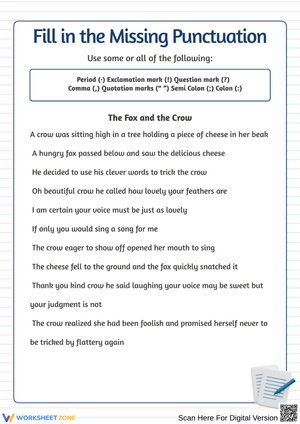
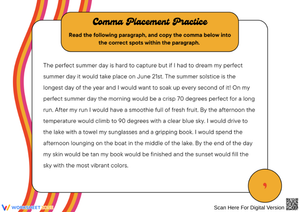
- Passage-level editing: each worksheet in the set includes at least one extended editing task where students apply multiple marks inside a paragraph, not just in isolated sentences
Frequent Student Errors These Worksheets Help You Address
The errors freshmen make with punctuation are predictable enough that experienced teachers recognize the same ones each fall. Comma splices are the most persistent: students write "I finished the chapter, it didn't make sense" and sense that a comma belongs somewhere in the construction — they just don't recognize that placing it there creates the splice instead of fixing anything. These worksheets isolate that pattern so students have to identify the problem before they choose a repair.
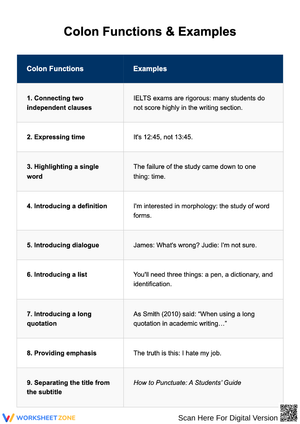
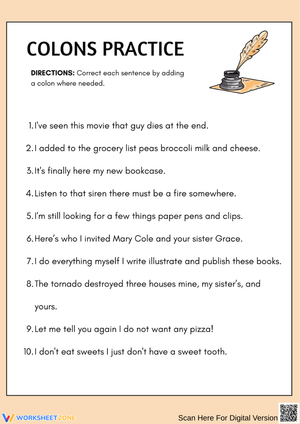
Semicolons produce a different confusion. Students who have learned that semicolons join related clauses will write "I studied hard; but I still failed" — placing the semicolon before a coordinating conjunction, which is backwards. Colons cause their own trouble: many 9th graders write "My essay argues: three main points" because they have seen colons after phrases and assume the same logic applies after a verb. Quotation mark errors are quieter — students who have read British texts or encountered British punctuation online sometimes place the period outside the closing mark because they have seen it that way and it looks right to them. Apostrophe confusion in its and it's continues through senior year, but 9th grade is the right time to address it directly because writing demands are rising and the errors start affecting analytical paragraphs.
Building These Into Your Weekly Lesson Plan
These worksheets work best inside short, repeatable routines rather than as isolated one-day activities. A structure that holds up well across a unit: direct instruction on Monday, two focused worksheets Tuesday and Wednesday for guided and then independent practice, a passage-editing worksheet Thursday, and Friday reserved for applying the same mark in original writing. That sequence keeps punctuation connected to drafting rather than treating grammar as a separate subject students forget the moment they open an essay document.
For bell ringers, pull three to five sentences from a worksheet and display them before class. Students mark corrections independently, and the full worksheet follows as a practice set — this front-loads the skill and gives teachers a quick read on where students are before the lesson moves forward. For sub plans, the mixed-review worksheets that ask students to edit across several marks at once work well because the directions are self-contained and the answer key handles the rest.
One classroom move worth building into the routine: have students use different colored pens when marking corrections — commas in one color, semicolons in another, quotation marks in a third. It slows guessing and makes partner review more focused because students can discuss one mark category at a time instead of jumping around the sentence.
Standard Alignment
These resources address CCSS.ELA-LITERACY.L.9-10.2, which asks students to demonstrate command of standard English punctuation when writing. Specifically, L.9-10.2a targets the use of semicolons, colons, and punctuation for effect — skills these worksheets address through both sentence-level exercises and paragraph-level editing tasks. In practical planning terms, L.9-10.2 is not a standard that gets covered once in a grammar unit and shelved; it comes back every time students draft and revise. These punctuation printable worksheets for 9th grade fit into that recurring cycle, which means teachers can return to them across multiple units rather than treating them as a September-only resource.
Adjusting the Worksheets for a Range of Learners
Students who struggle with editing often freeze when a full paragraph appears under the heading "correct the errors below." They don't know where to begin. For those students, assign the sentence-level worksheets first and provide a brief reference card showing one worked example each of a comma splice correction, a correct semicolon, and a correct colon. That reference doesn't do the work for them — it gives them a starting point so they can actually start.
On-level students move well from sentence correction to passage editing within the same week. For students who are already accurate editors, the most useful extension is generative: after completing a semicolon worksheet, they write two related independent clauses of their own and join them correctly. After a quotation marks worksheet, they add a short quoted line to a paragraph from their current reading. These extensions take about five minutes and reveal whether students own the skill or simply recognize it in someone else's sentences. Punctuation printable worksheets for 9th grade used this way function as a diagnostic — teachers can see the gap between recognition and production that correction-only exercises often hide.
Frequently Asked Questions
What punctuation marks does this set cover?
The worksheets address commas, semicolons, colons, apostrophes, quotation marks, dashes, parentheses, and end punctuation. Some worksheets target a single mark in depth; others present mixed editing tasks that ask students to work across several marks at once.
Can these be used for small-group intervention?
Yes. Because each worksheet targets a specific skill, teachers can pull one focused resource for a small group working on comma splices or apostrophes without assigning the full set. The sentence-level exercises work particularly well for reteaching because they isolate one error type before students encounter it inside longer passages.
Do the worksheets include answer keys?
Every worksheet comes with a key. This matters beyond grading speed — it makes punctuation printable worksheets for 9th grade genuinely usable for independent work and peer checking, where students need to verify their own corrections rather than wait for teacher feedback.
How do these fit into a writing workshop model?
They slot in most naturally the day before or after a draft deadline — when punctuation is relevant to actual revision rather than abstract rules. Some teachers assign a specific worksheet that mirrors the errors appearing most often in the current draft round. Others use a passage-editing worksheet as a transition between drafting days, keeping students in an editing mindset without surrendering a full period to grammar instruction alone.












 Interactive Worksheet Maker
 Quiz Maker
 Word Search Maker
 Crossword Puzzle Maker
 Word Scramble Generator
 Sentence Scramble Generator
 Handwriting Worksheet Generator
 Name Tracing Generator
 Fill In The Blank Generator