7th grade history printable worksheets have to do a lot of work, because grade 7 history rarely stays in one place. Many teachers move from ancient civilizations to medieval kingdoms to Age of Exploration to early American government — sometimes across a single semester — and they need resources that keep pace with that range while still returning students to the same recurring skills: sequencing events, analyzing cause and effect, interpreting maps, and backing up claims with evidence. The worksheets here address both content coverage and the transferable thinking habits students carry into secondary history courses.
The Skills and Content These Worksheets Target
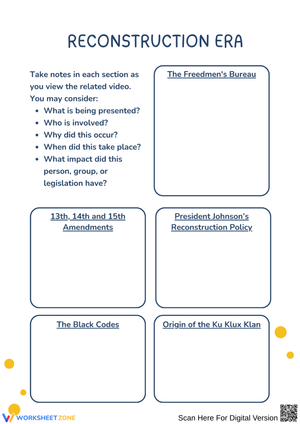
Each worksheet in this set addresses content from one of the strands most commonly taught in grade 7 social studies or a historical thinking skill that runs across all of them. On the content side, teachers will find resources covering ancient civilizations and their geographic settings, medieval social structures, exploration and colonization, early American civics, and physical geography. On the skill side, students practice placing events in chronological order, identifying what caused what, reading maps with analytical purpose, and examining short texts or documents for evidence and point of view.
Specific worksheet formats in the set include:
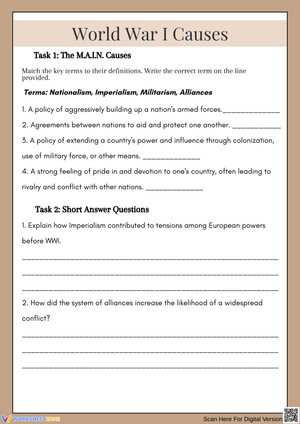
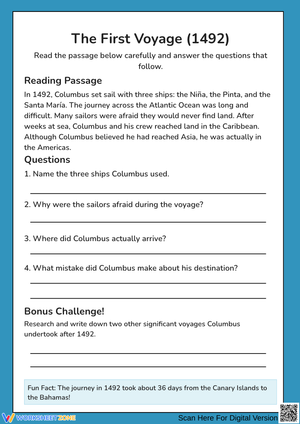
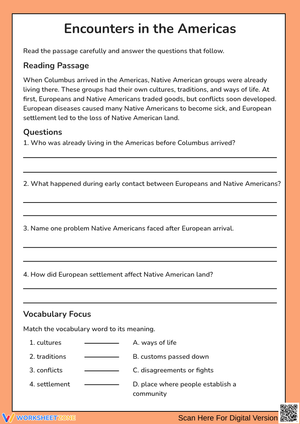
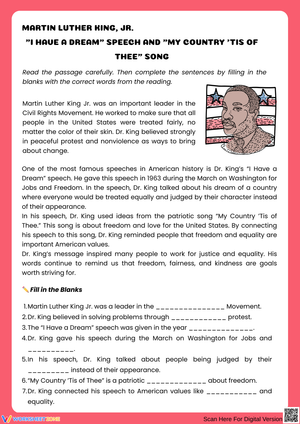
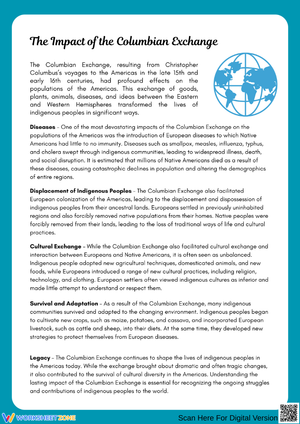
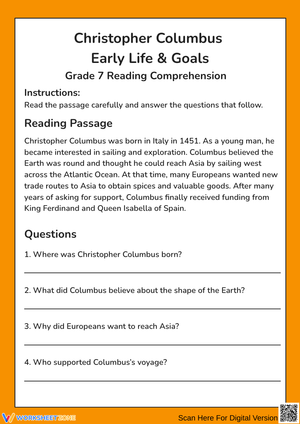
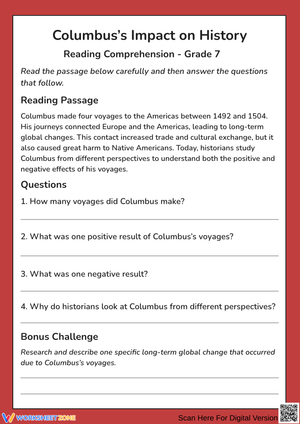
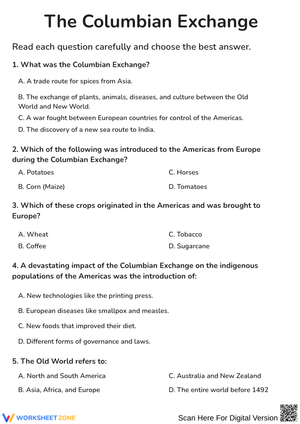
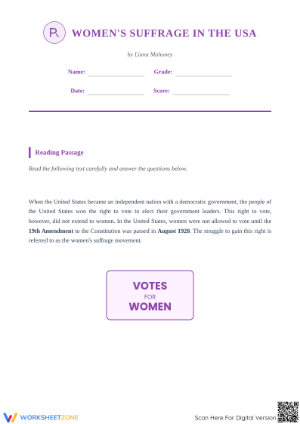
- Short reading passages with text-dependent questions that move from recall toward inference and evidence
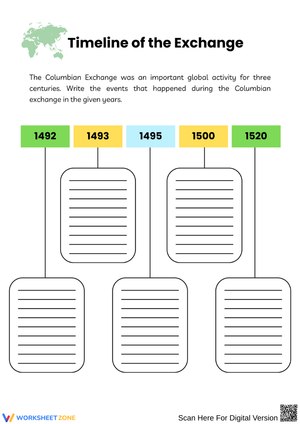
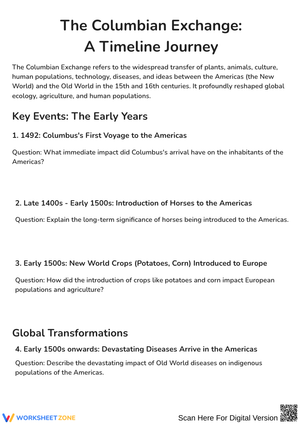
- Timeline activities that ask students to place and label events, then explain what changed between them — not just sequence them
- Map worksheets connecting geography to historical outcomes like trade routes, conflict zones, and settlement patterns
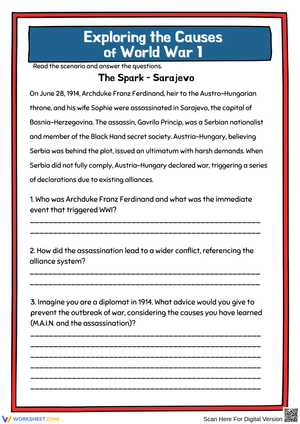
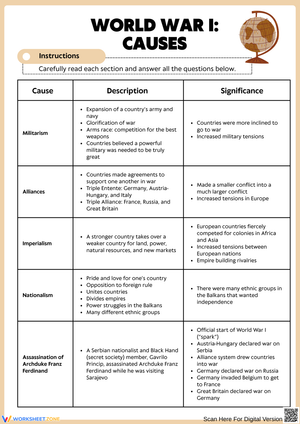
- Cause-and-effect organizers built around specific events — a war, a migration, a political decision, a reform movement
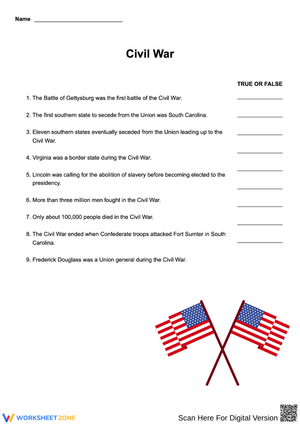
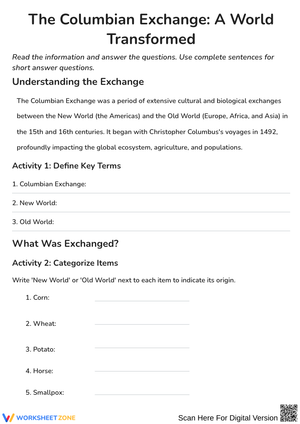
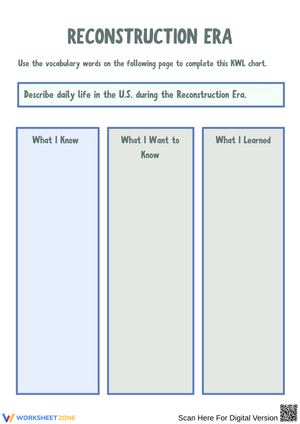
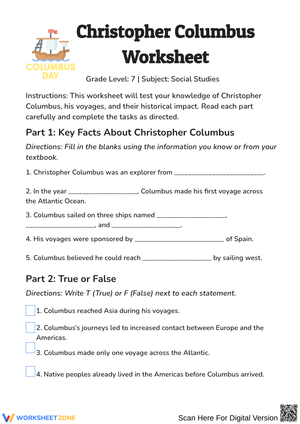
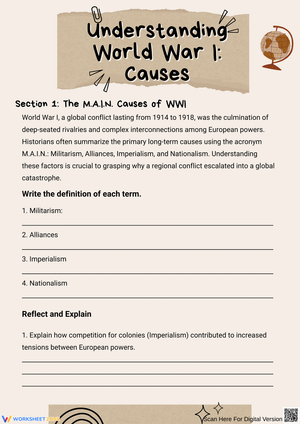
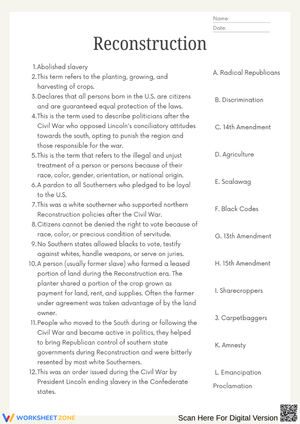
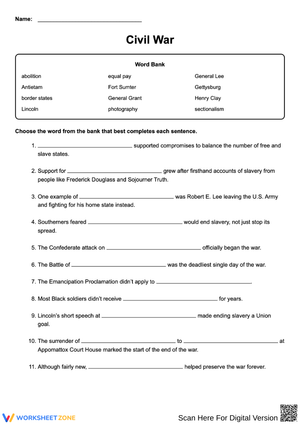
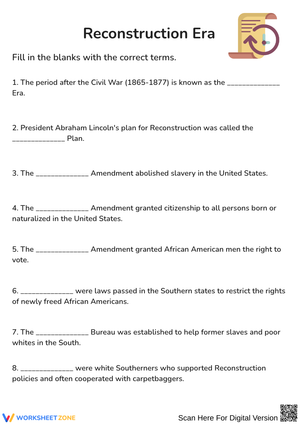
- Vocabulary worksheets that use context sentences and examples rather than isolated definition matching
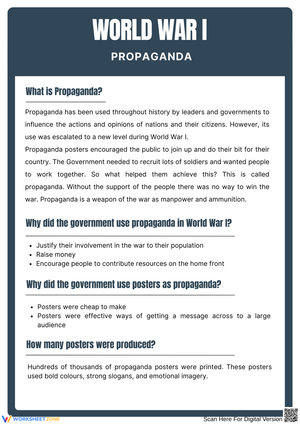
- Primary source analysis asking students to identify a source's author, purpose, intended audience, and the evidence it provides
Smart Ways to Work These Worksheets Into Your Week
Getting the most from 7th grade history printable worksheets means assigning each one a specific instructional job rather than treating them as general seatwork. The most reliable approach is pairing one content worksheet with one thinking task. After a mini-lesson on exploration routes, students complete a map worksheet identifying key passages and trade destinations, then answer one evidence question: What does this route tell you about what European powers were after? That combination takes roughly 12 minutes of independent work and gives a quick read on who actually processed the content versus who was physically present but mentally elsewhere.
Bell ringers are another strong use. A timeline or map question, distributed or projected at the start of class, gives students something purposeful to work on during the first three to four minutes while attendance gets taken and materials come out. The historical thinking habit builds cumulatively when it shows up at the start of class most days — students stop asking "what are we supposed to do?" by the second week because the routine is familiar even when the content changes.
These also hold up as sub plans, which is harder to say of most worksheet sets. Directions are self-contained and the task doesn't ask students to reference something from the previous lesson. A substitute can distribute them without briefing. For the most reliable sub-plan use, reading comprehension worksheets and vocabulary activities are the safest choices — those formats work even when students haven't touched the topic recently.
Student Errors Worth Anticipating Before You Hand These Out
On cause-and-effect organizers, the most consistent problem isn't blank boxes — it's students identifying the most visible cause rather than the most significant one. A student working on reasons for European exploration will write "Columbus wanted to find a shorter route to Asia" and treat that individual intention as the root cause, missing the economic pressures, trade route disruptions, and navigational advances that made exploration politically viable and financially attractive. Naming that distinction before students begin the organizer saves a lot of reteaching after you collect thirty responses that all look the same.
Primary source analysis surfaces a different gap: students describe the source instead of analyzing it. They write "This shows soldiers fighting" rather than "This image presents military service as honorable, because the soldiers look organized and strong, not exhausted or afraid." The description/analysis error is one of the most predictable patterns in 7th grade historical thinking. It shows up clearly when worksheets go too long without classroom modeling that places a weak response next to a strong one so students can see the difference.
Timeline worksheets reveal a third issue: students treat sequencing as the end goal. They put events in the correct order and stop there, without explaining what shifted between those events or why the sequence matters. A single follow-up question added after the main task — What changed between these two events, and why does that matter? — exposes whether a student understands chronology as a reasoning tool or just as a list-completion exercise.
Adjusting These Worksheets for a Mixed-Readiness Class
7th grade history printable worksheets are easier to differentiate than most digital tasks, because a printed resource can be modified quickly without rebuilding the whole thing. For students whose reading stamina is limited, shortening the passage and bolding key terms keeps the content accessible without removing the historical thinking demand. Adding a word bank to a vocabulary worksheet lets a student with limited background knowledge complete the task without guessing blindly through unfamiliar terminology.
For students working above grade level, the adjustment is usually an additional question rather than a different worksheet. Once the class finishes a cause-and-effect organizer, advanced students can respond to one extension prompt: Which cause do you think was most significant, and what evidence from this worksheet supports that judgment? That question doesn't require a separate resource — it deepens the same task. Students working on English language development benefit from sentence frames and visual supports attached to the same content; the historical thinking demand stays intact while the entry point becomes more accessible.
One honest limitation: primary source worksheets that use original document language — even in short excerpts — can frustrate students who are simultaneously working on English language acquisition. Pairing those worksheets with a visual source or a plain-language summary of the same document gives those students a way in without eliminating the analysis task entirely.
Frequently Asked Questions
What content areas do these worksheets cover?
The set spans the topics most commonly taught in 7th grade social studies: ancient civilizations, medieval history, exploration and colonization, early American government, and physical geography. Historical thinking skills — cause and effect, chronology, map analysis, and source evaluation — run through the set rather than appearing only in isolated skill units.
Can these worksheets work as emergency sub plans?
Yes, and that's one of the more practical reasons to keep them organized by unit rather than filed loosely. Directions are self-contained, so a substitute can hand them out without any context-setting. Reading comprehension worksheets and vocabulary activities are the most reliable choices for sub-plan use — those formats work even when students haven't touched that content recently in class.
How do these worksheets support historical thinking rather than simple recall?
Every worksheet includes at least one question that asks students to explain their reasoning rather than identify an answer. On cause-and-effect organizers, students justify which cause mattered most. On map activities, students explain what a geographic feature meant for settlement, trade, or conflict. That evidence-based response component separates this set from trivia-style review work. 7th grade history printable worksheets built around this habit prepare students for the constructed-response tasks they encounter on standardized assessments and in more demanding history courses.
Do the worksheets include answer keys?
Answer support is included for questions with identifiable correct responses — timeline sequences, map labeling, vocabulary, and factual recall items. For open-response questions, sample student responses illustrate what a strong answer looks like without locking teachers into a single acceptable version.