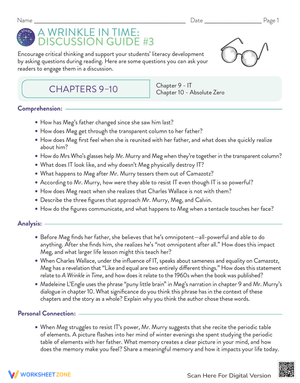
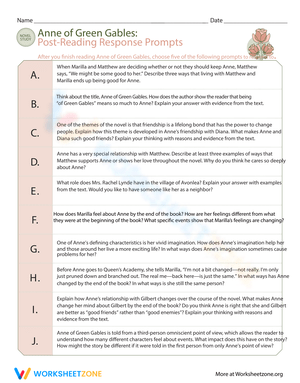
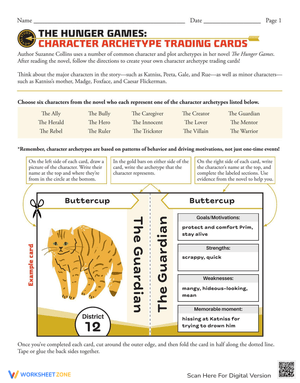
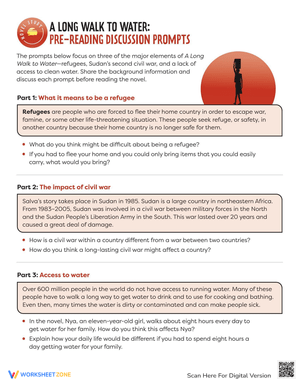
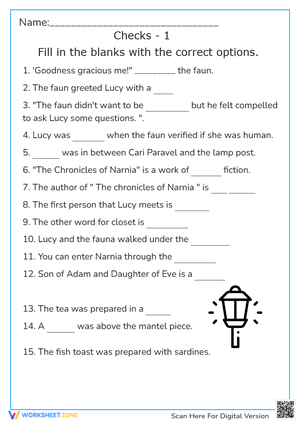
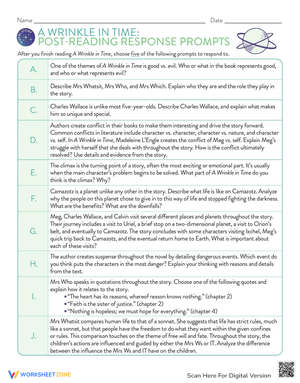
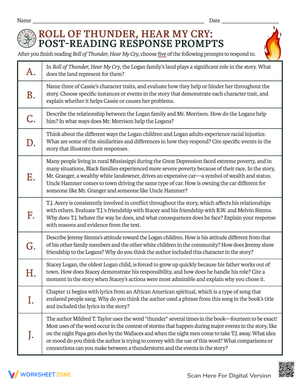
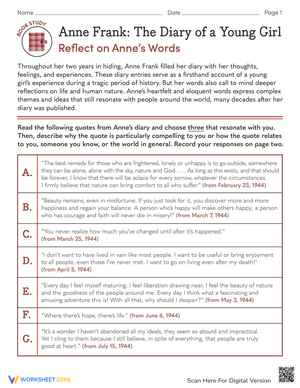
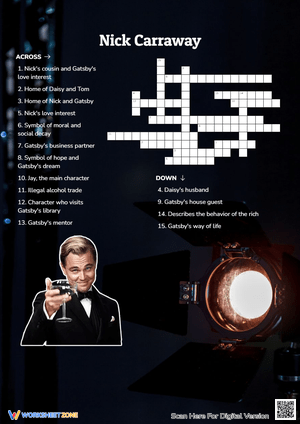
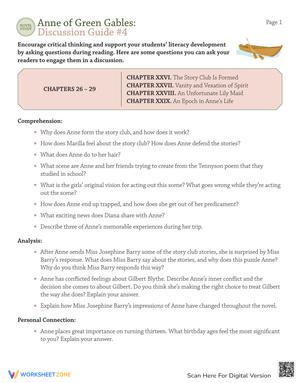
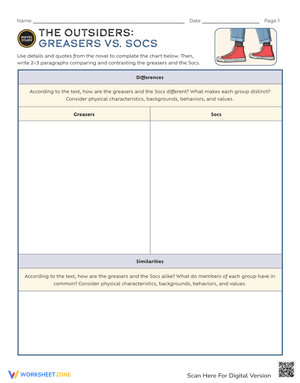
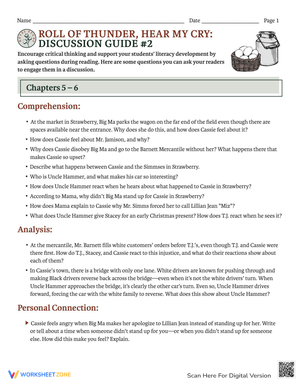
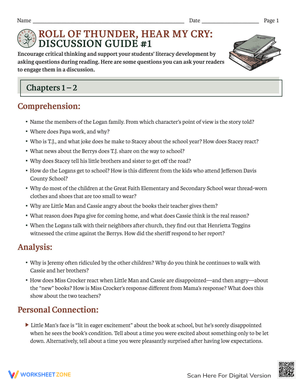
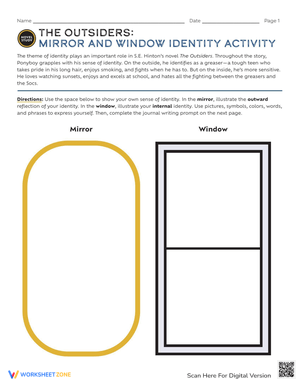
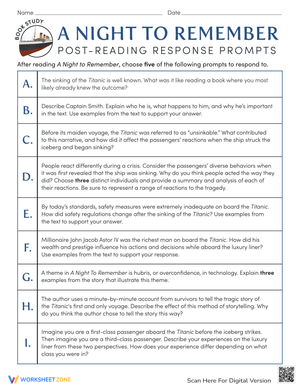
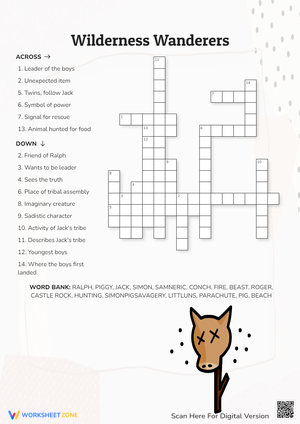
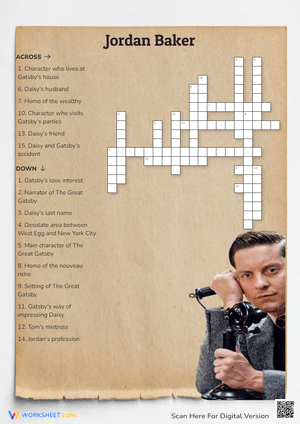
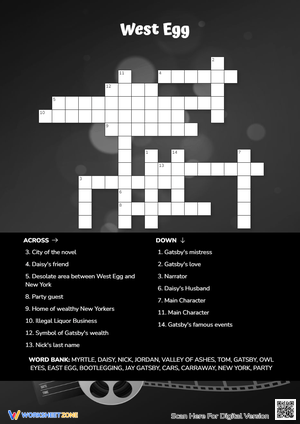
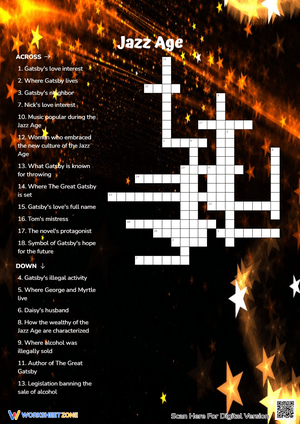
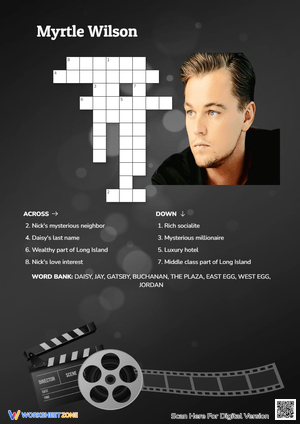
Novel study printable worksheets for 7th grade give teachers something that class discussion alone rarely produces: a written record of how individual students are thinking about a novel before the final essay appears. At this grade, the reading demands shift in a specific and sometimes difficult way — students are expected to move past identifying plot events and begin explaining how character choices early in the story affect its meaning by the end. This set supports that shift with tasks students complete independently, in small groups, or during literature circles, regardless of which text the class is reading.
The Skills Each Worksheet Is Built Around
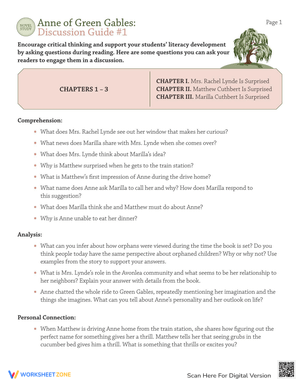
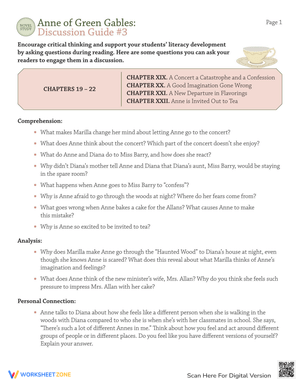
Each worksheet targets one or two connected reading behaviors rather than asking students to perform everything at once — a practical choice that reduces the mental load on reluctant readers and gives teachers a cleaner view of where understanding is actually breaking down.
- Textual evidence and citation: Students locate proof in the text, record it accurately, and write a sentence explaining what it demonstrates. The goal is connection, not collection.
- Character change over time: Students track how a character's beliefs, relationships, or choices shift across the novel rather than describing the same fixed traits from beginning to end.
- Theme development: Students gather evidence from multiple points in the novel and construct a theme statement — not just name a topic like "courage" or "belonging."
- Point of view and reliability: Students consider how the narrator's position shapes what the reader knows and what remains uncertain or incomplete.
- Vocabulary in context: Students infer word meaning from surrounding text, record definitions in their own words, and apply new vocabulary in short written responses.
- Summary and synthesis: Students capture key events concisely, distinguishing plot detail from interpretation.
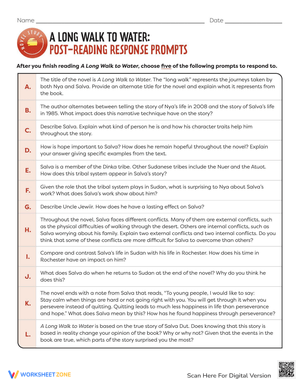
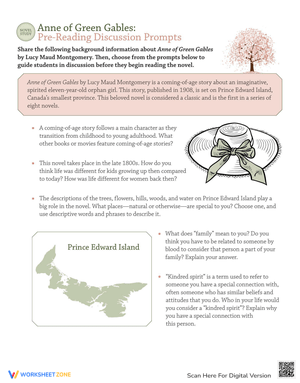
The set also includes pre-reading worksheets that activate background knowledge and establish a purpose for reading, and post-reading worksheets that help students pull together what they have noticed across the full novel before moving into extended writing or assessment.
Frequent Student Errors These Worksheets Help You Catch and Address
Theme work is where 7th graders stumble most predictably. Asked to identify theme, a student writes "friendship" or "courage" — a topic, not a statement. The theme analysis worksheets require students to write a complete sentence and support it with evidence from at least two different points in the novel. When a student writes "The theme is loyalty," the next prompt on that worksheet asks them to restate it as a claim about what the novel says about loyalty. That one redirect catches the most common theme error before it appears on a graded essay.
Evidence use is a second consistent problem. Students find a strong quote and drop it into a response without explanation — what many teachers call a "quote dump." The text-response worksheets ask students to record the evidence, note where in the novel it appears, and write one sentence explaining what that evidence shows. The three-part structure is not elaborate, but it builds the habit of explaining a connection rather than just displaying a quote.
A third pattern shows up in character work: students describe a character the same way in their chapter-two response that they described them in chapter twelve. The character analysis worksheets include a progression column where students record what a character is like early in the novel, what events cause change, and what the character becomes by the end. That structure makes it hard to skip the development step — and when a student's three columns all say the same thing, it tells the teacher exactly where reteaching needs to go.
Building These Worksheets Into Your Novel Units
The most effective implementation approach is the one-anchor-worksheet method. Choose a single worksheet — the character change tracker or the theme evidence log — and have students return to it after each reading section throughout the entire novel. Every other worksheet rotates around that anchor. Monday might open with a prediction or background-knowledge worksheet. Midweek pulls in vocabulary and a short evidence response. Thursday runs the discussion worksheet in pairs or small groups. Friday closes with a brief synthesis prompt. This rhythm keeps daily reading work purposeful without turning the unit into a steady rotation that starts to feel mechanical.
For substitute days, the self-contained comprehension and discussion worksheets hold up without teacher introduction. A student who reads the directions can complete the task independently — and teachers who have handed over open-ended reading journals for a sub day know how rarely that goes well. A concrete task with clear prompts makes the difference.
These worksheets fit a standard 45- to 60-minute ELA block. A clean sequence: reading (approximately 20 minutes), worksheet completion (15 minutes), partner or small-group debrief (10 minutes), brief class share-out (5 minutes). That structure keeps reading, writing, and discussion reinforcing each other within a single period rather than pushing any one activity into the following day.
Adjusting the Set for a Range of Student Levels
Novel study printable worksheets for 7th grade work across a wide reading range when teachers make deliberate choices about which worksheets to assign and how much response structure to provide. Most 7th grade classrooms include students reading two or more years below grade level alongside students who are ready for sustained literary analysis. The same worksheet can serve both groups with the right adjustments to task and expectation.
Students who need more support benefit from the organizer-style worksheets over the open-response ones, from sentence starters written in before students begin, and from shorter reading chunks — one chapter rather than three — paired with a summary worksheet after each section. The vocabulary log is especially useful here because students who cannot yet infer word meaning still build the habit of pausing to notice an unfamiliar word and making a guess before checking it.
Students working at or above grade level can move quickly past plot-level worksheets and spend more time on theme synthesis, point-of-view analysis, and comparative prompts. A productive extension is asking these students to maintain a running evidence log and synthesize it into a focused paragraph at the end of each reading section. Some teachers add an alternate-point-of-view task alongside the standard worksheets: students rewrite a key scene from a different character's perspective, using evidence from the novel to stay grounded.
Standard Alignment
These novel study printable worksheets for 7th grade align with multiple seventh-grade Common Core ELA Reading Literature standards. RL.7.1 — citing several pieces of textual evidence to support analysis, including acknowledging when the text does not fully resolve a question — is addressed directly in the evidence-response and discussion worksheets. RL.7.2, focused on determining theme and analyzing its development across a text, drives the theme evidence log and post-reading synthesis worksheets. RL.7.3 asks students to analyze how plot elements, character traits, and setting interact; that work is built into the character change tracker and the cause-and-effect plot organizer. Vocabulary worksheets address RL.7.4 through context clue practice, and the point-of-view analysis worksheet targets RL.7.6.
In classroom terms, that alignment means teachers can connect individual worksheets to specific lesson objectives without retrofitting standards to a general resource. When a department review asks for documentation of RL.7.2 instruction, the theme development worksheets produce student work samples that show immediately whether students are constructing theme statements with evidence or simply naming topics.
Frequently Asked Questions
Can these worksheets be used with any novel, or are they tied to specific titles?
The set works with any novel or extended text. No worksheet references a specific title, which means teachers can use the same resources for a whole-class novel, a literature circle with different books, or independent reading where students choose their own titles. The skill focus stays consistent even when the text changes.
How long does each worksheet take to complete?
Most students finish each worksheet in 10 to 20 minutes, depending on the response type. Vocabulary logs and organizers run shorter. Theme synthesis and text-evidence response worksheets take longer, especially when students write a full paragraph. Teachers who use a 15-minute in-class completion window often assign the longer response worksheets for homework or build in extra time on discussion days.
Are these worksheets appropriate for students who are reading below grade level?
Yes, with adjustment. Novel study printable worksheets for 7th grade can be modified for below-grade readers by prioritizing the organizer worksheets over open-response ones, providing sentence starters, and pairing students for discussion tasks. The skills being practiced — summarizing, tracking character change, locating evidence — are exactly the skills those students need to develop. The structure gives them a concrete entry point rather than a blank response field.
Do these worksheets work when students in the same class are reading different books?
They work well for that purpose. Teachers assign the same worksheet to all groups regardless of title. Discussion worksheets are completed within each group and then compared during a whole-class share-out. Students reading different books often find those cross-title conversations — especially around theme and character development — more generative than discussions where everyone finished the same chapter.












 Interactive Worksheet Maker
 Quiz Maker
 Word Search Maker
 Crossword Puzzle Maker
 Word Scramble Generator
 Sentence Scramble Generator
 Handwriting Worksheet Generator
 Name Tracing Generator
 Fill In The Blank Generator