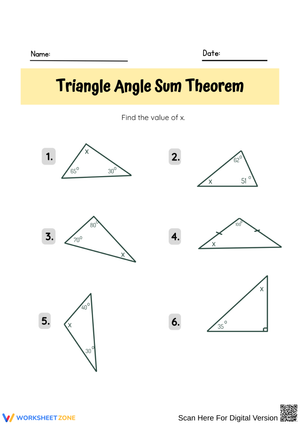
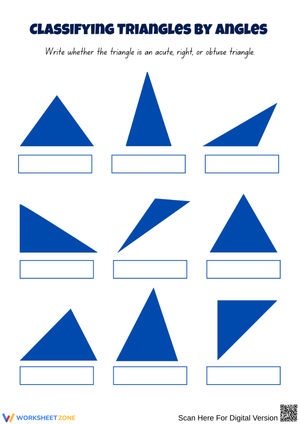
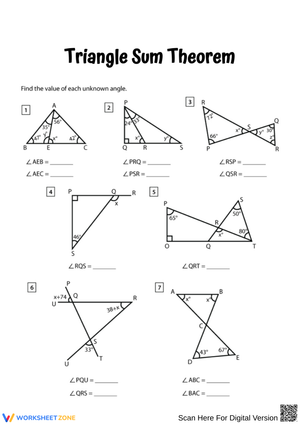
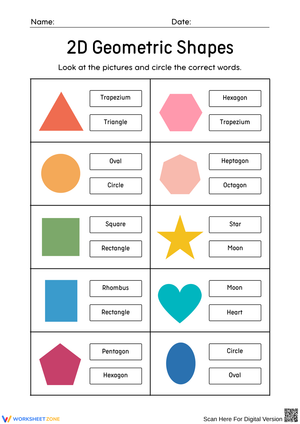
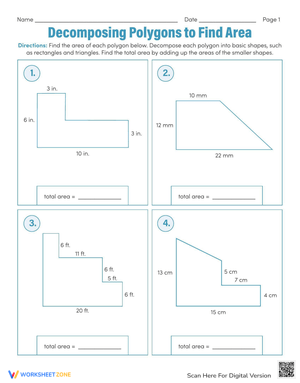
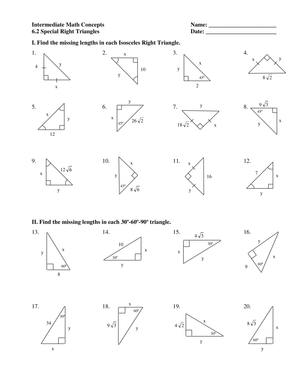
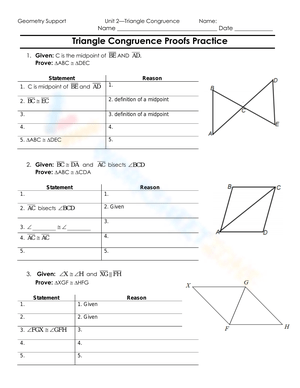
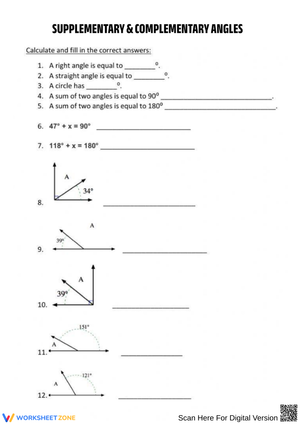
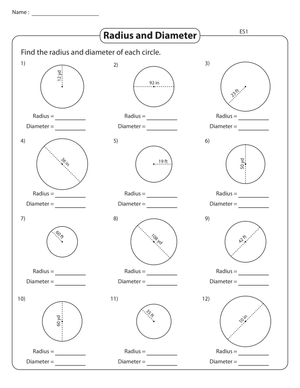
These 6th grade 2d shapes printable worksheets resources give teachers a ready-made progression from polygon classification through area and perimeter computation — the range of skills that actually shows up across a sixth grade geometry unit. Each worksheet targets a specific skill cluster, so teachers can pull exactly what they need rather than sorting through content that doesn't match the day's lesson focus.
Skills Covered Across the Set
Sixth graders are expected to do considerably more than recognize a hexagon from a picture. The work spans naming, classifying, measuring, and reasoning — and the stronger worksheets address all of those layers rather than staying at the recognition level. Here is what the set draws from:
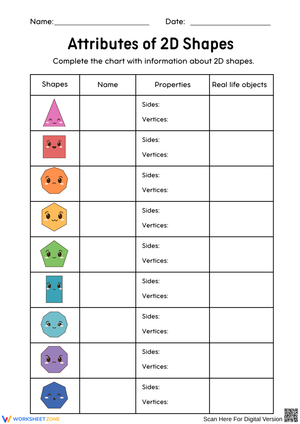
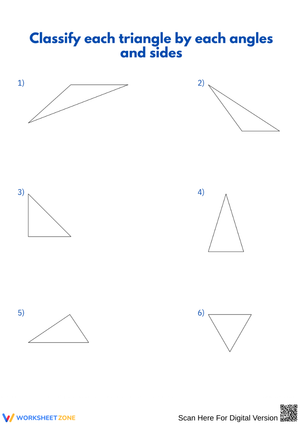
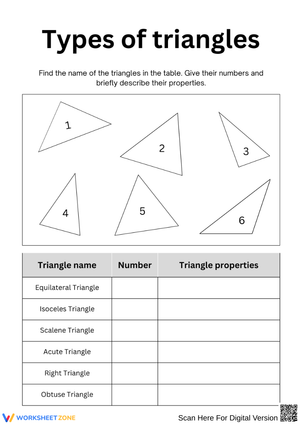
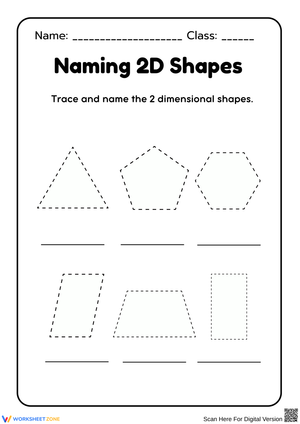
- Polygon identification: Students name and label triangles, quadrilaterals, pentagons, hexagons, and octagons from diagrams shown in varied orientations, not just standard textbook positions.
- Attribute-based classification: Students sort figures by number of sides, presence of parallel sides, angle type, and congruent sides — and record their sorting rule in writing.
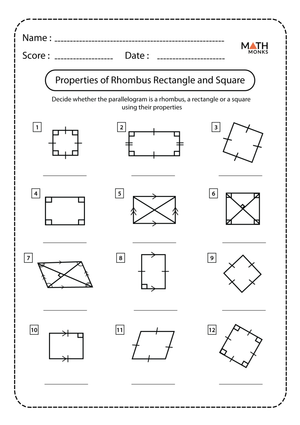
- Quadrilateral relationships: Students compare squares, rectangles, parallelograms, rhombuses, trapezoids, and kites using defining properties rather than visual resemblance.
- Line symmetry: Students determine whether a figure has zero, one, or multiple lines of symmetry and draw those lines directly on the diagram.
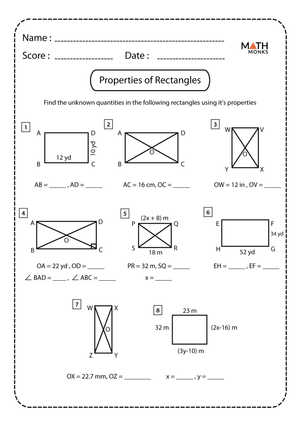
- Perimeter and area: Students calculate measurements for triangles, rectangles, and composite figures, and solve for missing side lengths when given a perimeter or area value.
- Short reasoning prompts: Several worksheets close with a written explanation — students state why a shape fits a category or how two figures differ by attribute.
The mix of visual and numerical tasks reflects what sixth grade geometry actually demands. Selecting the right 6th grade 2d shapes printable worksheets set means looking for that range — not a resource that stops at circling the correct shape name and calls it geometry practice.
Mistakes Students Make That These Worksheets Help Surface
The most persistent error in sixth grade shape work is the quadrilateral hierarchy problem: students treat "square" and "rectangle" as mutually exclusive categories. Ask a class whether a square is a rectangle and roughly half will say no — confidently. These worksheets include classification tasks that require students to place a square inside the rectangle category, with an explanation prompt attached. Without that confrontation, the misconception survives quietly through the end of the unit.
Orientation errors come up nearly as often. A parallelogram tilted 45 degrees gets called a "diamond" by students who classify by silhouette rather than by attribute. Each worksheet presents figures in non-standard orientations so students practice identifying parallel sides, right angles, and congruent sides rather than reacting to the overall shape impression. That detail matters because assessment items routinely rotate figures to check exactly that skill.
With area and perimeter, the breakdown typically comes on composite figures. Students add only the labeled segments rather than tracing the full perimeter boundary, or they apply the rectangle area formula to a triangular region. The measurement worksheets include composite figures specifically because that is where student work falls apart — and catching it during practice is considerably better than finding it on a unit test.
Fitting These Worksheets Into Your Geometry Unit
The most useful entry point is a quick polygon identification task early in the unit — three to five minutes — to surface what students retained from fifth grade. The quadrilateral classification standards officially appear at 5.G.B.3 and 5.G.B.4, but sixth grade geometry builds directly on them. Knowing who has that foundation and who is missing it changes how the mini-lesson runs.
For independent practice, each worksheet works well as the work segment after a class discussion on classification or symmetry. Most students finish in 10 to 15 minutes, which fits neatly into the back half of a 30-minute lesson block. For Friday review, the mixed-skill worksheets keep shape vocabulary and measurement active across the unit — 8 to 10 minutes at the end of the block checks whether students can still name a composite figure's components and calculate its area without a full reteach.
In intervention groups, pair each worksheet with physical shape cards students sort before writing anything down. That concrete-to-representational sequence breaks the visual-resemblance habit faster than written practice alone. For substitute plans, the worksheets with step-by-step directions and included answer keys run without issue — no additional explanation needed from the sub.
Standard Alignment
The area and perimeter worksheets connect directly to 6.G.A.1, which asks students to find areas of triangles, special quadrilaterals, and polygons by decomposing or composing shapes. The classification and symmetry worksheets reinforce 5.G.B.3 and 5.G.B.4 — understanding that attributes defining a category also apply to all subcategories — which sixth graders are expected to apply rather than encounter for the first time. Instruction that addresses both standard clusters gives students the attribute vocabulary and the computational fluency to handle the full range of geometry tasks on unit assessments.
Adjusting the Set for Mixed-Ability Classrooms
For students who still confuse basic polygon vocabulary, adding a short word bank to the margin of any classification worksheet removes the retrieval burden without removing the analytical work. The aim is to move attention onto attributes — parallel sides, angle types, symmetry — rather than onto spelling or memorization.
On-level students generally move through the 6th grade 2d shapes printable worksheets set without structural changes. The step-up moment comes on composite figure problems; having a ruler available so students can measure decomposed sections on the diagram reduces errors from misreading given dimensions. For students ready for more challenge, the quadrilateral comparison worksheet gets a useful extension: "Write two rules that would sort these eight figures into exactly two groups, then explain why your rules work." That task pushes analytical thinking about attributes without requiring a separate resource.
Frequently Asked Questions
Do these worksheets cover area and perimeter, or only shape identification?
Both. Classification and symmetry work appear in the earlier worksheets, and area and perimeter — including composite figures — appear in the later ones. Teachers can assign the full progression across a unit or pull individual worksheets based on the current lesson focus.
What grade level is this set appropriate for?
The set targets sixth grade. The classification worksheets align with fifth grade standards, which makes them useful as review or intervention support for sixth graders who need to rebuild that foundation before moving into area computation.
How long does each worksheet take to complete?
Most students finish in 10 to 15 minutes. Worksheets that include a written reasoning prompt may run slightly longer for students who need extra time to compose an explanation.
Can these be used as formative assessments?
A single classification worksheet, reviewed quickly during or after class, gives a clear read on whether students are sorting by attributes or by visual resemblance — the central diagnostic question at this point in geometry instruction. The 6th grade 2d shapes printable worksheets set includes enough format variety that each worksheet functions as both a practice task and a quick formative check, and the answer keys make that review genuinely fast.













 Interactive Worksheet Maker
 Quiz Maker
 Word Search Maker
 Crossword Puzzle Maker
 Word Scramble Generator
 Sentence Scramble Generator
 Handwriting Worksheet Generator
 Name Tracing Generator
 Fill In The Blank Generator