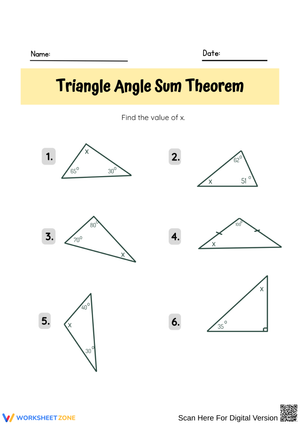
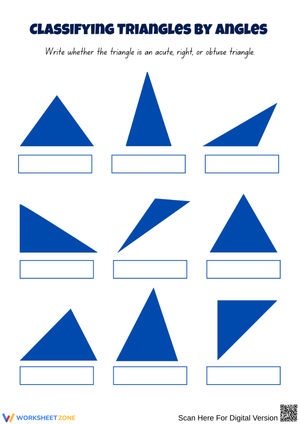
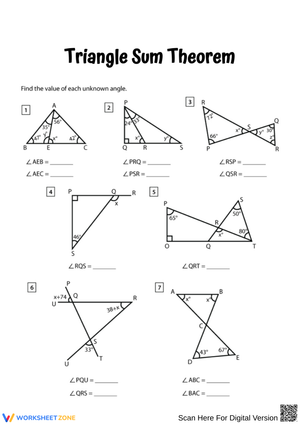
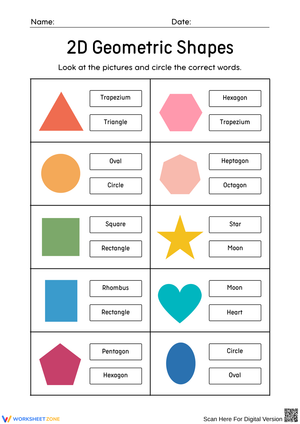
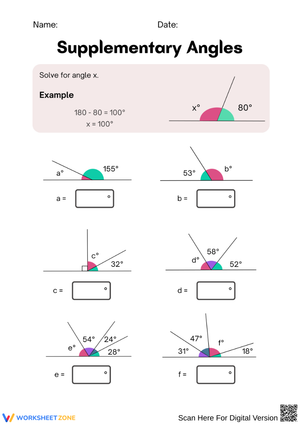
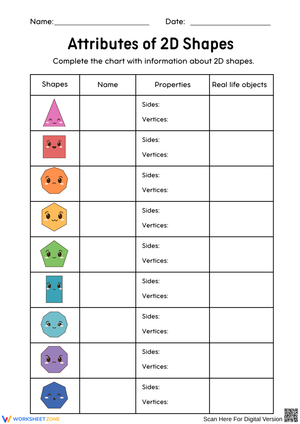
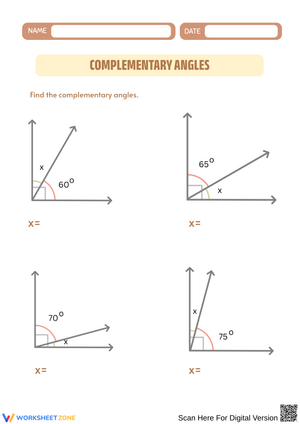
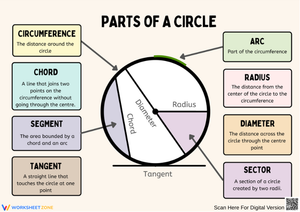
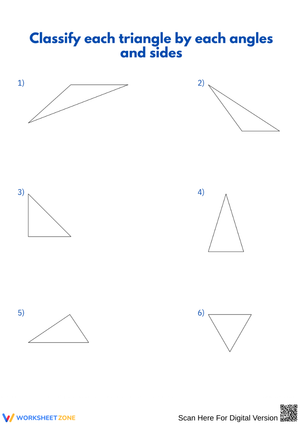
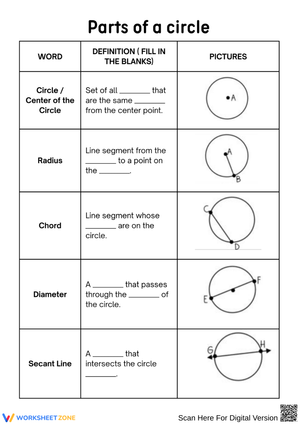
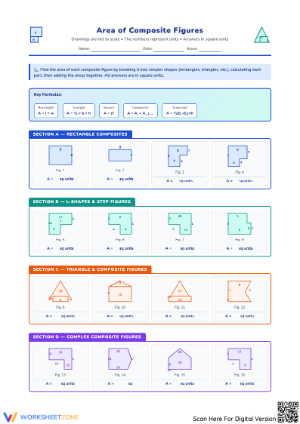
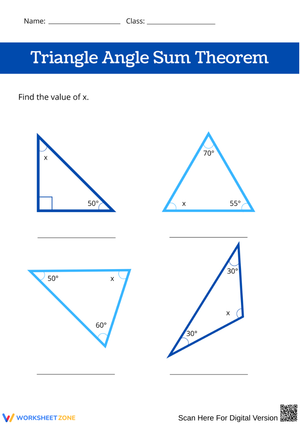
These shapes worksheets for 6th grade give teachers print-ready geometry practice that moves students past simple identification into the classification and reasoning work the grade actually demands. Each worksheet is standalone and downloadable — no assembly required, no dependency on a specific curriculum sequence.
What the Set Covers
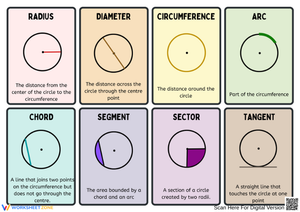
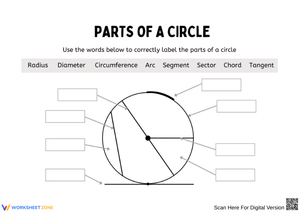
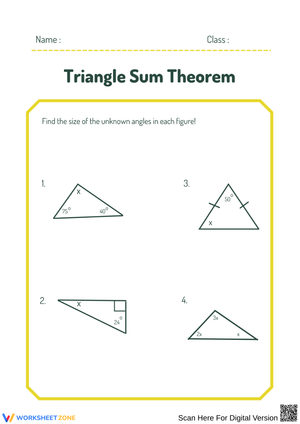
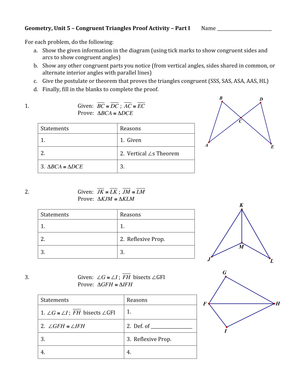
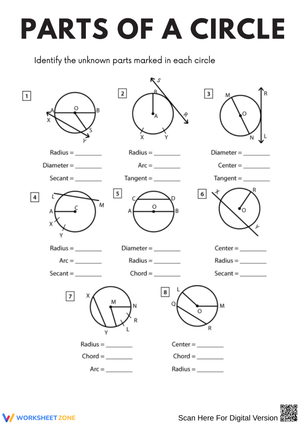
Sixth grade geometry stretches in more directions than most people remember. Students are classifying triangles by angle type and side length, sorting quadrilaterals by their defining properties rather than just their names, working with polygons and circles, and making the conceptual jump to 3D figures — prisms, pyramids, and their nets. Each worksheet targets one or two of those areas with enough focus to work as a direct instruction follow-up, without being so narrow it can only fit a single lesson purpose.
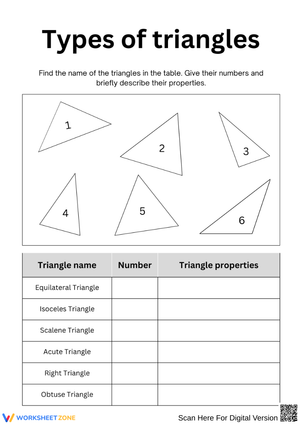
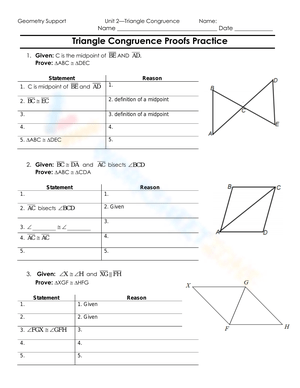
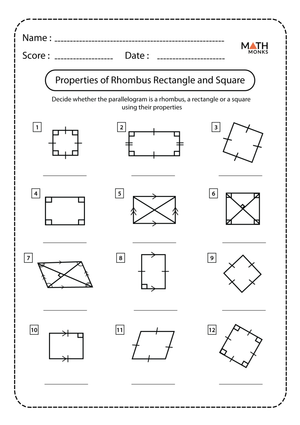
- Triangle and quadrilateral classification: sorting by attributes rather than appearance, with attention to overlapping categories
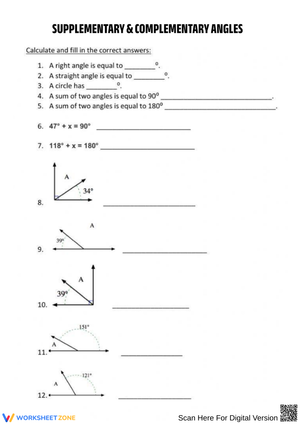
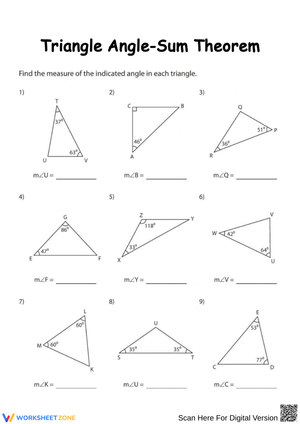
- Polygon properties: sides, angles, regularity, and interior angle relationships
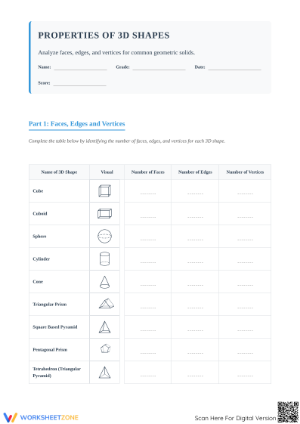
- 3D figure vocabulary: faces, edges, vertices, and the connection between nets and the solids they form
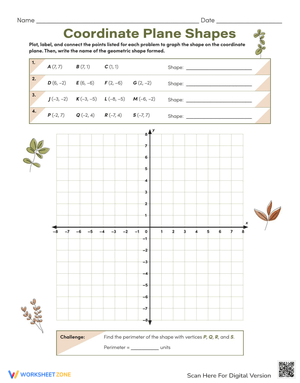
- Coordinate plane geometry: plotting vertices, identifying figures from ordered pairs, and reasoning about symmetry
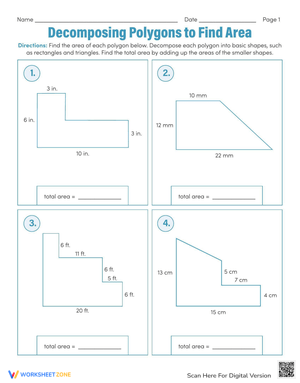
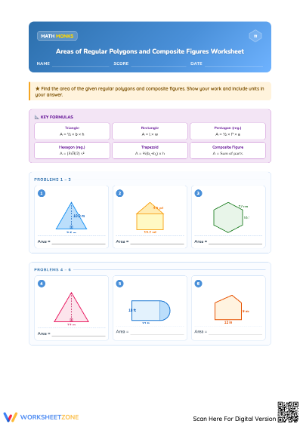
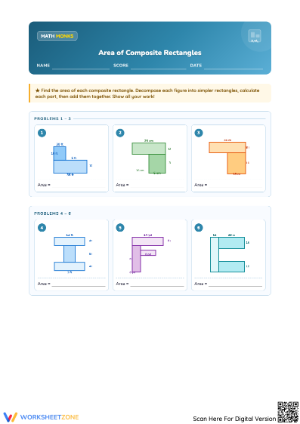
- Composite figures: decomposing irregular shapes to calculate area or perimeter
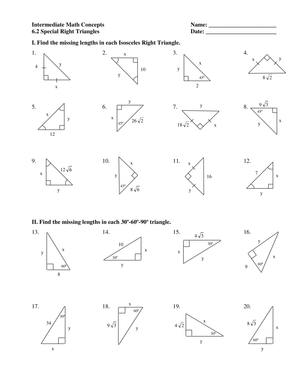
- Measurement connections: surface area and volume tasks rooted in shape attributes, not isolated formula practice
That final point matters more than it sounds. A student who understands that a rectangle has two pairs of opposite parallel sides and four right angles has what they need to derive area, set up a surface area equation for a rectangular prism, and sanity-check whether a calculated perimeter makes sense. Each worksheet is built around that kind of connected understanding rather than vocabulary in isolation.
Frequent Student Errors Worth Watching For
The most persistent misconception at this level is treating shape categories as mutually exclusive. Students learn "rectangle" and "square" as separate entries and resist the idea that a square is a special case of a rectangle. Ask any class of sixth graders whether a square is a rectangle and watch the split — at least a third will say no, without hesitation. Worksheets that ask students to mark all categories a figure belongs to, rather than choosing just one, surface this confusion immediately and give teachers a clear opening to address it directly.
Two other patterns appear consistently in student work:
- Confusing prisms and pyramids when both appear unlabeled — students often key in on the overall 3D silhouette rather than reasoning about the number and shape of bases
- Misreading coordinate plane figures by connecting plotted vertices in the wrong order, which produces a self-intersecting shape instead of the intended polygon
Both errors are easier to catch when each worksheet includes at least one written-response item alongside the visual tasks. A prompt like "explain why this figure is or is not a parallelogram" forces students to use attribute language rather than guess from shape memory, and that written evidence tells teachers far more than a circled answer choice ever will.
Building These Worksheets Into Your Geometry Unit
The most effective use of this set is matching each worksheet to the specific purpose of that day's lesson rather than assigning one as general filler. An introductory lesson on quadrilateral classification works well when the worksheet follows direct instruction with four or five focused classification items. A review lesson can draw on a mixed-topic worksheet to check retention across triangle types, polygon vocabulary, and 3D figure recognition in one sitting. These shapes worksheets for 6th grade slot cleanly into several routine classroom structures:
- Monday warm-up: Two or three items from a classification worksheet projected and discussed before instruction begins
- Guided practice follow-up: The rest of that same worksheet completed independently while the teacher checks in with students who struggled during the lesson
- Small-group reteach: One worksheet worked through together with a pulled group, students explaining attribute reasoning aloud before writing anything down
- Station rotation: Each worksheet at a geometry station, paired with a physical model — a paper net or a folded prism — at the adjacent station
- Sub plan: A self-contained worksheet with the answer key left in the folder; students work independently, and the sub doesn't need geometry background to manage the period
One structural move that adds depth without extra materials: use each worksheet twice. Have students complete it silently first, then revisit two or three items as a whole-class discussion where students defend their answers. That second pass is where reasoning becomes audible — and where teachers hear exactly which vocabulary students are misusing before the unit assessment arrives.
Standard Alignment
The set aligns to the CCSS geometry domain for Grade 6, specifically 6.G.A.1 (area of polygons by composing and decomposing), 6.G.A.2 (volume of right rectangular prisms), 6.G.A.3 (coordinate plane geometry with polygons), and 6.G.A.4 (surface area using nets). In classroom terms, these standards ask students to move fluidly between 2D and 3D representations and to treat measurement as a consequence of shape properties — not a separate skill domain stapled on at the end. Teachers following Illustrative Mathematics Grade 6 or a similar unit structure will find the worksheet topics fit the geometry module sequence without significant reordering.
Using the Same Set With Students at Different Levels
For students still consolidating basic shape vocabulary, pair each worksheet with a reference sheet listing shape names and their defining attributes. The point is not to test memorization — it's to practice the reasoning moves of classification. Exposing items one section at a time, rather than presenting the full worksheet at once, also reduces the cognitive load for students who shut down when a task looks too long before they've started.
These shapes worksheets for 6th grade also offer natural entry points for students working above grade level. Any classification item becomes a genuine challenge when you add the prompt: "Write a definition for this shape category that would exclude every other shape shown." That requires students to think about necessary and sufficient conditions — a real step toward formal geometric reasoning. For students ready to connect geometry to algebra, coordinate plane worksheets extend naturally by asking them to calculate perimeter or area from ordered pairs, bringing measurement and graphing together in the same task.
Frequently Asked Questions
Can these worksheets be assigned in any order?
Each worksheet in the set is standalone, so there's no required sequence. In practice, most teachers use the classification worksheets earlier in the unit and save coordinate plane and surface area worksheets for later — but nothing in the design locks that order in. Pull whatever matches the day's lesson.
Are these appropriate for students who are below grade level in geometry?
Yes, with the right support in place. Students who arrive without solid 2D shape vocabulary benefit from working through the classification worksheets before tackling 3D figure or coordinate plane tasks. The narrow scope of each worksheet makes it straightforward to identify the right starting point for a given student rather than assigning the entire set at once.
Do the worksheets come with answer keys?
Answer keys are included, which makes the set practical for independent centers, sub plans, and quick formative review. When checking student work, pay as much attention to the written-response items as to the fill-in answers — a student who circled the right category for the wrong reason needs different follow-up than one who simply misread the figure.
How is this set different from generic geometry printables?
Most generic geometry printables stop at naming — label this shape, circle the triangle. These shapes worksheets for 6th grade ask students to classify by attribute, explain category membership, and apply shape knowledge to measurement tasks. That is the reasoning work that appears on Grade 6 assessments and that 7th grade geometry builds directly on.













 Interactive Worksheet Maker
 Quiz Maker
 Word Search Maker
 Crossword Puzzle Maker
 Word Scramble Generator
 Sentence Scramble Generator
 Handwriting Worksheet Generator
 Name Tracing Generator
 Fill In The Blank Generator