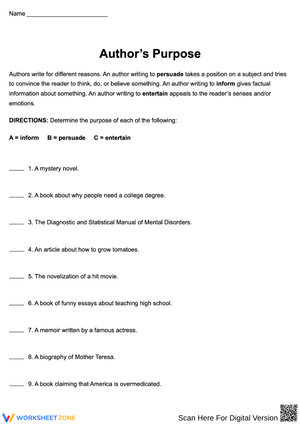
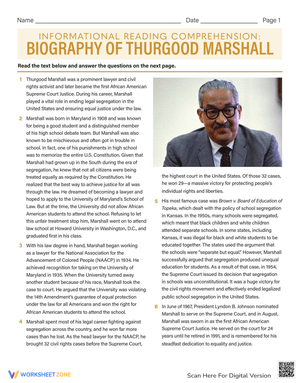
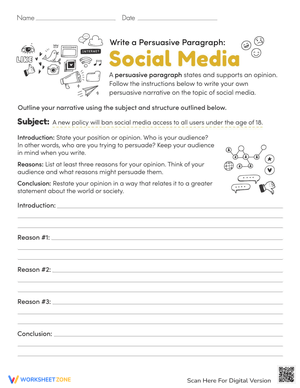
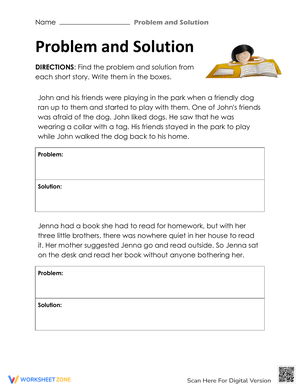
Why these printables fit fifth-grade reading work
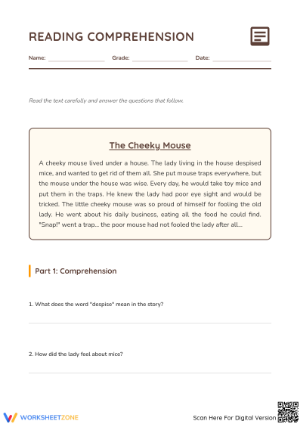
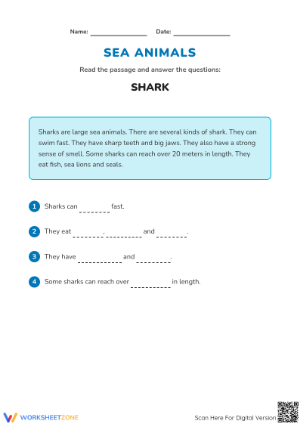
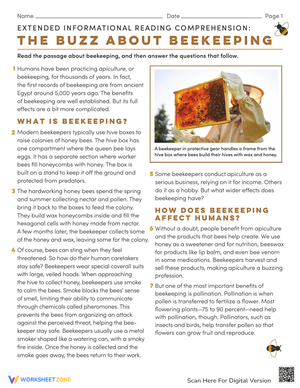
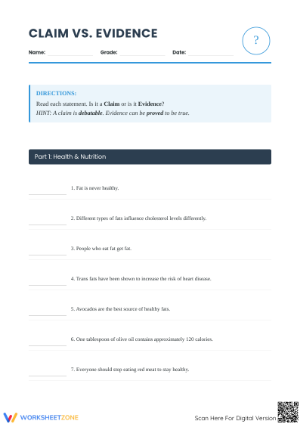
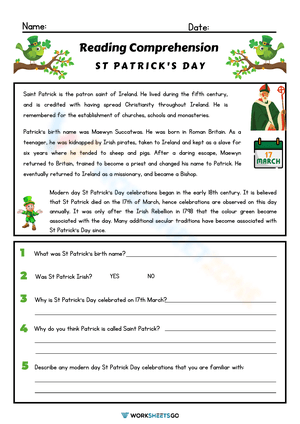
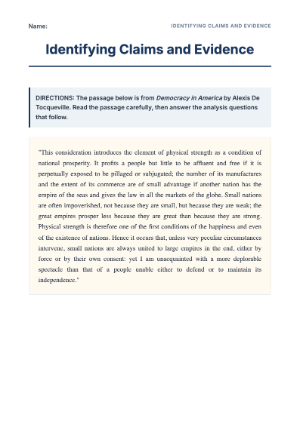
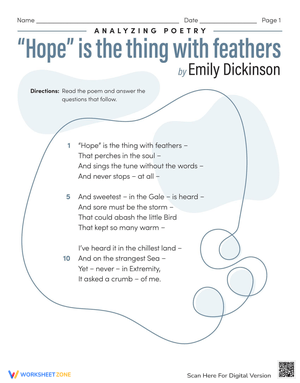
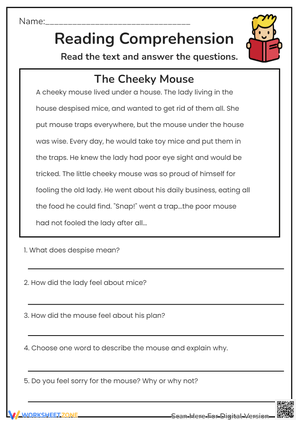
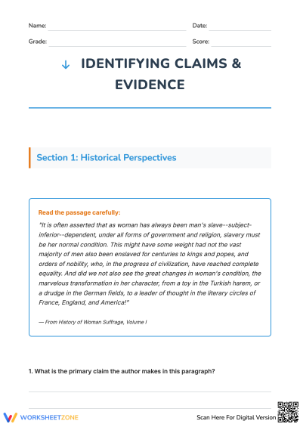
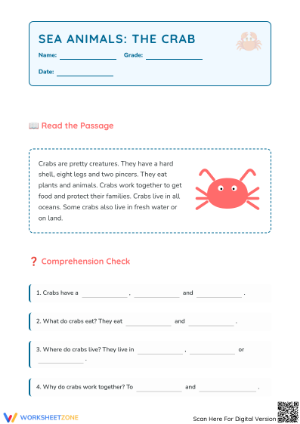
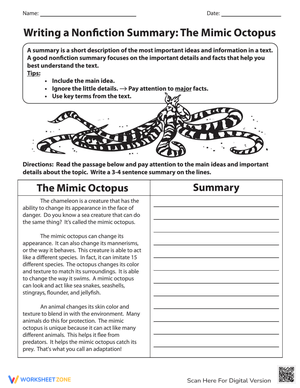
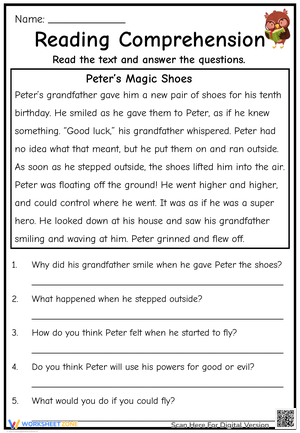
Reading fill in the blank printable worksheets for 5th grade work best when they do more than test whether students can guess a missing word. In a fifth-grade classroom, teachers are usually asking students to read closely, notice how details connect, and explain their thinking with evidence from the passage. A well-built cloze activity gives students a short, manageable way to practice those habits without turning the lesson into a long written response block.
That makes these printables useful across the week. Teachers can use them after guided reading, after a shared article, during literacy centers, or as a fast check before moving on to a new text set. Because the format is brief, students can reread the full passage, look for clues around each blank, and still finish independently.
Worksheetzone collections are especially practical when you want fifth graders to stay focused on meaning. Instead of filling random gaps, students should be using syntax, vocabulary knowledge, and text clues to supply words that carry the main idea of the sentence or paragraph. That is where the worksheet becomes a reading task rather than just a word puzzle.
What strong grade 5 cloze worksheets should include
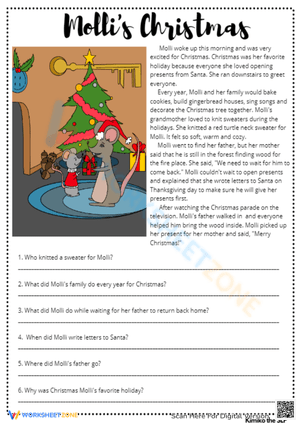
The strongest fifth-grade reading cloze pages start with passages that are short enough to reread but rich enough to support discussion. Teachers usually need a text length that feels fluency-friendly, not overwhelming, so students can concentrate on what each blank does to the meaning of the sentence. If the page is too dense, students spend their energy decoding the format instead of thinking about the text.
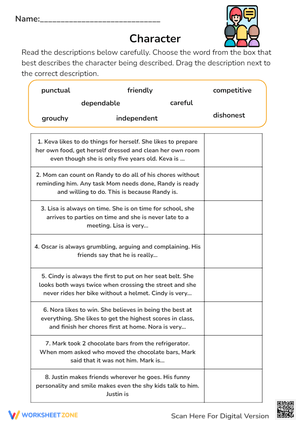
Meaningful blanks are the next filter. The best omissions are vocabulary words, transition words, domain-specific terms, or phrases that carry the author's point. When a worksheet removes random little words, students can still finish it, but the activity does not tell the teacher much about comprehension. In fifth grade, each blank should reveal whether students understand the surrounding details and the overall message.
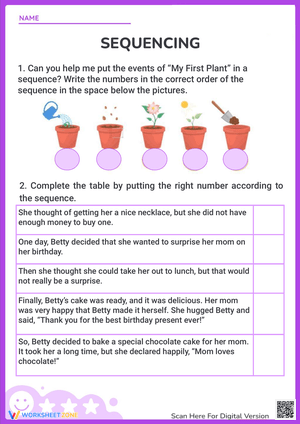
Clear answer expectations also matter. Some worksheets need one precise answer. Others can support two acceptable choices if the teacher plans to discuss why both fit. That flexibility is useful, but it should be intentional. If every blank feels open ended, the printable becomes hard to score and harder to use as a quick formative check.
How students build comprehension, inference, and vocabulary
Fifth graders use several reading behaviors at once during a cloze task. First, they read for literal meaning. Then they check sentence structure to see what type of word belongs in the blank. After that, they test whether the word choice still makes sense in the paragraph and the full passage. That sequence supports comprehension in a very visible way, which is helpful for teachers who want to hear students explain how they arrived at an answer.
These worksheets also support inference. Students often need to decide between two words that both seem possible at first glance. To choose correctly, they have to return to nearby details, track the author's wording, and notice tone or text structure. That kind of rereading is worth teaching directly because it moves students away from first-guess habits.
The Common Core State Standards for English Language Arts describe grade 5 reading work that includes quoting accurately from a text and drawing inferences from details. That grade-level expectation is a useful checkpoint: if a blank can be answered without rereading or citing nearby evidence, the worksheet is probably too easy for fifth grade.
A citation capsule teachers can use when planning is this: According to the Common Core State Standards for English Language Arts, grade 5 readers should quote accurately and draw inferences from details in text, so cloze practice is strongest when students justify each answer with specific wording from the passage rather than guess from memory alone.
Classroom Implementation
In whole-group instruction, a reading fill in the blank printable can work as a 10 to 15 minute bridge between reading and discussion. Students read the passage independently, complete the blanks, and then compare answers with a partner before the class reviews the text. That routine gives quieter students time to think before speaking and gives the teacher a fast picture of who understood the selection.
In centers, these pages are most effective when the directions stay consistent from week to week. Students should know whether they are expected to use a word bank, underline context clues, or explain one answer on the back of the page if your classroom routine allows it. Predictable routines lower management time and make the worksheet easier to assign independently.
For intervention groups, the printable format is useful because it keeps the task tight. The source hint titled Providing Reading Interventions for Students in Grades 4–9 points teachers toward targeted support for older readers, and short cloze passages fit that setting well because they let you model one strategy, watch students try it, and correct misunderstandings right away.
These printables also work well as exit tickets. If the passage is brief and the blanks focus on key ideas, teachers can see whether students are ready for independent reading work or whether they still need another round of guided practice.
Should you use a word bank or open-response blanks?
Both formats have value in fifth grade, but they do different jobs. A word bank is usually the better entry point when the goal is comprehension with lower writing demand. It helps multilingual learners, students in intervention, and classes that are still learning the cloze routine. Because the answer choices are visible, the teacher can focus the discussion on why one word fits better than the others.
Open-response blanks ask more from students. They must retrieve the word on their own, which raises the level of difficulty and can show whether vocabulary is really secure. That format is useful when students already know the text structure and can handle a more independent task. It also gives the teacher more information about which students are reading carefully and which ones are making loose approximations.
A practical sequence is to begin a new routine with a word bank, then remove the support once students are successful. Teachers do not need to choose one format for the whole year. The better question is what kind of evidence you want from this lesson: supported comprehension, independent vocabulary use, or a mix of both.
How to extend the worksheet into stronger text-evidence habits
The printable should not end with the last blank. The best follow-up move is asking students to defend one or two answers with evidence from the passage. That can happen orally, in partner talk, or in a brief written sentence. When students point to the exact phrase that helped them choose a word, the worksheet becomes a launch point for accountable reading instead of a standalone page.
Another strong extension is a reread with a purpose. After students complete the blanks, ask them to reread one paragraph and explain how the missing words helped reveal the main idea, the sequence of events, or the author's explanation. This keeps the focus on comprehension rather than speed.
The source hint titled Developing Fluent Readers also supports this approach because fluent reading is tied to making meaning from connected text, not just saying words accurately. When students reread a short passage to confirm a blank, they are practicing the kind of meaning-based rereading that teachers want to see in upper elementary reading blocks.
- Use cloze pages after a shared text to check whether students noticed key vocabulary.
- Ask students to explain one answer with evidence from the sentence before and after the blank.
- Save harder open-response versions for small groups or later-week review.
- Keep passage length short enough that students can reread independently.
Frequently Asked Questions
1. What skills do 5th grade reading fill-in-the-blank worksheets practice?
They practice comprehension, vocabulary in context, inference, and rereading. Strong worksheets also reveal whether students can use nearby details to choose a word that fits the meaning of the full passage.
2. How long should a grade 5 cloze activity take in class?
For most classrooms, 10 to 15 minutes is enough for an independent read, completion time, and a brief review. A longer block can work in intervention or when students also defend answers with text evidence.
3. Should teachers use a word bank or open-response blanks for fifth graders?
Use a word bank when you want supported practice or when students are new to the routine. Use open-response blanks when students are ready for more independent vocabulary retrieval and closer reading.
4. Can these printables work for small-group intervention and independent practice?
Yes. In intervention, teachers can pause and model how to use context clues. In independent practice, the same format works well when directions are familiar and the passage length allows students to reread without teacher support.