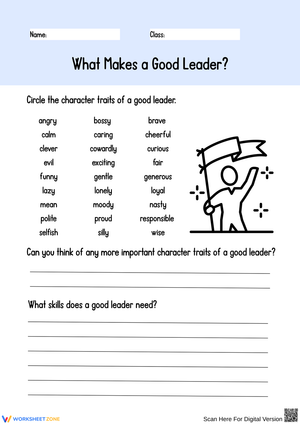
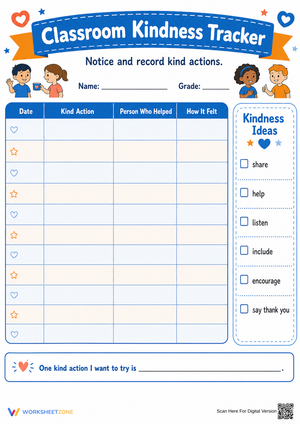
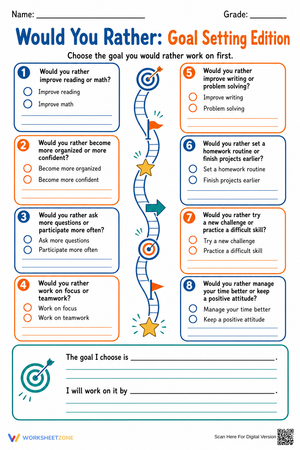
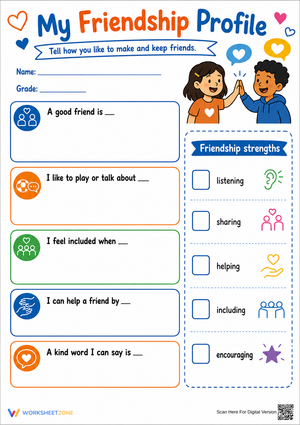
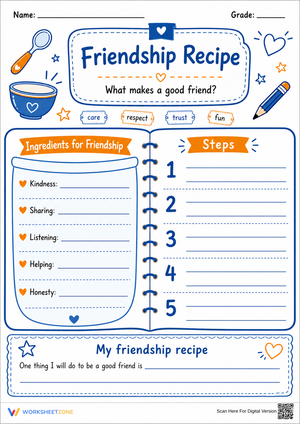
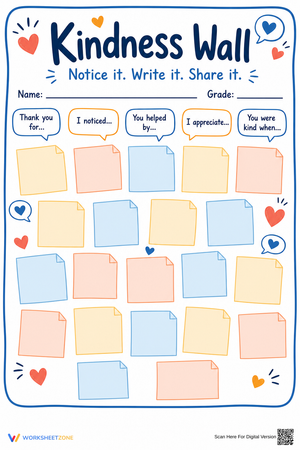
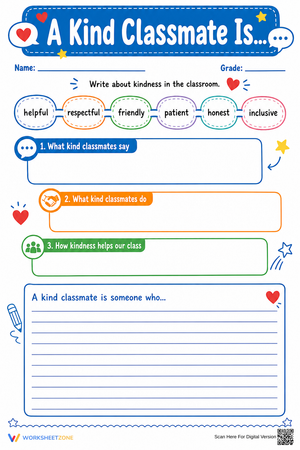
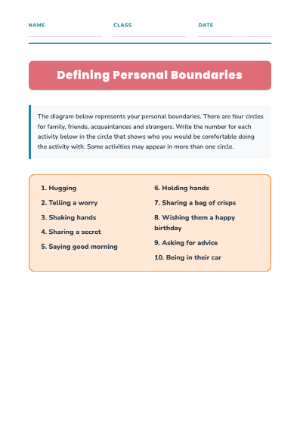
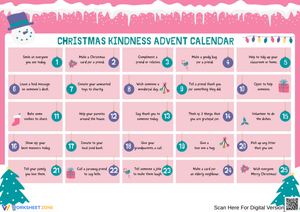
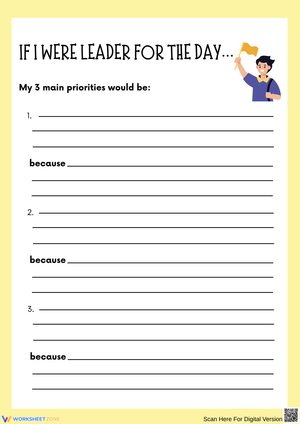
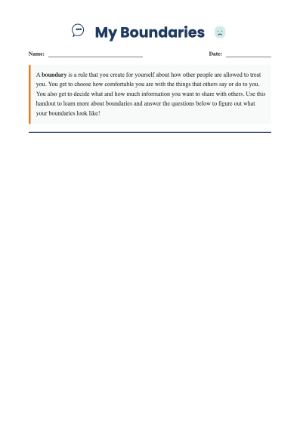
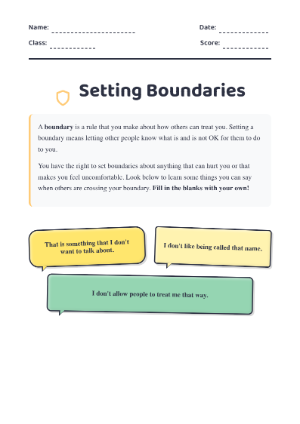
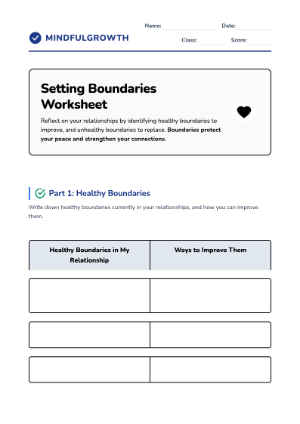
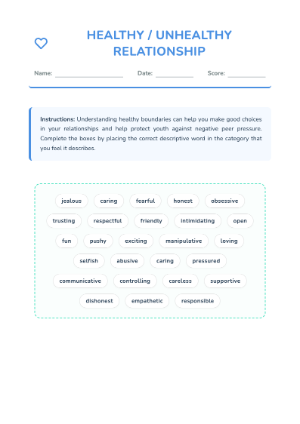
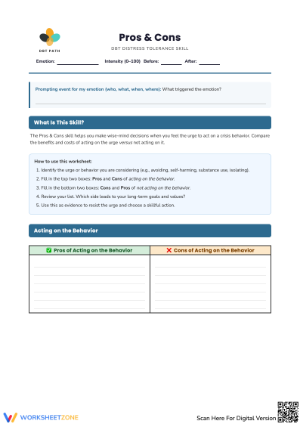
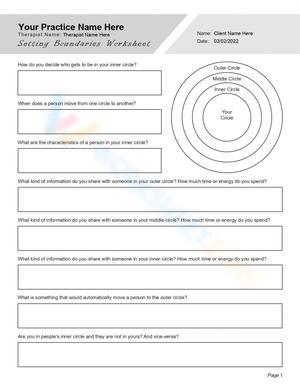
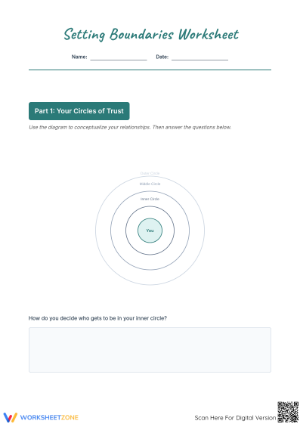
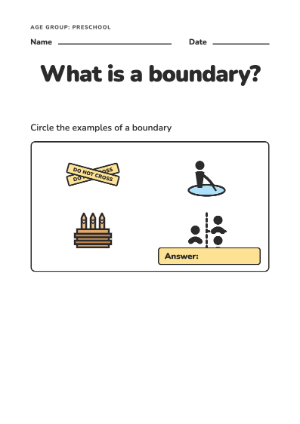
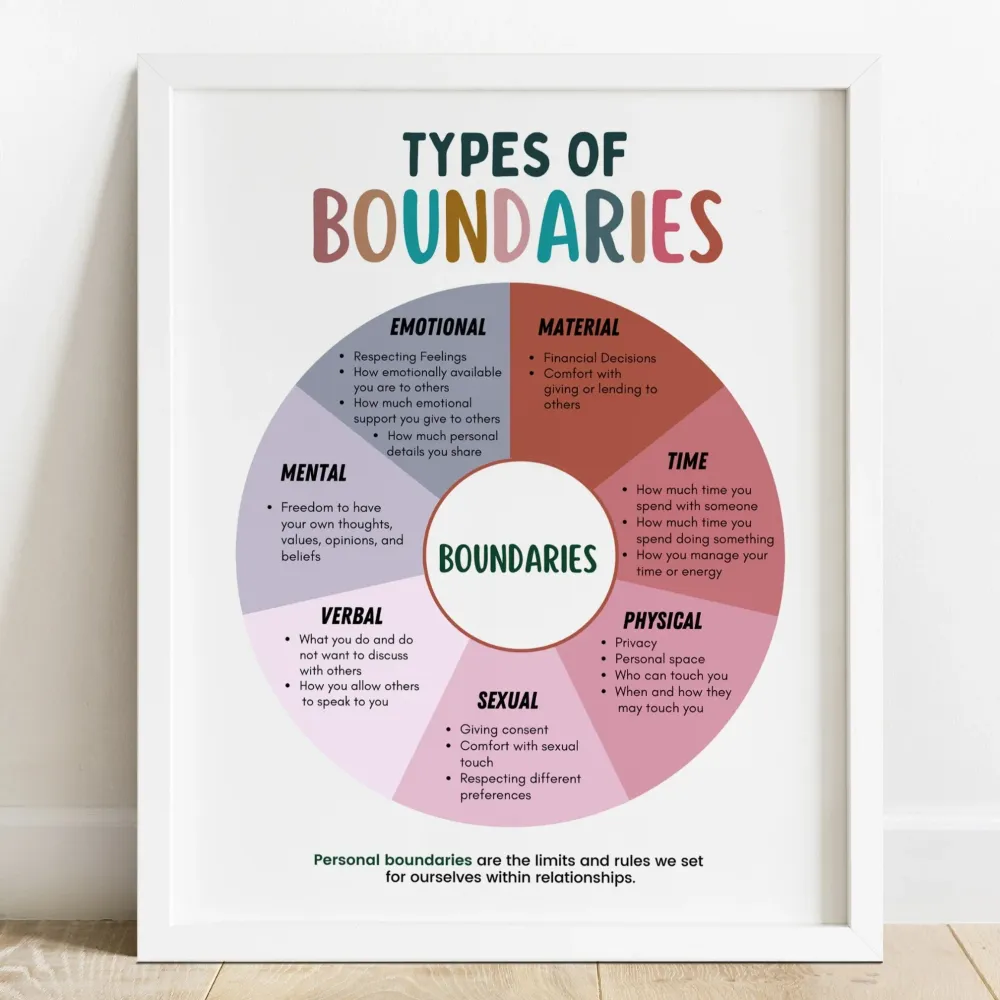
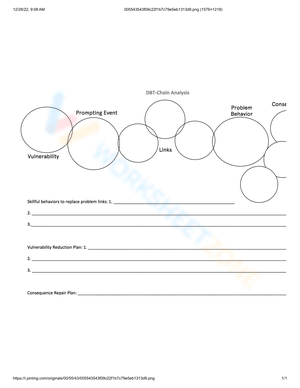
These 4th grade behavior pdf worksheets give teachers a ready-to-use set of activities for the social-emotional conversations that 9- and 10-year-olds are genuinely ready to have. At this age, students can analyze a situation from multiple angles, connect actions to consequences, and begin to self-monitor — which means behavior instruction can move well beyond rule recitation into real reflection work. The resources download as print-ready PDFs, so the time between finding a worksheet and putting it in front of students is minimal.
Concepts Covered Across the Set
The topics across these worksheets track closely with where Grade 4 students are developmentally. Social awareness sharpens considerably at ages 9 and 10, and students start noticing — sometimes painfully — how group dynamics work. The set addresses that reality directly.
- Identifying and labeling emotions: Students match feelings to illustrated scenarios, connecting emotional states to physical sensations and facial expressions rather than just naming them abstractly.
- Expected vs. unexpected behavior: Sorting tasks ask students to distinguish between behaviors that fit a given social context and those that don't — a skill that transfers directly to lunchroom, hallway, and classroom situations.
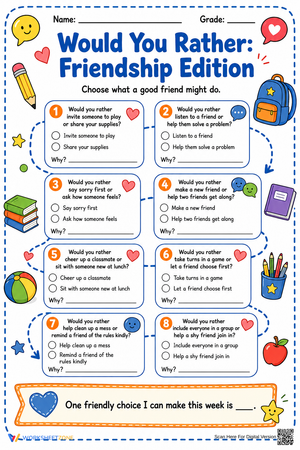
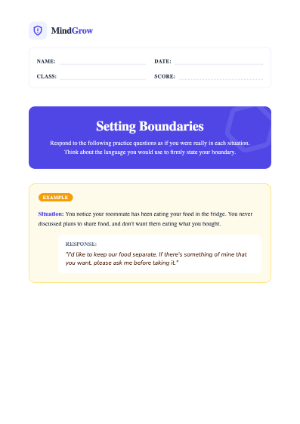
- Conflict resolution: Scenario-based prompts present a realistic disagreement and ask students to write or choose a constructive response, then explain their reasoning in their own words.
- Recognizing bullying: Each worksheet in this strand presents peer situations — including bystander moments — and asks students to identify warning signs and describe what a supportive response looks like.
- Nonverbal cues and body language: Students practice reading posture, facial expressions, and gestures to build the kind of social awareness that helps them navigate group work and changing peer relationships.
- Responsible decision-making: Reflection prompts ask students to weigh options and predict outcomes before seeing how a scenario resolves — a move that builds deliberate thinking rather than reactive response.
These six areas map directly onto CASEL's five core competencies — self-awareness, self-management, social awareness, relationship skills, and responsible decision-making — making the set a natural fit for schools that already run SEL programming as part of their weekly structure.
How to Build These Worksheets Into Your Weekly Routine
Behavior worksheets do their best work woven into predictable routines rather than pulled out only when something goes wrong. The first 10 minutes of morning meeting is one of the most natural slots — a single scenario prompt gives students a concrete anchor for discussion before the academic day starts, and it costs almost no transition time. School counselors running pull-out groups of four to six students get particularly strong results with the scenario-based conflict resolution worksheets, where each student marks their chosen response and then the group compares choices and pushes back on each other's reasoning.
After a classroom incident, a behavior reflection worksheet gives a student a structured way to process what happened without putting them on the spot verbally. The written format creates useful distance from the heat of the moment. And because the format is print-ready, 4th grade behavior pdf worksheets also work well as Friday consolidation tasks — a brief independent activity that asks students to revisit a concept introduced earlier in the week before the weekend interrupts the learning.
Patterns in Student Thinking Worth Anticipating
The most common stumbling point with expected/unexpected behavior worksheets is that students conflate "unexpected" with "bad." A student who whispers a joke to a friend during silent reading knows it breaks the rule, but they often don't understand why that behavior is unexpected in a social-cognitive sense — that it shifts the group's shared attention and signals something about how the student values the shared space. Naming that distinction out loud before students begin the sorting task prevents a high volume of mislabeled responses.
On conflict resolution prompts, students at this age tend to jump to apology as the universal fix. "Sorry" appears in a striking percentage of written responses even when the scenario calls for something more substantive — speaking up for a classmate, asking a clarifying question, or simply walking away. Pointing that out during a class debrief and asking students to find one response that doesn't use the word "sorry" is a quick move that forces meaningfully more careful thinking about what resolution actually requires.
Building a Record of Student Growth
One practical advantage of keeping completed worksheets in a folder across a semester is that patterns become visible. A student who selects the least confrontational answer in every conflict scenario for three months is showing you something worth noting — not necessarily something alarming, but a data point worth raising with a counselor. The written record also gives teachers something concrete to bring to a parent conference instead of reconstructing general impressions from memory. "Here are four reflection worksheets from October through December" anchors that conversation differently than a general report about social behavior, and parents consistently respond better to specific examples than to broad summaries.
Adapting the Set for Different Student Levels
Students who need more support do better when worksheets include illustrations alongside the text — picture-based answer choices reduce the reading demand and keep attention on the social reasoning itself. For students identified with ADHD or impulse-control challenges, shorter worksheets focused on one scenario outperform longer multi-scenario formats; completing the activity with a trusted adult nearby gives that adult a real-time window into the student's thinking. Used in that one-on-one context, 4th grade behavior pdf worksheets function almost like a coaching conversation with a written record attached — which is a different and often more useful tool than a purely corrective conversation.
Students who are ready for more challenge can be directed to open-ended reflection prompts that ask for a full paragraph of reasoning, or asked to write their own scenario for a classmate to work through. Generating the scenario — rather than responding to one — requires the student to hold someone else's perspective and predict how behavior will land, which is a meaningfully harder cognitive task than recognition alone.
Linking School and Home Practice
Because the format is printable PDF, these worksheets travel. Sending a completed worksheet home with a brief note about the skill being practiced gives families a concrete starting point — the dinner-table conversation that actually happens tends to be more specific when there's a real scenario in front of everyone rather than a general question about how the school day went. When parents use the same vocabulary students heard in class — "expected behavior," "responsible decision," "bystander choice" — those concepts reinforce across settings in a way that classroom instruction alone can't replicate.
Frequently Asked Questions
What topics should 4th grade behavior worksheets cover?
At this grade level, the most productive topics are identifying emotions, distinguishing expected from unexpected behaviors, conflict resolution, recognizing bullying, reading body language, and responsible decision-making. These match where students are socially and cognitively at ages 9 and 10, and they connect directly to the CASEL competency framework used in most US SEL programs.
How do these worksheets fit into a PBIS framework?
Teachers using PBIS can align worksheet scenarios to their school's behavior matrix so students are practicing the same language and expectations they see posted in hallways and classrooms. The written format reinforces school-wide expectations in a reflective rather than corrective mode, which is a useful shift. Counselors and classroom teachers running PBIS check-in routines can use the 4th grade behavior pdf worksheets as the written component of a check-in/check-out cycle, pairing the student's written responses with a brief verbal debrief.
How often should Grade 4 teachers use behavior worksheets?
One to two focused activities per week builds skills without cutting deeply into academic time. A single reflection prompt used as a morning warm-up complements a longer scenario-based worksheet later in the week. Consistency matters more than frequency — students benefit most when behavior conversations happen on a predictable schedule rather than only after incidents.
Are these worksheets appropriate for students with behavioral challenges or ADHD?
Yes, with adjustments. Shorter, visually clear worksheets work better than multi-scenario formats for students who struggle with attention or impulse control. Completing the worksheet alongside a teacher or counselor — rather than independently at a desk — turns the activity into a guided conversation rather than just a written task, and gives the adult real-time information about where the student's thinking gets stuck.