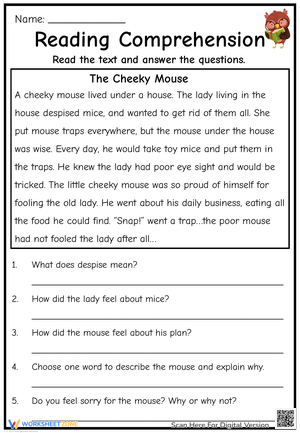
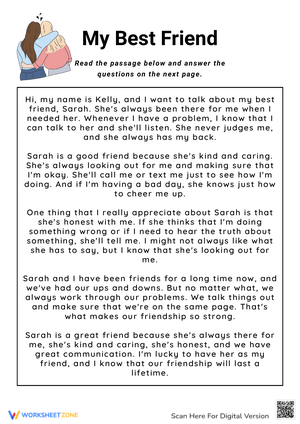
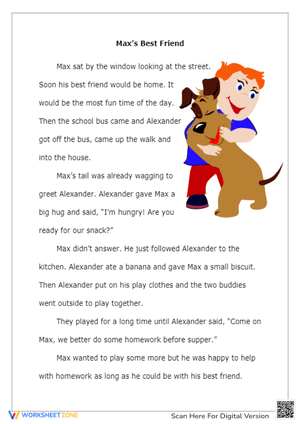
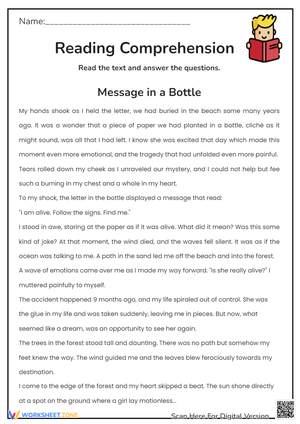
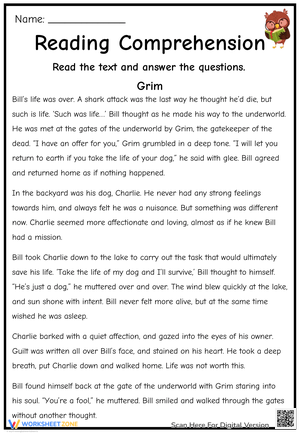
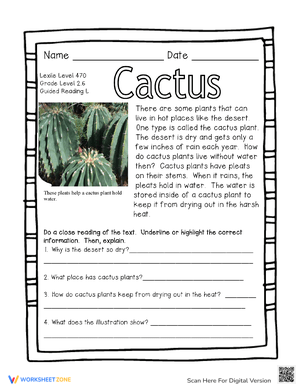
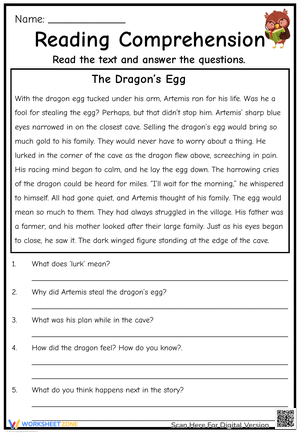
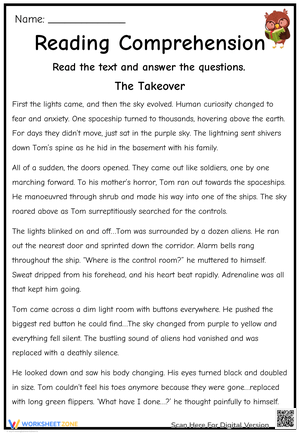
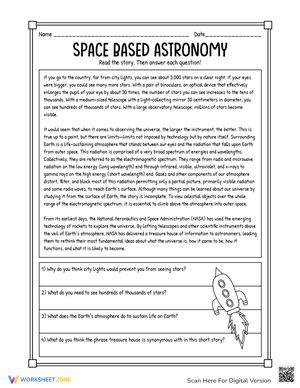
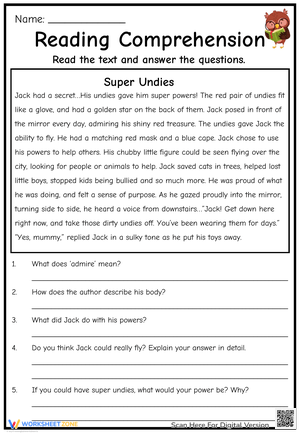
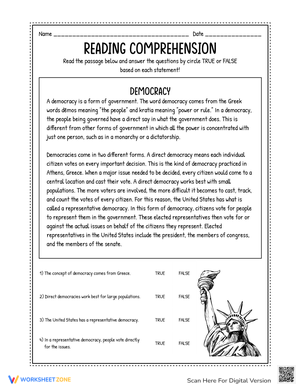
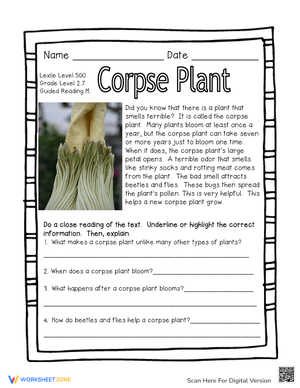
These level m printable worksheets for 3rd grade give teachers a structured set of fiction and nonfiction reading practice materials built around the specific demands of mid-third-grade text. Each worksheet pairs a leveled passage with targeted comprehension tasks — character analysis, cause-and-effect reasoning, vocabulary in context — that match what students encounter in early chapter books. The set covers both narrative and informational text types, so teachers have usable material across the full reading block.
Skills These Worksheets Build
At Level M, the comprehension demands shift in ways that catch students off guard. Illustrations pull back significantly, and readers must construct meaning almost entirely from print. That changes how students need to approach both fiction and nonfiction. The specific skills across this set include:
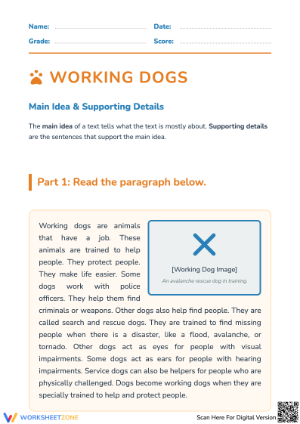
- Identifying the main idea in informational text and distinguishing it from supporting but secondary details
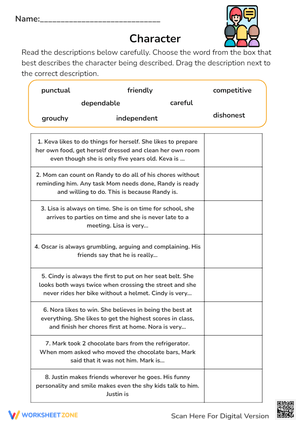
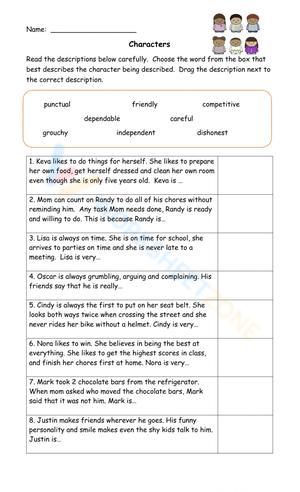
- Analyzing character traits by pulling direct evidence — specific dialogue, actions, and internal reactions — from the passage
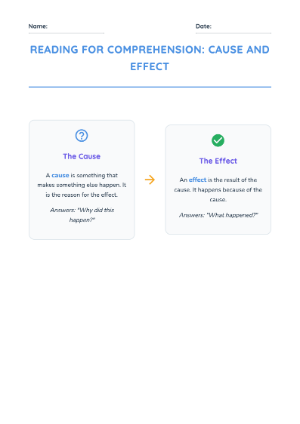
- Tracking cause-and-effect chains, which at this level run across multiple paragraphs rather than appearing in a single sentence
- Making inferences by combining what the text states with what it implies
- Using context clues to work out the meaning of multisyllabic and domain-specific vocabulary
- Comparing and contrasting story elements — plot structure, setting, and character motivation — within and across texts
Where Level M Sits in Third Grade Reading Development
The Fountas & Pinnell framework places Level M at roughly the midpoint of third grade, corresponding to a Lexile range that falls approximately between 500L and 700L. What that means in practical terms: students at this level are expected to sustain attention across longer texts, manage multiple characters whose motivations shift across a story, and read nonfiction that uses specialized vocabulary without a picture on every page to anchor meaning. That last point causes more confusion than many teachers expect. Third graders who decoded well through second grade sometimes struggle here not because they can't read the words but because they've been leaning on illustrations as a comprehension crutch. These worksheets address that directly — passages are text-heavy, and the comprehension tasks require students to return to specific paragraphs and cite what they read, not what they half-remember from a supporting image.
How to Build These Worksheets Into Your Lesson Plans
The most effective use during small group guided reading is pre-teaching two or three vocabulary terms before students read, then assigning the passage for a silent first read. After that, the comprehension questions work better as discussion prompts than as immediate written tasks — students who speak their reasoning aloud before writing consistently produce stronger written responses. Teachers have also found that level m printable worksheets for 3rd grade hold their own as literacy center work while the teacher pulls a small group. The passages are long enough to fill a 15-to-20-minute independent work window without students finishing early and drifting off task.
One routine worth trying: use the character-analysis worksheets as a Monday warm-up after morning meeting. Students complete the worksheet independently, then the group spends five minutes comparing which text details they cited as evidence. That kind of low-stakes comparison surfaces comprehension gaps at the start of the week when there's still time to address them before the Friday reading assessment.
Common Misconceptions to Watch For and Correct
The error that shows up most consistently in Level M informational text work involves main idea identification. Students read a paragraph about, say, how monarch butterflies migrate, and will write "butterflies are orange and black" as the main idea — they've grabbed a vivid detail rather than the paragraph's central claim. What's happening is that they're identifying what was most interesting, not what the paragraph organized itself around. The fix requires explicitly teaching students to ask what every sentence in the paragraph has in common, not which sentence stood out most.
Character motivation errors run a close second. A student will read a scene where a character lies to protect a friend and describe that character simply as "a liar" without registering the protective intent. At Level M, motivations are often embedded in subtext — a character's internal thought, a piece of dialogue that appeared several paragraphs earlier — and students who read linearly without looking back miss the connective tissue. The graphic organizers in this set prompt students to record character thoughts alongside character actions, which pushes them to read more holistically rather than reacting only to the most recent event.
Adjusting the Set for Different Levels of Readiness
For students who are solidly at Level M, the open-ended constructed-response questions give them room to develop multi-sentence textual analysis. These students benefit from being assigned two fiction worksheets in the same week and asked to compare evidence across both — a task that mirrors what standardized assessments ask of students with paired passages.
Students working toward Level M rather than securely at it need more structured entry points. The vocabulary-in-context exercises work well as a pre-reading task for these readers: walk through two or three unfamiliar words using their surrounding sentences before students attempt the passage independently. For students who freeze on inference questions specifically, reading the passage aloud in a small group while pausing to think aloud reduces the cognitive load of running decoding and comprehension simultaneously. These level m printable worksheets for 3rd grade don't require any modification to the text itself — the adjustments happen in how the teacher introduces and processes each worksheet, not in what's on it.
Standard Alignment
These worksheets address CCSS.ELA-LITERACY.RL.3.3 (describing characters in depth, including traits, motivations, and feelings), CCSS.ELA-LITERACY.RL.3.6 (distinguishing point of view), CCSS.ELA-LITERACY.RI.3.2 (determining the main idea and explaining how key details support it), and CCSS.ELA-LITERACY.L.3.4 (using context clues to determine word meaning). In classroom terms, RL.3.3 and RI.3.2 are where most small-group instruction time concentrates during the middle stretch of third grade — they anchor both literature and informational reading units and appear consistently on state ELA assessments. Teachers doing unit planning can use these worksheets as formative checkpoints after introducing each standard rather than waiting for a unit test to discover where students stand.
Frequently Asked Questions
What is Level M in terms of 3rd grade reading benchmarks?
Level M in the Fountas & Pinnell framework corresponds to roughly mid-third-grade reading. Students at this level are generally eight or nine years old, reading texts in a Lexile range that falls approximately between 500L and 700L. In practical terms, they are transitioning from heavily illustrated picture books to early chapter books with minimal visual support, and they are expected to use print — not pictures — as their primary source of meaning.
How do I use these worksheets during guided reading?
Introduce the passage, pre-teach challenging vocabulary, and have students read the text silently. Afterward, use the comprehension questions to drive group discussion, and require students to locate the specific paragraph that supports their answer before speaking. That one expectation — point to the text first — tends to reduce guessing and sharpen the discussion quickly. The written response questions work best after the discussion, not before it.
Can these be sent home for homework, or are they better kept in class?
Both work, depending on the worksheet type. The shorter vocabulary-in-context worksheets travel home well and give parents a clear window into what their child is practicing. The longer inference and character-analysis worksheets produce better results in class, where a teacher can prompt text-based rethinking rather than letting a student guess and move on. The level m printable worksheets for 3rd grade set is flexible enough to split across both contexts depending on what a student needs that week.
What if a student is between levels — partially at Level M but still securing some Level L skills?
That describes most third-grade classrooms. Start with the nonfiction worksheets that have explicit text features — headings, bolded terms, clear topic sentences — because those structural supports help transitional readers access content before they've fully consolidated earlier-level skills. As confidence builds with informational text, move to the fiction passages, which require more tolerance for ambiguity and implied meaning than most Level L texts demand.












 Interactive Worksheet Maker
 Quiz Maker
 Word Search Maker
 Crossword Puzzle Maker
 Word Scramble Generator
 Sentence Scramble Generator
 Handwriting Worksheet Generator
 Name Tracing Generator
 Fill In The Blank Generator