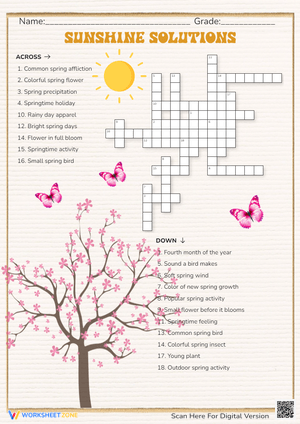
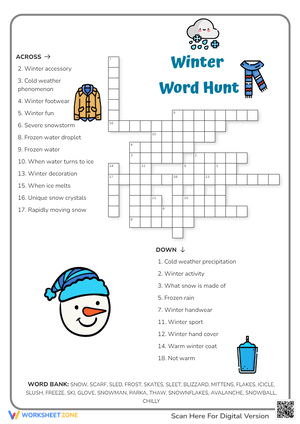
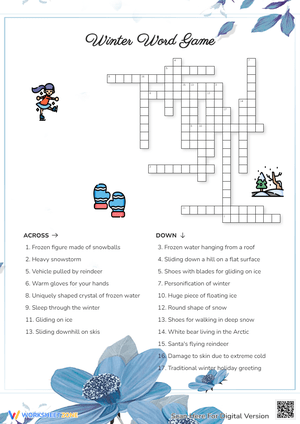
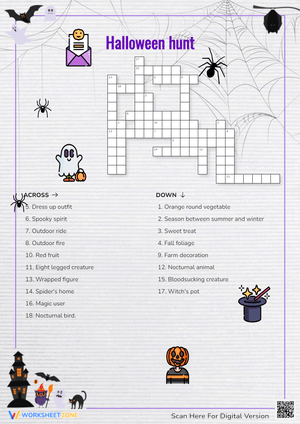
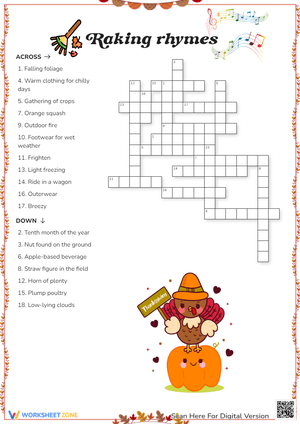
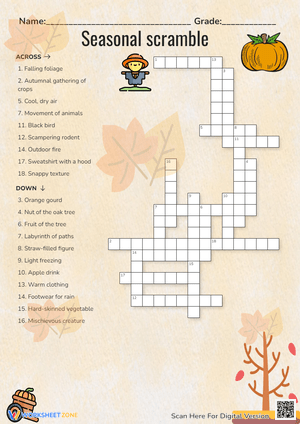
These 2nd grade seasons worksheets resources give teachers a concrete, ready-to-use set of materials for one of the most observation-rich units in early elementary science. Each worksheet targets a specific skill — seasonal sorting, daylight tracking, plant and animal behavior across the year — so teachers can assign them individually or sequence them across a multi-week unit. The set covers all four seasons with enough variation that students aren't just memorizing labels; they're building the habit of noticing patterns in the world outside their classroom window.
The Specific Skills These Worksheets Build
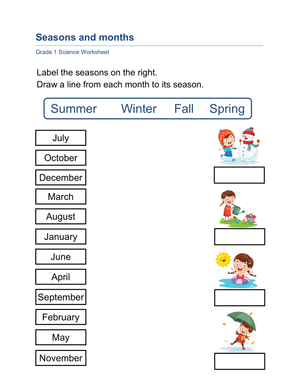
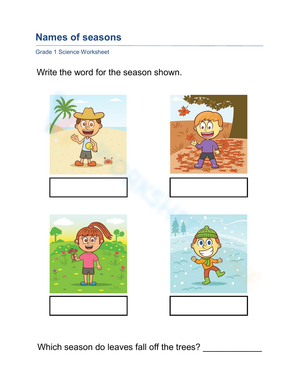
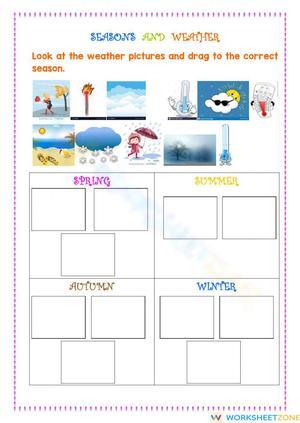
The core work in this set falls into three categories. First, students sort objects, clothing, and activities by season — matching a pair of snow boots to a winter scene or a rain jacket to a spring one. This sounds simple, but it requires students to connect abstract seasonal labels to concrete, lived experience. Second, each worksheet that addresses daylight has students reading simple sunrise and sunset charts, marking which months have more than 12 hours of daylight and which have fewer. Third, the animal and plant behavior activities ask students to sequence deciduous tree images across all four seasons and match animal behaviors — hibernation, migration, year-round activity — to the conditions that drive them.
There's also a weather data collection component: students use printable thermometer images and weather calendars to log daily conditions over a week, then look back at what they recorded. That act of returning to prior observations is one of the most underused habits in early science, and these worksheets build it directly into the task rather than leaving it as a teacher-prompted afterthought.
Misconceptions Students Bring Into This Unit
The biggest conceptual error in a seasons unit isn't misidentifying which season comes after fall. It's the persistent belief that summer is hot because Earth is closer to the sun. That idea feels physically reasonable — something closer to a heat source should be warmer — and it's wrong. Many second graders hold it even after direct instruction because the axial tilt explanation is genuinely harder to visualize. The worksheets that pair a labeled Earth-tilt diagram with the daylight-hours chart give students two reinforcing representations rather than one, which helps the correct model stick better than a single explanation would.
A second recurring error involves confusing daily weather with seasonal pattern. Students who see a sunny, 68-degree day in January will often argue that it "feels like spring." That's a reasonable observation, but it exposes a gap: they're responding to one day's weather rather than the longer pattern. The weather calendar worksheets address this directly — students who track conditions for five consecutive days start to see that one warm day doesn't redefine the season, and that shift in thinking is exactly the kind of pattern recognition NGSS targets at this grade level.
How to Work These Worksheets Into Your Lesson Plans
The weather tracking worksheets work best as a daily opener rather than a one-time activity. Laminate a copy, keep it at the morning meeting area with a dry-erase marker, and have a different student update the temperature and sky conditions each day as the class settles in. Over two weeks, students accumulate real data they've collected themselves — data they can then analyze on the bar graph worksheet later in the unit. That connection between collection and analysis is much more meaningful than handing students a pre-filled graph to read.
For teachers who run science in short blocks — 20 to 25 minutes most days — the sorting and matching worksheets fit cleanly without needing extended introduction time once students have completed one. Walk through the first together as a class. After that, the format repeats with new content, so students can start independently while the teacher circulates or pulls a small group. The cross-curricular connections are worth making explicit: the bar graph students build from their weather calendar becomes a math lesson on reading scales and comparing two-digit numbers. The 2nd grade seasons worksheets set doesn't require separate prep to serve both subjects — the connection is already built into the data students collect.
Standard Alignment
The set aligns to NGSS ESS2.D: Weather and Climate, which at the second-grade level asks students to use information from several sources to explain that the same kind of weather occurs at the same time each year in some places, and to make predictions from patterns in weather data. That standard places the focus squarely on pattern recognition — not on memorizing seasonal names — which is why worksheets that have students collect, graph, and interpret their own weather data are a stronger instructional fit than those that simply ask students to label pictures of snow or sunshine.
Teachers in states following Common Core ELA standards will also find that the short written-response prompts on several worksheets address W.2.2, which calls for students to write informative and explanatory text to supply facts about a topic. Having students write two sentences explaining why a bear hibernates — drawing on what they've read and observed — gives that standard a genuine science context rather than an isolated writing exercise.
Adjusting the Set for a Range of Learners
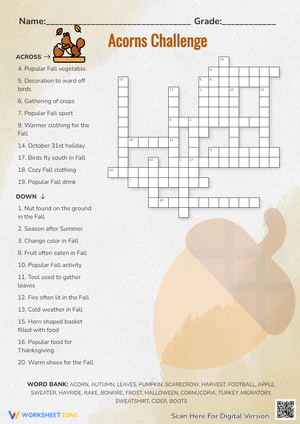
For students who need more support, the sorting worksheets function well with a word bank added to the bottom of each worksheet. Students who struggle to retrieve vocabulary independently can still complete the categorization task correctly, which keeps the focus on science reasoning rather than term recall. A small practical tweak: print the word bank on a separate strip students can slide around the worksheet as they work. It reduces visual clutter and cognitive load without altering the content or the thinking the task requires.
Students who move through the core worksheets quickly benefit most from the data collection tasks used as open-ended extensions — rather than tracking one week of weather, they track a full month and write a claim about what they noticed, supported by two pieces of evidence from their chart. This structure mirrors the scientific argumentation that becomes more formal in grades 4 and 5, giving advanced second graders early exposure to the evidence-based reasoning format before it's formally assessed. The 2nd grade seasons worksheets set accommodates this kind of extension naturally because the data collection worksheets don't have a built-in stopping point — students can keep recording as long as the unit runs.
Frequently Asked Questions
Why does the axial tilt explanation confuse second graders even after direct instruction?
Because the intuitive model — closer means warmer — is physically reasonable based on everyday experience with heat sources. The tilt explanation requires overriding that intuition with something students can't directly feel. Two representations help more than repeated verbal explanation: a hands-on demonstration with a globe and flashlight, paired with the daylight-hours chart on the worksheet, lets students see both the physical angle and its measurable consequence side by side. Revisiting the concept across several lessons rather than covering it once is what moves the correct model from heard to genuinely held.
How should I handle this unit with students in climates without four distinct seasons?
Use the local climate as the data, not as an obstacle. Students in South Florida or coastal Southern California can still track daily temperatures and observe that variation is minimal — that's a legitimate seasonal pattern and worth studying. The 2nd grade seasons worksheets materials include weather tracking formats that work with any regional data. The comparison then becomes the lesson: why does Chicago have snow in February while Miami stays in the 70s? Students who wrestle with that question are doing exactly the kind of cross-regional climate thinking the ESS2.D standard targets.
Can the animal behavior worksheets be used before students have formally studied seasonal causes?
Yes — and starting there often creates a stronger inquiry arc. Students arrive with real prior knowledge about bears sleeping through winter or geese flying south in fall. Beginning with what they already know and then asking "what conditions are these animals responding to, and what causes those conditions?" builds toward the astronomy explanation rather than opening with it. The animal behavior worksheets function well as a unit anchor that the rest of the instruction returns to, rather than as a closing review activity.












 Interactive Worksheet Maker
 Quiz Maker
 Word Search Maker
 Crossword Puzzle Maker
 Word Scramble Generator
 Sentence Scramble Generator
 Handwriting Worksheet Generator
 Name Tracing Generator
 Fill In The Blank Generator