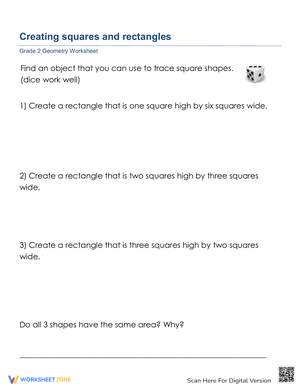
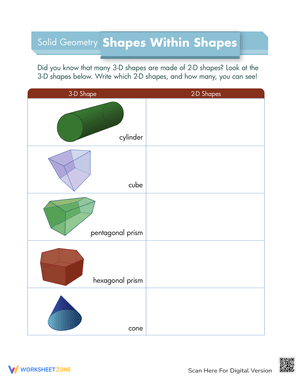
Composing shapes is not a stand-alone novelty activity in a second grade classroom. It is the practical, hands-on step that makes everything else in your geometry unit click, from naming polygons by their attributes to splitting a rectangle into equal shares.
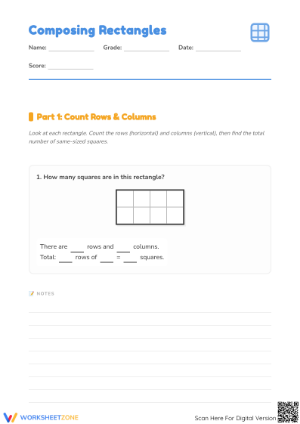
Second grade geometry asks students to reason about shapes in three connected ways: recognizing and drawing shapes based on attributes, partitioning rectangles into rows and columns of same-size squares, and partitioning circles and rectangles into halves, thirds, and fourths. Composing shapes worksheets give students the concrete practice they need before any of that abstract reasoning is asked of them on paper.
Connecting Composing Shapes to Attribute Recognition In Grade 2
CCSS.MATH.CONTENT.2.G.A.1 asks second graders to recognize and draw shapes based on specified attributes, such as a given number of angles or a given number of equal faces, and to identify triangles, quadrilaterals, pentagons, hexagons, and cubes. Composing shapes worksheets are one of the most direct ways to build toward this standard, because students cannot name a composite shape correctly unless they can first count its sides and angles.
Classrooms that sequence composing-shapes review before formal attribute lessons tend to see fewer naming errors once students reach the 2.G.A.1 assessment items, since three separate standards in the 2.G.A cluster all depend on the same underlying spatial reasoning: attribute recognition, row-and-column partitioning, and equal-share partitioning. Building composing practice in first closes that gap before it shows up on a quiz.
Classroom Implementation
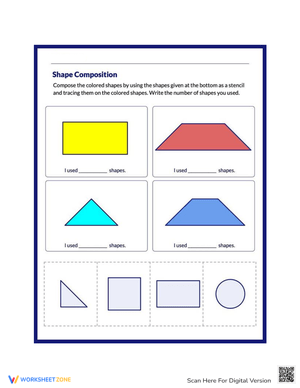
Pattern block stations are one of the most effective ways to bring composing shapes worksheets to life. Give students a set of pattern blocks alongside a worksheet that shows an outline to fill, then have them record which shapes they used and how many. This builds a direct bridge between hands-on manipulation and the paper-based reasoning required on assessments.
- Start each geometry rotation with a short composing warm-up before moving into the day's main lesson.
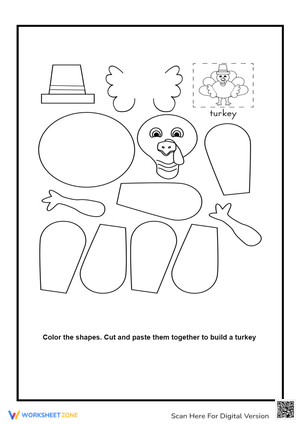
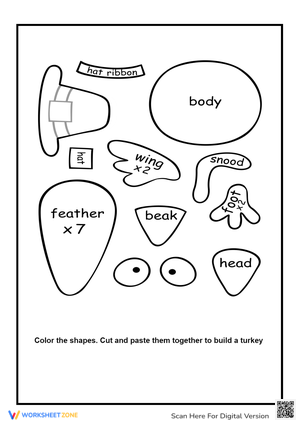
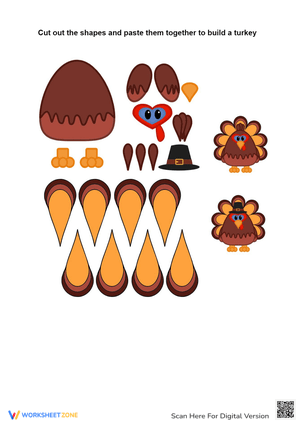
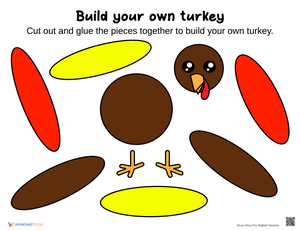
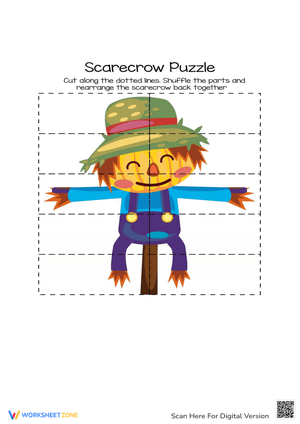
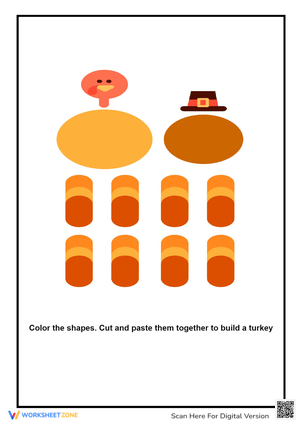
- Pair composing worksheets with cut-and-paste shape puzzles for students who need extra tactile practice.
- Use exit tickets that ask students to name the new shape they built and list its number of sides and angles.
- Rotate composing tasks into center time so students revisit the skill throughout the geometry unit, not just at the start.
Frequently Asked Questions
1. What second grade standard does composing shapes practice support?
Composing shapes practice most directly supports CCSS.MATH.CONTENT.2.G.A.1, which asks students to recognize and draw shapes based on attributes such as the number of angles or equal faces, including triangles, quadrilaterals, pentagons, hexagons, and cubes.
2. How does composing shapes connect to partitioning standards like 2.G.A.2 and 2.G.A.3?
Students who understand how shapes combine into a whole have an easier time later splitting a whole into equal parts, which is exactly what CCSS.MATH.CONTENT.2.G.A.2 and CCSS.MATH.CONTENT.2.G.A.3 require when partitioning rectangles into rows and columns or into halves, thirds, and fourths.
3. What manipulatives work best for teaching shape composition?
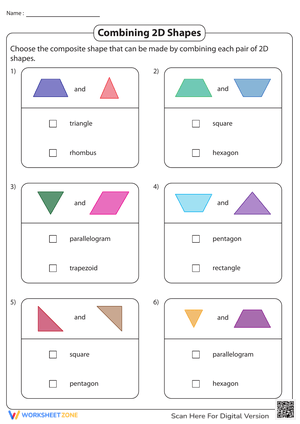
Pattern blocks are the most common and effective tool, since students can physically test how triangles, squares, and rhombi combine to form larger shapes before recording their work on a worksheet.
4. How can teachers use these worksheets for formative assessment or intervention groups?
A short composing task works well as a quick diagnostic: students who cannot correctly name or describe the composite shape they built are strong candidates for a small-group review session before the class moves into attribute or partitioning lessons.
5. What is the difference between composing and decomposing shapes?
Composing shapes means combining smaller shapes to build a new, larger shape, while decomposing means breaking a larger shape into smaller pieces; second grade geometry uses both skills, with composing typically coming first as the foundation for later partitioning work.













 Interactive Worksheet Maker
 Quiz Maker
 Word Search Maker
 Crossword Puzzle Maker
 Word Scramble Generator
 Sentence Scramble Generator
 Handwriting Worksheet Generator
 Name Tracing Generator
 Fill In The Blank Generator