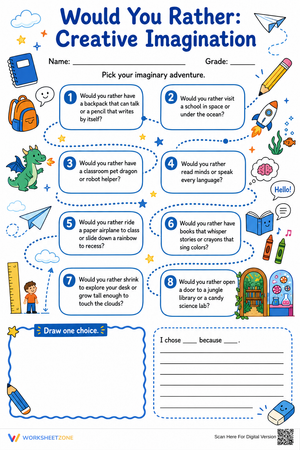
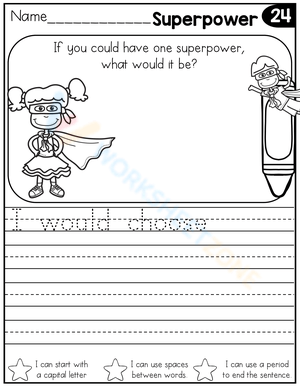
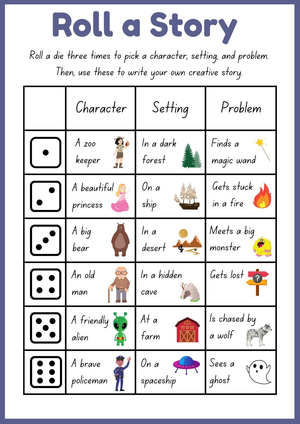
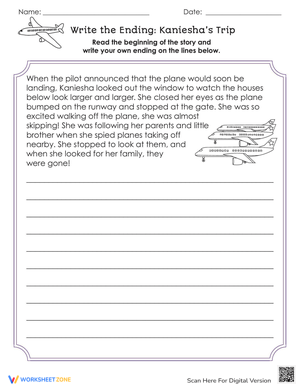
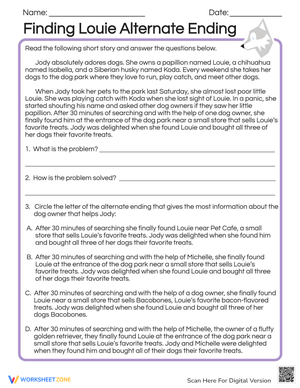
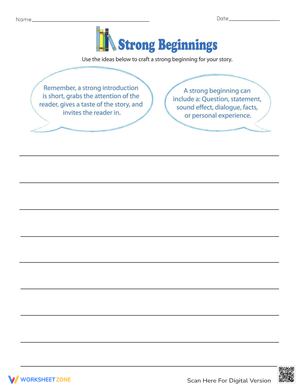
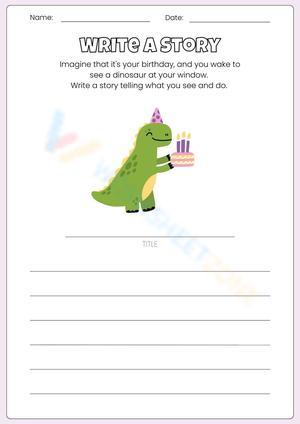
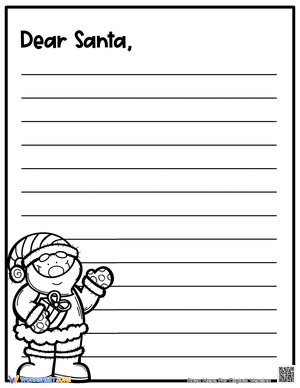
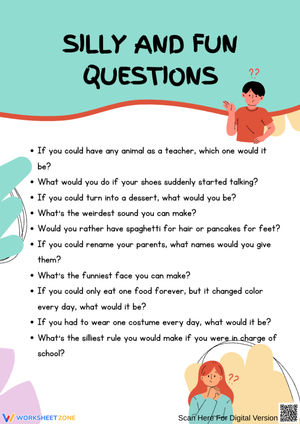
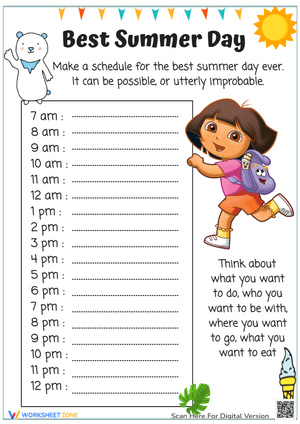
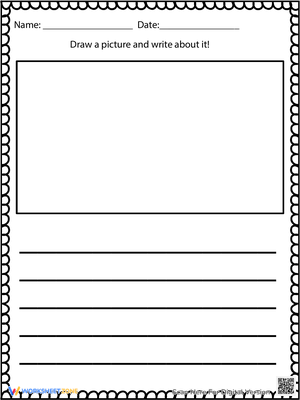
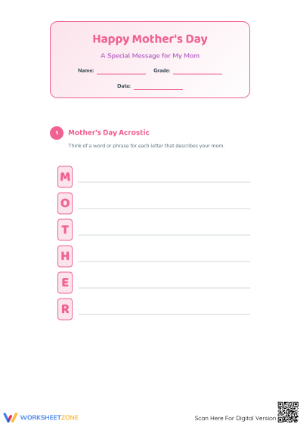
These 2nd grade creative writing worksheets resources give teachers a targeted set of tools for the hardest part of second-grade writing instruction: moving students from a string of loosely connected events to a story with a genuine arc — a setup, a problem worth solving, and an ending that actually closes the loop. The set includes picture prompts, story map organizers, sensory detail brainstorms, word banks, and genre-specific writing frames. Each worksheet targets a distinct phase of the narrative process, so teachers can assign them in sequence across a writing unit or pull out individual worksheets to reinforce where students are struggling.
What Each Worksheet Targets
These worksheets cover the full span of second-grade narrative work, from generating ideas to reading back a draft. The set includes five distinct resource types:
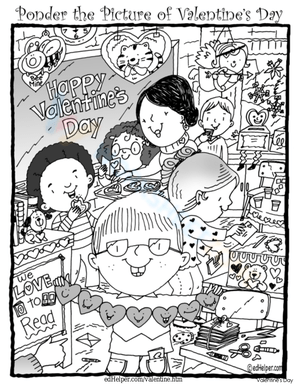
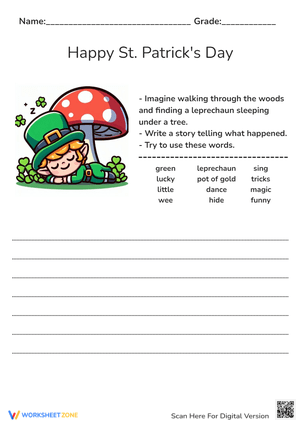
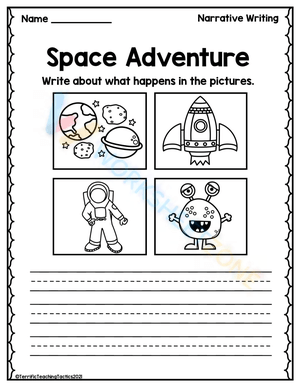
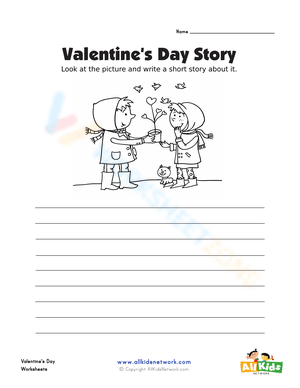
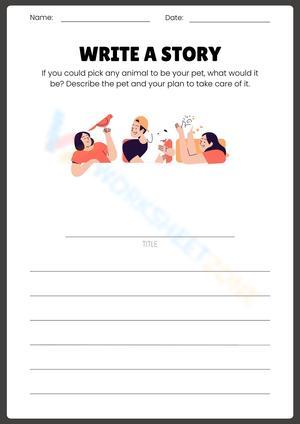
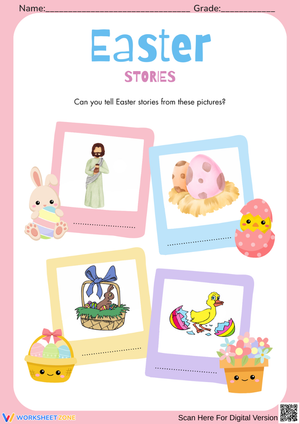
- Picture-prompt worksheets show students a single illustration — a figure at a fork in a forest path, a child holding a mysterious box — and ask them to annotate the image with character and setting details before writing. The annotation step prevents students from starting to write before they've actually thought through the scene.
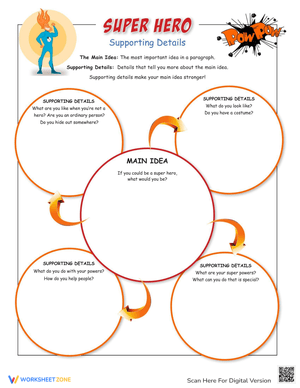
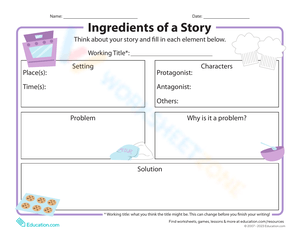
- Story map worksheets walk students through character, setting, problem, and solution as four separate boxes. Gaps in logic — a character with no problem, an ending that ignores the setup — become visible before any drafting begins.
- Sensory detail organizers prompt students to sort ideas by all five senses rather than defaulting to visual description alone. Most second graders fill the sight row and leave the rest empty; this format makes that omission plain.
- Genre-specific frames for fairy tales and adventure stories include opening lines and key vocabulary ("enchanted," "daring quest," "beyond the hills") so students meet the conventions of each form before writing in it.
- A self-editing checklist asks students to mark each sentence individually for a capital letter, an end mark, and at least one descriptive word — turning proofreading into a deliberate reading-back habit rather than a quick visual scan.
Common Writing Errors to Anticipate and Correct
The most consistent error in second-grade narratives is the "and then" chain. Students understand that a story moves forward in time, but they string every event together with "and then" until the piece reads more like a schedule than a story. A student writes, "We went to the park and then we played on the swings and then we got ice cream and then we went home" — technically sequential, but without a problem, a change, or any reason for the story to exist. The story map worksheet makes this visible quickly: when the character and setting boxes are filled but the problem box stays empty, the student sees the gap before committing to a full draft.
A second pattern is the collapsed ending — a full paragraph of setup followed by "The End" after a single sentence. Seven-year-olds often treat the ending as the stopping point rather than a resolution. The genre frames address this directly by modeling how the final section refers back to the problem introduced in the middle. The third consistent issue: students describe only what they see. Look at a completed sensory organizer and you will almost always find four empty rows under sound, smell, touch, and taste with one dense row under sight. Asking a student to name one sound in the scene before writing often surfaces details that purely visual thinking never produces.
Putting These Worksheets to Work in Your Writing Block
The picture prompts in this 2nd grade creative writing worksheets set work well at the start of Monday's writing block. Put the image on the projector while students have their worksheets in front of them, spend three minutes generating vocabulary as a class, then give eight to ten minutes for students to annotate and begin drafting. That sequence produces usable first lines without the paralysis that comes from a blank prompt after a weekend away from school.
Story map worksheets belong before a longer drafting session, not as standalone warm-ups. Students who skip the map and go straight to drafting are almost always the ones whose stories fall apart after the second paragraph — they've run out of plan. Teaching students to treat the map as navigation, not as the assignment itself, is where the real instructional work happens. Save the self-editing checklist for a revision pass the following day. Coming back to a piece after some distance gives students enough separation to read what they actually wrote rather than what they remember writing, and marking each sentence individually slows them down enough to catch missing end marks that a quick scan misses entirely.
Standard Alignment
These worksheets address CCSS W.2.3, which asks second graders to write narratives that recount a well-elaborated event, include details about actions, thoughts, and feelings, use temporal words to show event order, and provide a sense of closure. The "sense of closure" language in that standard is where 2nd grade creative writing worksheets instruction does its most concrete work — the phrase stays abstract until students see the problem-solution structure mapped visually and understand that an ending must connect back to what happened in the middle. The sensory organizers and picture prompts target the "details about actions, thoughts, and feelings" requirement directly, which is the component where second-grade narratives most often come up short on formal writing assessments.
Adapting the Set for a Mixed-Ability Writing Class
For students still building confidence, pair the picture prompts with a word bank drawn from the whole-class brainstorm. Students who freeze at a blank writing line rarely lack ideas — they lack accessible words. Writing the vocabulary somewhere visible removes that barrier without changing the rigor of the task.
Students working above grade level benefit from setting aside the story map boxes and replacing them with a single open planning prompt: identify three scenes and name what changes between each one. This pushes toward internal causality — because of what happened in scene two, scene three has to look different — which is the thinking that separates a narrative from a list of events. For students receiving additional writing support, splitting the story map across two separate sessions produces stronger results than completing all four boxes at once. Tackling character and setting first, then returning the next day to identify the problem and plan the solution, reduces the number of simultaneous decisions and leads to more developed responses in each box rather than rushed, thin responses across all four.
Frequently Asked Questions
How do I help a student who fills in the story map but then ignores it while drafting?
This is one of the most common breakdowns in second-grade writing instruction. Before students begin drafting, have them number the events on their map in the order they plan to write them, then physically point to the box they will start with. Some teachers keep the map taped to the student's desk during the drafting session. The goal is teaching students to treat the map as something they consult while writing — not a planning assignment that gets set aside once they pick up a pencil.
Can students who prefer drawing still use these worksheets effectively?
The picture-prompt worksheets work well for those students. Teach them to annotate the image with labels and short phrases before writing — the annotation acts as the brainstorm. Many students who resist a blank writing line will write more once they've labeled six or seven details in the picture, because the labeling itself generates sentence material. Treating the drawing as a planning step rather than a substitute for writing repositions it into something productive.
How do I use these worksheets to inform my instruction rather than just assign practice?
The 2nd grade creative writing worksheets in this collection work well as formative checkpoints when you compare the story map to the finished draft side by side. Gaps between the two — a problem named in the map that disappears in the writing, a setting described in the map that never surfaces in the narrative — reveal exactly where students break down in execution rather than just planning. That comparison gives more targeted information than a holistic rubric score, and it points directly to what needs more instructional time the following week.












 Interactive Worksheet Maker
 Quiz Maker
 Word Search Maker
 Crossword Puzzle Maker
 Word Scramble Generator
 Sentence Scramble Generator
 Handwriting Worksheet Generator
 Name Tracing Generator
 Fill In The Blank Generator