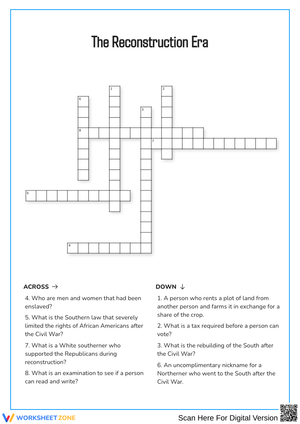
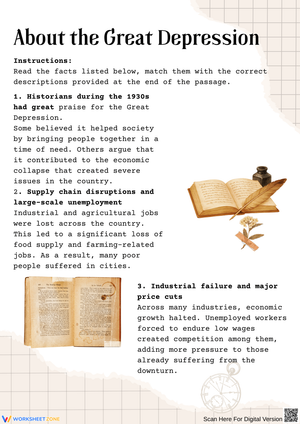
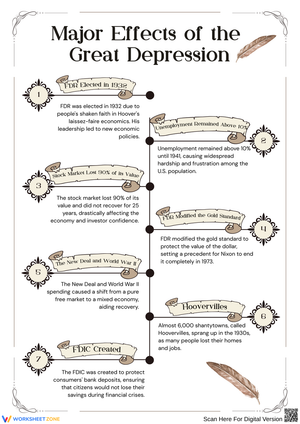
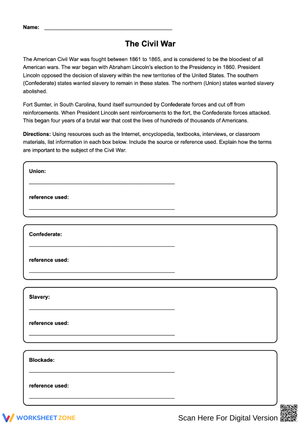
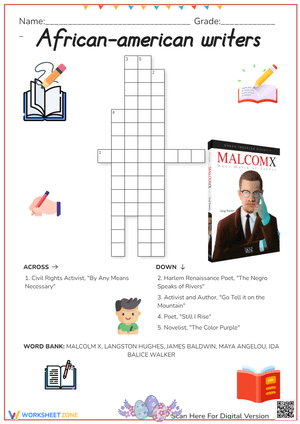
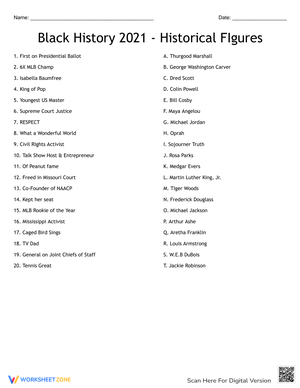
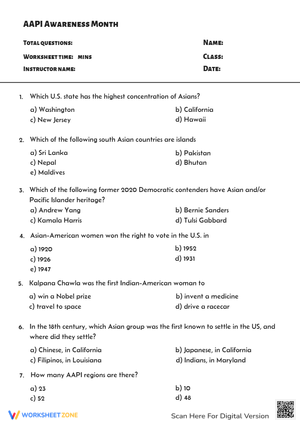
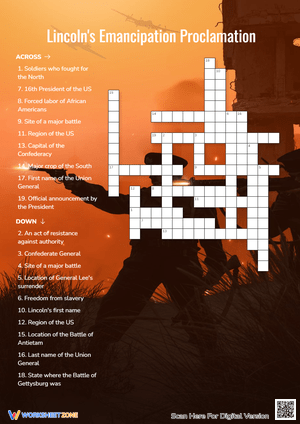
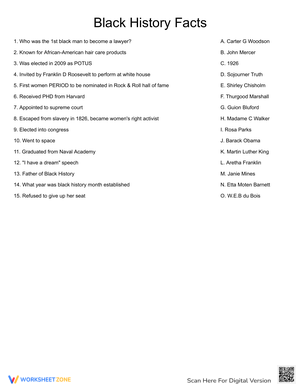
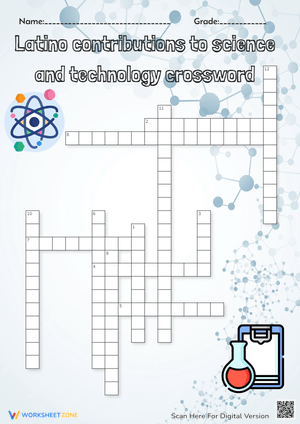
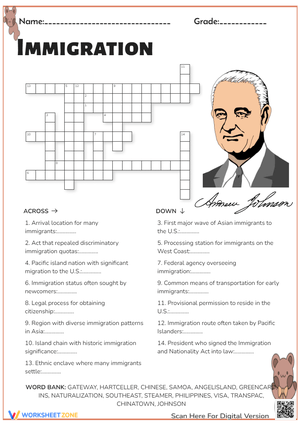
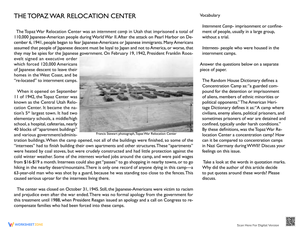
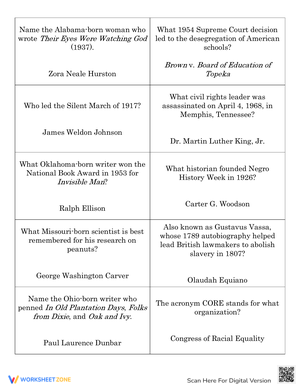
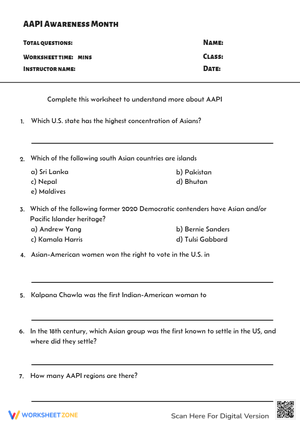
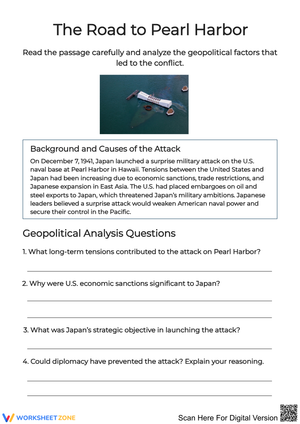
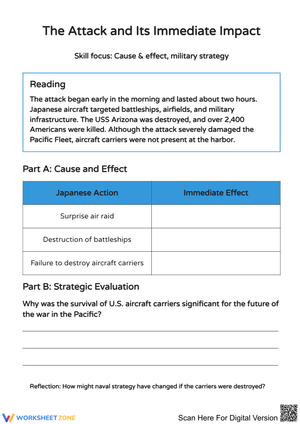
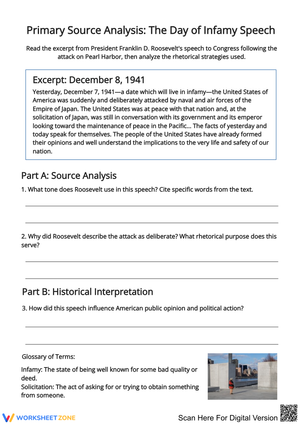
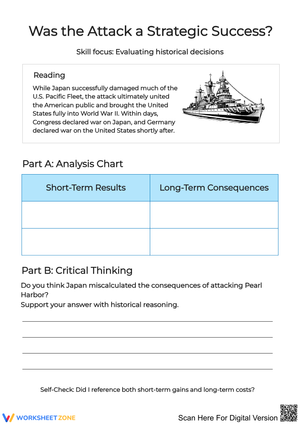
These 10th grade us history worksheets downloads give teachers structured, printable materials for one of the most content-heavy years in secondary social studies — spanning from the Gilded Age through the Cold War and Civil Rights Movement. The set includes primary source analysis worksheets, DBQ preparation exercises, chronological unit activities, biographical profiles, map-based worksheets, and comparative graphic organizers. Answer keys accompany each resource.
The Content Span and What Each Worksheet Targets
Grade 10 US history is demanding because of its sheer chronological range. Most curricula move from rapid industrialization in the 1880s through the geopolitical reorganization of the post-WWII era, with many pacing guides extending into the 1970s. Students need to hold together the causes of WWI, the economic mechanics of the New Deal, the logic of Cold War containment policy, and the legal and grassroots dimensions of the Civil Rights Movement — often within the same semester.
Each worksheet in this 10th grade us history worksheets set targets a specific era or analytical skill within that span. A Gilded Age worksheet asks students to analyze a Thomas Nast political cartoon and connect it to Progressive Era reform demands; a Cold War worksheet walks students through NSC-68 alongside Truman's public statements on containment. That specificity prevents the "everything blurs together" problem students hit when reviewing for finals without organized, era-specific notes.
Building DBQ Readiness Across the Year
Document-Based Questions appear on state assessments and, in more demanding form, on the AP exam. Students encountering the format for the first time immediately try to summarize the documents rather than use them as evidence for an argument. The primary source analysis worksheets build DBQ readiness by requiring students to answer sourcing questions — who wrote this, under what circumstances, for what audience — before they write a single sentence of argument. That sequence matters. Students who skip sourcing almost always produce arguments that could have been written without consulting the documents at all.
Building the habit of citing specific textual evidence and then explaining how that evidence connects to a thesis takes months of practice. DBQ preparation worksheets walk students through reading political cartoons, interpreting census data from the Great Migration era, and pulling relevant evidence from government documents. Regular practice across multiple units builds the stamina the full essay format demands.
Common Misconceptions to Watch For and Correct
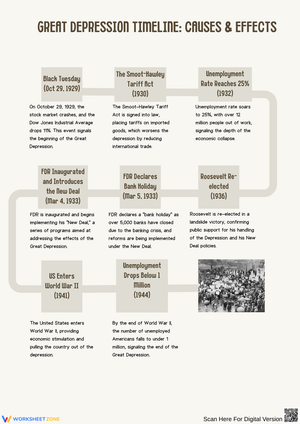
A consistent pattern in 10th grade work: students who understand the broad arc of WWII will still write that the Great Depression "caused" American involvement in the war, confusing economic context with political trigger. That cause-and-effect slippage shows up in essay work and short-answer responses alike. Timeline worksheets help, but the error persists until students can articulate the difference between contributing conditions and precipitating events — a distinction worth naming explicitly in class, not just marking wrong on a returned paper.
On primary source worksheets, the most common problem is surface-level reading. A student asked to analyze a WWII propaganda poster will write "it shows a soldier and a flag" without identifying the rhetorical technique or the intended audience. The worksheets push past description with targeted questions — asking what emotion the image produces and in whom — but teachers should plan to model the difference between observation and analysis at least twice before students carry it into independent work.
A smaller but persistent confusion: students regularly attribute New Deal programs to Truman and Fair Deal legislation to Roosevelt. A brief biographical profile worksheet used early in the relevant unit anchors those distinctions before they compound in essay writing.
How to Build These Worksheets Into Your Lesson Plans
The map-based worksheets in this 10th grade us history worksheets set work well as five-minute openers. Having students trace WWI alliance lines or mark the geographic spread of Soviet influence before a lecture activates prior knowledge without requiring any setup time. Shorter primary source worksheets function well as exit tickets: students spend the last eight minutes of class annotating a document and answering two focused questions, giving a quick read on comprehension before the next lesson.
For longer DBQ preparation worksheets, gradual release produces better results than sending students to work independently right away. Model the sourcing and contextualization steps as a class on the first document, have students work through the remaining documents in pairs, then shift to independent writing. Students who attempt the full worksheet alone on a first try typically stall at the thesis step and produce vague, unanchored arguments. Building in the collaborative layer first makes the independent writing more grounded.
The jigsaw method handles the cognitive load problem well with dense primary source worksheets when class time is short. Divide the documents across small groups, have each group annotate and teach their section to peers, then bring the whole class back to construct the argument together. This preserves analytical rigor without overwhelming students who struggle with unfamiliar historical language.
Standard Alignment
These worksheets align with the C3 Framework's Dimension 2 standards — specifically D2.His.1 through D2.His.5 — which address chronological reasoning, causation, historical perspective-taking, and source evaluation for credibility and point of view. D2.His.5, which asks students to explain how and why perspectives have changed over time, is directly addressed by the biographical profile worksheets and primary source analysis activities that require students to consider authorial intent and historical context. For courses using CCSS ELA/Literacy in History and Social Studies standards, the DBQ preparation worksheets align with RH.9-10.6 (assessing point of view and purpose) and RH.9-10.8 (evaluating the strength of an argument and identifying supporting evidence).
Adjusting the Worksheets for a Range of Learners
For students who need additional support, the guided-question format on each worksheet provides enough structure to move through analysis without getting lost. Teachers can also pre-highlight key passages in the source text before printing, directing student attention to the most relevant sections rather than expecting them to scan the full document. The open-ended extension questions on each worksheet serve the opposite purpose: they ask students to connect a source to a broader historical pattern or to a second document, which works well as enrichment for students who move through the main task quickly.
Teachers using the 10th grade us history worksheets set across different course tracks find the chronological unit worksheets most useful at the standard level, where guided notes and vocabulary exercises carry more of the content work. Honors and pre-AP sections typically move through those faster and spend more time on the DBQ preparation and comparative analysis worksheets, which demand more sustained independent writing.
Frequently Asked Questions
What time periods do these worksheets cover?
The materials run from the Gilded Age and Progressive Era through the Cold War and Civil Rights Movement, with some worksheets extending into the 1970s depending on curriculum pacing. Major covered units include:
- The Gilded Age, industrialization, and the Progressive response
- World War I and home-front policy
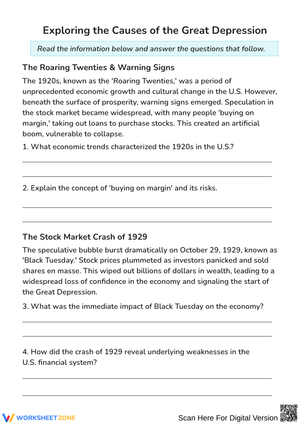
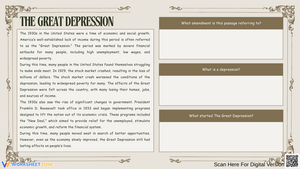
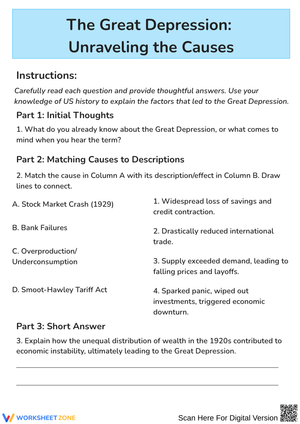
- The Great Depression and New Deal programs
- World War II and its domestic dimensions
- Cold War foreign and domestic policy, including containment and McCarthyism
- The Civil Rights Movement and related social movements of the mid-twentieth century
Do the worksheets include answer keys?
Yes. Each worksheet comes with a detailed answer key. For analytical questions and DBQ exercises, the keys provide model responses with explanatory notes rather than a single correct answer, so teachers can use them to calibrate expectations and shape feedback on student writing.
How do these worksheets build DBQ readiness specifically?
The primary source analysis worksheets develop the component skills the DBQ format requires: sourcing a document, identifying the author's point of view, placing the source in historical context, and connecting evidence to a written argument. Those skills receive targeted practice across multiple worksheets throughout the year rather than in one isolated unit, giving students enough repetition to make the analytical process more automatic before they encounter it on a high-stakes assessment.












 Interactive Worksheet Maker
 Quiz Maker
 Word Search Maker
 Crossword Puzzle Maker
 Word Scramble Generator
 Sentence Scramble Generator
 Handwriting Worksheet Generator
 Name Tracing Generator
 Fill In The Blank Generator




 BACK TOSCHOOL