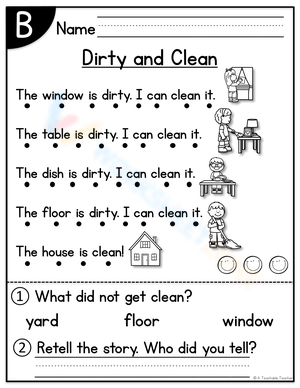
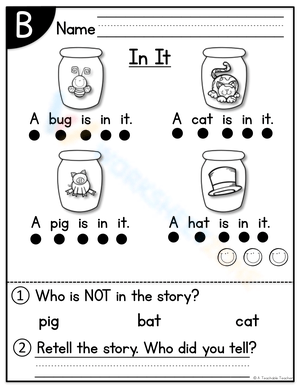
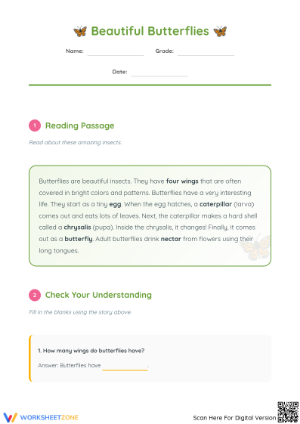
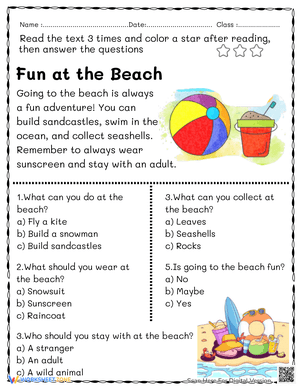
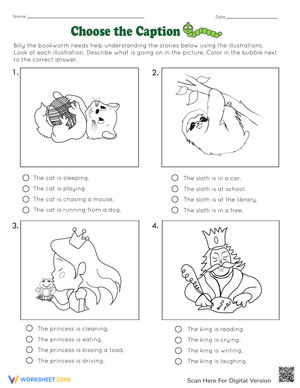
Why 1st grade reading multiple choice PDF worksheets fit real classroom routines
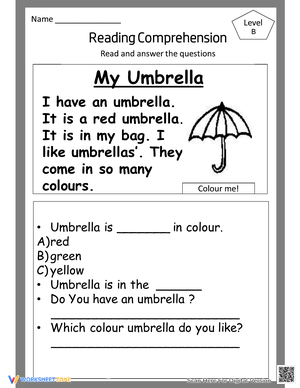
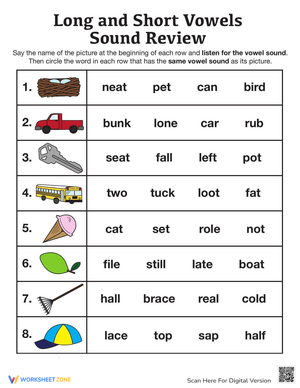
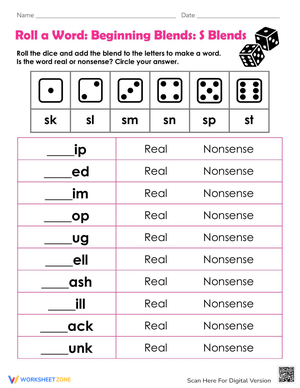
When teachers search for 1st grade reading multiple choice pdf worksheets, they usually need something practical: a print-ready page that can move straight into morning work, centers, sub plans, homework, or a fast check at the end of a mini-lesson. In first grade, that practical detail matters because students are still building stamina. A worksheet works best when the passage is short, the vocabulary is familiar, and the answer choices are simple enough for emerging readers to process without extra support.
That is why PDF format remains so useful. A printable file gives teachers a stable layout, predictable spacing, and a quick path from planning to instruction. It also helps when a team wants the same comprehension check across classrooms. Instead of reformatting slides or copying questions onto another page, teachers can print, sort, and use the resource right away. For Grade 1 reading instruction, that low-prep structure supports consistency without slowing down the lesson.
Multiple-choice response formats also solve a classroom problem. They let teachers see who understood the text, who guessed, and who needs reteaching, all without requiring a long written response from beginning readers. Used well, these worksheets keep the focus on comprehension rather than handwriting load.
What skills these worksheets should cover in Grade 1 reading
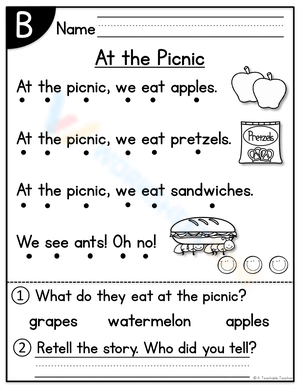
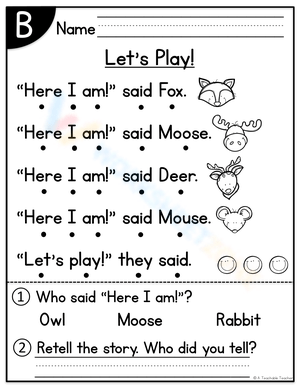
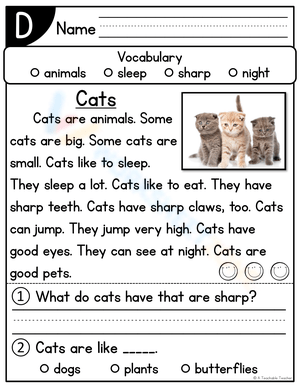
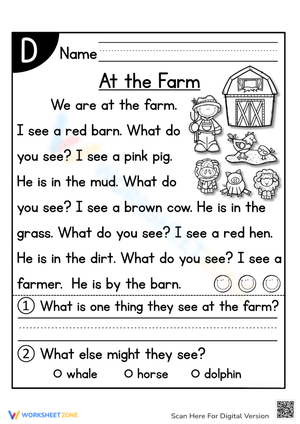
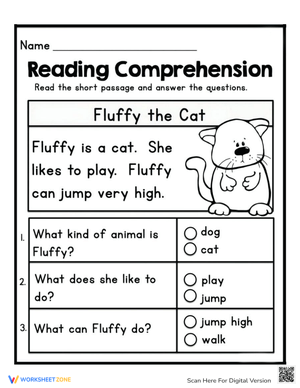
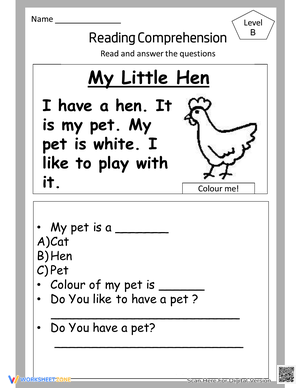
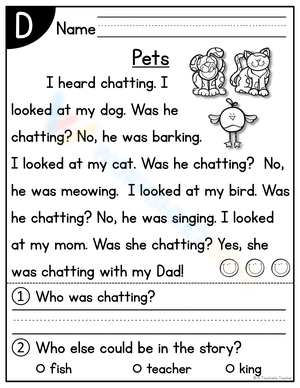
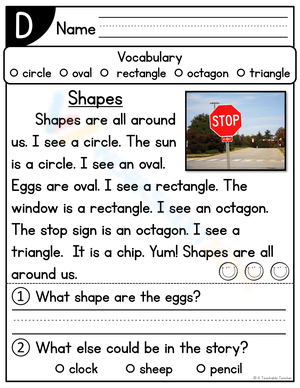
Strong first grade reading worksheets do more than ask students to circle random answers. They target a small set of early comprehension skills that fit the reading demands of Grade 1. Teachers usually need a mix of literary and informational practice, plus picture-supported tasks for students who are still leaning on visual clues.
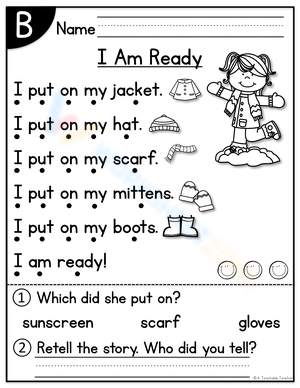
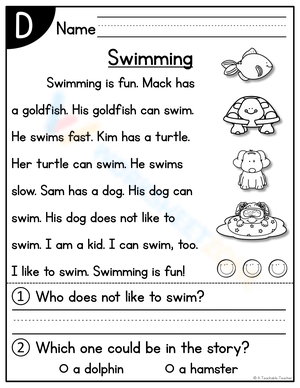
- Key details: Students identify who, what, where, or what happened first.
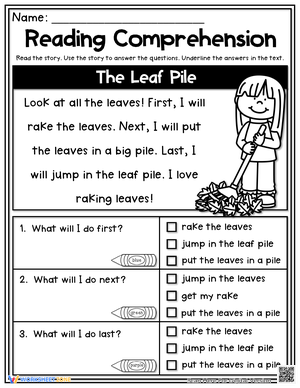
- Sequencing: Students show they understand the order of events in a short story or process text.
- Characters and setting: Students pick out the people, animals, or place in a brief passage.
- Main idea or topic: Students identify what the text is mostly about using clear, direct answer choices.
- Simple inference: Students use a clue from the picture or sentence to make a basic conclusion.
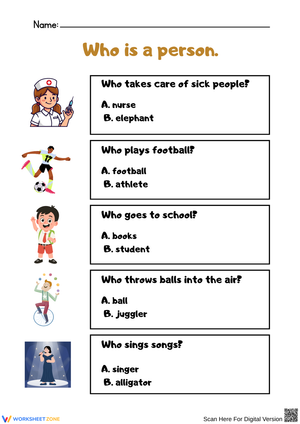
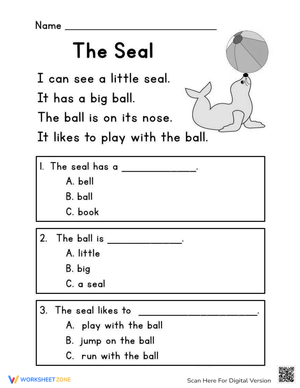
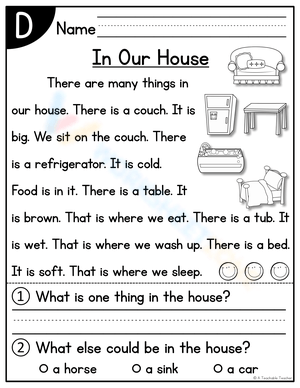
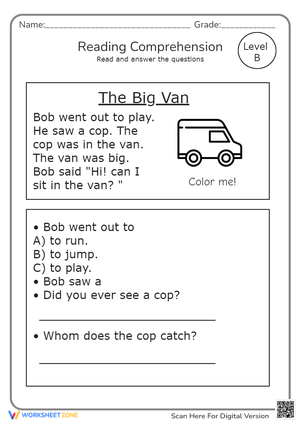
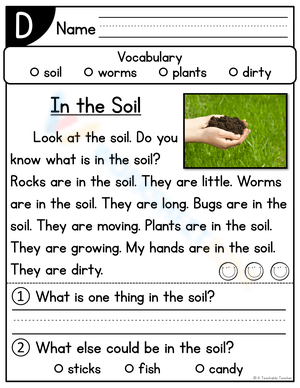
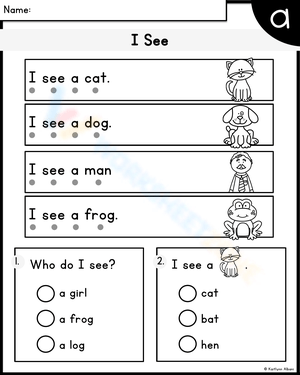
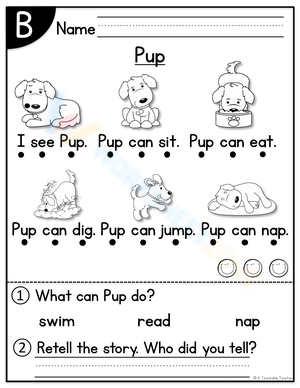
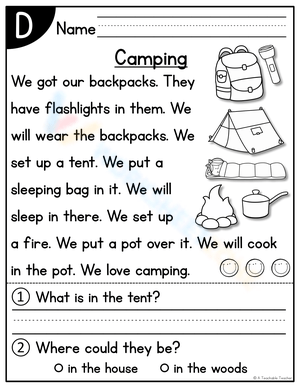
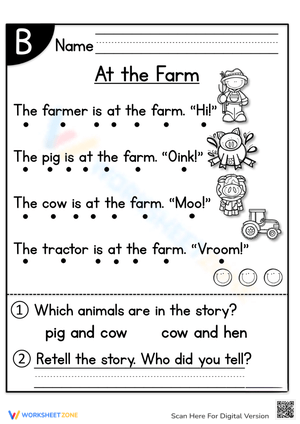
- Picture comprehension: Students connect images and text when decoding is still developing.
K5 Learning and Education.com both reflect this pattern in their Grade 1 reading offerings: short passages, brief prompts, and focused comprehension tasks rather than dense text blocks. That design matches what first graders can reasonably manage during independent work. Teachers can also rotate these skill types across the week so students practice more than one comprehension move without facing a long assessment packet.
What makes a good printable PDF for emerging readers
A good first grade reading PDF looks simple on purpose. First graders need visual clarity as much as they need accurate skill alignment. If the font is crowded, the passage is too long, or the answer choices are wordy, the worksheet starts testing stamina and decoding overload instead of comprehension.
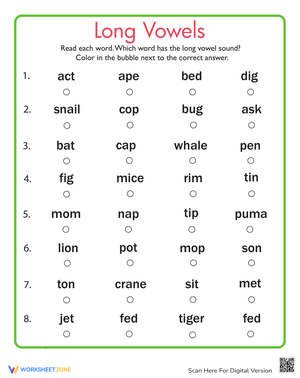
The most useful pages usually include one short passage or picture prompt, one skill focus, and a small number of clear questions. Answer options should sound distinct from one another. If two choices are almost the same, students may miss the item for reasons unrelated to understanding the text. For this age group, three answer choices often feel more manageable than a longer list because students can hold the options in mind while rereading the prompt.
Teachers often get cleaner data when the page removes avoidable friction. In Grade 1, a child may know the answer but still lose accuracy if they must track across a crowded layout, decode four long choices, or remember several directions at once. A well-designed multiple-choice worksheet reduces those side demands, so the score is more likely to reflect actual comprehension. That matters when the worksheet is being used for intervention grouping or a quick lesson adjustment.
Why multiple-choice reading checks work for formative assessment
Multiple-choice items are not the only way to check understanding, but they are efficient. In first grade, efficiency matters because a teacher may need to screen the whole class quickly, pull a small group, and still keep the rest of the room moving. A short set of selected-response questions makes that possible. The teacher can scan for patterns fast: students who miss key details, students who confuse sequence, or students who need more support connecting pictures and text.
These worksheets also work well as a bridge between guided instruction and independence. After a shared read-aloud or a teacher-led passage, students can complete one page on their own to show whether they can transfer the skill. Over time, that creates a simple record of growth. Teachers can compare results across a few weeks and spot whether students are becoming more accurate with familiar comprehension tasks.
In the Common Core State Standards for English Language Arts, Grade 1, both Grade 1 reading strands begin with asking and answering questions about key details in text. That two-strand emphasis gives teachers a clear reason to use short multiple-choice checks when they want fast evidence of basic comprehension.
Used thoughtfully, these pages are especially helpful at transition points: after phonics practice, after a decodable read, before intervention regrouping, or at the end of a reading center rotation. They are quick to score, easy to repeat with new passages, and manageable for students who are just starting to read with more independence.
Classroom Implementation
Teachers can get more value from these worksheets when they match the format to a specific instructional routine instead of using every page the same way. In whole-group lessons, a single worksheet can serve as an exit check after a short read-aloud or shared reading passage. During centers, the same format becomes independent review because students already know how to read the directions and mark an answer. In intervention, the teacher can use one page to isolate a single comprehension skill without adding extra writing demands.
- Morning work: Use picture-supported comprehension or one short passage to settle students into the reading block.
- Centers: Assign one worksheet with familiar directions so students can work with limited teacher help.
- Homework: Send home a printable PDF when families need something brief and easy to complete.
- Sub plans: Keep a small set of stand-alone pages that do not require special materials.
- Intervention groups: Choose pages by skill, such as sequencing or key details, to check for a precise gap.
It also helps to vary the text type. If students only answer questions about simple stories, teachers miss a chance to see whether those same students can handle basic informational text. A balanced set of first grade reading multiple choice worksheets should include fiction, nonfiction, and image-based prompts. That mix gives a better picture of comprehension and keeps practice from becoming predictable.
How to choose worksheets that stay aligned to Grade 1 expectations
Alignment starts with the task itself. For Grade 1, teachers should look for passages and prompts that ask students to notice key details, basic story elements, or simple topic information rather than abstract analysis. A worksheet can be challenging without drifting beyond first grade expectations. The question is whether the demand matches what students at this stage are learning to do with support and then on their own.
That is where source quality matters. The Common Core State Standards for English Language Arts, Grade 1 provide a clear anchor for comprehension goals, while grade-level collections from K5 Learning and Education.com show what age-appropriate practice often looks like in the classroom. When teachers select worksheets that keep the text short, the prompt direct, and the answer choices readable, the activity stays focused on the intended skill.
Another useful filter is instructional purpose. If the page is for independent work, the wording should be more predictable and the visual load lighter. If it is for guided practice with teacher support, the passage can stretch a bit further. Matching the worksheet to the routine prevents frustration and makes the data more useful.
Frequently Asked Questions
1. What skills do 1st grade reading multiple choice worksheets usually cover?
They usually cover key details, sequencing, characters, setting, main idea or topic, picture comprehension, and simple inference. The strongest sets keep each page focused on one or two related skills so teachers can tell what students understand.
2. Are these worksheets suitable for independent work or only guided reading?
They can work for both. For independent use, choose short passages, familiar vocabulary, and very clear answer choices. For guided reading or intervention, teachers can use slightly more support, discuss why each choice fits or does not fit, and listen to student reasoning.
3. Why do teachers use multiple-choice reading questions in first grade?
Teachers use them because they are fast to score and reduce the amount of writing students must do. That makes it easier to check comprehension during a busy reading block and spot who needs reteaching, more practice, or a different level of support.
4. What makes a good first grade reading PDF worksheet?
A good worksheet is print-ready, visually clear, and built for emerging readers. It uses short text, simple wording, manageable answer choices, and one clear skill focus. It should help the teacher gather useful comprehension evidence without adding extra confusion for students.