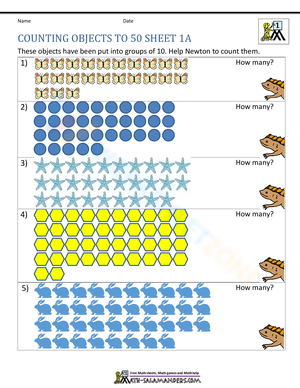
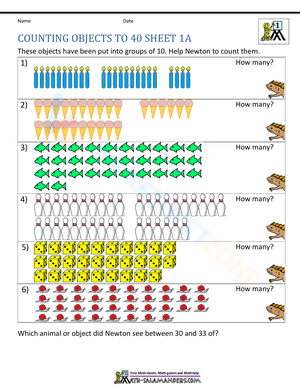
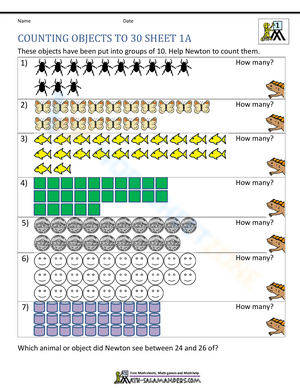
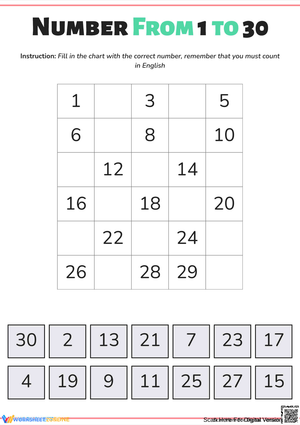
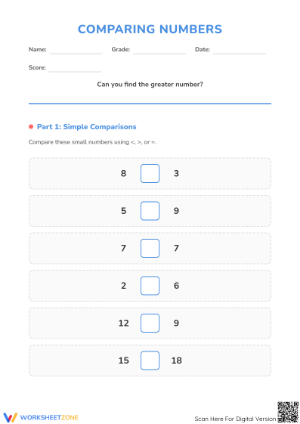
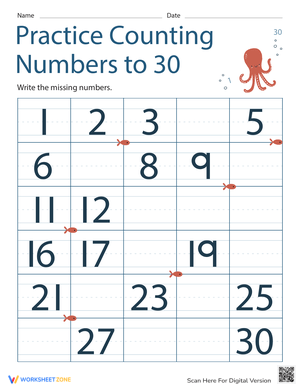
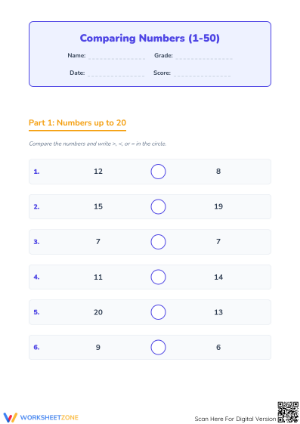
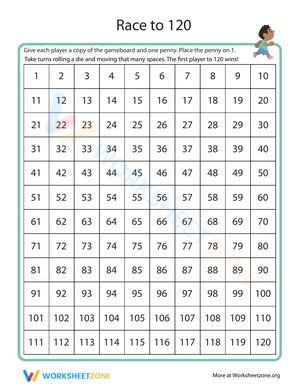
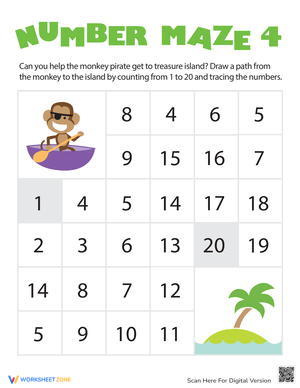
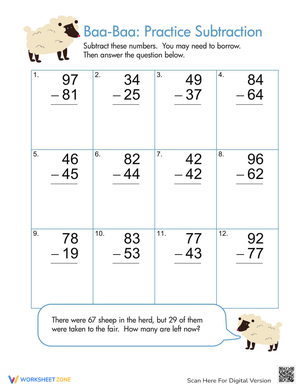
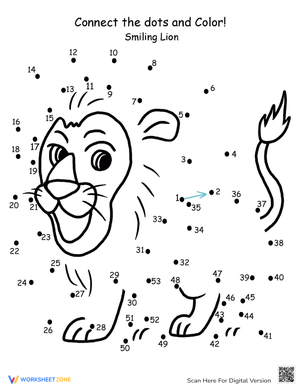
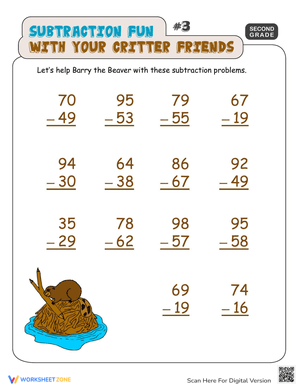
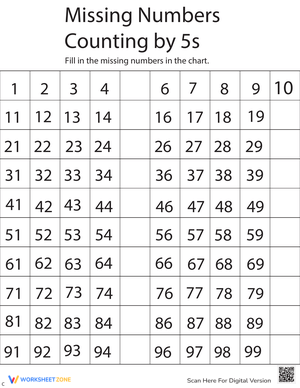
Two digit numbers printable worksheets for 1st grade give teachers a reliable entry point into one of the conceptual pivots that defines Grade 1 math: the shift from counting individual objects to recognizing that numbers are composed of groups of tens with some ones left over. This set of standalone, printable worksheets targets that understanding across multiple skill layers—reading and writing numerals, representing numbers with models, and comparing values using place value reasoning.
The Specific Skills Targeted
Each worksheet isolates a clearly defined skill so teachers can match practice to the exact lesson phase. The skills covered move from foundational to applied:
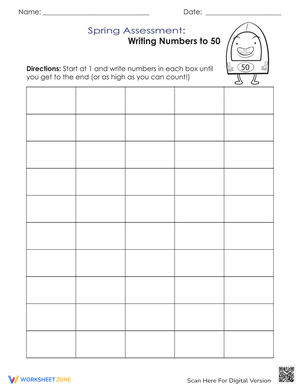
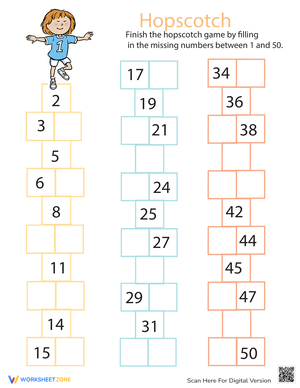
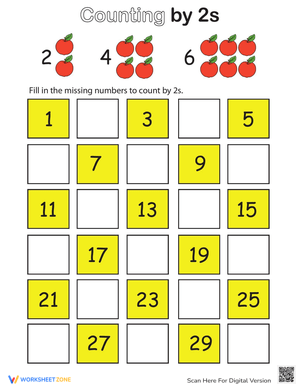
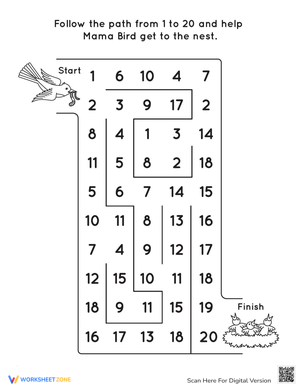
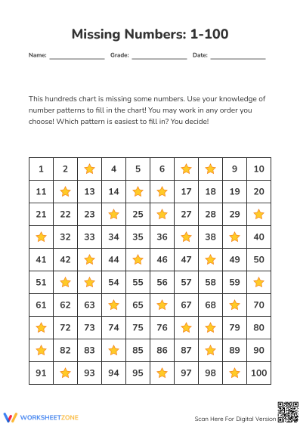
- Reading and writing two-digit numerals: Students identify printed numbers, write missing values in sequences, and match numerals to number-word forms.
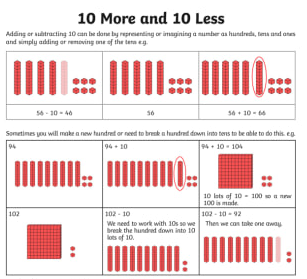
- Breaking numbers into tens and ones: Students record how many tens and how many ones compose a given number—47 is 4 tens and 7 ones, not 4 and 7 as separate single-digit counts.
- Multiple representations: Students draw quick base-ten models, fill in ten frames, or write expanded form to show the same number in three different ways on the same worksheet.
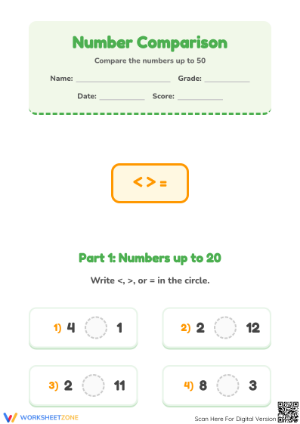
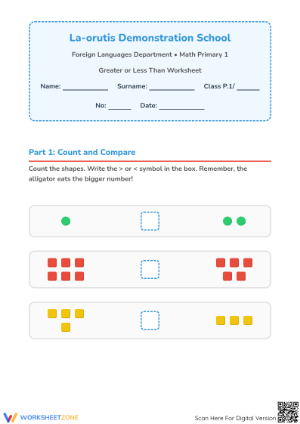
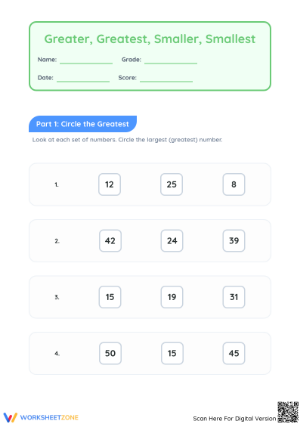
- Comparing with symbols: Students apply greater than, less than, or equal to symbols after examining the tens place first.
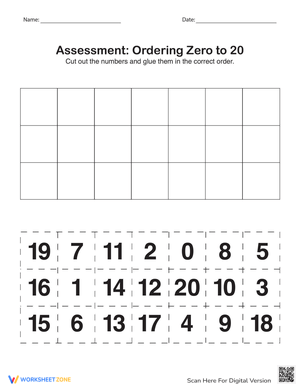
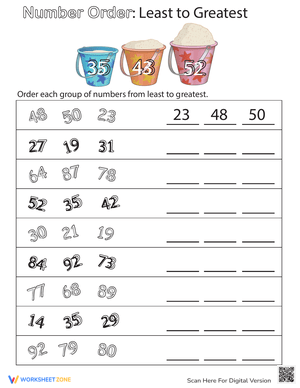
- Ordering within 100: Students arrange small sets of numbers from least to greatest or in reverse, a task that demands genuine place value understanding rather than pattern-following.
Ordering is worth singling out because it surfaces gaps that simpler tasks hide. A student can copy or write two-digit numbers correctly while still lacking any sense of their relative size. Ordering forces decisions across a set and exposes that gap fast.
Why the Concrete-to-Abstract Sequence Matters at This Grade
First graders are at a developmental stage where abstract symbols need anchoring in physical or pictorial referents before they generalize reliably. A worksheet that opens with base-ten block images, asks students to count rods and units, and then asks them to write the numeral reduces the number of simultaneous demands placed on working memory. Once students can do that fluently, a worksheet that removes the picture and asks only for the numeral represents a meaningful instructional step forward—not a harder version of the same task but a categorically different cognitive task. Moving across worksheets in that order builds durable place value understanding rather than procedural mimicry where students copy the format without grasping what the digits mean.
Common Misconceptions to Watch For and Correct
The error pattern that surfaces most consistently when first graders compare two-digit numbers is attending to the ones digit first—or exclusively. A student who has correctly learned that 9 > 7 will conclude that 49 > 72 because "9 is bigger than 2." This is not carelessness; it reflects genuine confusion about how positional value changes the meaning of a digit. Worksheets that ask students to underline or circle the tens digit before recording their comparison make this process visible and interruptible. When you scan a collected class set, students who circle the wrong column appear immediately.
A second error involves treating the tens and ones as two independent numbers rather than as parts of a composed value. Students may say that 36 has "3 and 6" rather than "3 tens and 6 ones," and then struggle to place 36 on a number line because they are mentally holding two separate single-digit numbers. Worksheets that consistently pair symbolic recording ("3 tens, 6 ones") with a drawn model of 3 rods and 6 cubes close that gap more reliably than reteaching the verbal rule alone.
Standard Alignment
These worksheets address CCSS 1.NBT.A.1, which requires first graders to count to 120 and read and write numerals to represent quantities in that range. The comparing and ordering tasks directly support CCSS 1.NBT.B.3, which asks students to compare two two-digit numbers using greater-than, equal-to, and less-than symbols grounded in tens-and-ones reasoning. In classroom terms, this work belongs in the second half of a Grade 1 year—after students have consolidated counting fluency and worked through teen number decomposition. Teachers who introduce this set in mid-year as a bridge between number sense and addition within 100 tend to see the smoothest transfer.
Fitting These Worksheets Into Your Weekly Lesson Plans
Two digit numbers printable worksheets for 1st grade work best when paired with a skill-per-day structure across the week. Monday addresses reading and writing numerals; Tuesday focuses on tens-and-ones decomposition; Wednesday introduces or reinforces comparing; Thursday handles mixed review. Friday's worksheet functions as a brief formative check—five to eight items, no picture support—so teachers can sort responses into reteach or advance groups before the weekend begins.
During math workshop, one group works with physical base-ten blocks while another completes the corresponding worksheet independently. That parallel structure means manipulative use and written practice reinforce each other within the same lesson rather than happening on separate days. At the teacher table, the same printed problems become discussion prompts for a small guided group—students talk through their reasoning before recording, which slows down the rushing that produces the ones-digit comparison error.
Adjusting These Worksheets Across Readiness Levels
Within a single Grade 1 class, the spread in number sense can be wide. Some students arrive still consolidating teen numbers while others are ready to compare and order values approaching 100. Two digit numbers printable worksheets for 1st grade address that range through deliberate variation in visual support and response demand.
For students who need more support, use worksheets with pre-drawn base-ten models and highlighted tens-and-ones recording boxes; reducing the item count from twelve to six keeps the task manageable without changing the skill target. Students working independently move to worksheets that remove picture clues and include open-response lines asking them to explain which number is greater and why. Students with the highest readiness benefit from error-analysis items—a completed comparison with a deliberate mistake that they must locate and correct—or from ordering tasks involving four or five numbers rather than two. Students building academic language alongside number sense benefit from sentence frame anchors printed directly on the worksheet: "___ has ___ tens and ___ ones, so ___."
Frequently Asked Questions
At what point in the school year should these worksheets appear?
Most Grade 1 teachers introduce two-digit number work in earnest after winter break, once students have consolidated counting to 20 and worked through basic teen number decomposition. Some classrooms reach this point as early as November if number sense was front-loaded in the fall. Worksheets requiring comparison or ordering are better reserved until students can confidently identify tens and ones in isolation first—assigning the comparison tasks too early produces the ones-digit error at scale and makes it harder to undo.
How do these worksheets fit into a math center rotation?
Assign one worksheet per center visit rather than a stack. Students who finish early can flip the page and draw their own tens-and-ones model for a self-chosen number, which extends the task without requiring a separate activity to manage. Worksheets with cut-and-sort components work especially well as partner tasks because students verbalize their sorting decisions before gluing—that conversation does instructional work that silent independent practice cannot.
Can these worksheets serve as assessment tools?
The most useful ones for that purpose are the stripped-down versions without picture support. A short exit ticket—four comparison problems and two tens-and-ones recordings—takes students about five minutes and gives enough information to group for reteaching. Two digit numbers printable worksheets for 1st grade that mix representational and abstract items in a short format function simultaneously as practice and as a formative data point, which makes them worth keeping in a weekly rotation even after formal instruction on the topic has ended.
What manipulatives pair most directly with this set?
Base-ten blocks are the closest complement because the worksheets often mirror their visual structure. When blocks are unavailable, bundled craft sticks or linked cubes grouped into towers of ten work just as well. The critical step is that students handle a physical ten before they mark a tens digit on paper—the abstract recording holds more meaning after the physical grouping, and students who skip that step are the ones most likely to treat the tens and ones as two separate numbers.













 Interactive Worksheet Maker
 Quiz Maker
 Word Search Maker
 Crossword Puzzle Maker
 Word Scramble Generator
 Sentence Scramble Generator
 Handwriting Worksheet Generator
 Name Tracing Generator
 Fill In The Blank Generator