Why fill-in-the-blank reading practice fits 1st grade
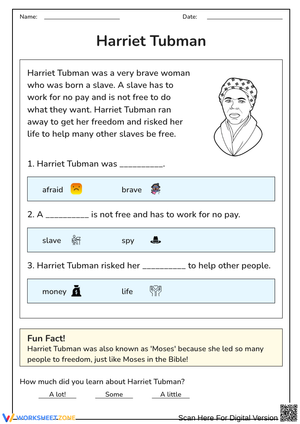
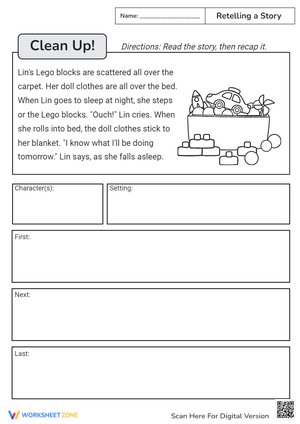
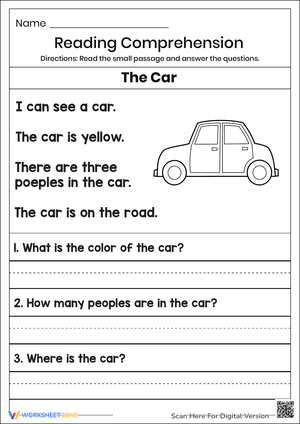
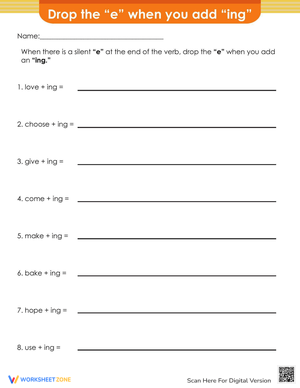
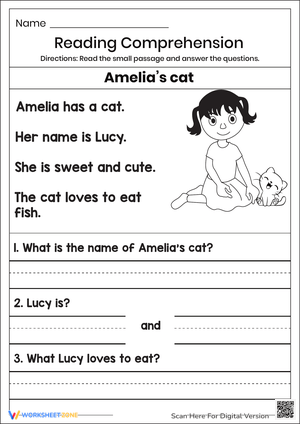
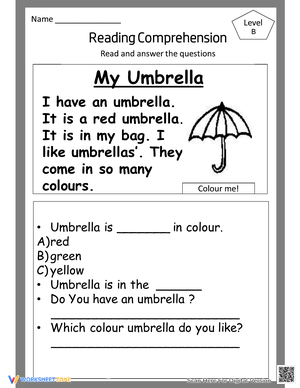
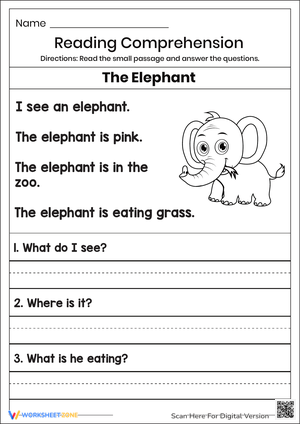
Reading fill in the blank printable worksheets for 1st grade work best when they keep the reading load short and the thinking clear. In first grade, students are still building automaticity with high-frequency words, decoding simple patterns, and following sentence meaning from left to right. A cloze-style page gives teachers one compact task that combines all three. Students read a short sentence or passage, notice a missing word, and use context, phonics cues, or meaning to decide what belongs in the blank.
What strong 1st grade reading cloze worksheets should include
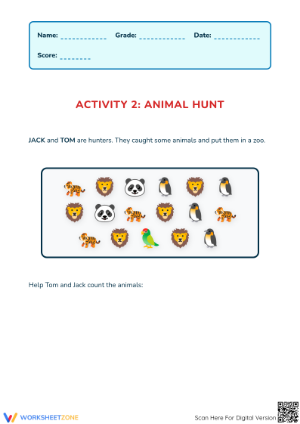
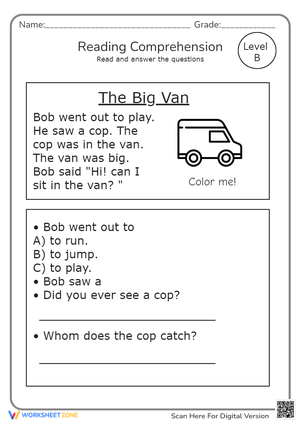
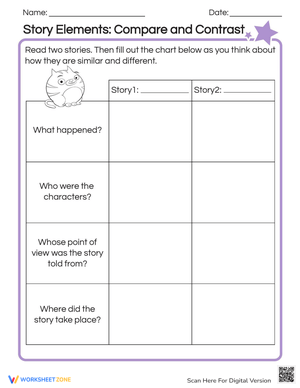
Not every fill-in-the-blank page is equally helpful for beginning readers. The best printable sets for grade 1 usually include short sentences or brief passages, missing words that can be solved from context, and language that matches what students are learning in class. If a worksheet asks students to guess from a weak clue, it turns into a puzzle instead of reading practice. If the page is built around clear sentence meaning, students can use what they know about sounds, words, and ideas together.
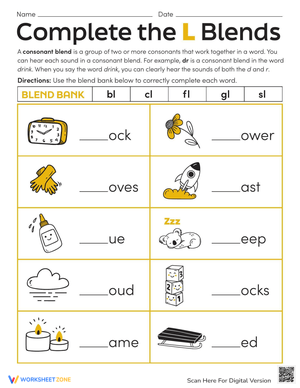
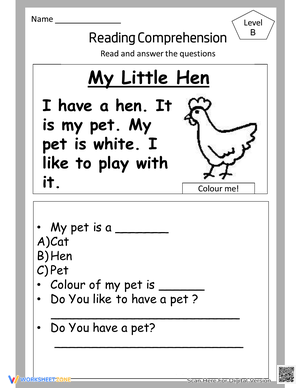
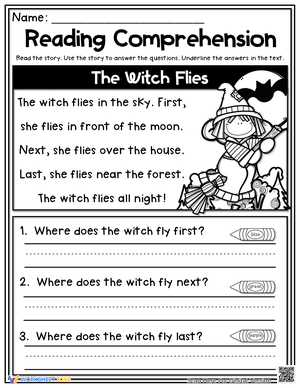
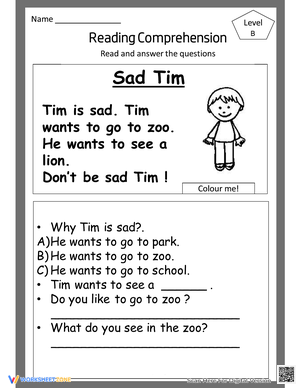
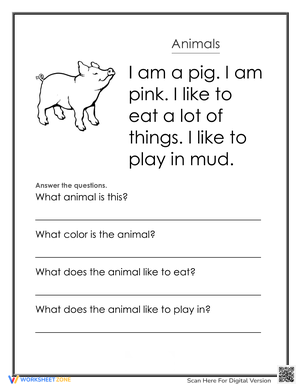
Teachers often get the most value from worksheets that include sight words, simple nouns and verbs, and decodable patterns that first graders have already seen in instruction. Picture support can also help, especially for students who are still developing confidence. Another practical feature is easy answer checking. When the missing words are sensible and limited, teachers can review work quickly during centers or collect it as a formative check without needing a long grading process.
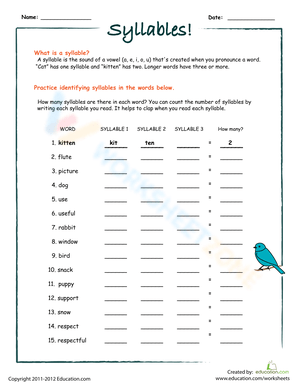
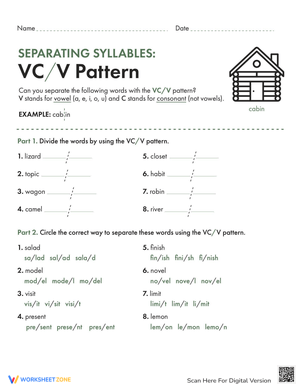
Citation capsule: Reading Rockets explains that comprehension grows when students actively make meaning from text, not just pronounce words. For Grade 1, the Common Core State Standards reading foundational skills also emphasize high-frequency words and decoding one-syllable and simple two-syllable words, which makes short cloze practice a useful bridge between decoding and understanding.
Which reading skills these worksheets reinforce
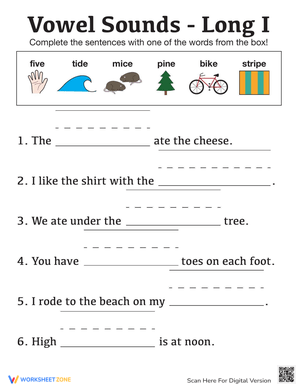
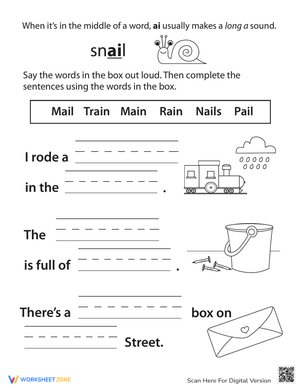
A well-made cloze page can target more than one skill at a time. At the most basic level, students practice rereading a sentence and checking whether a word sounds right and makes sense. That supports self-monitoring, which is a major habit for young readers. If a sentence says, “The cat sat on the ___,” a student has to notice both the sound pattern and the meaning of the sentence before writing a likely answer.
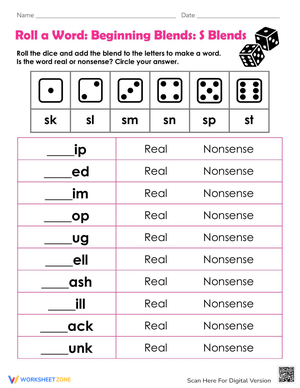
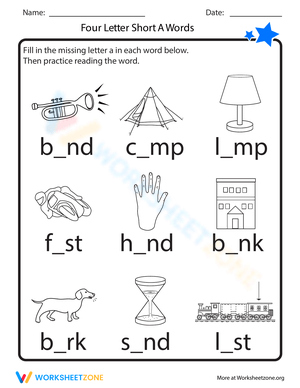
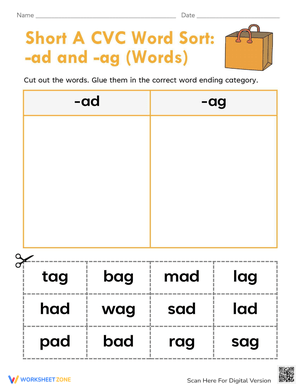
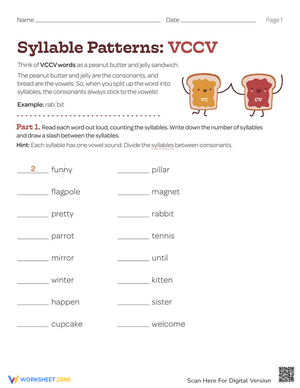
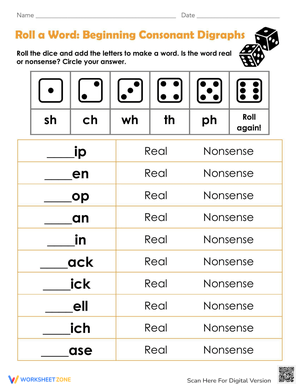
These worksheets also support vocabulary growth because students must connect a missing word to the surrounding language. When the worksheet uses common classroom topics, seasonal themes, or familiar routines, students can focus on understanding instead of wrestling with unfamiliar background knowledge. Teachers can also choose pages that reinforce phonics patterns, such as short vowels, consonant blends, or word families, while still keeping the task rooted in reading.
Another benefit is fluency support. Even though the page centers on a blank, the real work happens through reading the full sentence or passage more than once. Students read once to get the idea, again to test a word, and sometimes a third time to confirm that the sentence sounds right. That repeated reading is brief, but it builds useful habits.
Classroom Implementation
These worksheets are easy to fit into a real first grade schedule because they do not require heavy setup. In a whole-group setting, teachers can project a sample sentence, think aloud about how to choose a missing word, and then release students to an independent page. In small groups, the same format works well for targeted support. A teacher can select a printable focused on a recent phonics pattern or high-frequency word set, listen to students read aloud, and watch how they justify their choices.
For literacy centers, it helps to keep the routine consistent. Students can read the sentence first, say two possible answers aloud, and then write the one that makes the most sense. That structure reduces random guessing. For homework, shorter pages are usually the best choice because families can understand the task quickly. For exit tickets or quick checks, teachers can assign just a few sentences and see whether students are using context and word knowledge independently.
- Use one-page sets for morning work or bell ringers.
- Pull targeted pages for intervention groups that need practice with sight words or simple decoding.
- Place themed printables in centers to keep review fresh without changing the routine.
- Use completed pages as a fast formative sample during reading conferences.
How to choose the right difficulty level
The hardest part is not finding a worksheet. It is matching the page to the reader. A first grade cloze worksheet should feel challenging enough that students need to think, but not so hard that they stop reading and start guessing. One useful test is to look at the missing word and ask what information the child must use to solve it. If the blank can be answered from a single obvious picture and no reading, it may be too light. If students need advanced vocabulary or several unfamiliar decoding patterns, it is probably too hard for independent work.
In practice, the best first grade pages usually hold the cognitive demand to one main decision at a time. Students might use sentence meaning to choose between two familiar words, or apply a recently taught phonics pattern inside a short passage. That narrow focus matters because first graders are coordinating multiple early literacy systems at once. When a printable asks them to decode, recall new vocabulary, and manage a long passage in the same task, the worksheet measures stamina more than reading understanding.
Teachers can also sort worksheets by use case. A simpler page may be right for independent centers, while a slightly more demanding one works during guided reading or intervention where teacher support is available. The goal is to make the text readable enough that student thinking stays connected to comprehension.
Why printable format still matters for early reading
Printable practice remains useful because it is fast, stable, and easy to manage across different classroom settings. A printed page gives young students one visible task with limited distractions. That is especially helpful for children who are still learning how to track print, monitor attention, and complete independent work. Teachers can annotate the page, circle a phonics pattern, or ask students to reread a sentence without needing another tool.
Worksheetzone is especially useful here because teachers looking at a focused grade 1 reading fill-in-the-blanks collection can stay inside the exact format they need. Instead of sorting through broad worksheet categories, they can choose pages that match early reading goals and keep planning time tight.
What teachers should look for before printing
Before adding a worksheet to the rotation, it helps to scan for a few practical markers. First, check that the text is brief enough for first graders to finish successfully. Second, make sure the missing words connect to the meaning of the sentence rather than relying on random trivia. Third, look for vocabulary that matches classroom instruction. Finally, consider whether the page can be reviewed quickly. If answer checking is confusing, it will slow down centers and reduce the value of the activity.
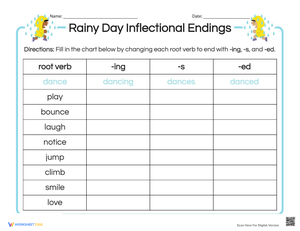
Teachers planning a sequence can also mix worksheet types. One day might use sentence-level blanks focused on sight words. Another might use a short passage where students use meaning across several lines. That variety keeps the format familiar while shifting the reading demand.
When chosen carefully, reading fill in the blank printable worksheets for 1st grade can become a compact tool for checking whether students read for sense, recognize useful word patterns, and apply what they have been taught in a manageable text.
Frequently Asked Questions
1. What reading skills do fill-in-the-blank worksheets build in 1st grade?
They can build sentence comprehension, high-frequency word recognition, basic vocabulary, phonics application, and self-monitoring. Students read a short text, test a possible word, and decide whether it sounds right and makes sense.
2. Are these printables better for whole class use or small-group intervention?
They work in both settings. Whole class use is effective when the format has already been modeled. Small-group intervention is often the best place for more targeted pages tied to a specific phonics pattern, sight word set, or comprehension need.
3. How hard should a first grade reading cloze worksheet be?
It should require real reading but not heavy guessing. Students should be able to solve the blank by using familiar vocabulary, simple decoding knowledge, and sentence meaning. If most students need constant prompting, the page is too difficult for independent practice.
4. Can reading fill-in-the-blank worksheets help with sight words and phonics?
Yes. They are most useful when the missing words align to recently taught high-frequency words or decodable patterns. That lets students connect foundational skills to real reading instead of practicing isolated word lists only.
5. What should teachers look for in a good printable reading worksheet for grade 1?
Look for short text, clear clues, familiar vocabulary, predictable sentence structure, and easy answer checking. The best pages support understanding first, while still reinforcing the decoding and word recognition work first graders need every day.