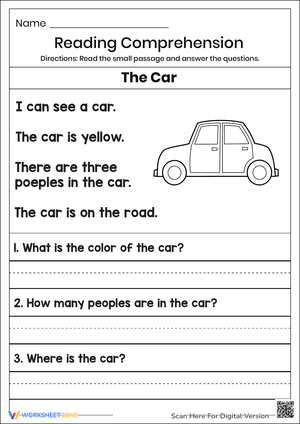
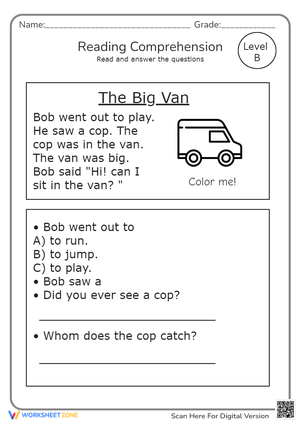
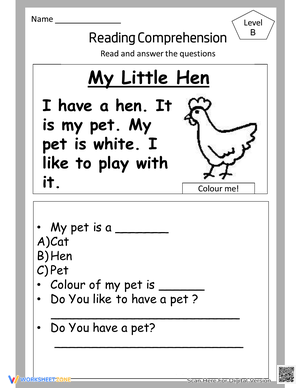
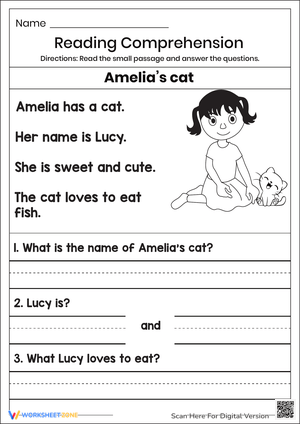
Why these grade 1 reading PDFs fit real literacy blocks
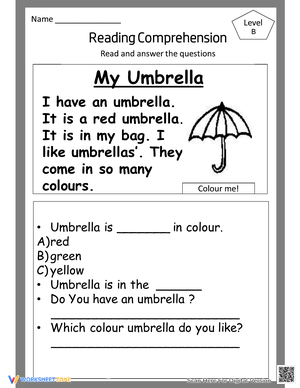
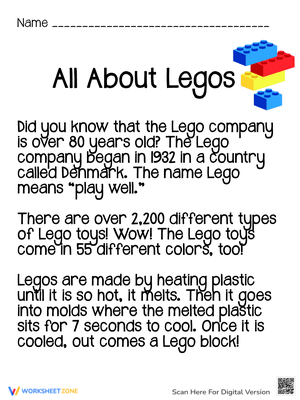
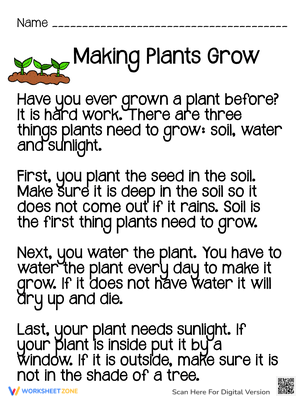
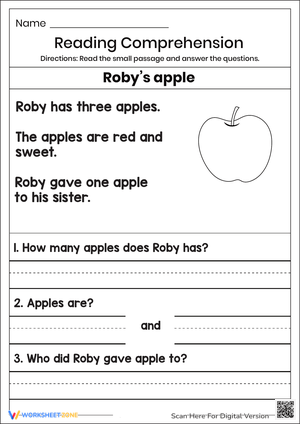
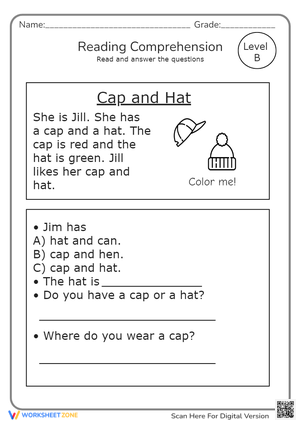
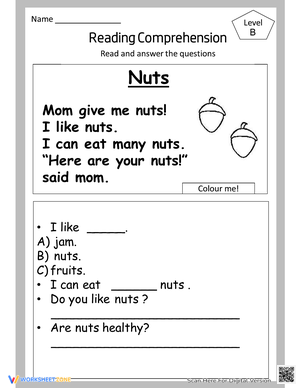
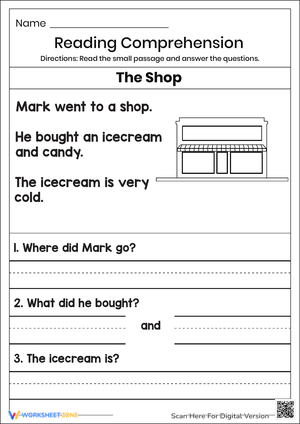
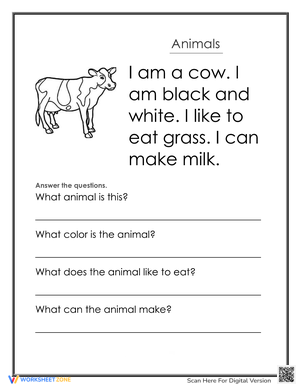
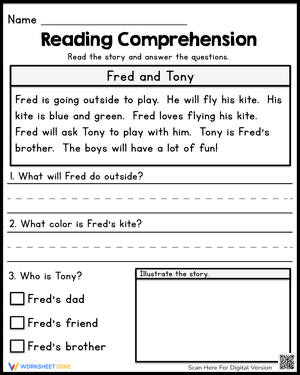
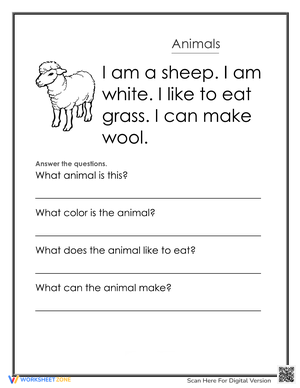
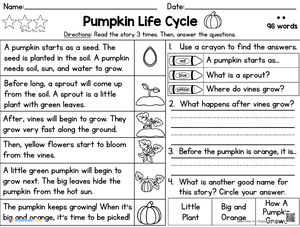
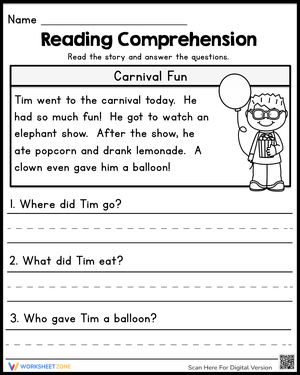
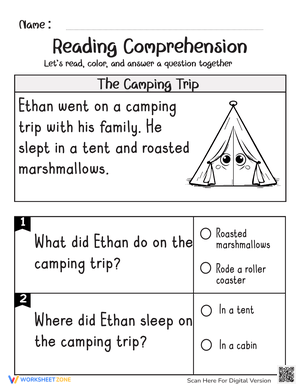
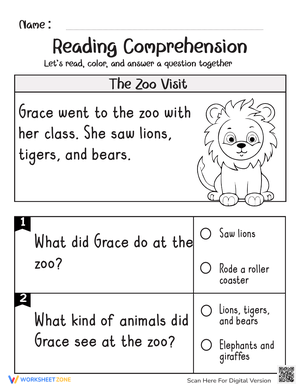
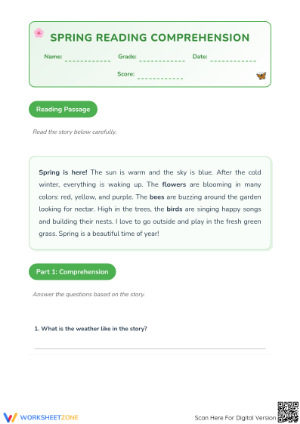
Worksheetzone offers grade 1 level reading fill in the blanks pages that fit a common classroom need: teachers want printable practice that feels short enough for centers, but still gives useful reading information. When you need one page that can check decoding, sentence meaning, sight word control, and basic comprehension, a leveled cloze task is a practical option. That is why 1st grade leveled reading fill in the blank worksheets pdf searches are so common among teachers planning guided reading, intervention, and independent practice.
What leveled reading means for first-grade worksheets
Leveled reading means the text difficulty is matched to what students can currently handle. The prefetched research for this task defines leveled text as reading material assigned a difficulty level based on word load, sentence length, and text features. For grade 1 teachers, that matters more than whether a page looks cute or has a familiar theme. If the text is too hard, students stop using what they know. If it is too easy, the page becomes handwriting practice instead of reading practice.
On a first-grade cloze page, leveling often shows up in simple ways. Shorter sentences reduce memory load. Familiar spelling patterns make decoding more likely. Repeated sentence frames support confidence. Predictable vocabulary lets students focus on one missing word at a time. As the level rises, the passage may include longer sentences, less repetition, more choices that could fit grammatically, and fewer obvious context clues. Teachers do not need a complicated formula to notice this. They need to preview the page and ask whether students can read most of the text and use the blank to confirm meaning rather than guess wildly.
One worksheet can target more than one reading skill
A strong leveled fill-in-the-blank page does more than ask students to supply a missing word. It asks them to coordinate several early literacy skills in a manageable format. That makes these worksheets useful when instructional minutes are tight and you want a printable that earns its place in the rotation.
- Decoding: Students read the surrounding words and test whether a candidate word matches the spelling pattern and sounds right.
- Fluency: Because the text is short, students can reread after completing the blanks and practice smooth phrasing.
- Vocabulary: Students must choose a word that fits the idea of the sentence, not just the first sound.
- Comprehension: Students confirm meaning across a whole sentence or short passage, which keeps the task connected to understanding.
That mix is especially useful in grade 1 because students are still building automatic word recognition. A worksheet that combines word solving with sentence meaning tends to give teachers better information than a page that isolates only one skill. It also helps explain why these PDFs work well in guided reading follow-up, literacy centers, and intervention folders.
How to choose the right difficulty for struggling and on-level readers
Teachers usually get better results when they sort leveled reading worksheets by three simple factors: how much text students must read, how much support the page gives, and how precise the missing-word choices are. For first graders who still need heavy decoding support, choose shorter passages with repeated sentence patterns and highly predictable words. If the worksheet includes a word bank, make sure the choices are clearly different enough that students can use both phonics and meaning to decide.
For on-level readers, move toward passages with a little more text and fewer direct clues. Students at that stage benefit from blanks that require them to hold the sentence in mind, check syntax, and think about overall passage meaning. If you are using the page in intervention, keep the goal narrow. Matching the worksheet to the current reading profile is what makes the practice instructionally useful rather than just busy work.
One practical screening rule is the 3-point check: if a student struggles with passage length, cannot read enough surrounding words to use context, and needs help with most answer choices, the worksheet is a better fit for teacher-led practice than for independent seatwork.
Classroom Implementation
These printable PDFs fit best when the routine around them is clear. In guided reading groups, the worksheet can work as a brief follow-up after students read a leveled text. The teacher can listen for whether students transfer what they just practiced into a short written reading task. In centers, the same format gives students familiar expectations: read the sentence, choose or write the word, then reread to make sure it sounds right and makes sense.
Teachers can also use the page as a warm-up at the start of the literacy block. During intervention, a fill-in-the-blank worksheet is often most effective when it is short, teacher-supported, and followed by immediate rereading. The reread matters because it turns the page from an answer hunt into actual reading practice. For homework or take-home review, these worksheets are best when the format has already been taught in class so families are not guessing at the expectation.
A simple implementation sequence is enough for most grade 1 groups: preview the page, read the passage once, complete the blanks, reread the full passage, and then discuss one or two choices aloud. That final discussion helps teachers see whether a student used phonics, context, or pure guesswork.
What the best printable pages include
The most effective 1st grade leveled reading fill in the blank worksheets pdf resources are not necessarily the longest or most decorated. They are the ones that keep the reading demand clear. On a strong page, the text is readable, the missing words matter to meaning, and the layout does not distract from the task. That makes the PDF easy to print, easy to explain, and easy to reuse across small groups.
Teachers should look for passages that sound like natural early reading text rather than fragmented test items. A useful cloze worksheet still reads like a connected mini-passage. Students should be able to reread it smoothly after the blanks are completed. If the page includes support, that support should sharpen the reading work instead of replacing it. For example, a concise word bank can help a first grader stay focused, while an overloaded bank may encourage random matching.
Reading Rockets, in Types of Texts and How to Use Them, shows that text features affect access, and Florida Center for Reading Research organizes short literacy activities for kindergarten and first grade. A practical teacher takeaway is to check 3 variables on each page: text load, support level, and meaning demand.
Why these worksheets work well beside guided reading texts
These worksheets are most effective when they sit beside actual reading, not instead of it. Reading Rockets, in Using Decodable Books, points to the importance of giving early readers text they can successfully work through with the phonics knowledge they have. That idea transfers well to first-grade cloze practice. If the surrounding text is readable, the blank becomes an opportunity to confirm decoding and meaning. If the surrounding text is inaccessible, the worksheet stops functioning like reading practice.
This is why many teachers use leveled fill-in-the-blank pages after shared reading, guided reading, or a decodable text reread. Students come to the worksheet with a recent model of fluent reading and a topic already in mind. The page then acts as a compact bridge between oral reading and written response. It can also help a teacher compare performance across settings. A student who reads a word correctly in connected text but misses it on a cloze page may need more practice using context and sentence structure, not just more phonics drills.
Frequently Asked Questions
1. What does leveled reading mean for 1st grade worksheets?
It means the worksheet text is matched to students' current reading ability. Teachers should consider sentence length, word load, and text features so the page is readable enough to support decoding and comprehension at the same time.
2. How are fill-in-the-blank reading worksheets used in guided reading groups?
They work well as a short follow-up after reading. Students complete missing words in a connected passage, reread the full text, and discuss how they checked each choice using sounds, pattern knowledge, and meaning.
3. Are these PDFs better for fluency, comprehension, or sight word review?
They are best used as a blended task. A good page can reinforce high-frequency words, support fluency through rereading, and check whether students understand the sentence and passage after completing the blanks.
4. How can teachers choose the right difficulty for struggling first-grade readers?
Start with shorter passages, familiar spelling patterns, and stronger support such as repeated sentence frames or a concise word bank. If students cannot read enough of the surrounding text to use context, move the worksheet into teacher-led practice or choose an easier level.