Why these printables fit first grade reading work
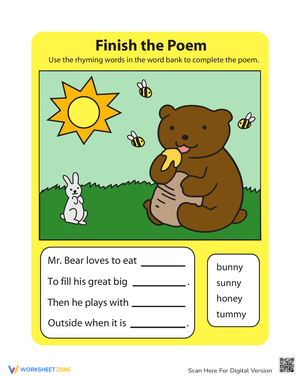
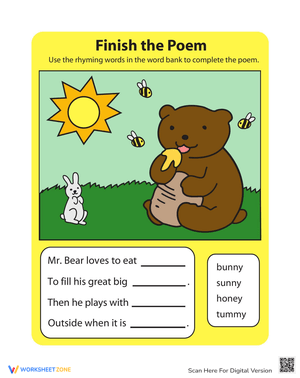
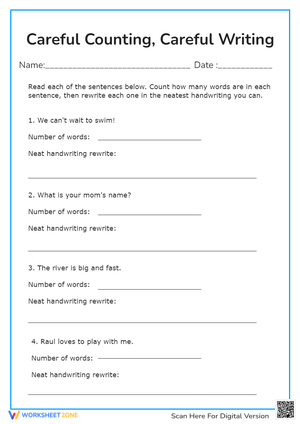
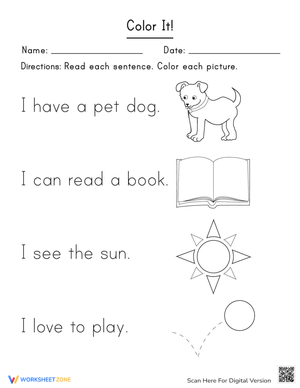
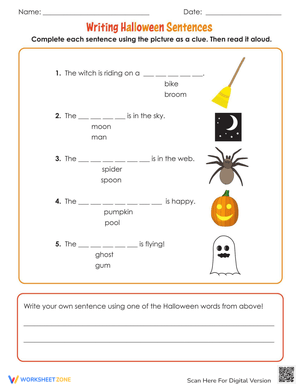
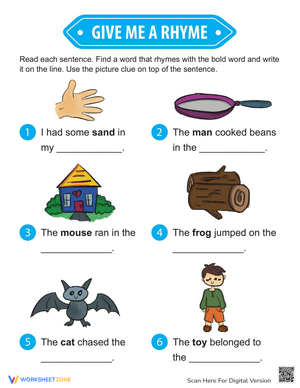
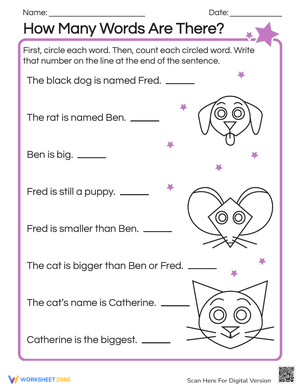
1st grade early literacy fill in the blank printable worksheets work best when they give students a short stretch of text to read, one meaningful blank to solve, and just enough support to keep attention on the target skill. In Grade 1, students are moving from isolated sound work into reading words, phrases, and simple connected sentences with more accuracy. That makes fill-in-the-blank practice useful for phonics review, sight word application, and quick comprehension checks in the same routine.
For teachers, the format is efficient. A single page can show whether a student can decode a regular one-syllable word, choose a word that matches the sentence meaning, or use a taught spelling pattern in context. Instead of asking students to complete a long passage, these printables keep the reading load manageable while still requiring active thinking. That balance matters in first grade, where stamina is still developing and every task needs a clear purpose.
Which early literacy skills should the blanks target?
The strongest worksheets stay closely tied to the early reading skills first graders are actually learning. Sentence blanks can target short vowels, consonant digraphs, beginning blends, ending sounds, and other taught sound-spelling patterns. They can also reinforce high-frequency words that students need to read automatically in simple text. When the blank asks students to apply a word in context, teachers get a better picture than they would from drill alone.
Phonemic awareness still matters here, even when students are working on paper. If a child can segment and blend sounds, it becomes easier to test possible words in the blank and confirm whether the sentence sounds right. The resource Phonemic Awareness: The Sounds of Reading from IES connects sound awareness to later reading development, which is why these worksheets should not feel separate from oral phoneme work. They should act as the print bridge between hearing sounds and reading words.
- Decoding regular one-syllable words in short sentences
- Applying high-frequency words in familiar sentence frames
- Using picture-free meaning cues instead of guessing
- Checking whether the completed sentence sounds correct and makes sense
- Building vocabulary through repeated use of simple academic and everyday words
What strong first grade worksheets include
Not every blank worksheet supports early literacy equally well. In first grade, strong pages use readable sentence structures, controlled vocabulary, and blanks that line up to the lesson goal. If the target is short a, the rest of the sentence should not overload students with untaught patterns. If the target is sight words, the surrounding text should stay simple enough that students can focus on choosing the right word rather than untangling the whole sentence.
Decodable practice matters for the same reason. According to Reading Rockets in What Are Decodable Books and Why Are They Important?, beginning readers benefit when texts give them repeated practice with taught sound-spelling patterns rather than pushing them to rely on context alone. A fill-in-the-blank worksheet follows that same logic when the answer choices and sentence frame are controlled. Students are more likely to use decoding, rereading, and self-checking instead of random trial and error.
A useful design rule for Grade 1 is to keep each item doing one main job. When a sentence asks students to decode a new pattern, process complex syntax, and infer a tricky meaning all at once, the page stops measuring the intended skill. Short, highly controlled blanks often reveal more instructional information than a longer worksheet with mixed demands.
Citation capsule: Reading Rockets' Literacy Accomplishments: Grade 1 describes first graders as readers who use letter-sound knowledge to decode regular one-syllable words and read simple connected text with growing accuracy. That expectation supports using short sentence blanks as a fast classroom check on decoding, word recognition, and meaning in one place.
How blank practice supports sentence reading and comprehension
Teachers sometimes treat blanks as only a phonics exercise, but in first grade they can do more than that. A well-written item asks students to read the whole sentence, consider what word would make sense, and confirm that the chosen word matches the sound pattern or sight word target. That sequence matters because it mirrors real reading behavior: decode, monitor, and reread.
Simple sentence completion also helps students connect word reading to vocabulary. A child who fills in hop, shop, or stop is not just matching letters. The student is noticing how one sound change can affect meaning in a sentence. Over time, repeated work like this builds flexibility with language and improves how students approach unfamiliar text. For intervention groups, the format can uncover whether the issue is phonics knowledge, automatic word recognition, or weak understanding of the sentence itself.
The best pages leave little room for guessing. That aligns with The Alphabetic Principle: From Phonological Awareness to Reading Words, which emphasizes the connection between sound knowledge and word reading. In practice, that means blanks should reward students for using letter-sound knowledge. If multiple answers could reasonably fit, the item is too loose for targeted first grade instruction.
Classroom Implementation
These printables are flexible when the teacher decides in advance what evidence the page should produce. During whole-group review, a projected sentence blank can serve as a quick warm-up tied to the day’s phonics pattern. In literacy centers, a shorter printable can give students independent practice after explicit teaching. In intervention, the same format works well because students can read aloud, explain their answer, and correct it immediately if needed.
For morning work, keep the page predictable: a small number of sentences, familiar directions, and one skill focus. For exit tickets, use two or three items that show whether students can transfer the lesson into sentence reading. For small groups, teachers can turn the printable into an oral routine by covering answer choices, asking students to test possible words aloud, and then writing the correct answer in the blank.
- Use one printable after a phonics mini-lesson to check transfer into connected text
- Assign a differentiated version in centers with fewer or more answer choices
- Use completed pages to sort students for reteaching on the next day
- Have students reread each finished sentence to build fluency and self-monitoring
How to choose pages for intervention, review, and enrichment
In intervention, choose worksheets with fewer items, wider spacing, and answer demands that match the exact skill being retaught. A student working on short vowels may need single-syllable choices with clear contrasts such as pin and pen. In core review, teachers can expand the number of items slightly and include a mix of decodable words and common high-frequency words. The goal is not to make the page harder for its own sake, but to keep it aligned to recent instruction.
For enrichment, the blank format can still stay simple while asking for a little more language control. Students might choose between two words that both decode easily but only one fits the sentence meaning. That adds a light comprehension demand without moving beyond first grade expectations. Strong enrichment still respects beginning readers by keeping sentence length manageable and using vocabulary they are likely to recognize from instruction or read-alouds.
When teachers compare student work across these versions, patterns emerge quickly. If a student misses words with the same vowel pattern across multiple sentences, the issue is likely decoding. If the student reads the word correctly but selects one that does not fit the sentence, meaning-level monitoring may need more attention. That makes printable blanks useful not only for practice, but also for instructional decision-making.
How teachers can read student errors quickly
One advantage of fill-in-the-blank tasks is how visible student thinking becomes on the page. An omitted answer may show uncertainty before the student is willing to guess. A phonetically close but incorrect answer can point to confusion with a vowel pattern, blend, or digraph. A grammatically awkward choice may show that the student did not reread the full sentence after filling the blank. These differences help teachers respond with sharper next steps.
Frequently Asked Questions
1. What early literacy skills should 1st grade fill-in-the-blank worksheets target?
They should target taught phonics patterns, high-frequency words, simple vocabulary, and sentence-level meaning. In Grade 1, the best blanks help students decode regular one-syllable words and confirm that the completed sentence sounds right and makes sense.
2. How do fill-in-the-blank worksheets help beginning readers?
They give students a short, manageable reading task that combines word reading and comprehension. Because the sentence is brief, teachers can see whether students are applying sound knowledge, recognizing common words, and rereading to self-check.
3. Are these printables better for phonics review or comprehension practice?
They are usually strongest as phonics-connected sentence reading practice, but they can also support simple comprehension. The most effective first grade pages keep one skill as the main focus and let meaning work as a check rather than as a separate heavy demand.
4. How can teachers use printable blanks worksheets in small groups or literacy centers?
Use them after direct instruction, keep the skill focus narrow, and have students read each completed sentence aloud. In small groups, listen for decoding and self-correction. In centers, choose familiar directions so students can work independently and still practice accurate reading.