What Retelling a Story Worksheets Actually Teach
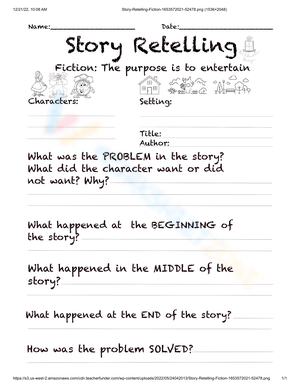
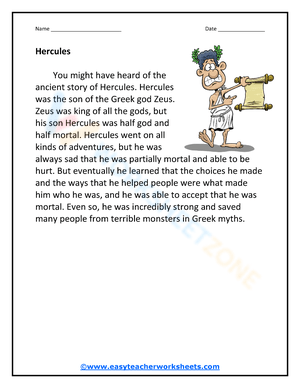
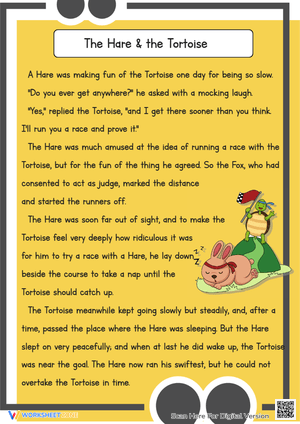
Retelling a story worksheets ask students to reconstruct a text in their own words, naming the characters, setting, problem, key events, and resolution in the order they happened. For K-2 readers, that skill sits at the center of early comprehension: a child who can retell a story with key details is showing you they tracked meaning, not just decoded the words on the page. These printable pages give teachers a structured way to make that invisible thinking visible during guided reading, literacy centers, and intervention blocks.
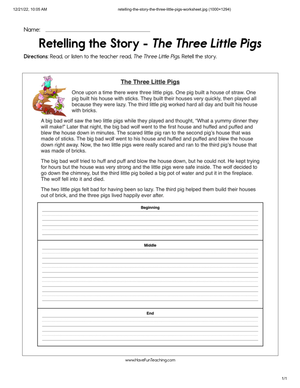
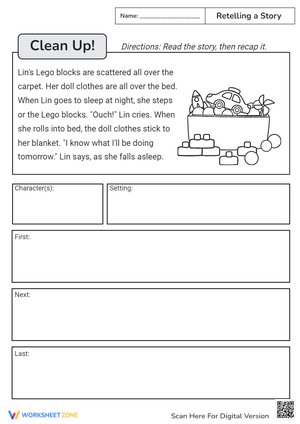
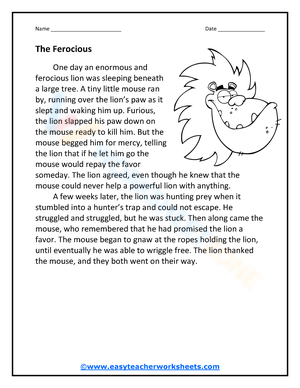
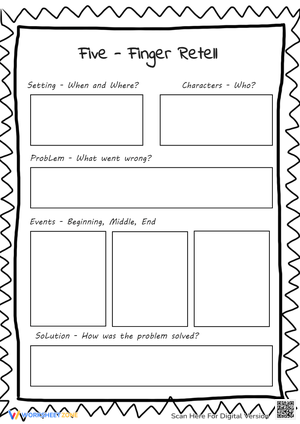
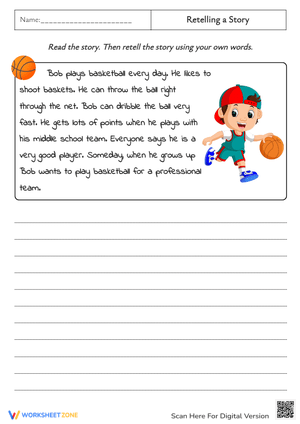
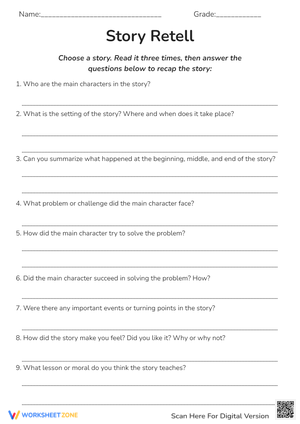
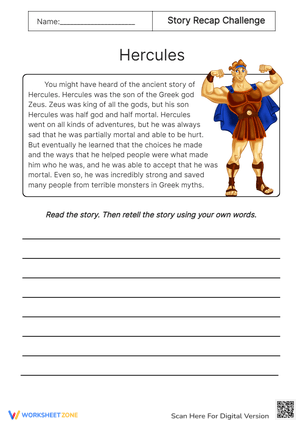
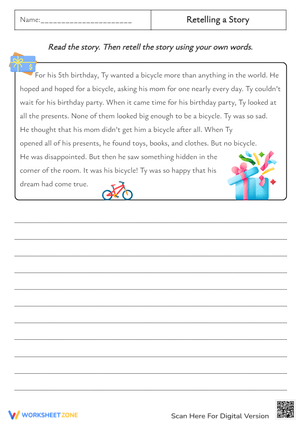
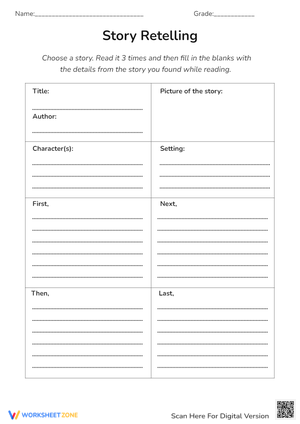
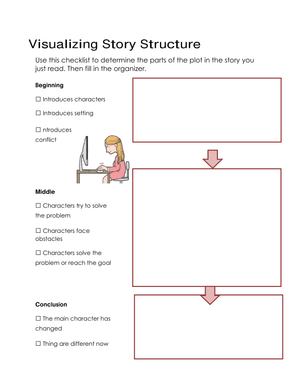
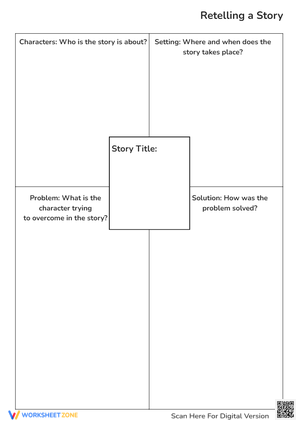
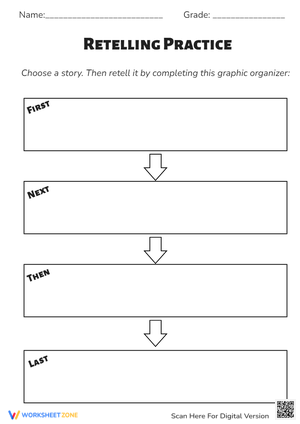
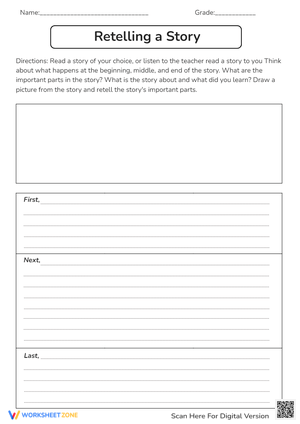
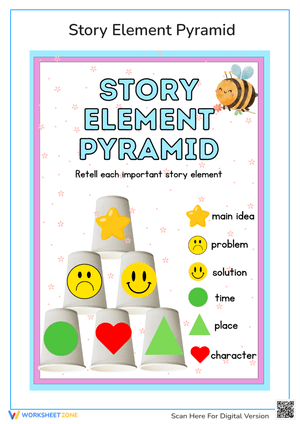
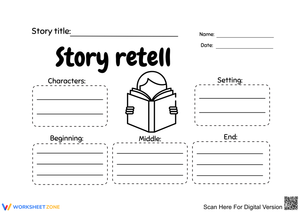
Most worksheets pair a graphic organizer with a sequencing task. Students might fill boxes for character, setting, problem, events, and solution, or arrange picture cards and sentence strips in first, next, then, last order. The specific format matters less than the routine it supports: consistent practice retelling short, familiar texts before students are asked to recount stories independently or move on to written summaries.
How These Worksheets Align to K-2 Reading Standards
Retelling is one of the few skills that appears at every grade in the early Reading Literature strand, which is why it anchors so much K-2 planning. The standards describe a clear progression from supported retelling toward independent recounting, and good worksheets are built to match that arc.
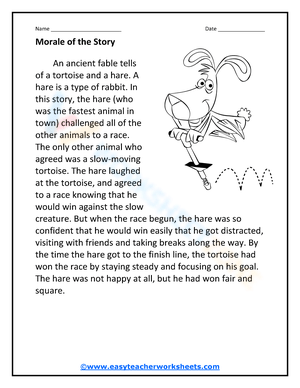
CCSS.ELA-LITERACY.RL.K.2 asks kindergartners to retell familiar stories, including key details, with prompting and support. By first grade, RL.1.2 expects students to retell stories, including key details, and demonstrate understanding of their central message or lesson. RL.2.2 raises the bar again: second graders recount stories, including fables and folktales from diverse cultures, and determine the central message, lesson, or moral.
According to the Common Core Reading Literature standards, retelling scales across three grade levels: RL.K.2 requires kindergartners to retell familiar stories with prompting and support, RL.1.2 adds understanding of the central message in grade 1, and RL.2.2 extends to recounting fables and folktales by grade 2, a three-year arc toward independence.
Using Retelling Worksheets in Small-Group Instruction
Retelling worksheets earn their keep during guided reading rotations. After a small group reads a short decodable or leveled text, hand each student the same organizer and listen as they fill it in. Because the pages are quick, you can run them as a formative check without stealing time from the reading itself.
In an intervention setting, the worksheet becomes a shared reference point. When a student stalls, you can point to the empty problem box and ask, what went wrong for the character? That targeted prompt is far more useful than a general reminder to keep going, and it keeps the group anchored to the same structure day after day.
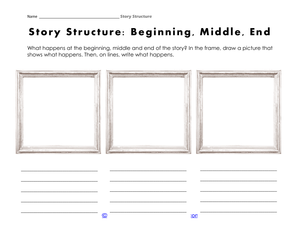
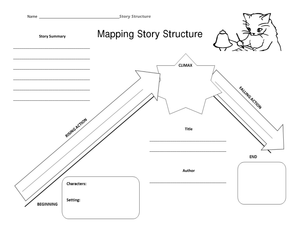
Rotate the difficulty by swapping the organizer, not the whole routine. One student might use a picture-card beginning-middle-end sheet while another at the same table uses a five-box story map, so every reader practices retelling at the right level in the same twelve-minute window.
Classroom Implementation
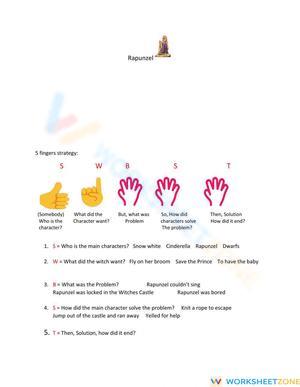
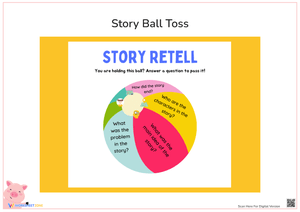
A few concrete routines make these worksheets stick. A retelling rope, with beads or knots the student touches for beginning, middle, and end, gives kinesthetic learners a physical anchor before they write. Hand-and-finger cues work the same way: one finger per event, counted aloud, then transferred to the page.
Picture-card sequencing is a strong center activity. Students order the cards, retell the story to a partner, then glue the cards onto the worksheet in the correct sequence and add a sentence under each. The talk comes first, the writing second, which protects the comprehension goal from turning into a handwriting task.
Model the whole process with a shared read before you expect independent work. Think aloud as you fill one organizer under the document camera, naming the character and the problem out loud, then release the class to try the next story in pairs. Keep a small stack of blank organizers in your guided reading area so the routine is always ready to go.
Retelling vs. Summarizing in Early Literacy
The most common planning mistake is treating retelling and summarizing as the same skill on different worksheets. They are not. Retelling is comprehensive and sequential, students report the key details in order, while summarizing is selective and prioritized, students decide which details matter most. K-2 standards deliberately stop at retelling and central message because young readers need to hold the full sequence before they can judge importance. Pushing kindergartners to summarize skips the developmental step that retelling worksheets are designed to build, and it often produces vague, one-line responses that mask real comprehension gaps.
Practically, that means a strong K-2 sequence keeps students retelling every detail for months before asking them to shorten anything. The Somebody-Wanted-But-So-Then map is a useful bridge because it still captures the whole arc while gently forcing choices about what to name, but it is a bridge, not a summarizing worksheet in disguise.
Frequently Asked Questions
1. What grade levels are retelling a story worksheets appropriate for?
They fit best in kindergarten through grade 2, matching the Reading Literature standards from RL.K.2 to RL.2.2. Kindergartners work with heavy support and picture prompts, while second graders retell fables and folktales more independently.
2. How do retelling worksheets align with CCSS reading standards like RL.1.2 and RL.2.2?
RL.1.2 asks first graders to retell stories with key details and identify the central message, and RL.2.2 asks second graders to recount stories, including fables and folktales, and determine the lesson or moral. Worksheets that capture sequence plus central message align to both.
3. What's the difference between retelling and summarizing in early literacy instruction?
Retelling reports all the key details in order, while summarizing selects only the most important ones. K-2 standards focus on retelling and central message first, because young readers need to hold the full sequence before deciding which details matter most.
4. How can teachers use retelling worksheets in small-group or intervention settings?
Use them as a quick formative check after a guided reading text. Give each student the same organizer, listen as they fill it in, and point to specific boxes, like the problem or solution, to prompt readers who stall. Swap organizer difficulty to differentiate within one group.












 Interactive Worksheet Maker
 Quiz Maker
 Word Search Maker
 Crossword Puzzle Maker
 Word Scramble Generator
 Sentence Scramble Generator
 Handwriting Worksheet Generator
 Name Tracing Generator
 Fill In The Blank Generator