Identifying the Intent Behind Fictional Narratives
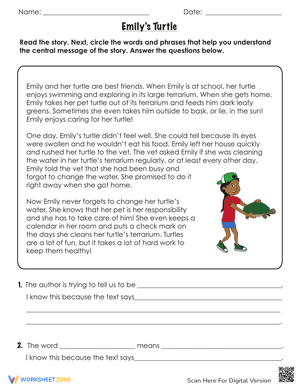
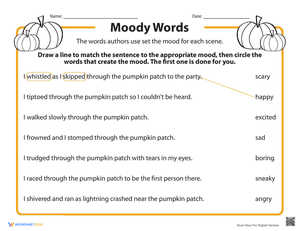
While many students quickly learn that nonfiction writers aim to inform, identifying the nuance within fictional narratives requires a more sophisticated approach. When teachers introduce author's purpose in fiction printable worksheets, they provide students with the structural tools needed to look beyond the plot. Instead of simply asking what happened, these resources encourage students to ask why the story was told in the first place.
Fiction writers often have layers of intent that may not be immediately obvious. While a story about a talking animal might seem purely for amusement, the author might also be trying to persuade the reader to value friendship. By using targeted worksheets, teachers can help students identify these overlapping purposes. This process transforms reading from a passive activity into an active search for meaning, which is essential for developing deep comprehension skills that will serve students throughout their academic careers.
The PIE Model Applied to Creative Writing
The PIE acronym (Persuade, Inform, Entertain) is a staple in literacy classrooms because it provides a clear framework for categorization. However, applying this model to fiction requires a specific lens. In most cases, the primary goal of fiction is to entertain, but that does not mean the other elements are absent. Effective instruction involves showing students how these three purposes often coexist within a single narrative.
Persuade
In fiction, persuasion is often embedded in the theme or the moral of the story. An author might use a protagonist's journey to persuade the reader that honesty is the best policy. When students use author's purpose in fiction worksheets, they practice identifying these themes by looking at how characters are rewarded or punished for their choices. This helps them understand that fiction can be a powerful tool for shaping opinions and values.
Inform
Historical fiction and realistic fiction are excellent vehicles for learning. An author might write a story set during the Great Depression to inform readers about the daily struggles of that era. By analyzing fictional texts through the inform lens, students learn to distinguish between the invented plot and the factual background. This dual-purpose reading is a sophisticated skill that bridges the gap between literary and informational text analysis.
Entertain
Entertainment is the heartbeat of fiction, achieved through suspense, humor, and relatable characters. Most author's purpose in fiction printable worksheets focus on this category as it is the most common intent for storytellers. Students learn to identify entertainment when the text's main effect is to evoke an emotional response—whether that is laughter, excitement, or empathy. Understanding this as a valid and significant goal helps students develop a lifelong love for reading.
Research-Based Evidence for Teaching Reading Intent
Identifying an author's purpose is a core reading strategy that requires students to analyze text clues. They note that over 75 percent of successful readers use inferential thinking to determine if a writer intends to entertain or persuade, which directly supports long-term comprehension growth in elementary education.
Instructional clarity is improved when students have concrete examples. Literacy blocks that include dedicated time for identifying intent help close the gap for struggling readers. By using Worksheetzone materials, teachers can offer a variety of short passages that highlight different purposes, allowing for repeated practice. This consistent exposure builds the mental muscle required for more advanced literary criticism in higher grade levels.
Evidence-Based Strategies for Character-Driven Analysis
Advanced literary analysis in fictional texts often reveals that an author's primary purpose—to entertain—is frequently overlaid with secondary goals, such as thematic persuasion or historical information. When students move beyond the basic PIE acronym, they begin to notice how an author uses character development to argue for a specific moral stance, effectively merging entertainment with a subtle persuasive intent. This intersection is where the most profound student realizations occur, as they begin to see the author as a deliberate architect of experience.
To support this level of thinking, teachers should encourage students to look for 'authorial intrusion'—moments where the writer's voice seems to step out of the story to make a point. This could be a philosophical observation from the narrator or a weighted piece of dialogue. When students identify these moments on their worksheets, they are decoding the author's world view. This level of analysis is essential for developing critical thinking skills that extend far beyond the English Language Arts classroom.
Another effective strategy is to compare two stories with similar plots but different purposes. For example, a fable and a modern short story might both feature a character who learns a lesson about greed. However, the fable's purpose is almost entirely persuasive, while the short story might lean more toward entertainment. By contrasting these texts, students learn that the 'how' of the writing is often dictated by the 'why'. Worksheetzone provides the variety of texts needed to make these comparisons possible in a standard class period.
Classroom Implementation
Integrating author's purpose in fiction printable worksheets into your daily routine is straightforward. Here are several practical ways to use these resources effectively in your classroom:
- Morning Work: Start the day with a short passage and a question about the author's intent. This keeps the concept fresh and provides a quick formative assessment.
- Small Group Intervention: Use targeted worksheets for students who struggle with inference. Talk through the clues together, modeling the thinking process.
- Literacy Centers: Place a variety of stories and worksheets in a center. Challenge students to find examples for each PIE category, encouraging independent practice.
- Exit Tickets: After a read-aloud, give students a quick worksheet to identify the purpose. This provides immediate feedback on lesson comprehension.
- Writer's Workshop: Have students use worksheets to plan their own stories, deciding on their primary purpose before they start writing.
Consistency is key to success. By making the identification of purpose a regular part of reading discussions, you help students internalize the process. They will start to ask 'Why did the author write this?' naturally. Worksheetzone offers the breadth of materials needed to support this ongoing instruction throughout the school year.
Scaffolding Instruction for Diverse Learners
Every classroom has a wide range of reading abilities, and teaching abstract concepts like author's purpose requires careful scaffolding. For students just beginning to master this skill, start with clear, high-contrast examples. A joke book versus a how-to guide provides a solid foundation. Once they understand these extremes, you can introduce the more nuanced world of fiction where purposes often overlap.
For English Language Learners (ELLs), visual aids are helpful. Pair your author's purpose in fiction worksheets with anchor charts that use icons for PIE. Providing sentence stems like 'The author wrote this because...' can help these students express their thinking. Scaffolding means providing the temporary supports needed for every student to reach the same high standard of analysis.
Advanced students can be challenged by asking them to identify multiple purposes within a single text and rank them by importance. Asking them to justify their choices using text evidence pushes them into higher-order thinking. By providing worksheets with varying levels of complexity, Worksheetzone ensures you can meet every student where they are and help them grow into confident, capable readers.
Frequently Asked Questions
1. Why is the 'PIE' method used to teach author's purpose?
The PIE acronym is popular because it is simple and covers the vast majority of writing intents. By breaking down motivations into Persuade, Inform, and Entertain, teachers provide students with an accessible entry point into literary analysis. It serves as a reliable foundation that students can build upon as they encounter more sophisticated texts in later grades.
2. How is identifying purpose in fiction different from nonfiction?
In nonfiction, the purpose is often explicit. In fiction, it is usually implicit and must be inferred through character development, theme, and tone. While a nonfiction author might explain how a process works, a fiction author will show the impact of an event on a character to entertain the reader or perhaps inform them about human resilience.
3. At what grade level should teachers start using these worksheets?
Instruction can begin in early grades with oral discussions. Formal practice with author's purpose in fiction printable worksheets typically begins in second or third grade as students become more independent. The complexity of the texts and the depth of the analysis should increase each year, moving toward evaluation of multiple overlapping purposes.
4. Can a story have more than one purpose?
Yes, many stories have multiple purposes. A fictional story about a historical event aims to both entertain and inform. Similarly, a fable aims to entertain while also persuading the reader to follow a moral lesson. Helping students recognize these dual purposes is an important step in their development as sophisticated readers.
5. How do these worksheets help with standardized testing?
Many standardized tests include questions about the author's intent. Regular practice with printable worksheets familiarizes students with the phrasing of these questions and the types of evidence they need to find. By developing these skills in a low-stakes environment, students build the confidence necessary to succeed on formal assessments.















 Interactive Worksheet Maker
 Quiz Maker
 Word Search Maker
 Crossword Puzzle Maker
 Word Scramble Generator
 Sentence Scramble Generator
 Handwriting Worksheet Generator
 Name Tracing Generator
 Fill In The Blank Generator