


























Views
Downloads

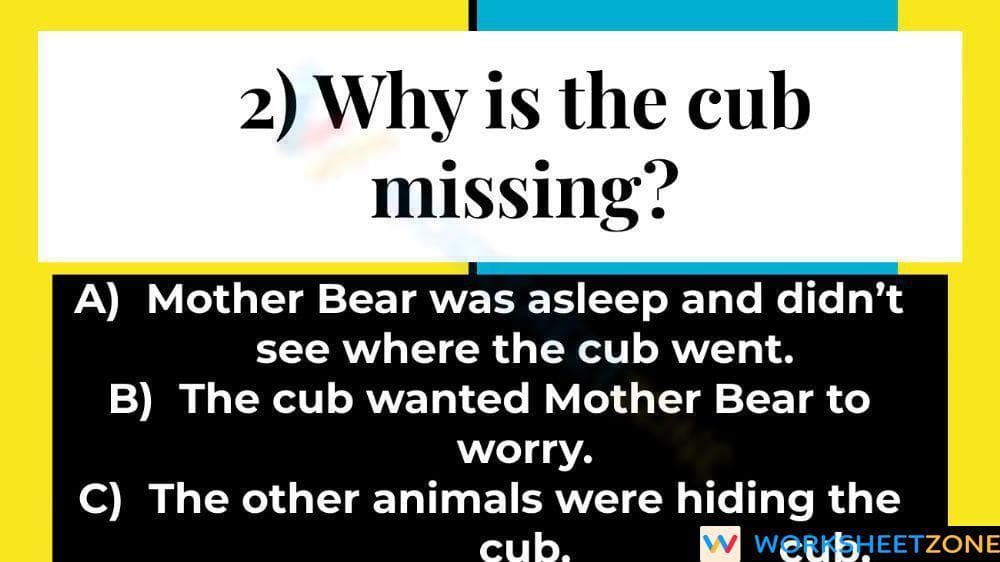
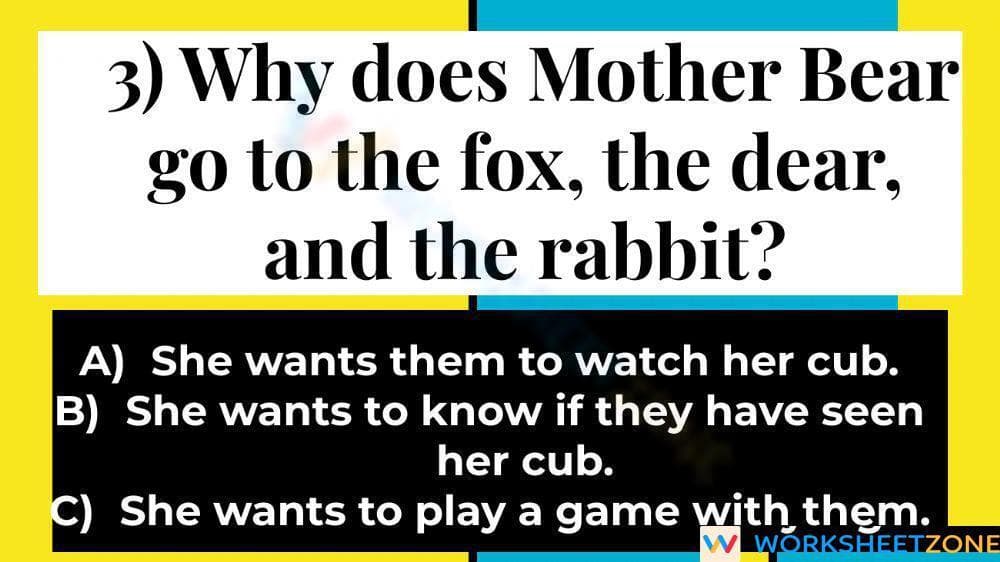
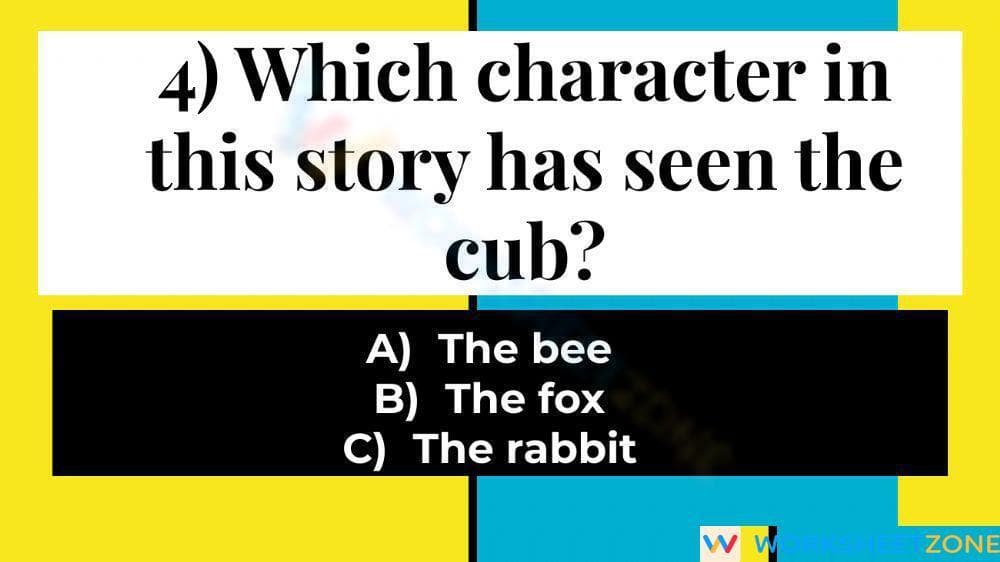
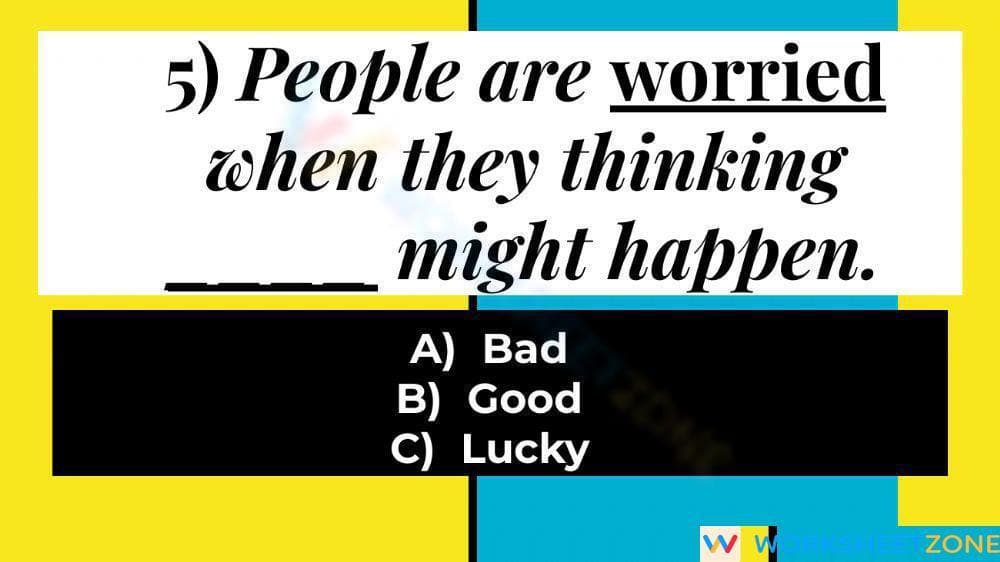

Grade 2 Where is Cub? Quiz — Printable Essential Worksheet
Paste this activity's link or code into your existing LMS (Google Classroom, Canvas, Teams, Schoology, Moodle, etc.).
Students can open and work on the activity right away, with no student login required.
You'll still be able to track student progress and results from your teacher account.
This "Where is Cub? Quiz" provides a structured way for Grade 2 students to demonstrate reading comprehension after finishing the story. By focusing on key details and character motivations, students strengthen their ability to cite text-based evidence. This essential resource simplifies assessment while ensuring students meet core literacy milestones effectively and confidently.
At a Glance
- Grade: 2 · Subject: English Language Arts
- Standard:
CCSS.ELA-LITERACY.RL.2.1— Ask and answer questions to demonstrate understanding of key details in a text- Skill Focus: Character motives and story details
- Format: 5 pages · 5 problems · Answer key included · PDF
- Best For: Post-reading assessment and comprehension check
- Time: 10–15 minutes
This printable packet contains five targeted multiple-choice questions, each presented on a high-contrast page for maximum readability. The layout minimizes distractions, helping young readers focus entirely on text-based evidence. A comprehensive answer key is included, allowing for immediate feedback or rapid grading of student responses during independent practice or literacy station rotations.
Implementing this quiz takes less than two minutes of teacher time. First, print the PDF (1 minute) and distribute it after your "Where is Cub?" read-aloud. Second, allow students ten minutes to independently select answers. Finally, review responses (1 minute) as a whole group. This zero-prep workflow makes it an ideal resource for emergency sub-plans or Friday assessments.
Standards Alignment
This worksheet aligns with CCSS.ELA-LITERACY.RL.2.1, requiring students to ask and answer questions about key details. By questioning why the cub is missing and which characters were involved, the resource provides direct evidence of student mastery. Both standard codes can be copied directly into lesson plans, IEP goals, or district curriculum mapping tools to ensure consistent alignment across all instructional documents.
How to Use It
Use this quiz as a summative assessment at the conclusion of a guided reading group to gauge individual understanding. It also serves as an excellent formative "exit ticket" following a whole-class reading. Observe if students flip back through the book to find evidence, which is a vital indicator of developing reading strategies and mastery of narrative text structures.
Who It's For
This resource is tailored for second-grade students but works effectively for Grade 3 or 4 students requiring scaffolding in reading comprehension or English language support. The clear sentence structures and multiple-choice format make it an ideal pairing with the original picture book, providing necessary support for diverse learners to succeed in general education or special education settings.
The "Where is Cub? Quiz" aligns with the ScienceDirect TpT Analysis (2024) regarding the effectiveness of structured, narrow-focus assessments in early elementary literacy. Research indicates that low-stakes comprehension checks following a shared reading experience significantly improve retention of narrative structure and character development. By utilizing multiple-choice formats specifically targeting the CCSS.ELA-LITERACY.RL.2.1 standard, teachers can more accurately identify gaps in literal comprehension versus inferential reasoning. This specific worksheet provides five distinct data points on a student's ability to recall specific character actions and motives, which are foundational components of the NAEP reading framework for early childhood education. This systematic approach to assessing the plain-English skill of answering "who, what, and why" questions ensures that instructional pivots are based on empirical student performance rather than anecdotal observation.


