


























Views
Downloads




Water Cycle Worksheet (3 Levels) | Grade 5 Ready
Paste this activity's link or code into your existing LMS (Google Classroom, Canvas, Teams, Schoology, Moodle, etc.).
Students can open and work on the activity right away, with no student login required.
You'll still be able to track student progress and results from your teacher account.
This Grade 5 water cycle worksheet gives students structured practice to understand how water moves through Earth's systems. By engaging with diagrams, vocabulary puzzles, and definition tasks, learners will master concepts like evaporation, condensation, and precipitation.
At a Glance
- Grade: 5 · Subject: Science
- Standard:
MS-ESS2-4— Develop a model to describe the cycling of water- Skill Focus: Water Cycle Vocabulary and Processes
- Format: 15 pages · 25 problems · Answer key included · PDF
- Best For: Differentiated science centers
- Time: 30–45 minutes
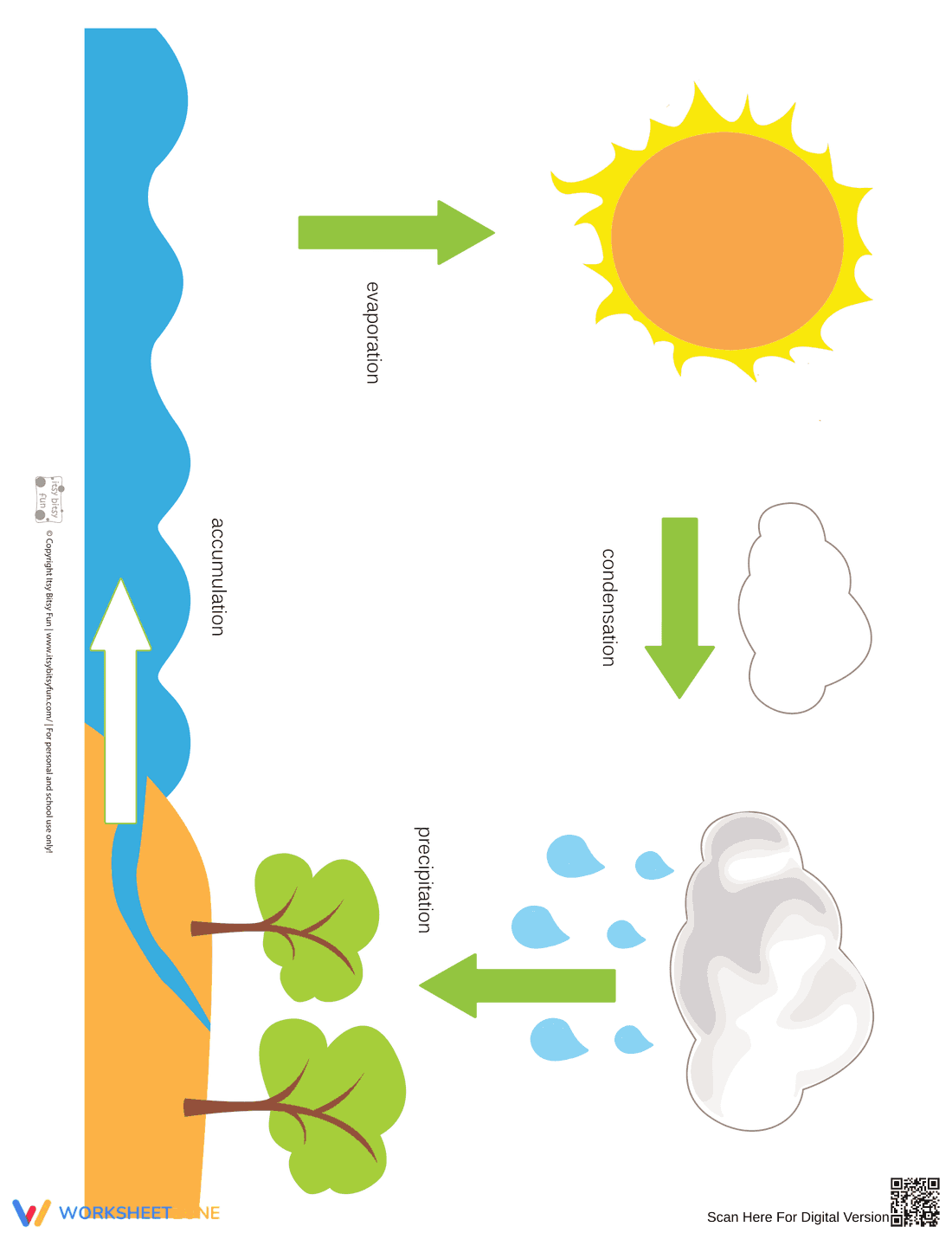
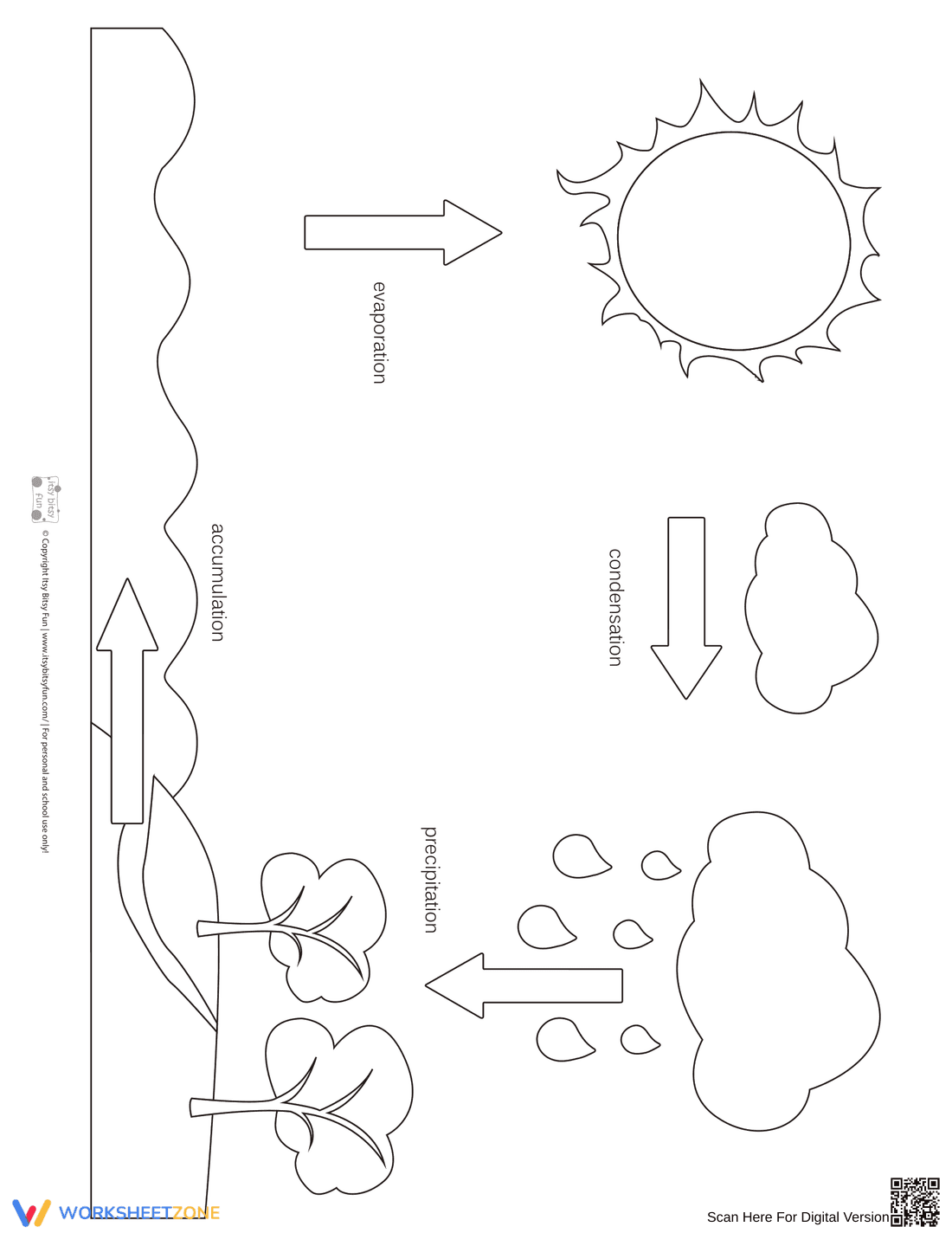
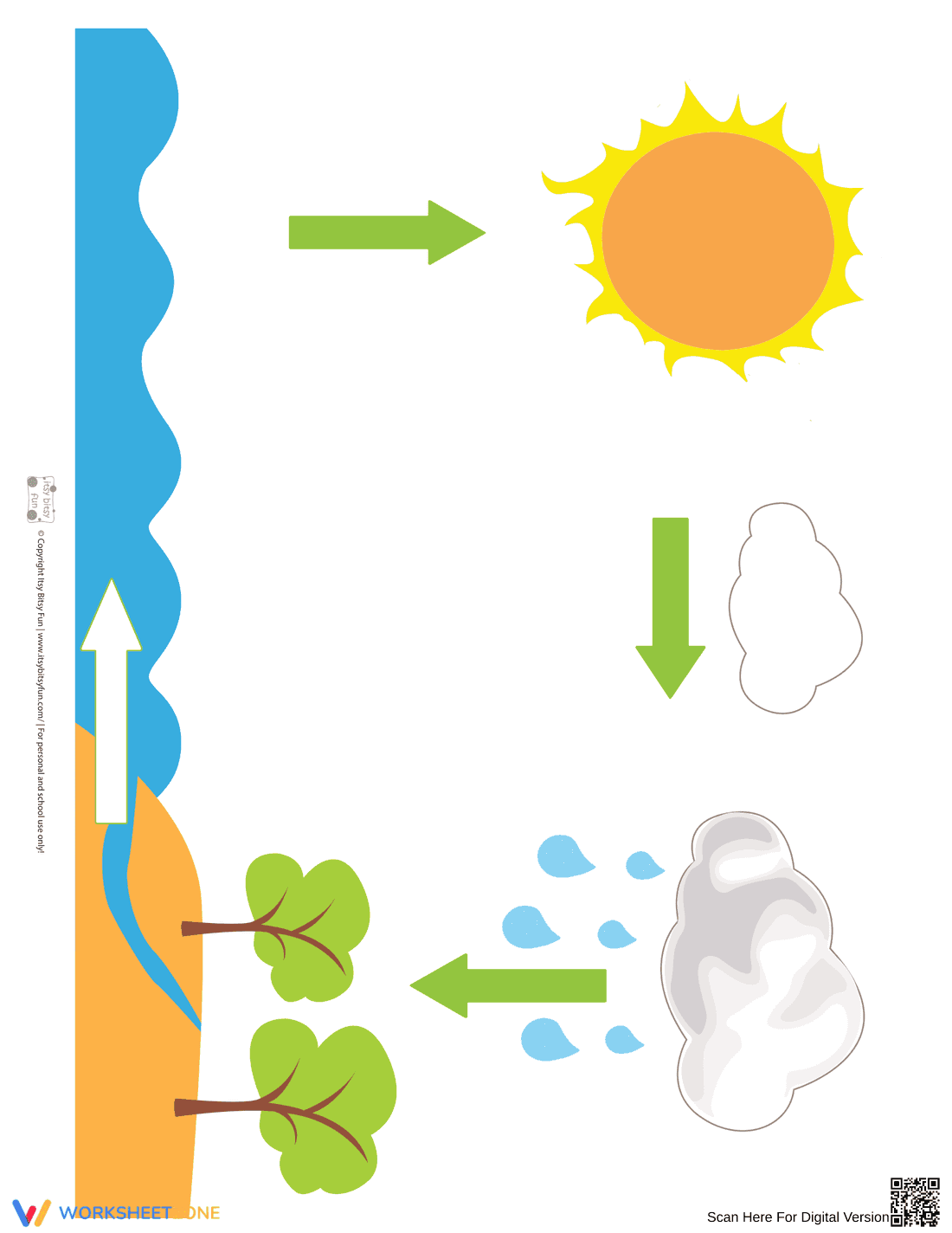
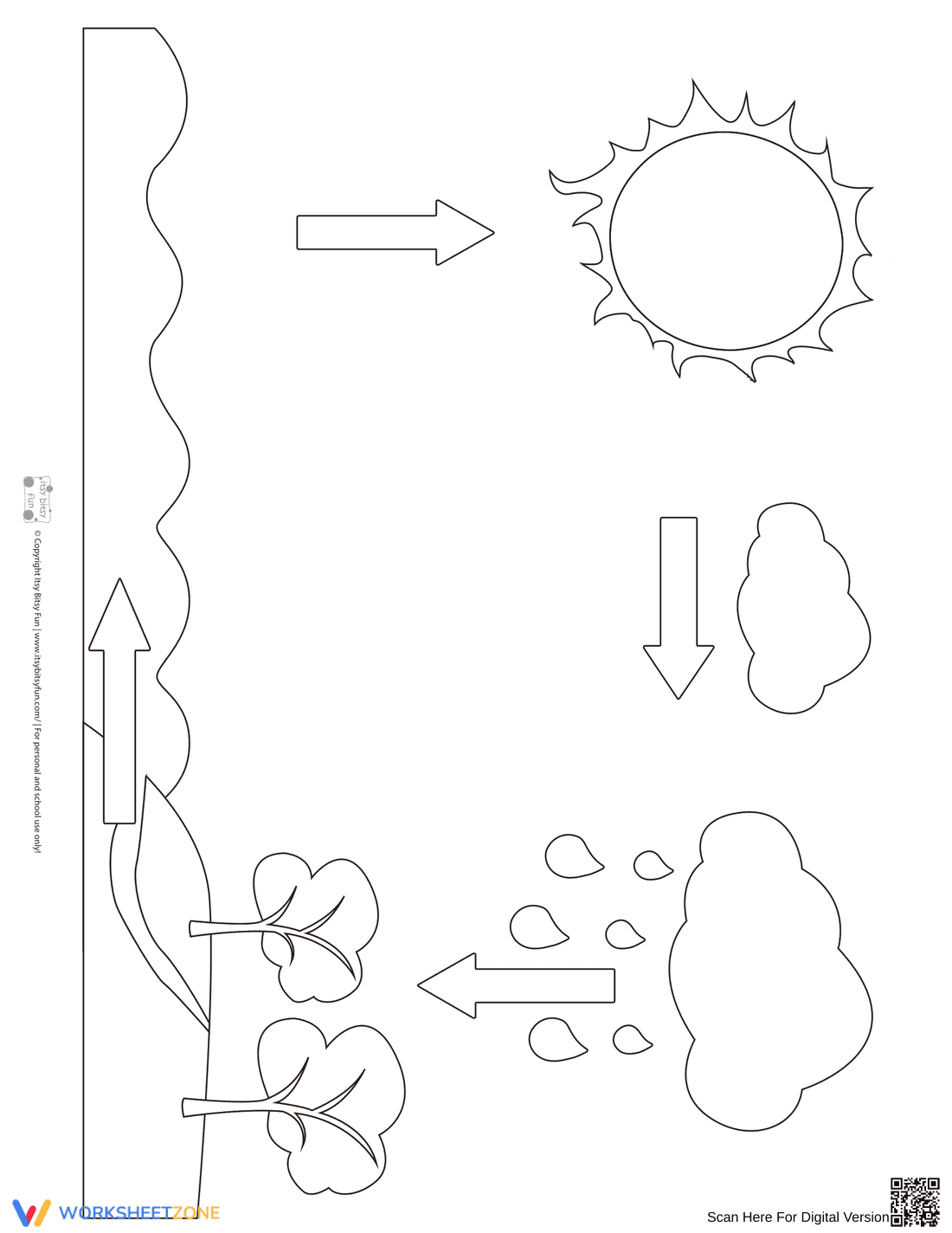
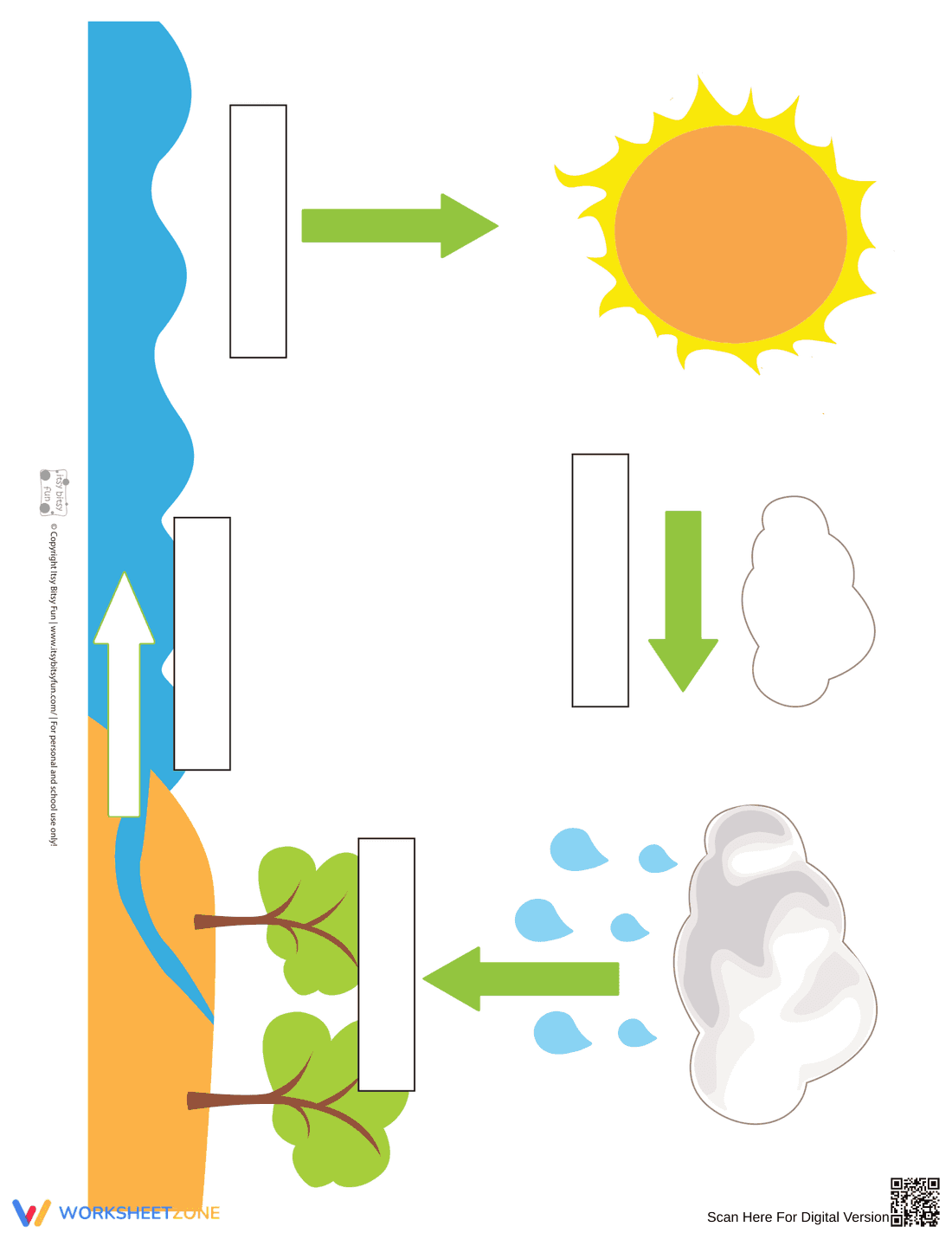
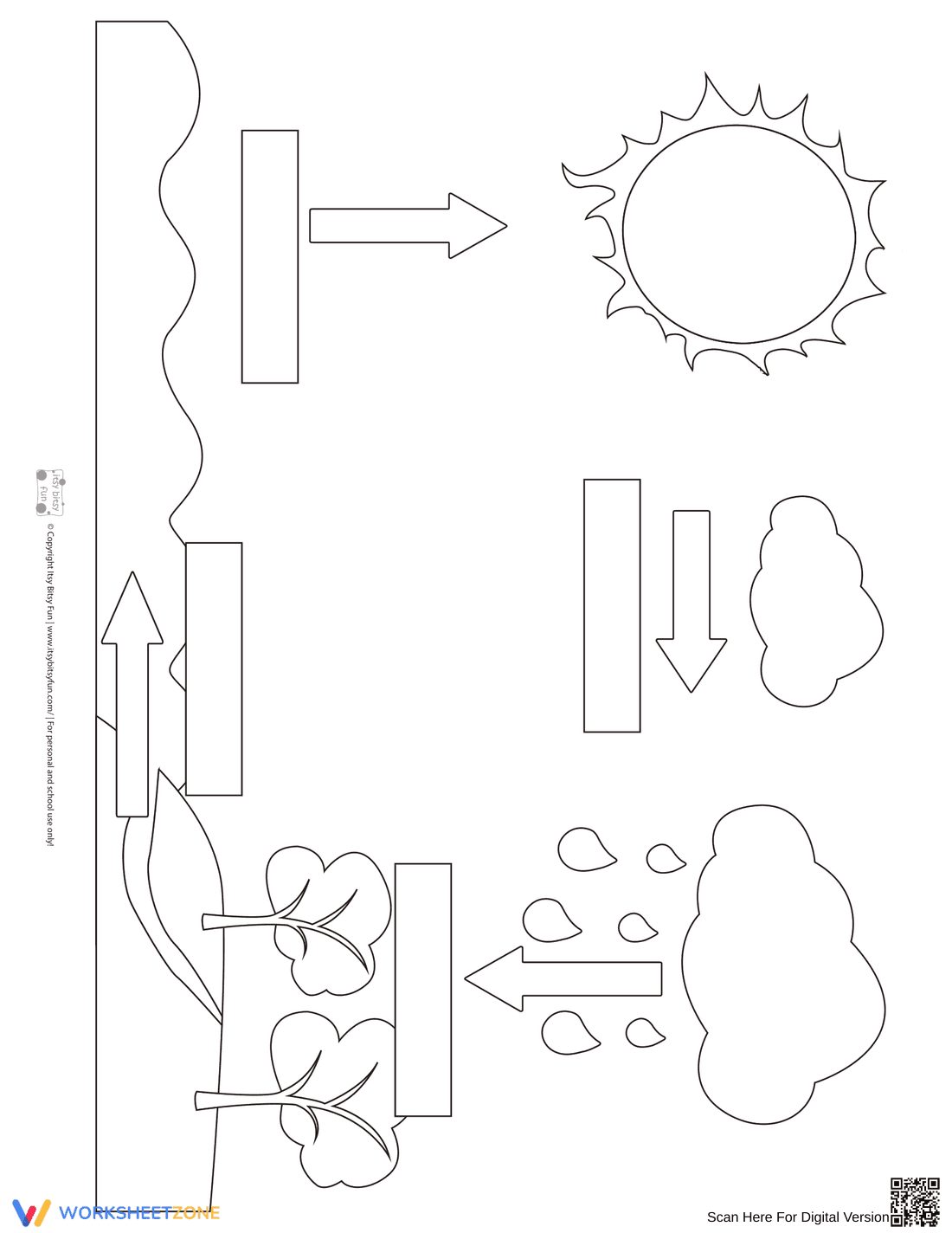
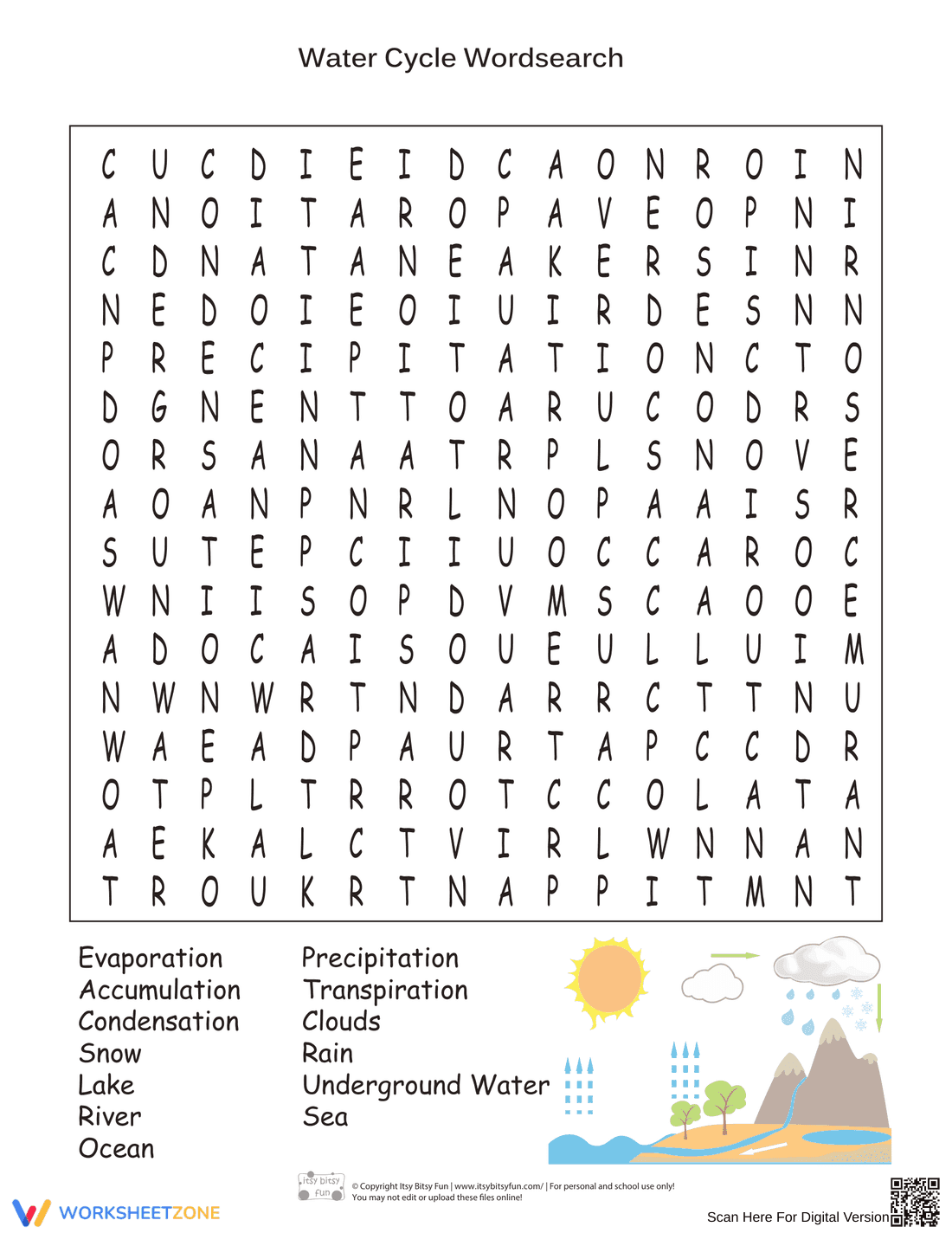
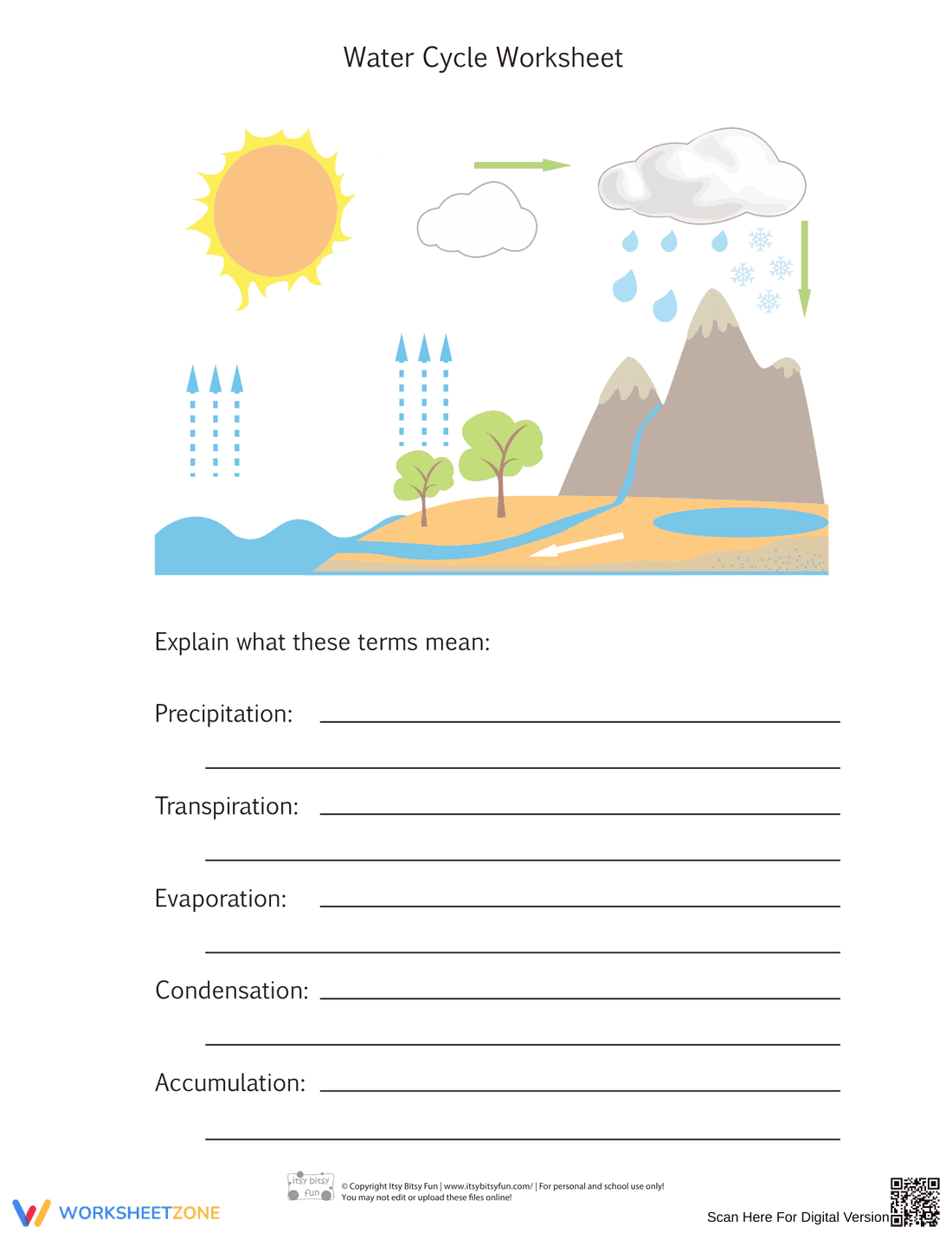
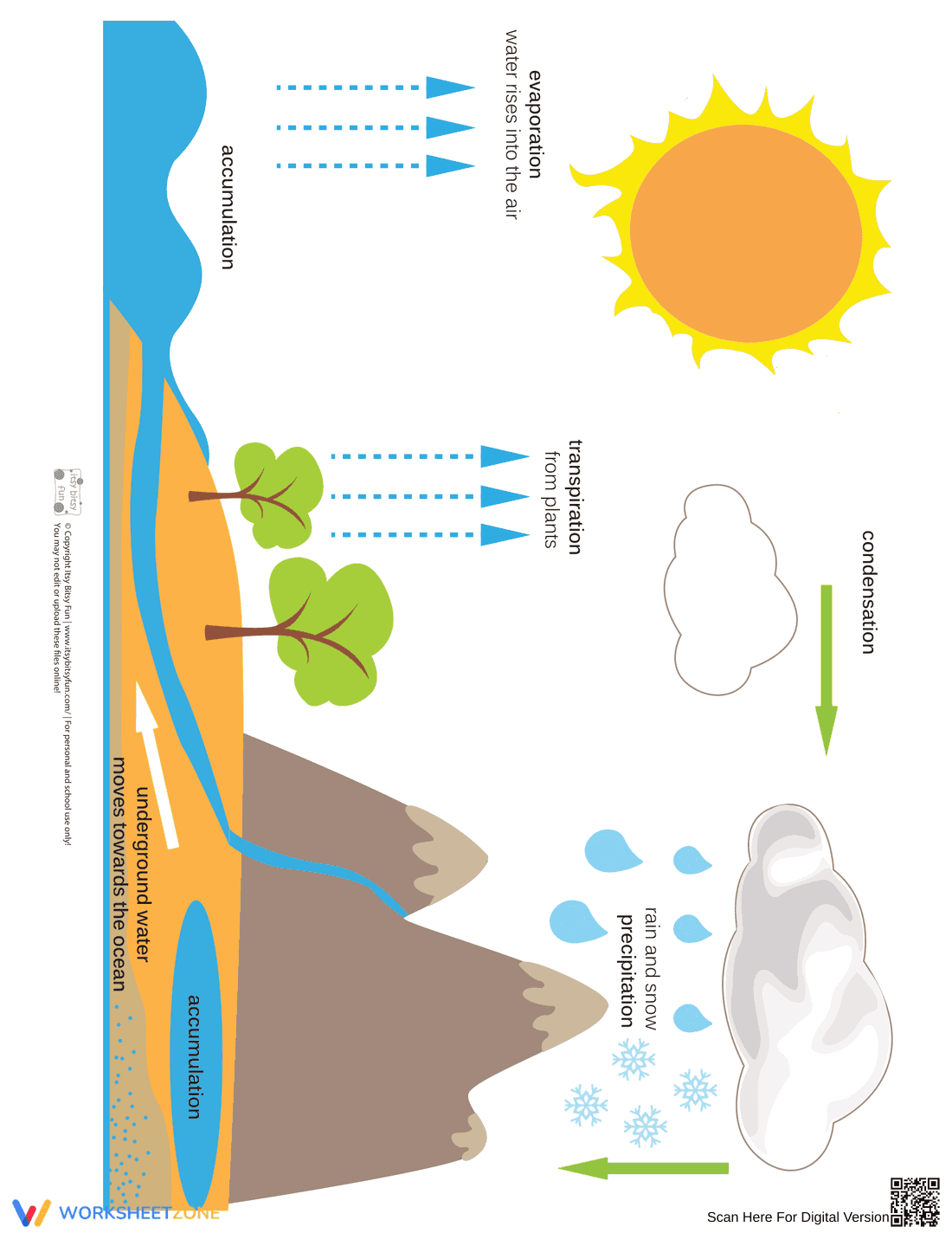
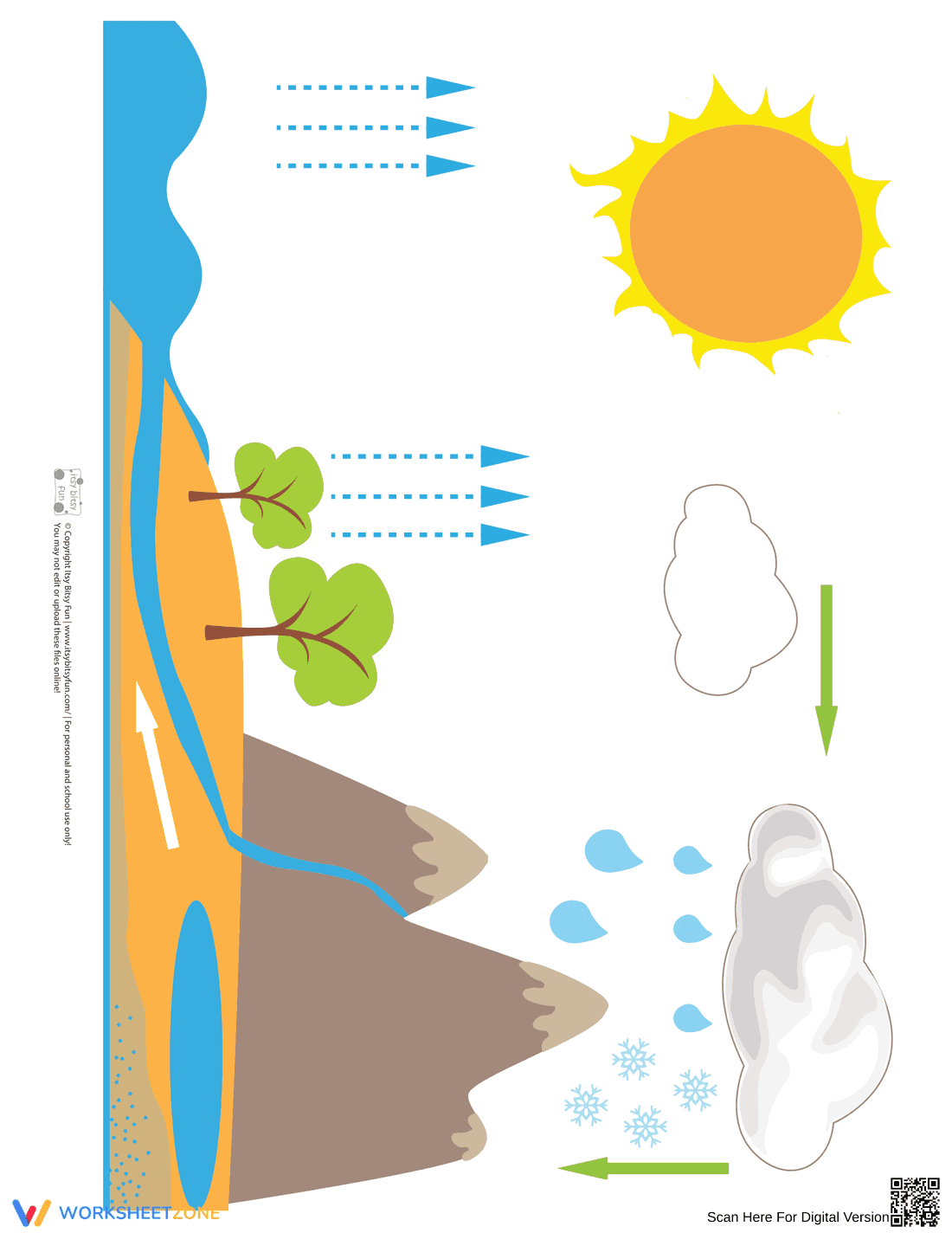
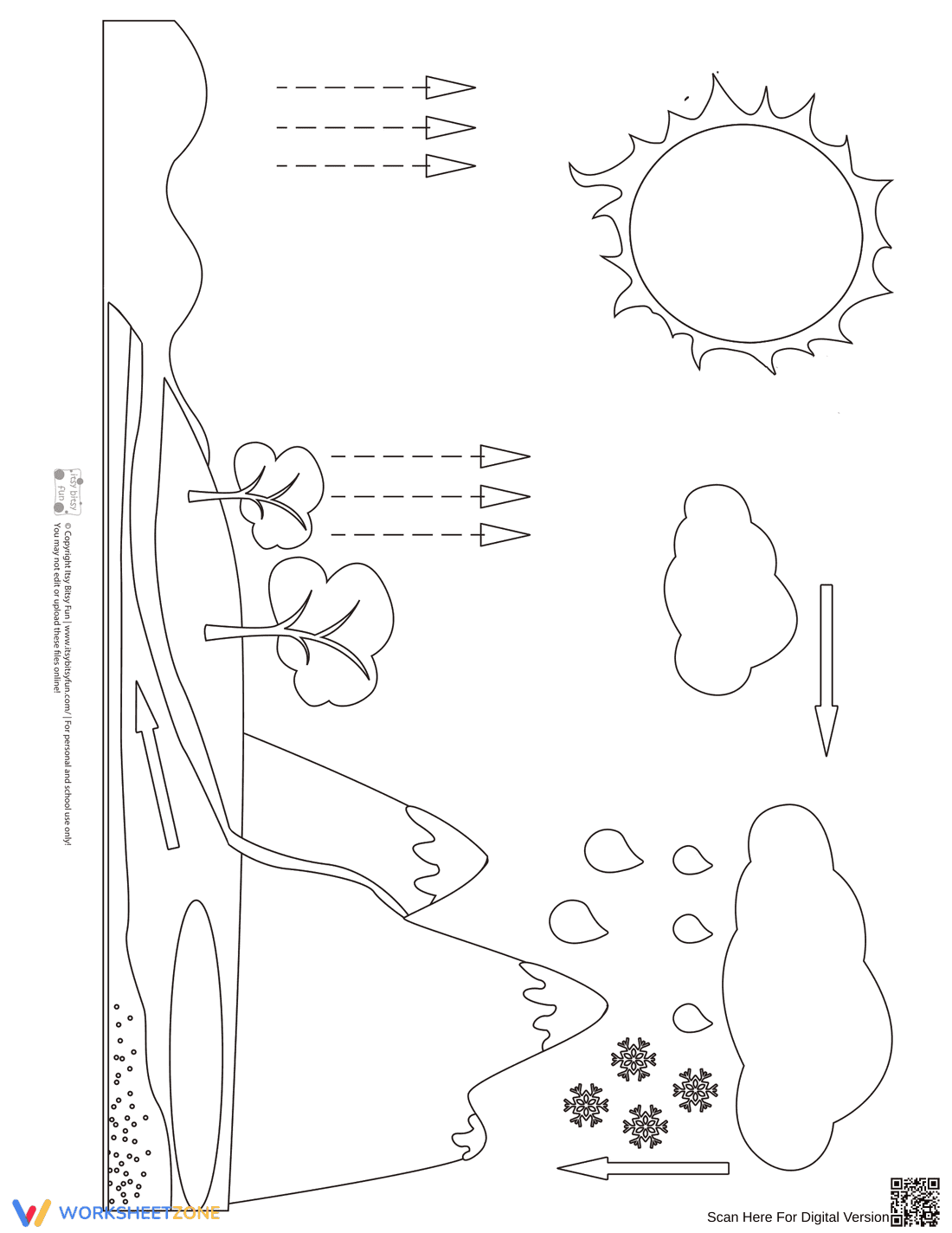
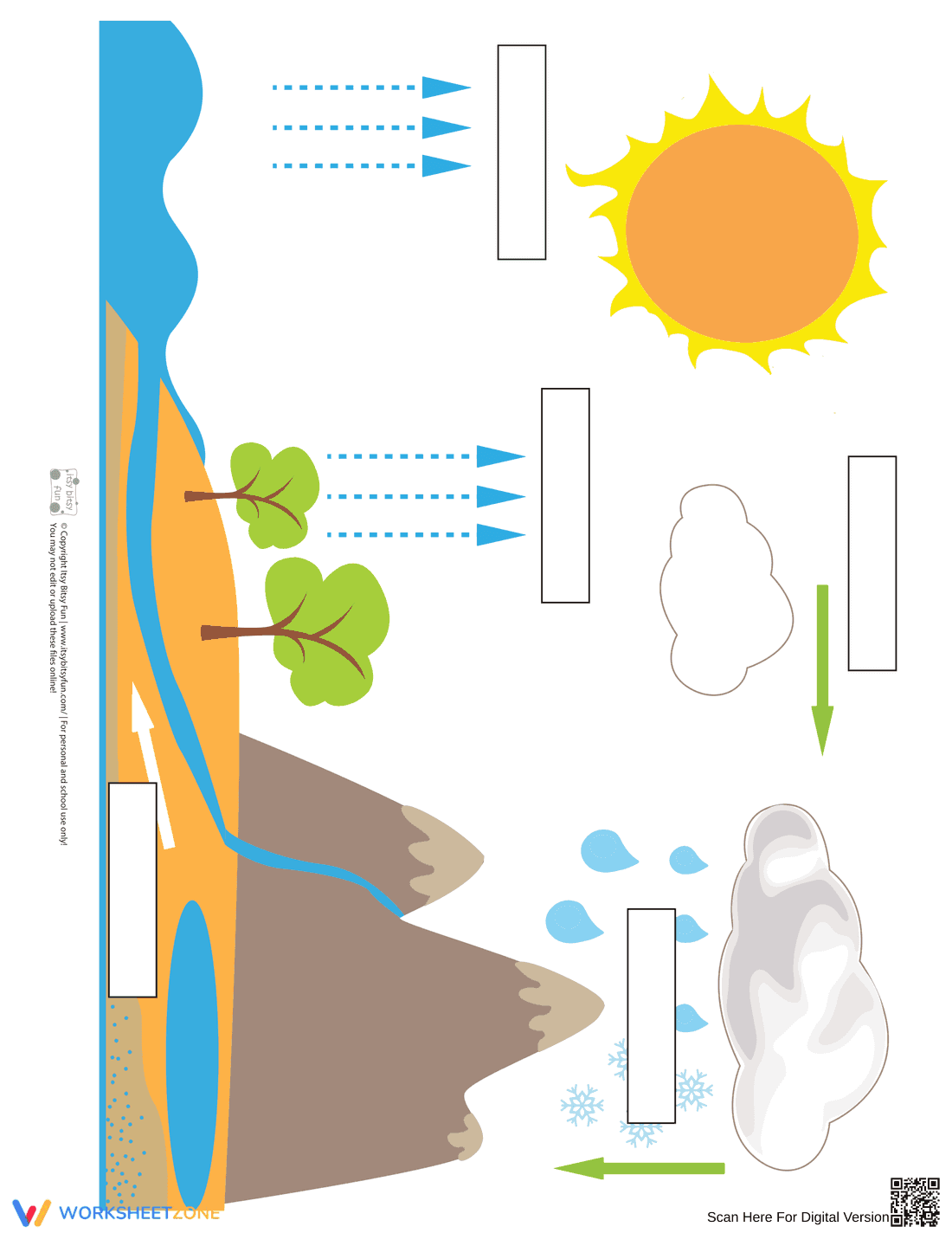
This comprehensive 15-page packet includes a variety of task types to reinforce science vocabulary. Students will find full-color and black-and-white reference posters, fill-in-the-blank diagrams, a 10-clue crossword puzzle, a word search, and a structured page for writing scientific definitions. The labeled posters serve as a built-in answer key for independent checking.
- Below grade: Fully labeled color and black-and-white diagrams provide strong visual scaffolds and serve as reference posters for struggling readers.
- On grade: Fill-in-the-blank diagrams and a targeted word search help students practice identifying key terms like transpiration and accumulation in context.
- Above grade: A crossword puzzle and a blank definition-writing page challenge advanced learners to articulate the processes without a word bank.
All three versions are included to ensure every student can access the material at their instructional level.
Aligned to primary standard MS-ESS2-4: Develop a model to describe the cycling of water through Earth's systems driven by energy from the sun and the force of gravity. This resource also supports foundational vocabulary development for Earth science units. Both standard codes can be copied directly into lesson plans, IEP goals, or district curriculum mapping tools.
Use the labeled diagrams as an anchor chart during direct instruction to introduce the water cycle. Afterward, assign the fill-in-the-blank pages or crossword puzzle as independent practice or a science center activity. For a quick formative assessment, observe whether students can accurately explain the difference between condensation and precipitation on the definition page. Expected completion time is 30 to 45 minutes depending on the selected activities.
Designed for Grade 5 science students, this packet offers built-in differentiation notes for diverse classrooms. The visual supports make it ideal for English Language Learners, while the writing tasks push early finishers. It pairs perfectly with a hands-on evaporation experiment or a direct instruction lesson on weather patterns.
Integrating visual models with vocabulary practice is highly effective for science comprehension. By aligning to MS-ESS2-4, this resource helps students develop a model to describe the cycling of water. According to a ScienceDirect TpT Analysis, differentiated materials that combine visual diagrams with varied retrieval tasks—such as crosswords and fill-in-the-blank exercises—significantly improve long-term retention of domain-specific vocabulary. This multi-level approach ensures that learners not only memorize terms like transpiration and condensation but also understand their conceptual relationships within Earth's systems.


