




























Views
Downloads

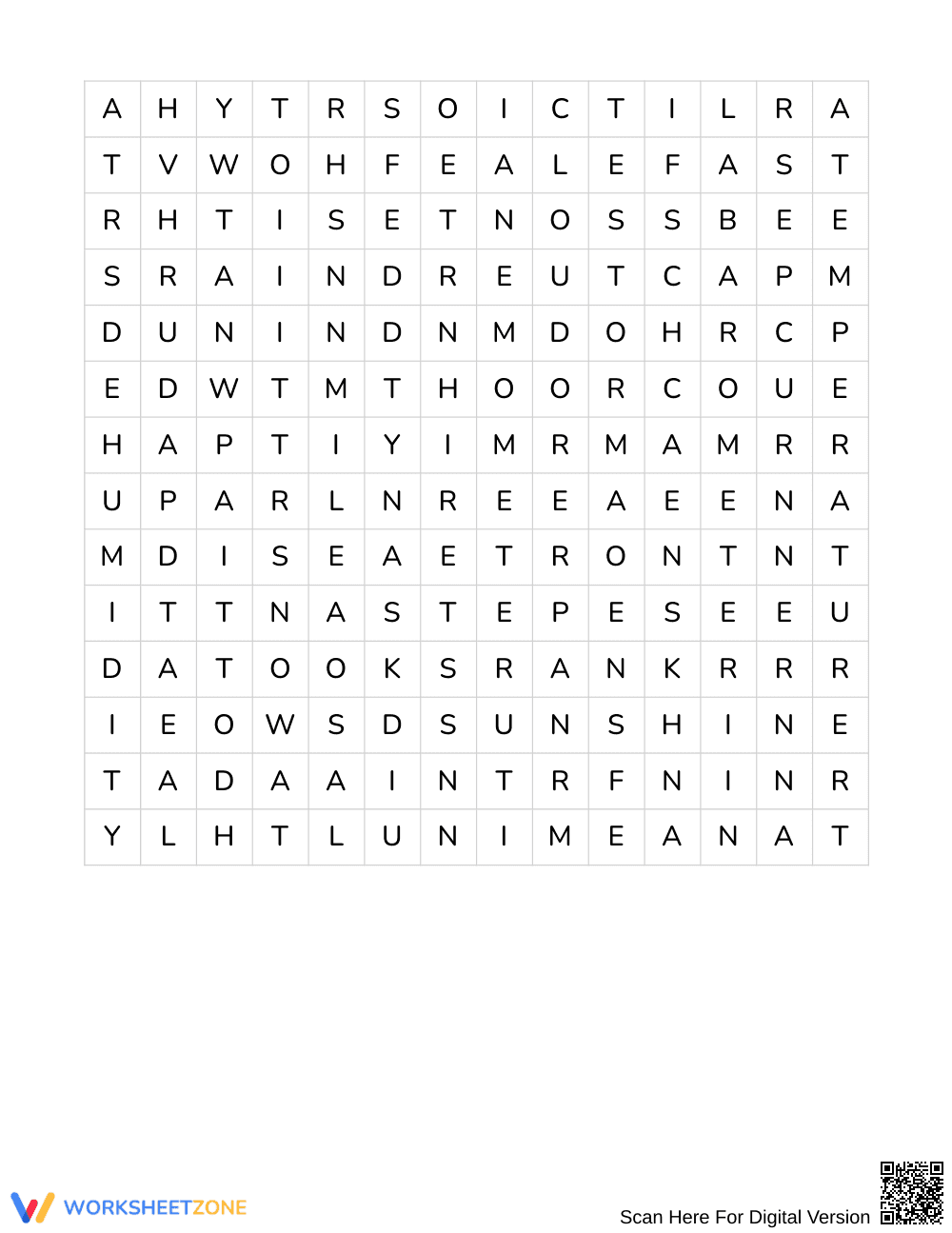

Ready Weather Prediction Word Search | Grades 3–4 Science

Paste this activity's link or code into your existing LMS (Google Classroom, Canvas, Teams, Schoology, Moodle, etc.).
Students can open and work on the activity right away, with no student login required.
You'll still be able to track student progress and results from your teacher account.
This Grades 3–4 weather prediction word search builds essential meteorology vocabulary through targeted word recognition. Students identify and classify 12 key science terms connected to atmospheric conditions, forecasting instruments, and environmental data. It reinforces scientific literacy while engaging learners during Groundhog Day or seasonal weather units.
At a Glance
- Grade: Grades 3–4 · Subject: Science
- Standard: Not standards-assessed — vocabulary enrichment
- Skill Focus: Weather prediction words
- Format: 2 pages · 12 words · Answer key included · PDF
- Best For: Vocabulary review and seasonal science stations
- Time: 15–25 minutes
What's Inside
This 2-page science activity features a category-connected puzzle layout containing 12 target vocabulary words. The word bank groups terms into three core meteorology themes: weather phenomena, measurement tools, and atmospheric measurements. Descriptive clues define each term, reinforcing conceptual understanding alongside letter recognition. A complete answer key shows exact word placements for quick verification.
Puzzle Mechanics
The activity centers on a 14 x 14 letter grid configured with three search directions: East (horizontal left-to-right), Southeast (diagonal downward-right), and South (vertical downward). Students search for 12 hidden words categorized by concept rather than an alphabetical list, prompting learners to link each term to its specific weather domain as they locate it.
Standards Alignment
This word search serves as vocabulary enrichment and is not aligned to a formal state or national standard. Instead of assessing specific science standards, the resource builds background knowledge and reinforces specialized language across third- and fourth-grade weather and climate units.
How to Use It
Integrate this word search during independent station rotations after direct instruction on forecasting tools, or use it as an engaging Groundhog Day entry task. During independent completion, circulate to observe whether students use the category headers and descriptive clues to identify terms. Students typically finish the puzzle within 15 to 25 minutes.
Who It's For
Designed for Grades 3–4 science students, this resource supports general education learners and English language learners needing contextual word exposure. For differentiated support, pair emerging readers with peer partners to locate diagonal placements. It pairs naturally with a classroom weather instrument anchor chart or reading passage on meteorological forecasting.
Explicit exposure to domain-specific terminology strengthens conceptual comprehension in elementary science education. As highlighted by Fisher & Frey (2014), intentional vocabulary acquisition requires structured opportunities for students to encounter, categorize, and apply technical language within meaningful content frameworks. This 2-page weather prediction word search supports orthographic mapping and lexical familiarity by embedding 12 weather prediction words across a 14 x 14 grid. By organizing terms into phenomena, tools, and measurements, the activity prompts learners to associate specialized words like anemometer and barometer with their functional scientific definitions. Rather than treating vocabulary as isolated memorization, thematic puzzle engagement activates prior knowledge and builds linguistic confidence during elementary weather units. Teachers can utilize this enrichment activity to reinforce science literacy while maintaining high student engagement across varied learning environments, ensuring foundational vocabulary is accessible to all students.


