


























Views
Downloads

Fruit Picture Word Matching Worksheet | Grade K-1 Printable
Paste this activity's link or code into your existing LMS (Google Classroom, Canvas, Teams, Schoology, Moodle, etc.).
Students can open and work on the activity right away, with no student login required.
You'll still be able to track student progress and results from your teacher account.
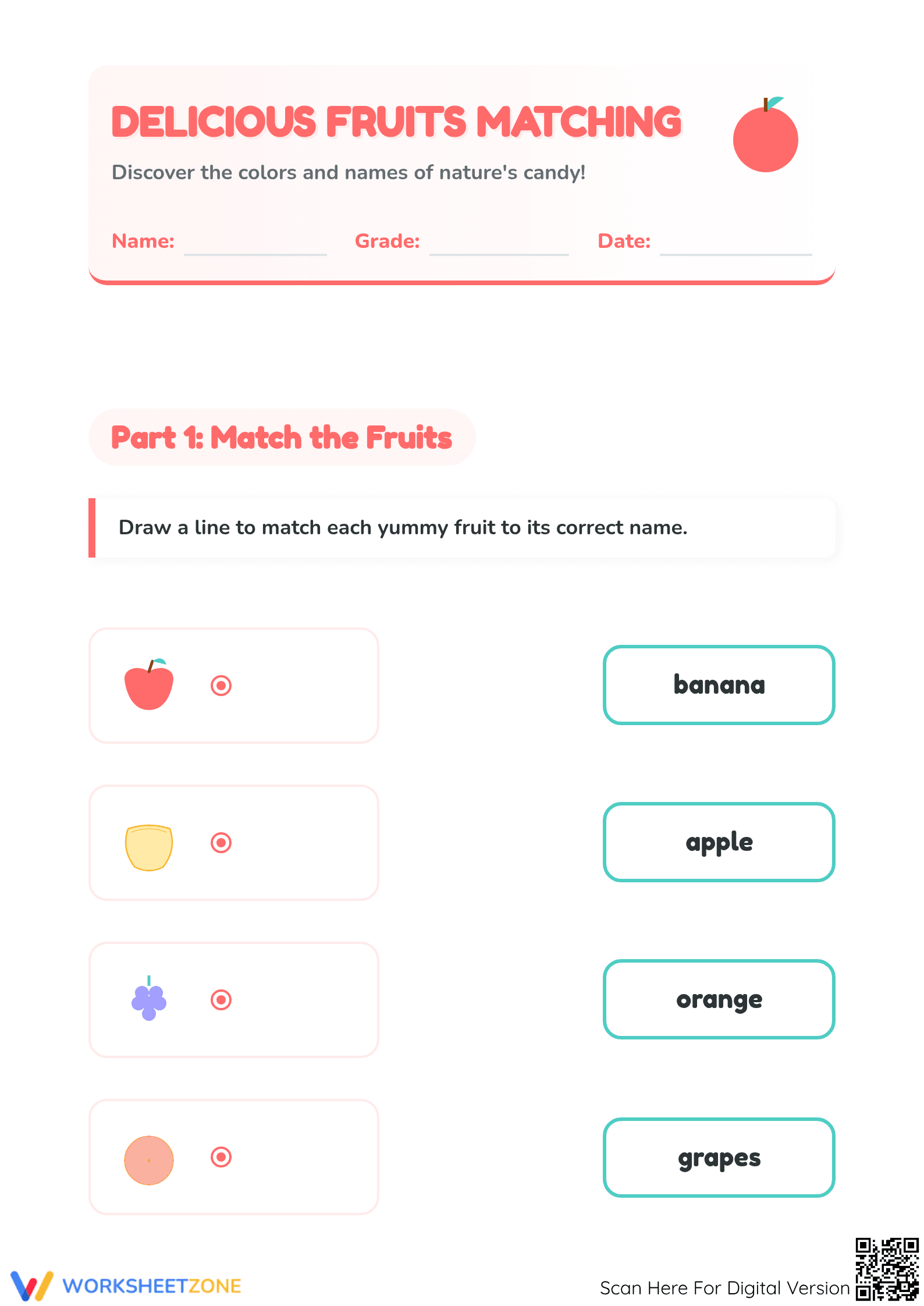
This Kindergarten and Grade 1 vocabulary worksheet helps students master common fruit names through visual association and color recognition. By connecting vibrant illustrations to written words, learners build the foundational literacy skills needed for reading fluency. The activity concludes with a creative prompt to reinforce personal connection to the subject matter and encourage basic writing practice.
At a Glance
- Grade: Kindergarten · Subject: English Language Arts
- Standard:
CCSS.ELA-LITERACY.L.K.6— Use words and phrases acquired through reading and responding to texts- Skill Focus: Fruit Vocabulary & Color Matching
- Format: 3 pages · 10 problems · Answer key included · PDF
- Best For: Independent morning work or literacy centers
- Time: 15–20 minutes
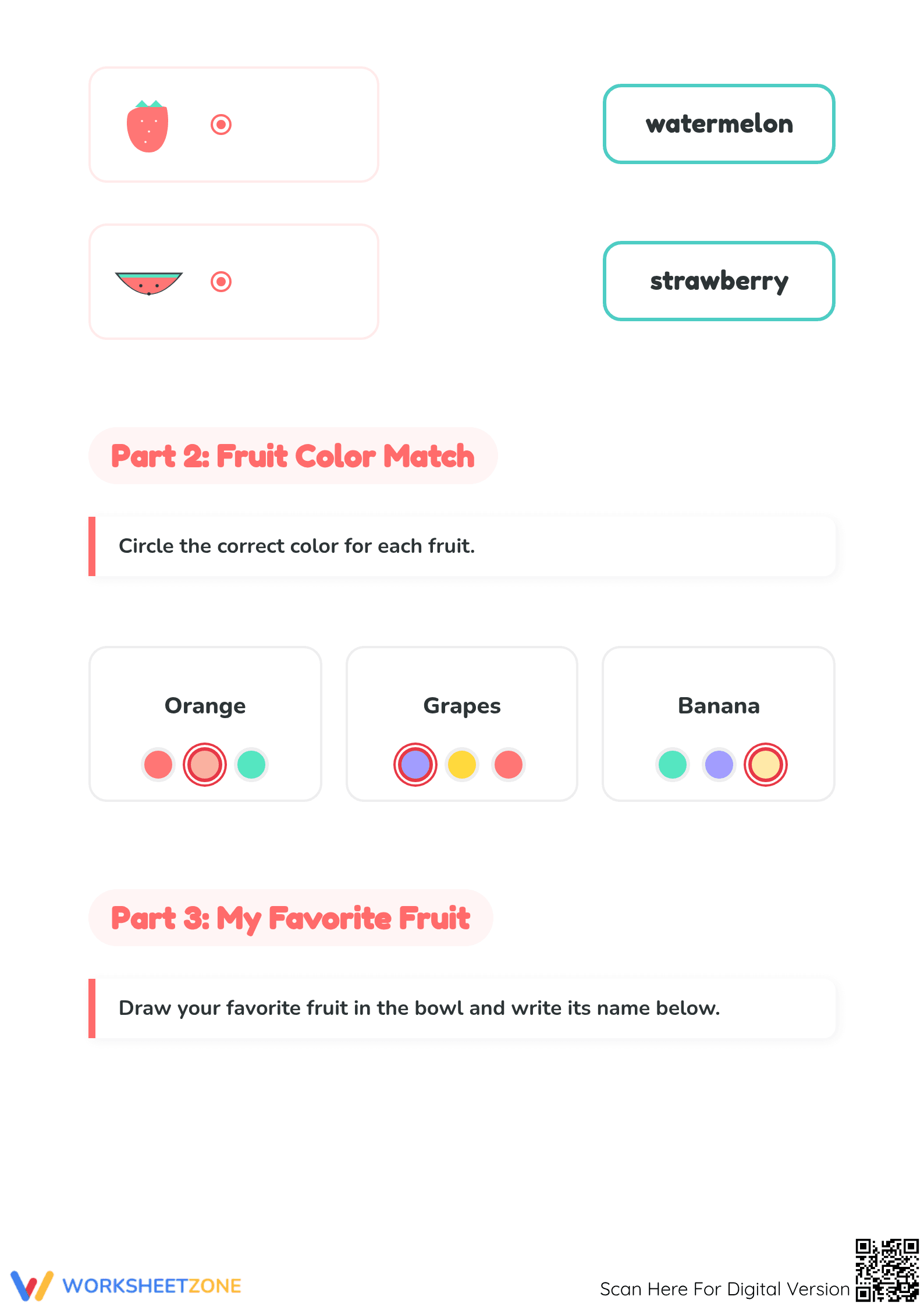
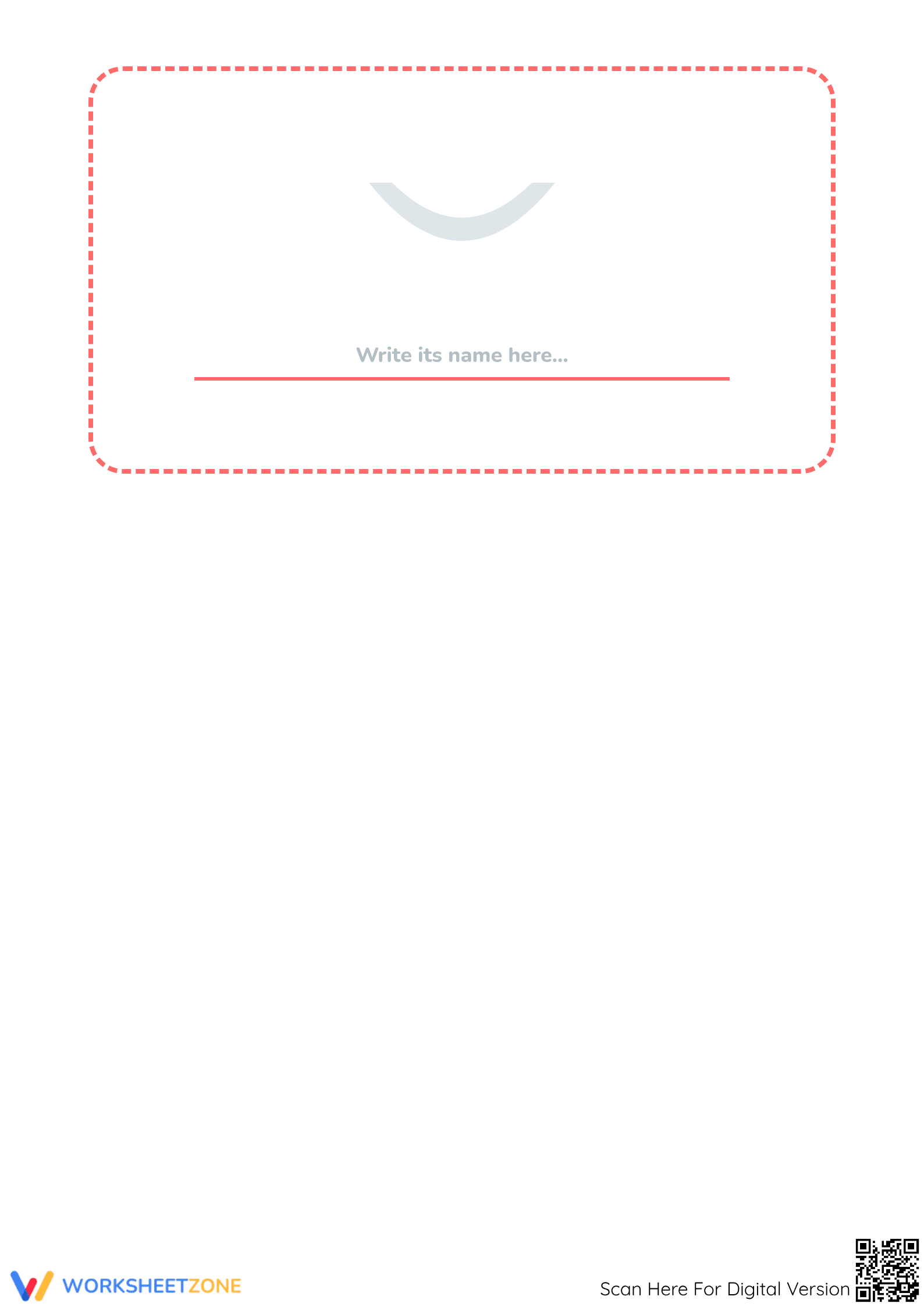
The packet contains three distinct pages designed for early learners. Page one features four matching pairs including apples and bananas. Page two extends the matching to strawberries and watermelons, followed by a color-selection task for three specific fruits. The final page provides a dedicated space for a drawing and writing extension. A complete answer key is provided for quick grading or student self-correction.
This resource is designed for a zero-prep classroom environment. Teachers can print the three-page PDF in less than 30 seconds. Distribution takes approximately one minute during transition periods. Reviewing the answers as a whole group using the included key requires only five minutes of instructional time. Total teacher preparation is under two minutes, making it an ideal sub plan or emergency filler activity.
This worksheet aligns with `CCSS.ELA-LITERACY.L.K.6`, which requires students to use words and phrases acquired through conversations, reading and being read to, and responding to texts. It also supports the development of visual literacy by asking students to describe the relationship between illustrations and the text. Both standard codes can be copied directly into lesson plans, IEP goals, or district curriculum mapping tools.
Use this as a formative assessment after a unit on healthy eating or as a quiet morning work activity. For a formative check, observe if students are using initial letter sounds to distinguish between "banana" and "berry" or if they rely solely on the picture. The expected completion time is 15 to 20 minutes depending on the detail of the drawing. It works well as a bridge between direct instruction and independent practice.
This resource is perfect for Kindergarten and first-grade students, as well as English Language Learners (ELLs) who need visual support for basic noun acquisition. It pairs naturally with a classroom anchor chart about fruits or a shared reading of informational texts about nature. The simple layout and large fonts ensure accessibility for students with fine motor challenges or those just beginning to track text.
Research by Fisher & Frey (2014) emphasizes that visual non-linguistic representations, such as matching pictures to words, significantly enhance vocabulary retention for early readers. This worksheet utilizes these principles to meet CCSS.ELA-LITERACY.L.K.6 requirements, ensuring students move beyond rote memorization toward functional word use. By integrating color recognition and creative drawing, the resource engages multiple cognitive pathways. According to the NAEP, early exposure to categorized vocabulary is a strong predictor of later reading comprehension success. This 10-task set provides the structured repetition necessary for mastery while maintaining high student engagement through familiar themes. The inclusion of an answer key allows for immediate feedback, a critical component of the gradual release of responsibility model. Educators can confidently integrate this printable into daily literacy blocks to support diverse learner needs in the primary classroom while minimizing administrative burden.


