


























Views
Downloads
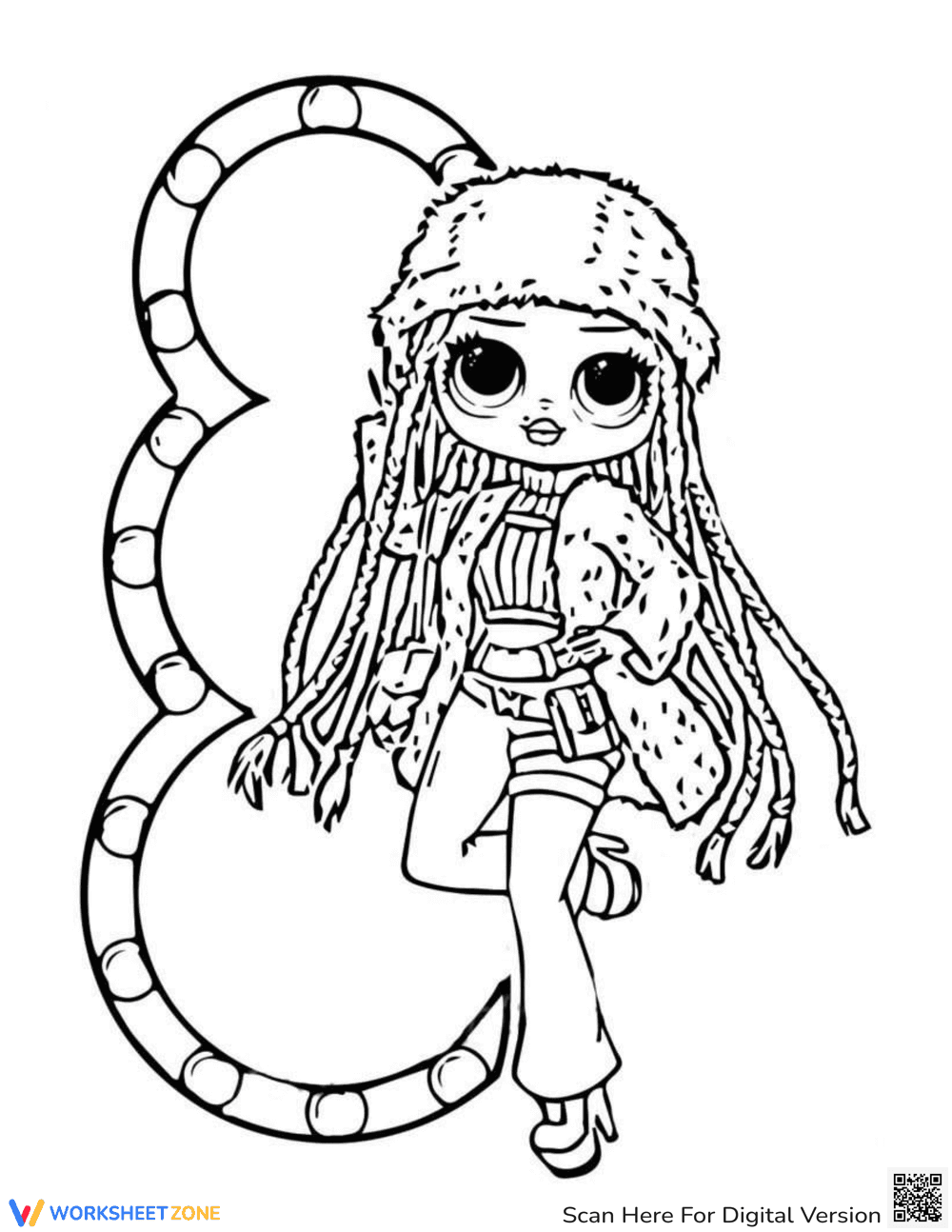

Printable LOL Surprise Winter Doll Coloring Page
Paste this activity's link or code into your existing LMS (Google Classroom, Canvas, Teams, Schoology, Moodle, etc.).
Students can open and work on the activity right away, with no student login required.
You'll still be able to track student progress and results from your teacher account.
This printable LOL Surprise coloring page builds fine motor control and descriptive vocabulary in third and fourth-grade students. By coloring the detailed winter fashion elements, learners engage in creative expression while preparing for oral language activities. This activity directly supports visual arts integration and language development goals.
At a Glance
- Grade: Grade 3 · Subject: Fine Art
- Standard:
CCSS.ELA-LITERACY.L.3.6— Acquire and use conversational and academic words to describe winter fashion details- Skill Focus: Fine motor control and descriptive vocabulary
- Format: 1 page · 1 coloring task · Answer key not applicable · PDF
- Best For: Morning work or early finisher activity
- Time: 15–20 minutes
This resource consists of a single-page PDF featuring a high-quality line art illustration of a winter-themed fashion doll. The illustration includes intricate details such as braids, a textured fur hat, and layered winter clothing. These detailed elements provide opportunities for students to practice precision coloring while identifying and naming different clothing textures and styles.
This zero-prep activity integrates into your classroom routine in under 2 minutes of teacher preparation. First, print the single-page PDF for your class size (1 minute). Second, distribute the sheets along with crayons, colored pencils, or markers (30 seconds). Third, review student work by having them share their color choices and describe the doll's outfit using descriptive adjectives (30 seconds). This simple workflow makes the sheet an excellent option for emergency sub plans or transition periods.
This activity aligns with CCSS.ELA-LITERACY.L.3.6, which requires students to acquire and use conversational, general academic, and domain-specific words. By describing the doll's winter clothing, students practice using precise adjectives. Additionally, it supports speaking and listening standards as students share their completed work. Both standard codes can be copied directly into lesson plans, IEP goals, or district curriculum mapping tools.
Use this worksheet during transition times or as a creative warm-up before a descriptive writing lesson. For example, assign this coloring task before direct instruction on adjectives, using the completed doll to generate a list of descriptive words. Teachers can conduct formative assessment by observing pencil grip and listening to students describe their color choices. Students typically complete the coloring task within 15 to 20 minutes.
This worksheet is designed for third and fourth-grade students, particularly those who benefit from tactile, creative activities to stimulate language output. It serves as an engaging option for English language learners practicing clothing vocabulary. Pair this coloring sheet with a short descriptive writing prompt or a read-aloud book about winter weather to create a cohesive thematic lesson.
This educational coloring worksheet supports the development of fine motor skills and descriptive language acquisition, aligning directly with the standard CCSS.ELA-LITERACY.L.3.6. According to the ScienceDirect TpT Analysis, integrating visual arts and coloring activities into elementary language arts instruction enhances student engagement and aids in vocabulary retention. By focusing on detailed illustrations, students build the stamina required for writing tasks while learning to identify and articulate specific visual details. This resource provides a structured yet creative outlet that helps bridge the gap between artistic expression and formal language development. Teachers can utilize this print-and-go tool to support diverse learners, including those requiring fine motor accommodations or language scaffolding. The combination of artistic engagement and targeted vocabulary practice makes this worksheet a valuable addition to any third or fourth-grade classroom curriculum.


