


























Views
Downloads
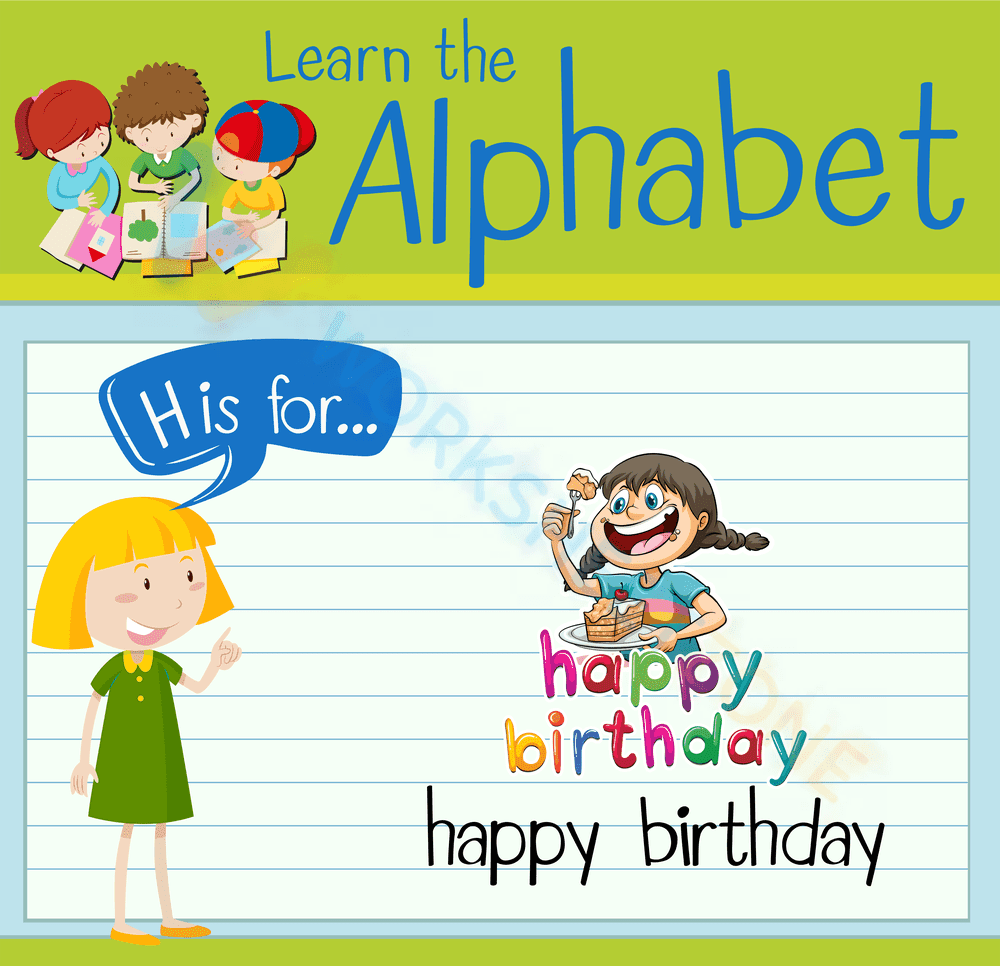

Grade K-2 Letter H — Printable No-Prep Worksheet
Paste this activity's link or code into your existing LMS (Google Classroom, Canvas, Teams, Schoology, Moodle, etc.).
Students can open and work on the activity right away, with no student login required.
You'll still be able to track student progress and results from your teacher account.
This printable phonics worksheet helps early learners master the letter H beginning sound through targeted visual association and word practice. Students identify the letter H sound in familiar words to build foundational literacy skills. This resource provides immediate, independent practice to reinforce letter-sound correspondence.
At a Glance
- Grade: K-2 · Subject: ELA
- Standard:
CCSS.ELA-LITERACY.RF.K.3.A— Associate the letter H with its primary consonant sound- Skill Focus: Letter H beginning sound
- Format: 1 page · 2 tasks · No answer key · PDF
- Best For: Independent phonics practice
- Time: 10–15 minutes
This single-page PDF features a clear layout designed for young learners. It includes a colorful visual prompt illustrating the phrase "H is for..." alongside a cheerful graphic. Below the illustration, students find two guided reading tasks featuring the words "happy" and "birthday" in bubble font, followed by solid text models to support handwriting development and letter-sound association.
Zero-Prep Classroom Workflow
This resource minimizes teacher preparation and maximizes instructional time. Implement this simple three-step workflow in your classroom:
- Print (1 minute): Download the PDF and print one copy per student. No collating or stapling is required for this single-page sheet.
- Distribute (1 minute): Hand out the worksheet during your phonics block, morning routine, or centers rotation. Explain the visual prompt to the group.
- Review (5 minutes): Have students read the words aloud to verify their understanding of the beginning sound. This quick check requires zero grading time.
With a total teacher prep time of under 2 minutes, this worksheet serves as an excellent emergency sub plan or transition activity.
Standards Alignment
This worksheet aligns directly with CCSS.ELA-LITERACY.RF.K.3.A, which requires students to demonstrate basic knowledge of one-to-one letter-sound correspondences by producing the primary sound for consonants. By practicing words that begin with the target letter, students reinforce their phonics skills. Both standard codes can be copied directly into lesson plans, IEP goals, or district curriculum mapping tools.
How to Use It
Use this worksheet during the guided practice phase of your phonics lesson, immediately following direct instruction on the letter H sound. Alternatively, assign it as a formative assessment at the end of the week to check individual student progress. While students work, walk around the room and listen to them pronounce the words to observe their phonemic awareness. Expect completion within 10 to 15 minutes.
Who It's For
This resource is tailored for kindergarteners, first graders, and struggling second graders who need extra support with beginning consonant sounds. It works well for English language learners who benefit from visual cues paired with vocabulary. Pair this worksheet with a read-aloud book focusing on the letter H or an anchor chart displaying common H words to enhance the learning experience.
This phonics worksheet targets the CCSS.ELA-LITERACY.RF.K.3.A standard to help early childhood students master the letter H beginning sound. According to research by Fisher & Frey (2014), combining visual prompts with structured practice tasks helps scaffold the transition from letter recognition to independent reading and writing. By practicing the beginning sound in context, students build the phonemic awareness necessary for early reading success. Educators can easily integrate this 1-page resource into daily phonics routines to monitor student progress and support handwriting development. Consistent exposure to targeted letter-sound correspondence activities ensures that young learners develop the automaticity required for fluent reading. This targeted approach provides a strong foundation for future literacy milestones, allowing teachers to identify and address learning gaps early in the academic year. Students who master these foundational consonant sounds demonstrate greater confidence when decoding unfamiliar texts.


