


























Views
Downloads
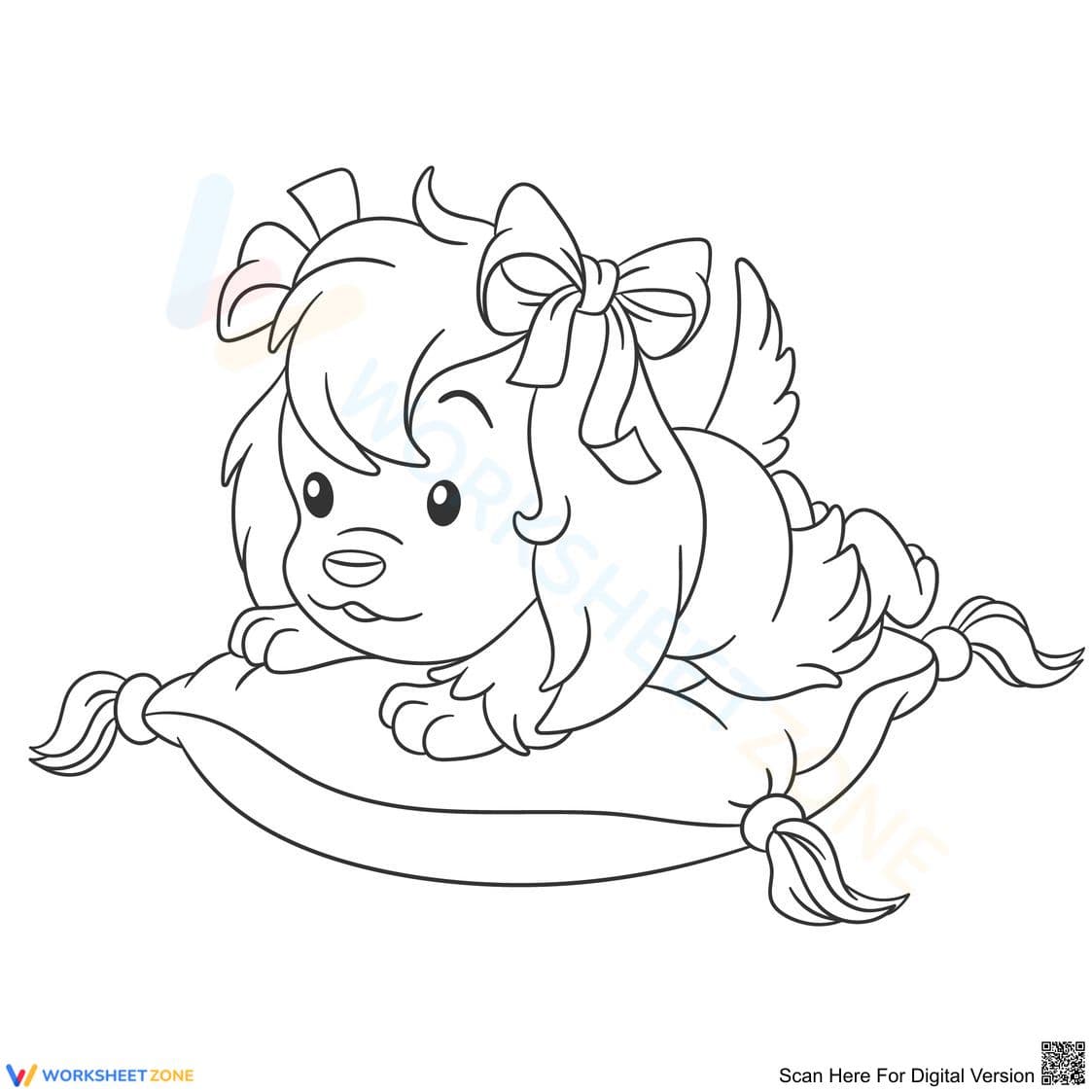

Girly Puppy Coloring Page | Essential Creative Activity
Paste this activity's link or code into your existing LMS (Google Classroom, Canvas, Teams, Schoology, Moodle, etc.).
Students can open and work on the activity right away, with no student login required.
You'll still be able to track student progress and results from your teacher account.
This Girly Puppy coloring page provides a creative outlet for students to practice fine motor control and artistic expression. By focusing on detailed line art, learners can explore color theory and shading techniques while engaging in a calming, productive activity. It serves as an effective tool for mindfulness and artistic development across multiple grade levels.
At a Glance
- Grade: 5–College · Subject: Arts & Crafts
- Standard:
VA:Cr2.1.5a— Experiment and develop skills in multiple art-making techniques and approaches- Skill Focus: Fine Motor & Color Theory
- Format: 1 page · 1 task · No answer key · PDF
- Best For: Mindfulness breaks and creative expression
- Time: 15–30 minutes
This resource features a high-resolution, single-page illustration of a stylized puppy resting on a decorative pillow. The artwork includes intricate details such as bows, flowing fur, and textured tassels, providing various zones for color experimentation. The PDF format ensures crisp printing on standard letter paper, making it an immediate addition to any creative kit or classroom calm-down corner.
The zero-prep workflow for this resource is designed for maximum efficiency. First, print the single-page PDF (30 seconds). Second, distribute the sheets along with colored pencils, markers, or crayons to your students (1 minute). Third, allow students to work independently while you facilitate or transition between lessons (0 minutes prep). Total teacher preparation time is under two minutes, making it an ideal choice for unexpected schedule changes or sub plans.
This worksheet aligns with `VA:Cr2.1.5a`, which focuses on experimenting and developing skills in multiple art-making techniques. Students apply this by selecting color palettes and practicing precision within the line art. This standard code can be copied directly into lesson plans, IEP goals, or district curriculum mapping tools to document creative engagement and fine motor practice.
Use this page as a mindfulness transition after high-stakes testing or during a rainy-day recess. It also works well as a formative assessment for color theory; observe how students choose complementary or analogous colors to fill the puppy's features. Expect students to spend between 15 and 30 minutes completing the piece depending on the medium used.
This activity is designed for students from Grade 5 through college who benefit from tactile, creative tasks. It is particularly useful for students requiring sensory breaks or those who finish primary assignments early. Pair this with a short lesson on animal anatomy or a character-building writing prompt to extend the learning experience.
The Girly Puppy coloring page supports the development of fine motor skills and cognitive focus through structured artistic engagement. According to a Fisher & Frey (2014) analysis of instructional scaffolds, providing low-stakes creative tasks can significantly reduce student anxiety and improve overall classroom climate. This resource aligns with VA:Cr2.1.5a, requiring students to experiment with art-making techniques while maintaining focus on a single, detailed task. Research from the RAND AIRS 2024 report suggests that integrating mindfulness-based activities like coloring into the school day can enhance emotional regulation and readiness for academic instruction. By offering a clear, high-interest subject, this worksheet encourages students to persist through a multi-step creative process. The 1-page format ensures that the activity remains accessible while providing enough detail to challenge older learners. Educators can utilize this tool to bridge the gap between intensive academic work and necessary cognitive rest periods.


